

Essential Guide to All Natural Wax Melts in 2026
Imagine filling your home with captivating scents, all while knowing every ingredient is genuinely safe and natural. With growing concerns about toxins in home fragrance products, more people are seeking alternatives that protect both health and the environment.
This essential guide explores everything you need to know about all natural wax melts in 2026. You will discover the benefits, ingredients, and simple methods for making and using them safely at home.
We will examine what sets these products apart, outline the risks of synthetic alternatives, and highlight the latest trends for a modern, healthier lifestyle. Ready to transform your home with safer, more authentic fragrance options? Let us begin.
What Are All Natural Wax Melts?
Imagine transforming your home’s atmosphere with a gentle, authentic fragrance that not only delights the senses but also aligns with your commitment to health and sustainability. All natural wax melts have become the preferred option for many who wish to avoid artificial ingredients, offering a safer and more eco-friendly way to enjoy beautiful scents indoors.
Definition and Key Characteristics
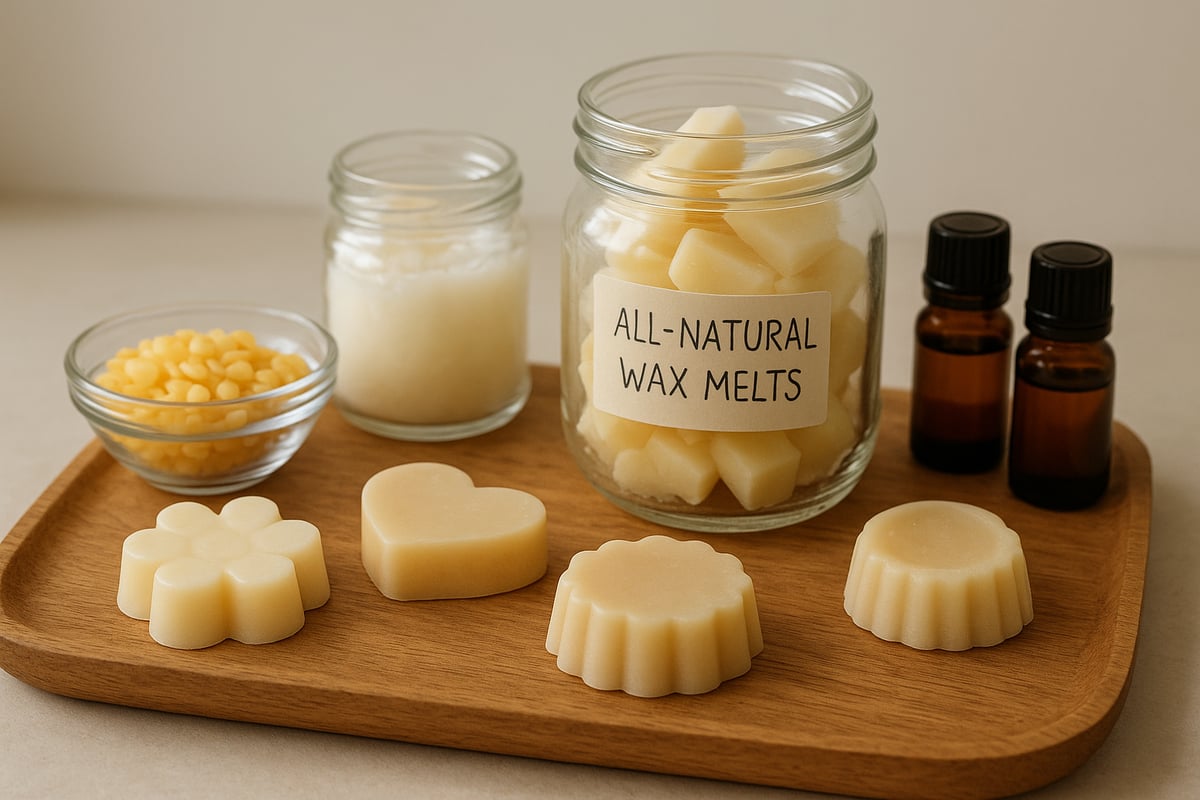
Wax melts are small, scented pieces of wax that are gently heated in a warmer, releasing fragrance into the air without the need for a wick or flame. Unlike traditional candles, they do not burn but instead liquefy, allowing the scent to diffuse evenly throughout the room.
The term all natural wax melts refers to products made without paraffin, artificial dyes, or synthetic fragrances. Instead, these melts use pure ingredients such as beeswax, soy wax (preferably organic and non-GMO), coconut wax, and natural essential oils. This ensures a clean scent and avoids the emission of potentially harmful compounds.
Key ingredients commonly found in all natural wax melts include:
- Beeswax: Unbleached, supports local beekeepers, subtle honey aroma
- Soy wax: Renewable, plant-based, ideally organic
- Coconut wax: Enhances softness and scent throw, sustainable crop
- Essential oils: Provide complex, natural fragrances
Conventional wax melts often rely on paraffin, a petroleum by-product, which can emit toxins when heated. All natural wax melts avoid this, offering a safer and more transparent alternative. For example, a blend of beeswax and coconut oil creates a softer texture and melts at a lower temperature, allowing the fragrance to release quickly and gently.
A quick comparison can be seen in the table below:
| Feature | All Natural Wax Melts | Conventional Wax Melts |
|---|---|---|
| Wax Base | Beeswax, soy, coconut | Paraffin (petroleum-based) |
| Fragrance Source | Essential oils, absolutes | Synthetic fragrance oils |
| Colourants | Natural (clays, botanicals) | Synthetic dyes |
| Environmental Impact | Biodegradable, renewable | Non-biodegradable |
| Safety | Fewer toxins, allergen-free | Potential harmful emissions |
If you are curious to see a range of artisan products and learn more about ingredient transparency, explore this Wax Melt Collection for inspiration.
Benefits of Going All Natural
Choosing all natural wax melts offers a range of benefits that appeal to health-conscious and environmentally aware individuals. By avoiding paraffin and synthetic additives, you reduce the risk of inhaling toxins and allergens that can be released by conventional melts.
Health is a primary concern for many, especially families with children or pets. All natural wax melts are less likely to trigger headaches, asthma, or skin irritation, as they contain fewer unknown chemicals. Essential oils provide not only a more authentic and complex scent but also potential therapeutic effects, such as relaxation or mood enhancement.
From an environmental perspective, using biodegradable and renewable materials like soy, beeswax, and coconut supports sustainability efforts. Disposal is easier, as natural waxes break down harmlessly, unlike paraffin, which can persist in landfill sites.
The quality of scent is another key benefit. Essential oil blends such as “Citrus Mint” or “Pumpkin Spice” create a natural aroma that feels fresh and genuine. With rising consumer demand for transparency and natural home fragrance products, all natural wax melts are rapidly becoming the standard for those seeking both safety and sensory delight.
The Risks of Synthetic and Conventional Wax Melts
Synthetic and conventional wax melts might seem convenient, but their hidden risks can outweigh the benefits. Understanding the dangers behind these products is crucial for anyone choosing between conventional options and all natural wax melts.

Health and Safety Concerns
Many conventional wax melts contain paraffin wax, a substance derived from petroleum. When heated, paraffin releases toxins such as toluene and benzene, both recognised for their negative impact on indoor air quality. Artificial fragrances are another concern, as their compositions are rarely disclosed and may contain phthalates and other chemicals linked to headaches, asthma, and even hormone disruption.
For instance, some users report a “burning petrol smell” from cheap, store-bought melts, a clear sign of chemical release. According to studies, paraffin-based wax melts can contribute to indoor air pollution at levels comparable to those found near busy roads. If you want to learn more about the health risks of burning paraffin, this Health risks of paraffin wax in home fragrances article provides detailed insights.
In contrast, all natural wax melts avoid these risks by using plant-based or beeswax bases and pure essential oils. This makes them a safer choice for families, especially those with children or pets. Choosing all natural wax melts reduces exposure to unknown allergens and respiratory irritants.
Environmental Impact
The environmental consequences of synthetic wax melts are significant. Paraffin wax production relies on non-renewable petroleum extraction, which drives habitat loss and increases greenhouse gas emissions. Synthetic dyes and fragrances in these products often contain microplastics or chemicals that persist in the environment.
Disposal is another pressing issue. Paraffin wax and plastic-based melts do not break down easily, lingering in landfill for decades. In contrast, all natural wax melts use biodegradable ingredients like soy, coconut, or beeswax, which decompose naturally and return to the earth.
Opting for all natural wax melts also means supporting crops that can be replenished each season. This shift helps reduce pollution, conserve resources, and limit the environmental footprint of home fragrance products.
Transparency and Labelling Issues
One of the most frustrating aspects of buying conventional wax melts is the lack of transparency. Many mainstream brands fail to disclose full ingredient lists, leaving consumers unsure about what they are bringing into their homes. Artificial fragrance blends are often labelled vaguely, making it difficult to identify potential allergens or toxins.
Some companies refuse to provide essential oil testing reports, raising doubts about the purity and safety of their products. With all natural wax melts, clear labelling and ingredient transparency are increasingly standard, empowering buyers to make informed choices.
When selecting home fragrance, prioritising all natural wax melts helps ensure you know exactly what you are using. This commitment to transparency builds trust and supports your health and wellbeing.
Key Ingredients in All Natural Wax Melts
Choosing the right ingredients is fundamental to enjoying all natural wax melts in your home. The quality, purity, and source of each component directly impact scent, safety, and environmental footprint. Here, we break down what goes into truly natural wax melts, so you can make informed, confident choices.
Natural Waxes: Beeswax, Soy, Coconut, and More
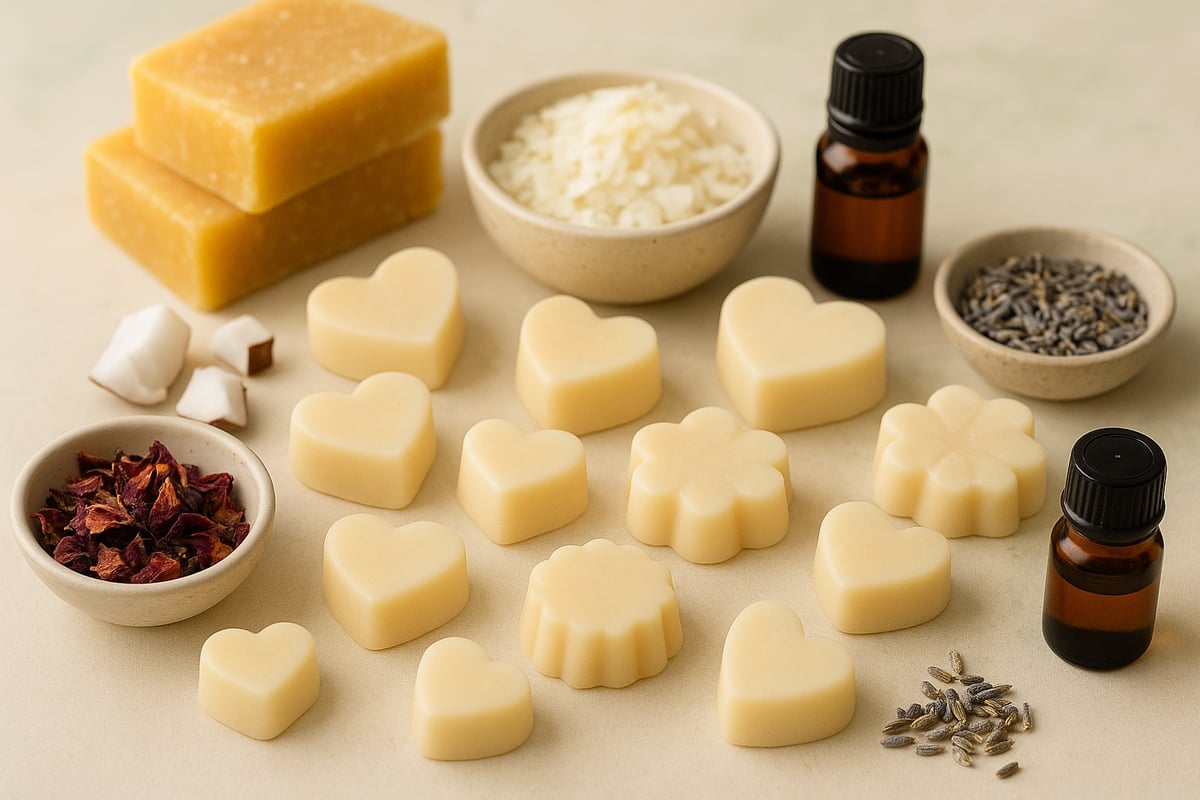
The foundation of all natural wax melts lies in the wax itself. Beeswax, soy wax, and coconut wax are the most popular choices, each offering distinct benefits. Beeswax is prized for its subtle honey aroma and natural golden hue. It supports local beekeepers and is unbleached, making it a pure option.
Soy wax, derived from soybeans, is plant-based and renewable. When choosing soy wax, look for organic and non-GMO varieties to avoid pesticide residues. Coconut wax is soft, creamy, and excellent for blending, providing a lower melting point and enhancing scent throw.
Here’s a quick comparison:
| Wax Type | Texture | Scent Retention | Sustainability |
|---|---|---|---|
| Beeswax | Firm, smooth | High | Supports bees |
| Soy Wax | Soft, creamy | Good | Renewable crop |
| Coconut Wax | Very soft | Excellent | Sustainable |
Many artisan makers blend beeswax with coconut oil for a softer texture and quicker melting. Choosing the right wax blend is essential for achieving the perfect melt and fragrance release in all natural wax melts.
Natural Scent Sources: Essential Oils and Absolutes
Scent is at the heart of all natural wax melts. Pure essential oils, extracted from plants, flowers, and trees, provide authentic, complex fragrances. Unlike synthetic scents, essential oils offer therapeutic benefits and a genuine connection to nature.
Absolutes, such as vanilla or jasmine, deliver deeper, more concentrated aromas. Blending essential oils allows for endless customisation. Popular combinations include “Frozen Forest” (pine, eucalyptus, mint) or “Apple Pie” (cinnamon, clove, apple).
Transparency matters. When exploring scent options, seek brands that disclose their sources and blending methods. For more on the variety and purity of natural scent options, visit the Explore Natural Scents page, which details ingredient integrity and seasonal blends. This commitment to quality ensures your all natural wax melts are as safe as they are fragrant.
Additives and What to Avoid
When crafting or selecting all natural wax melts, additives should be minimal and carefully chosen. Natural colourants, such as cosmetic clays or dried botanicals, can add subtle hues without synthetic dyes. Botanicals like lavender buds or rose petals can also enhance visual appeal and scent.
However, avoid artificial fragrances, colourants, and fillers. Paraffin blends, often found in conventional melts, introduce petroleum-derived compounds. Always read labels and ask for ingredient disclosure.
For safe storage, use parchment paper to prevent chemical contamination. This simple choice protects the purity of your all natural wax melts and reduces unwanted exposure to toxins.
Storage and Shelf Life
Proper storage is essential to preserve the scent and integrity of all natural wax melts. Keep melts in airtight containers, away from heat and sunlight, to prevent the essential oils from evaporating. In warmer climates, refrigeration can extend freshness and prevent melting.
While natural waxes and oils are biodegradable, their fragrances may fade over time. If scent weakens, remelt and add a few drops of essential oil to refresh the aroma. Always separate different scents with parchment paper to maintain clarity and avoid cross-contamination.
By following these practices, you ensure your all natural wax melts remain safe, effective, and delightful for months to come.
How to Make Your Own All Natural Wax Melts: Step-by-Step Guide
Creating all natural wax melts at home is a rewarding, hands-on way to enjoy pure scents and customise your space. With just a few simple ingredients and tools, you can craft unique, toxin-free wax melts that are safe for your home and the environment.
Step 1: Gather Ingredients and Equipment
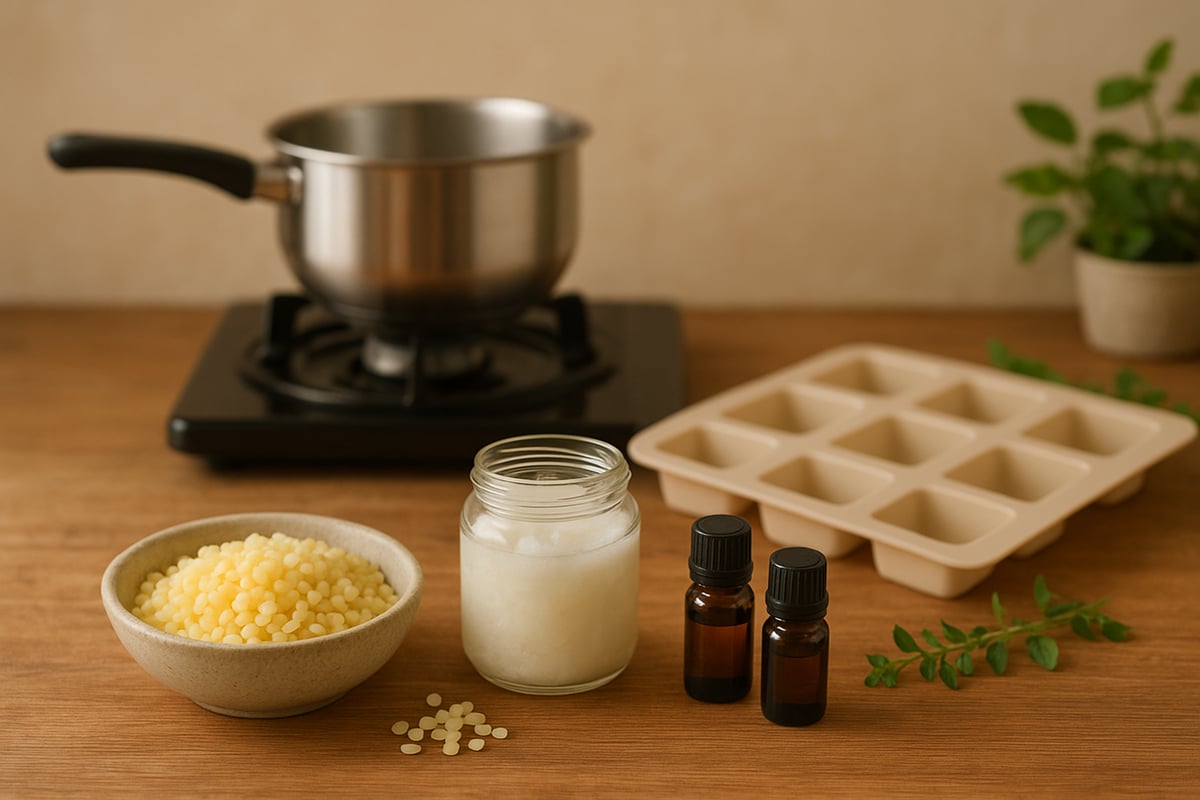
Start by assembling everything you need to make all natural wax melts. Choose a natural wax such as beeswax, soy, or coconut wax. Look for organic or non-GMO options for the purest results. You will also need a carrier oil like coconut oil to help your melts release scent more effectively.
Gather pure essential oils for fragrance, silicone or metal moulds, and a double boiler for gentle melting. Using high quality ingredients ensures your all natural wax melts are free from harmful additives. Check that your workspace is clean and well-ventilated for safe crafting.
- Beeswax pellets or soy/coconut wax
- Organic coconut oil or another carrier oil
- Pure essential oils (no synthetic fragrance oils)
- Silicone or metal moulds
- Double boiler or heatproof bowl and saucepan
- Measuring cup and spoon
Step 2: Melting and Mixing
Set up your double boiler by filling a saucepan with a few centimetres of water and placing a heatproof bowl on top. Add your chosen wax and gently heat until fully melted, stirring occasionally. Keeping the temperature low helps preserve the integrity of your essential oils when you add them later.
For softer, faster-melting all natural wax melts, blend beeswax with coconut oil. A common ratio is 1 part beeswax to 2 parts coconut oil, for example, 1oz beeswax and 1/2 cup coconut oil. This combination creates a smooth texture and allows for a better scent throw in your finished melts.
Always monitor the mixture closely to prevent overheating and degradation of the wax.
Step 3: Adding Fragrance
Once your wax and oil blend is fully melted and removed from the heat, it is time to add essential oils. This step is crucial for maximising the scent and benefits of your all natural wax melts. Add the oils while the mixture is still liquid, but not so hot that it causes the fragrance to evaporate.
For a strong and lasting aroma, use 30 to 45 drops of essential oil per batch, adjusting to your preference. Try blending oils like lavender, peppermint, or sweet orange for custom scents. Stir thoroughly to ensure even distribution before pouring into moulds.
Experiment with seasonal blends such as “Citrus Mint” or “Pumpkin Spice” for a personal touch.
Step 4: Pouring and Setting
Carefully pour the scented wax mixture into your prepared moulds. Silicone moulds are ideal for easy release once the melts have hardened. Fill each cavity, leaving a small gap at the top to prevent spills.
Let the all natural wax melts cool at room temperature or place the moulds in the fridge to speed up setting. Once fully solid, gently remove the melts and store them in an airtight container. Always handle hot wax with care to avoid burns or spills.
Step 5: Storing and Using Your Wax Melts
Proper storage is essential for maintaining the quality and scent of your all natural wax melts. Store melts in airtight containers, separating layers with parchment paper to prevent sticking. Keep them in a cool, dry place away from direct sunlight.
To use, place one or two melts in your wax warmer and enjoy the fragrance as the wax gently melts. Reuse each melt until the scent fades, then remelt and refresh with additional essential oil if desired. For further advice on safe usage and maintenance, consult this Candle Care Guide.
Troubleshooting and Tips
If your all natural wax melts are too hard or lack scent, adjust the ratio of wax to oil or increase the amount of essential oil. Reuse leftover wax by remelting and adding fresh fragrance. You can also repurpose unscented wax for other DIY projects, such as homemade lip balm (using only skin-safe essential oils).
- If melts are crumbly, increase coconut oil.
- For stronger scent, add more essential oil.
- Clean moulds thoroughly between batches to avoid cross-contamination.
Making your own all natural wax melts allows you to control every ingredient and tailor scents to suit your mood and home.
How to Use All Natural Wax Melts Safely and Effectively
Enjoying all natural wax melts in your home should always be a safe and rewarding experience. The right approach ensures optimal scent, minimal risk, and lasting enjoyment. Let us explore the essential steps for using all natural wax melts with confidence.
Choosing the Right Wax Warmer
Selecting a suitable warmer is the first step to using all natural wax melts safely. Electric wax warmers offer precise temperature control and often include auto shut off features, reducing fire risk. Tea light warmers provide a traditional touch but require careful supervision.
Consider the size of your wax melts and match them to the warmer bowl. A bowl that is too small may cause overflow, while one that is too large can dilute the fragrance. Look for warmers with cool touch bases and sturdy construction to enhance safety. Always follow manufacturer instructions for both the warmer and the all natural wax melts.
Maximising Scent Throw
To fully enjoy the fragrance of all natural wax melts, pay attention to placement and usage. Position your warmer in a well ventilated area, away from direct sunlight and draughts, to help the scent disperse evenly. In larger rooms, use stronger essential oils like peppermint or cinnamon for a more noticeable aroma.
Avoid overcrowding the warmer bowl, as too many melts can reduce scent quality and create mess. Typically, one or two small melts are sufficient for most spaces. Rotate your selection to experience a variety of natural scents throughout your home. This ensures you get the best from your all natural wax melts every time.
Pet and Child Safety
While all natural wax melts are a safer alternative to synthetic options, extra care is needed around pets and children. Keep warmers and melts out of reach, and always supervise usage in family spaces. Not all essential oils are safe for animals, particularly cats and dogs. Oils like tea tree and eucalyptus should be avoided.
For more detail on how synthetic fragrances can impact indoor air quality and health, see this Environmental impact of synthetic fragrances in wax melts resource. Always research your chosen oils and consult with your vet if unsure. Prioritise natural ingredients and transparency in every product you use.
Cleaning and Maintenance
Maintaining your warmer ensures the longevity and safety of all natural wax melts. Allow the wax to cool completely before removal, then gently pop it out or wipe with a paper towel. Avoid using sharp tools, which can damage the warmer.
Clean the bowl regularly with a soft cloth and mild, natural cleaner. Steer clear of harsh chemicals that could leave residues or react with natural waxes. Regular cleaning prevents scent mixing and keeps your warmer in peak condition. By caring for your equipment, you protect the integrity of your all natural wax melts.
Refreshing and Reusing Melts
Once the scent fades, all natural wax melts can be refreshed rather than discarded. Remelt the wax and add a few drops of your favourite essential oil to revive the aroma. This technique extends the life of each batch and reduces waste.
Leftover wax can also be repurposed in creative DIY projects, such as homemade fire starters for the garden or camping trips. Store unused melts in airtight containers to preserve freshness. With a little care, all natural wax melts offer ongoing value and enjoyment for your home.
Trends and Innovations in All Natural Wax Melts for 2026
The landscape of all natural wax melts is evolving rapidly in 2026, with consumers and makers alike seeking products that combine luxury, health, and sustainability. Let us explore the most significant trends shaping the future of all natural wax melts, from ingredient sourcing to smart scent technology.
Ingredient Sourcing and Sustainability
In 2026, the spotlight is firmly on the origins of ingredients used in all natural wax melts. Brands are embracing transparency, with a growing preference for locally-sourced beeswax and organic coconut oil. This shift not only supports small producers but also reduces transportation emissions.
Eco-conscious buyers are demanding zero-waste packaging and refill solutions. Many companies now offer compostable wraps, glass jars, or tin containers that can be reused. Refill packs are becoming a standard, allowing customers to top up their favourite scents without unnecessary waste.
Sustainability is further enhanced by traceable supply chains. Shoppers want to know the story behind their all natural wax melts, from the farm to their front door. This drive for accountability is setting new standards across the industry.
Scent Development and Personalisation
Personalisation is redefining the experience of all natural wax melts. Home fragrance is no longer one size fits all, as brands now offer bespoke scent blending kits that let users create their own signature aromas. These kits often include a selection of pure essential oils and guidance for crafting unique blends.
AI-powered scent recommendations are on the rise. By analysing user preferences and moods, technology can suggest which all natural wax melts will best suit a room or season. Seasonal collections inspired by local landscapes, such as "Snowy Nights" for winter, are increasingly popular, offering a sense of place and time.
Consumers are seeking more from their scents than ever before. The ability to tailor fragrance to personal tastes is quickly becoming a must-have feature.
Health and Wellness Integration
The integration of health and wellness into all natural wax melts is a defining trend for 2026. Aromatherapy blends designed to promote relaxation, focus, or restful sleep are in high demand. Essential oils such as lavender, peppermint, and chamomile are chosen for their proven benefits.
Consumers are increasingly aware of the risks associated with synthetic alternatives. Recent findings, such as those discussed in this study on scented wax melts and indoor air pollution, highlight the importance of choosing natural options to protect indoor air quality.
Brands are responding by providing clear ingredient lists and avoiding potentially harmful additives. This focus on wellness ensures that all natural wax melts contribute to a healthier home environment.
Artisan and Local Brands
A renewed appreciation for craftsmanship is driving the popularity of artisan and local brands in the all natural wax melts market. These producers often work in small batches, using traditional methods and regional ingredients to create unique, high-quality scents.
Supporting local businesses not only sustains communities but also results in more authentic products. For example, Scottish makers are infusing their wax melts with scents inspired by native flora and landscapes. To learn more about the people behind these creations, visit Meet the Maker, where you can discover the artistry and dedication involved.
Consumers value the transparency and personal touch that comes with artisan all natural wax melts, making this segment a growing force in the market.
Market Data and Consumer Preferences
Market research in 2026 shows a surge in demand for all natural wax melts. Industry growth rates are strong, fuelled by consumer desire for transparency, safe ingredients, and eco-friendly practices.
Popular scent profiles include fruity, floral, woody, and festive blends. Surveys indicate that buyers prioritise longevity and authenticity of fragrance, as well as ethical sourcing.
This shift in preferences is encouraging brands to innovate, offering new scent combinations and improved formulations. The result is a vibrant, dynamic market that continues to expand.
Regulatory Changes and Labelling
Regulatory bodies are introducing stricter labelling laws for all natural wax melts. Full ingredient disclosure is now expected, with certifications such as organic, cruelty-free, and vegan gaining importance.
A table of common certifications:
| Certification | Focus |
|---|---|
| Organic | No synthetic inputs |
| Vegan | No animal products |
| Cruelty-Free | No animal testing |
| Non-GMO | Genetically unmodified |
These changes are empowering consumers to make informed decisions and trust the products they bring into their homes.
Future Outlook
Looking ahead, the future of all natural wax melts is bright. Innovations such as smart warmers and interactive scent experiences are on the horizon, promising to make home fragrance more engaging and sustainable.
The ongoing movement towards holistic wellbeing and environmental responsibility will continue to shape the industry, ensuring all natural wax melts remain a staple in healthy, modern homes.
Choosing the Best All Natural Wax Melts for Your Home
Selecting the right all natural wax melts can transform your living space into a sanctuary of pure, authentic fragrance. With so many options on the market, it is essential to know what sets quality products apart. A careful approach ensures a healthier, more enjoyable experience for you and your family.
What to Look For on the Label
When shopping for all natural wax melts, always inspect the label closely. Ingredient transparency is crucial. The best brands list the specific type of wax used, such as beeswax, soy, or coconut, along with the origin of their essential oils.
Certifications are a strong indicator of quality. Look for organic, vegan, cruelty free, and non GMO marks. These labels show commitment to ethical production. Supporting products with a clear country of origin, especially local or trusted international producers, helps ensure authenticity.
Table: Label Checklist for All Natural Wax Melts
| Feature | What to Look For |
|---|---|
| Wax Type | Beeswax, Soy (organic), Coconut |
| Scent Source | Pure essential oils, absolutes |
| Certifications | Organic, Vegan, Cruelty Free |
| Country of Origin | Local or reputable sources |
Evaluating Scent Quality
Not all scents are created equal. For truly natural fragrance, all natural wax melts should use essential oil blends rather than synthetic fragrance oils. Essential oils deliver a more nuanced aroma and are less likely to cause irritation.
Scent longevity is equally important. The duration and strength of the scent depend on the quality and concentration of the oils used. Natural melts may fade a bit faster than synthetic options, but they offer a more authentic experience without harsh chemicals.
Try to sample blends before committing to larger packs. Floral, woody, and festive combinations are popular choices that can be tailored to your mood or the season.
Packaging and Sustainability
Eco friendly packaging is a hallmark of premium all natural wax melts. Look for recyclable, compostable, or reusable containers. Many artisan brands now offer bulk and refill options, reducing waste and supporting a zero waste lifestyle.
Packaging should be minimal, avoiding plastics and non biodegradable materials. Some companies use glass jars, recycled cardboard, or biodegradable wraps. Choosing products with sustainable packaging supports your environmental values and reduces your carbon footprint.
If you buy in bulk, check that the packaging still protects the melts from moisture and sunlight to maintain their quality.
Price vs. Value
Cost is a key factor, but value goes beyond the price tag. When comparing all natural wax melts, consider the cost per melt, how long they last, and the overall scent throw. A slightly higher upfront price often reflects superior ingredients and ethical practices.
Artisan products might be more expensive than mass produced ones, but they usually offer better scent profiles and longer lasting fragrances. Investing in high quality melts ensures a more satisfying and safe experience.
A simple calculation can help: divide the pack price by the number of melts and compare this with scent longevity and ingredient quality.
Supporting Ethical and Local Brands
Purchasing all natural wax melts from small businesses and regional producers has a positive impact. These brands often use traditional methods and locally sourced ingredients, ensuring authenticity and supporting local economies.
Artisan Scottish brands, for example, create unique scents inspired by their landscapes and heritage. By choosing local, you encourage sustainable production and craftsmanship.
Look for stories behind the brand, and consider how your purchase supports ethical practices and environmental responsibility.
Frequently Asked Questions
Are all natural wax melts safe for pets and children? Generally, yes, but always check for essential oils that may not be suitable for certain animals. How long do natural wax melts last? They typically provide fragrance for several hours per use, depending on the blend.
Can I use all natural wax melts in any warmer? Most are compatible, but always follow manufacturer guidance. How do I know if a product is truly natural? Look for full ingredient disclosure and third party certifications.
If you are concerned about the health effects of home fragrances, studies like the Extent of exposure to scented candles and prevalence of respiratory and non-respiratory symptoms amongst young university students offer valuable insights into possible risks of synthetic alternatives.
As we’ve explored, choosing all natural wax melts is about so much more than just fragrance—it’s about creating a healthier, more inviting home with ingredients you can trust. If you’re inspired to fill your space with authentic scents that capture the spirit of Scotland, why not take a look at our exclusive festive range? Each melt is hand crafted with care, blending tradition and innovation for an unforgettable sensory experience. Bring warmth and comfort to your home this season with artisan quality and natural peace of mind.
Shop Christmas Candles