

The Expert Guide to Candle Company Success in 2026
The candle industry is experiencing a remarkable surge, with trends and consumer demands evolving rapidly as we approach 2026. Whether you are launching a new venture or seeking to elevate your established candle company, understanding these shifts is crucial for long-term success.
This expert guide will provide you with actionable insights, from emerging industry trends to effective business strategies. You will discover step-by-step planning, branding, manufacturing, marketing, and proven scaling techniques.
Seize the opportunity to stand out in a booming market. Apply the strategies outlined here to achieve sustainable growth and become a leader in the candle company landscape.
Understanding the 2026 Candle Market Landscape
The candle company sector is undergoing a remarkable transformation as it heads towards 2026. Shifting consumer values, evolving regulations, and new market opportunities are redefining what it takes to thrive. To navigate this landscape, understanding key trends and challenges is essential for every candle company aiming for long-term success.

Evolving Consumer Preferences
Consumer preferences are rapidly evolving, shaping the future for every candle company. Sustainability is now a core expectation. Shoppers increasingly seek candles made with natural waxes, plant-based fragrance oils, and eco-friendly packaging.
A recent Statista report found that 68% of consumers prioritise natural ingredients when choosing candles. This shift is mirrored in the demand for bespoke scents that reflect local heritage or seasonal inspiration. Home wellness is also top of mind, with aromatherapy products and calming blends becoming essential for modern living.
Key trends include:
- Preference for soy, coconut, or beeswax over paraffin
- Interest in refillable and recyclable candle containers
- Desire for unique, locally inspired fragrances
- Increased focus on health and wellness through scent
For a candle company, listening to these evolving needs is critical to remaining competitive and resonant with your audience.
Key Industry Trends and Data
The global candle market is projected to reach £12.5 billion by 2026, with a compound annual growth rate (CAGR) of 6.5%. This robust expansion is driven by heightened consumer interest, innovative product lines, and a surge in gifting occasions.
Seasonal and holiday sales play a significant role, accounting for over 35% of annual revenue according to the NPD Group. There is also a notable increase in private-label and white-label opportunities, prompting many a candle company to diversify their offerings and enter new market segments.
According to Global candle market projected to reach USD 14.77 billion by 2025, industry growth is fuelled by a combination of premiumisation, wellness trends, and decorative uses. Adapting quickly to these changes can give your candle company a strategic edge.
Regulatory and Supply Chain Changes
Regulatory shifts are impacting how every candle company operates in the UK and beyond. New rules on fragrance allergens require more detailed labelling, while Brexit has introduced complexities in sourcing and cross-border logistics.
Securing sustainable waxes and working with local suppliers has become both a challenge and an opportunity. Transparent supply chains are now a selling point, with customers expecting clarity about where ingredients originate and how products are made.
To stay compliant and competitive, a candle company must:
- Stay updated on UK/EU safety and labelling requirements
- Build relationships with ethical, traceable suppliers
- Monitor inventory to manage Brexit-related disruptions
- Prioritise clear communication with customers about sourcing
Competitive Analysis
The candle company landscape is crowded, but opportunities abound for those who can differentiate. Benchmarking against top-performing brands reveals that artisan quality, regional inspiration, and eco-conscious practices are in high demand.
Market gaps exist in areas such as Scottish-inspired collections, luxury niche products, and fully sustainable offerings. Successful brands are those combining traditional craftsmanship with a modern twist.
For example, small-batch producers who emphasise local ingredients and storytelling have carved out loyal followings. Analysing these case studies can help a candle company identify its unique value proposition and stand out in a busy marketplace.
Building a Candle Company: Step-by-Step Success Blueprint
Launching a successful candle company in 2026 requires a blend of market insight, creativity, and rigorous execution. Whether you are an ambitious start-up or an established brand seeking new growth, this blueprint will walk you through each critical phase. By following these steps, your candle company can stand out in a competitive, fast-evolving industry.
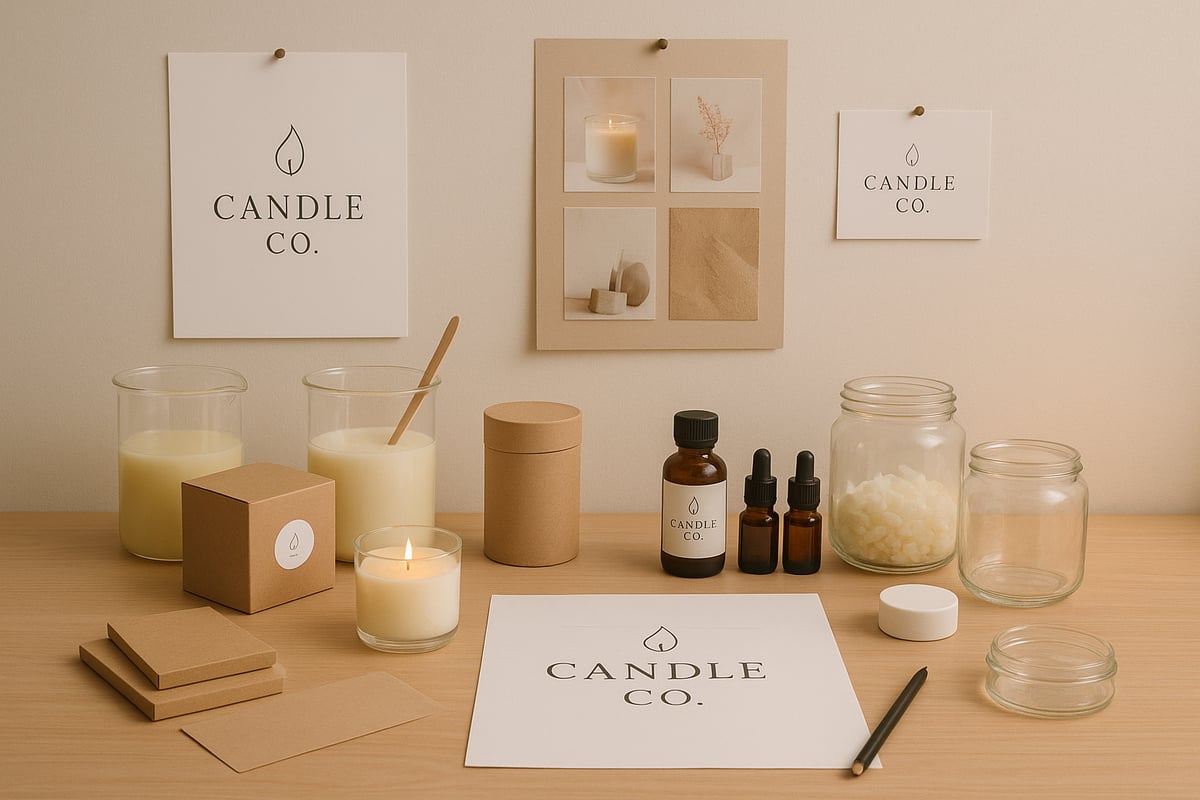
Step 1: Market Research and Positioning
Every candle company begins with understanding its market. Start by identifying your core audience, such as home fragrance lovers, gift buyers, or wellness seekers. Study their preferences using surveys, social listening, and sales data. This reveals which trends—like eco-friendly ingredients or bespoke scents—are most in demand.
Analyse your competitors. What are their strengths and gaps? Use this information to craft your unique selling proposition. For example, if most brands focus on mass-market scents, consider a candle company specialising in locally inspired fragrances.
Validate your product-market fit by testing concepts and gathering feedback before committing to full-scale production. Solid research ensures your candle company launches with confidence.
Step 2: Product Development and Scent Creation
Exceptional product development is the heart of any candle company. Source premium, natural waxes such as soy, rapeseed, or coconut to meet consumer expectations for sustainability. Work with reputable fragrance houses or develop your own signature blends, drawing inspiration from local botanicals or seasonal trends.
Begin small-batch testing to perfect your scents and burn quality. Gather feedback through sample giveaways or focus groups, refining your formulas based on real consumer input. Many successful candle company founders develop bespoke scents for corporate gifting or special events, which can set your brand apart.
Document each step of your process to maintain consistency and ensure traceability. This attention to detail builds trust with your audience and helps your candle company scale effectively.
Step 3: Branding and Packaging
Branding is where your candle company’s personality shines. Start by crafting a compelling brand story that reflects your values, heritage, and mission. A memorable narrative helps customers connect emotionally with your products.
Design a visual identity that stands out on both shelves and social media feeds. Invest in packaging that is not only attractive but also functional and sustainable. Consider recyclable, biodegradable, or refillable packaging options to appeal to eco-conscious buyers.
Packaging should enhance the gifting experience—a key driver for many candle company purchases. Include thoughtful details like branded tissue, care cards, or personal notes. These elements elevate your brand and encourage repeat business.
Step 4: Legal, Compliance, and Insurance
Compliance is non-negotiable for any candle company operating in the UK or EU. Adhere to all safety, labelling, and allergen disclosure laws, such as CLP (Classification, Labelling and Packaging) regulations. Proper documentation and batch numbering are essential for traceability and product recalls.
Secure comprehensive business insurance, covering product liability and intellectual property protection. This safeguards your candle company against unforeseen risks.
For practical guidance on compliance and best practices, consult the Candle care and safety guide. Staying ahead of regulatory changes not only protects your business but also reassures customers about product safety.
Step 5: Pricing and Profit Margins
Setting the right price is crucial for your candle company’s profitability. Begin by calculating your total cost of goods sold (COGS), including wax, fragrance, wicks, jars, packaging, and labour. Factor in overheads such as rent, marketing, and insurance.
Establish both retail and wholesale pricing structures. For example, artisan candles in the UK typically retail between £20 and £35. Wholesale margins often range from 30% to 50%. Use a table to compare your pricing with competitors and ensure you remain attractive to buyers.
| Pricing Element | Typical Range (UK) | Your Cost |
|---|---|---|
| Retail Price | £20 - £35 | |
| Wholesale Margin | 30% - 50% | |
| COGS per Candle | £5 - £12 |
Regularly review your margins to account for fluctuations in raw material costs or new market opportunities.
Step 6: Launch Strategy
A successful launch sets the tone for your candle company’s future. Build anticipation through pre-launch teasers, sampling campaigns, and engaging social media content. Share behind-the-scenes glimpses of your process to foster authenticity.
Leverage e-commerce platforms and optimise your website for seamless shopping. Consider in-person events, pop-up shops, or collaborations with local boutiques to reach new audiences. Gathering feedback during the launch phase allows your candle company to refine its approach and strengthen customer relationships.
A well-executed launch positions your candle company for long-term growth and brand loyalty.
Manufacturing Excellence: Quality, Scale, and Sustainability
Manufacturing excellence is the cornerstone of every thriving candle company. In 2026, achieving consistent quality, operational efficiency, and sustainability is not only a competitive advantage but also a necessity. Whether you are refining your artisan process or preparing to scale, mastering these pillars will position your candle company for long-term success.

Sourcing and Supply Chain Best Practices
For any candle company, sourcing reliable, sustainable materials is the foundation of quality. Partner with suppliers who prioritise ethical harvesting of soy, coconut, or rapeseed waxes. Ensure fragrance oils are phthalate-free and sourced from reputable producers.
Inventory management is crucial, especially during seasonal peaks. Use forecasting tools to anticipate demand and avoid shortages or surplus. Build strong relationships with local suppliers to reduce lead times and support regional economies.
Consider the trade-offs between local and global sourcing. Local procurement often means fresher ingredients and lower transport emissions. However, global suppliers may offer cost advantages or unique raw materials. Every candle company must assess these factors based on their brand’s values and customer expectations.
Production Methods and Innovation
Choosing the right production method is essential for the efficiency and identity of your candle company. Hand-pouring allows for artisanal quality and small-batch exclusivity, ideal for bespoke collections. Automated production, on the other hand, offers scalability and consistency for larger batches.
Quality control should be embedded at every stage. Test wax blends for optimal burn, check wick placement, and inspect finished candles for defects. Document procedures to maintain standards as your team grows.
Stay ahead by adopting new technologies. Scent diffusion innovations and clean-burning formulations are gaining traction. Experiment with unique vessel designs or smart features, such as wooden wicks or embedded botanicals, to differentiate your candle company.
Sustainability and Eco-Friendly Operations
Sustainability is now a central expectation for any leading candle company. Reduce your carbon footprint by selecting biodegradable packaging, recyclable glass jars, and refillable containers. Incorporate renewable energy in your production facility if possible.
Many companies now offer candle refills or recycling schemes, encouraging customers to return or repurpose jars. These initiatives strengthen your eco-friendly brand credentials and foster loyalty.
For a deeper dive into sustainable materials and methods, explore sustainable practices in candle manufacturing. Embracing these strategies not only meets regulatory requirements but also aligns with the growing eco-conscious consumer base.
Scaling Production Responsibly
As your candle company grows, scaling must not compromise quality or brand ethos. Decide whether to outsource production or invest in expanding your in-house team. Outsourcing can increase capacity quickly, but maintaining artisan quality requires careful partner selection and oversight.
To preserve consistency, implement robust training and quality assurance processes. Monitor every batch for adherence to your standards, even as production volumes rise.
Anticipate and plan for disruptions, such as supply chain delays or regulatory changes post-Brexit. Agile operations and diversified sourcing help your candle company remain resilient and competitive in a dynamic market.
Branding, Storytelling, and Customer Loyalty
Creating a successful candle company in 2026 means building more than just a product line. Today’s consumers are drawn to brands with a clear identity, compelling stories, and a commitment to customer relationships. By weaving these elements together, your candle company can stand out in a crowded market and inspire loyalty that lasts.
Building a Distinctive Brand Identity
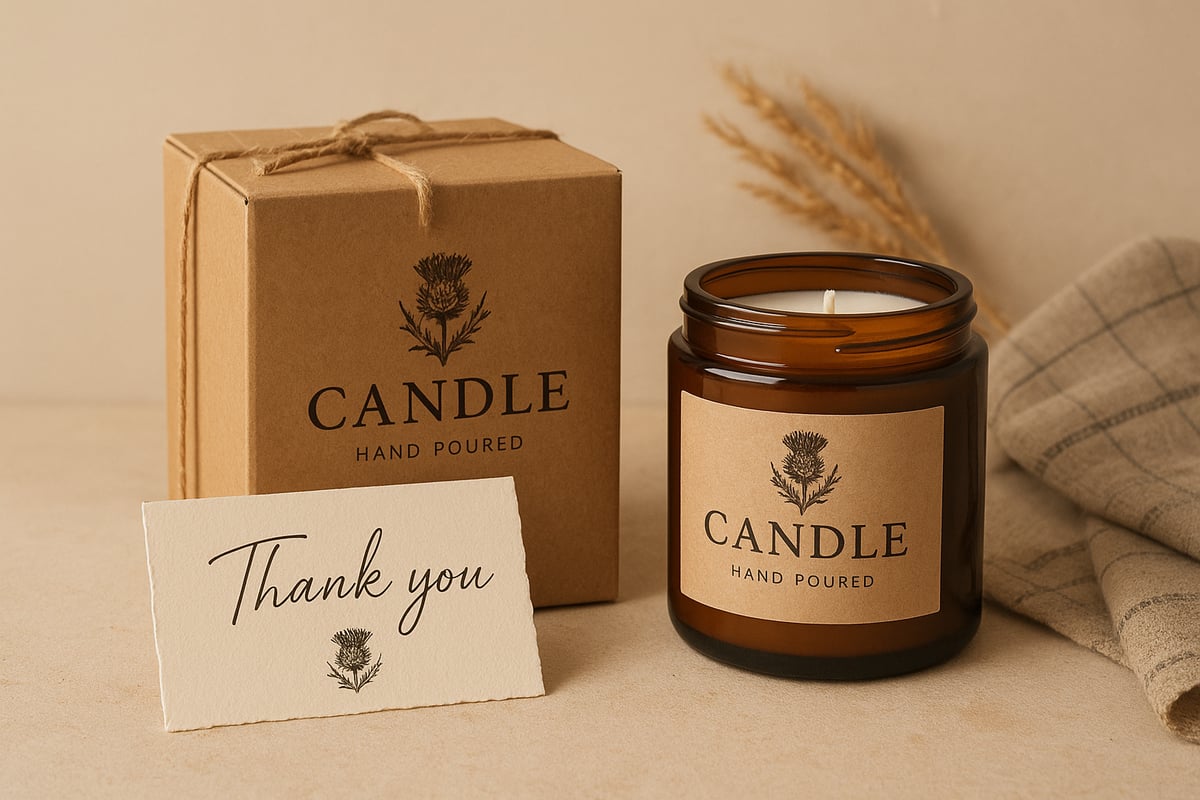
A candle company thrives when its brand identity is authentic, memorable, and aligned with its values. Start by defining your story—what inspires your scents, your packaging, and your mission? Consider how local heritage, such as Scottish landscapes or traditions, can shape your visual identity and product design.
Key elements of a strong candle company brand include:
- A unique logo and colour palette
- Consistent tone of voice across all platforms
- Packaging that reflects both luxury and sustainability
For inspiration, explore how artisan founders share their journey and ethos in the Meet the Maker: Love Scottish feature, where authenticity and craftsmanship are at the core of their candle company.
Engaging Customers Through Storytelling
Storytelling transforms a candle company from a simple product provider into an experience creator. Share the journey behind each scent, the sourcing of ingredients, and the creative process. Use social media to post behind-the-scenes content, founder interviews, and the inspiration for seasonal collections.
Effective storytelling methods for a candle company include:
- Descriptive product narratives that evoke emotion
- Blog posts or newsletters detailing scent creation
- Customer testimonials that highlight the impact of your candles
By weaving these stories into every touchpoint, your candle company builds emotional connections that foster long-term interest and brand recall.
Creating a Premium Unboxing Experience
The unboxing moment is a powerful opportunity for any candle company to leave a lasting impression. Thoughtful packaging, branded inserts, and personal touches like handwritten notes elevate the customer experience and encourage social sharing.
Consider the following to enhance your candle company’s unboxing:
- Eco-friendly and visually appealing packaging
- Scented tissue, ribbon, or wax seals for a tactile experience
- Custom thank you cards with exclusive discount codes
A memorable unboxing ritual not only delights customers but also drives word-of-mouth referrals and repeat business for your candle company.
Fostering Customer Loyalty and Community
Building loyalty is essential for a candle company to achieve sustainable growth. Launch loyalty programmes that reward repeat purchases, and offer subscription boxes for regular scent discoveries. Encourage customers to share their experiences online using branded hashtags and feature their content on your platforms.
Ways to strengthen your candle company’s community:
- Exclusive previews for loyal customers
- Collaborations with local artisans or influencers
- Engaging events, both online and in-person
With 40% of candle buyers returning for repeat purchases, investing in loyalty and community will ensure your candle company remains top of mind for years to come.
Marketing Mastery: Digital, Retail, and Wholesale Channels
In the rapidly evolving market, a candle company must master a blend of digital, retail, and wholesale marketing strategies to stand out in 2026. With consumer habits shifting and competition intensifying, a well-rounded approach is essential for long-term growth and resilience.
Digital Marketing Strategies for 2026
For any candle company, digital marketing is the engine that drives brand visibility and customer engagement. Social media platforms such as Instagram, TikTok, and Pinterest are essential for showcasing product visuals, behind-the-scenes stories, and customer testimonials. These channels are ideal for building communities and encouraging user-generated content.
Influencer partnerships help amplify your reach, especially when working with creators who align with your brand values. Content marketing, including blogs and SEO-optimised product pages, improves discoverability and builds trust with potential buyers. Investing in search engine optimisation ensures that your candle company appears in front of those actively searching for quality candles or unique scents.
By staying ahead of digital trends, a candle company can create meaningful touchpoints at every stage of the customer journey.
E-commerce and Website Optimisation
A seamless online shopping experience is vital for converting browsers into loyal customers. Your candle company should invest in an intuitive website layout, fast load times, and clear product descriptions with enticing imagery. Features like one-click checkout, wish lists, and robust search functions streamline the path to purchase.
Conversion rate optimisation tactics, such as abandoned cart recovery emails and exit-intent popups, help recover lost sales and boost revenue. International shipping options and localised content can expand your audience beyond the UK, capturing new markets efficiently.
Optimising the e-commerce journey not only increases direct sales but also reinforces your candle company’s reputation for professionalism and customer care.
Retail Partnerships and Pop-Ups
Retail and in-person experiences remain powerful for a candle company looking to build trust and brand presence. Approaching boutiques, gift shops, and department stores opens doors to new customer segments. Artisan markets and pop-up events provide opportunities to interact directly with buyers, gather feedback, and generate local buzz.
According to recent data, pop-ups increase brand awareness by 25% on average, making them a strategic tool for testing new products or regions. Creating memorable displays and offering exclusive event-only scents can further enhance engagement.
Diversifying into retail channels ensures your candle company is visible both online and in the physical spaces where customers love to shop.
Wholesale and Private-Label Opportunities
Expanding into wholesale and private-label markets is a proven way for a candle company to scale. Developing trade accounts with retailers, spas, and corporate clients provides steady, recurring revenue streams. Customising products for events or gifting builds strong B2B relationships and establishes your brand as a versatile partner.
For those ready to grow, exploring wholesale candle and diffuser opportunities can unlock new avenues for expansion and collaboration. This approach allows your candle company to reach wider audiences while maintaining control over quality and branding.
Building a robust wholesale strategy positions your candle company for sustainable, long-term success in a competitive marketplace.
Scaling and Innovating for Long-Term Success
Staying ahead in the candle company sector means more than just keeping pace. It requires a forward-thinking approach, strategic diversification, and a commitment to ongoing improvement. Here is how you can scale and innovate for lasting success.
Diversifying Product Lines and Revenue Streams
To future-proof your candle company, consider expanding beyond traditional candle products. Introducing items like diffusers, wax melts, and home accessories can attract new customers and encourage repeat purchases. Limited edition collections or seasonal releases create excitement and urgency.
The trend of candles serving as both functional and decorative items is gaining traction. By exploring candle design as functional décor, your candle company can stand out in a crowded market. Subscription boxes are another excellent way to generate recurring revenue and deepen customer relationships.
Adapting to consumer preferences ensures your offerings remain relevant and appealing.
Embracing Technology and Data
Leveraging technology is essential for a candle company aiming to scale. Data analytics tools can help you monitor sales trends, forecast demand, and optimise inventory levels. Implementing a CRM system allows for personalised marketing, increasing customer retention and satisfaction.
Digital solutions also streamline order management, making it easier to handle both retail and wholesale operations. By using these tools, your candle company can make informed decisions and stay agile in a rapidly changing environment.
Investing in technology not only improves efficiency but also positions your business for sustainable growth.
International Expansion and Export Strategy
Expanding into international markets can unlock significant growth for your candle company. Begin by researching export regulations and logistics for your target regions. Adapting your products to suit local preferences and regulatory requirements is vital when entering new markets.
Consider starting with neighbouring countries or markets with similar consumer behaviour. Establishing reliable partnerships and logistics channels ensures a smooth export process. Many UK-based candle companies have found success exporting to the EU and US, even post-Brexit.
International expansion diversifies your revenue streams and reduces dependence on the domestic market.
Continuous Improvement and Innovation
Long-term success for any candle company depends on a culture of continuous improvement. Regularly seek feedback from customers to refine your products and services. Attending trade shows and industry events keeps you informed about trends and new technologies.
Investing in research and development enables you to introduce innovative scent technologies or eco-friendly initiatives. For ongoing business insights and support, the Show Up Go Up: Candle Business Blog offers valuable tips tailored for candle makers.
By prioritising learning and adaptation, your candle company will remain competitive and resilient in the years ahead.
Having explored the proven strategies behind candle company success and the importance of blending tradition with innovation, you can see just how powerful a unique, locally inspired scent can be—especially when it comes to seasonal opportunities. At Love Scottish, we bring this expertise to life with our hand poured, bespoke candles that capture the spirit of Scotland. If you’re inspired to experience the difference that quality craftsmanship and creative fragrance development make, I invite you to discover our festive collection. Treat yourself, or find the perfect gift, and Shop Christmas Candles for a truly memorable sensory experience.