

Cashmere Made in Scotland: The Essential Guide for 2026
Step into the world of cashmere made in scotland, renowned as the ultimate benchmark for luxury and expert craftsmanship.
This essential 2026 guide is your gateway to understanding what sets Scottish cashmere apart, from its legendary heritage to the secrets behind its enduring appeal.
Uncover the fascinating journey of Scottish cashmere, from historic mills to sustainable innovation, alongside practical tips for identifying authentic pieces and making wise investments.
Whether you seek tradition, quality, or modern style, discover how to choose and care for a piece that will last a lifetime.
Written by Lesley Landels, Director of Love Scottish and of Hawico, the Hawick cashmere mill established in 1874.
The Heritage of Scottish Cashmere
Scotland's reputation for fine textiles is legendary, but few materials rival the prestige of cashmere made in scotland. This heritage is rooted in centuries of innovation, artistry, and commitment to excellence. Understanding this unique history reveals why Scottish cashmere is synonymous with luxury and authenticity.

The Origins of Cashmere in Scotland
The story of cashmere made in scotland begins in the early 19th century, when traders first brought luxurious cashmere fibres from the East to Scottish shores. The Scottish Borders, particularly Hawick, quickly became the heart of the nation's cashmere industry. Local mills harnessed the region's pure water and cool climate, which proved ideal for washing and working with delicate fibres.
Hawico is one of the mills that built this reputation, founded in Hawick in 1874 as the Hawick Hosiery Company. The mill has operated from the same town for over 150 years, refining the weaving and dyeing techniques that became hallmarks of Scottish craftsmanship. Their meticulous attention to detail ensured every piece of cashmere made in scotland was soft, resilient, and richly coloured.
Signature methods, like hand-combing and unique dye palettes, became hallmarks of Scottish craftsmanship. The region's expertise extended beyond cashmere, as seen in the enduring tradition of Scottish heritage wool throws, which showcase similar artisanal skills and dedication.
Hawick and its neighbouring towns emerged as global centres for cashmere made in scotland, driving export growth throughout the 20th century. By the 1970s, Scottish cashmere exports had increased dramatically, reaching markets across Europe, the USA, and Japan. This remarkable rise was built on a foundation of heritage, innovation, and relentless pursuit of quality — read more about that journey on Hawico's own heritage page.
Scottish Cashmere's Global Reputation
Today, cashmere made in scotland is recognised worldwide as a symbol of quality and authenticity. The "Made in Scotland" label instantly conveys trust, with discerning customers seeking out Scottish cashmere for its unrivalled softness and craftsmanship.
International demand remains strong, with the USA, Japan, and Europe as leading markets for Scottish cashmere made in scotland. Hawick mills such as Hawico have dressed royalty and been retailed internationally, further cementing Scotland's reputation at the top of the industry.
Celebrities and style icons frequently choose cashmere made in scotland for its elegance and enduring appeal. Compared to cashmere from Mongolia or Italy, Scottish cashmere stands out due to its centuries-old manufacturing tradition and consistently high standards.
Iconic items, like the classic Scottish cashmere jumper, have featured in films and on runways, reinforcing the garment's place in pop culture. This global recognition is a testament to the heritage, skill, and passion behind every piece of cashmere made in scotland.
The Cashmere Production Process in Scotland
The journey of cashmere made in scotland is a testament to uncompromising quality and enduring tradition. From the selection of the world's finest fibres to the integration of cutting-edge techniques and sustainable practices, every stage is carefully crafted to deliver true luxury. Let us explore how Scottish artisans transform raw cashmere into the cherished garments admired worldwide.

Sourcing the Finest Raw Materials
Cashmere made in scotland begins with the meticulous selection of raw fibres. Scottish mills primarily source their cashmere from Mongolia and China, two regions renowned for producing exceptionally soft, long, and fine fibres. The quality of these fibres is critical, as it determines the texture, warmth, and durability of the finished product.
Artisans pay close attention to the length, diameter, and purity of each batch. Only fibres that meet strict standards are chosen for cashmere made in scotland, ensuring unmatched softness and longevity. Ethical sourcing is equally vital, with many Scottish mills adhering to animal welfare guidelines and maintaining close relationships with trusted suppliers.
Sustainability and transparency are becoming increasingly important in the sourcing process. A growing number of Scottish mills hold certifications for responsible sourcing, reflecting a commitment to both product quality and environmental stewardship. This careful approach to material selection is the foundation of cashmere made in scotland, setting it apart in the global market.
Traditional and Modern Manufacturing Techniques
The transformation of fibres into luxurious garments is a blend of heritage and innovation. Cashmere made in scotland is renowned for its traditional hand-combing, sorting, and grading techniques, which ensure only the best fibres advance through production. Scottish mills have refined their spinning and weaving methods over generations, resulting in a signature drape and feel unique to the region.
Dyeing is another area where Scottish expertise shines. Mills use both natural and synthetic dyes, with signature Scottish palettes that reflect the country's landscape. Advanced technology has been integrated into many stages, from automated spinning to precision weaving, enhancing efficiency without sacrificing the artisan touch. Hawico describes its own approach as blending generational skill with modern seamless knitting and advanced technology.
Quality control is rigorous at every step. Each piece of cashmere made in scotland undergoes multiple inspections, from the initial spinning to the final finishing touches. For example, the journey of a cashmere jumper might involve as many as 25 separate quality checks, ensuring the garment meets the highest standards. This dedication to craft and innovation cements Scotland's reputation as a leader in luxury textiles.
Sustainability and Innovation in 2026
Sustainability is now central to the production of cashmere made in scotland. Mills are investing in eco-friendly practices, such as reducing water consumption, using renewable energy, and minimising waste. The rise of recycled cashmere and closed-loop manufacturing systems is making a significant impact, helping to reduce the industry's environmental footprint.
Certifications and clear sustainability commitments are becoming standard, reassuring consumers about the ethical and ecological credentials of cashmere made in scotland. Transparency and traceability are key demands from modern shoppers, driving brands to offer detailed insights into their supply chains — see Hawico's sustainability commitments for an example of how a working Hawick mill is adapting.
Innovation extends beyond sustainability. Mills are experimenting with new blends, digital design tools, and advanced recycling processes to create even more luxurious and responsible products. As a result, cashmere made in scotland continues to set global standards for both quality and responsible manufacturing.
Identifying Authentic Scottish Cashmere
Scottish cashmere is celebrated for its unrivalled softness and luxury, but with global demand rising, distinguishing genuine cashmere made in scotland from imitations is more vital than ever. Discerning buyers should understand how to verify authenticity to ensure their investment delivers both quality and heritage.
Hallmarks of Genuine Scottish Cashmere
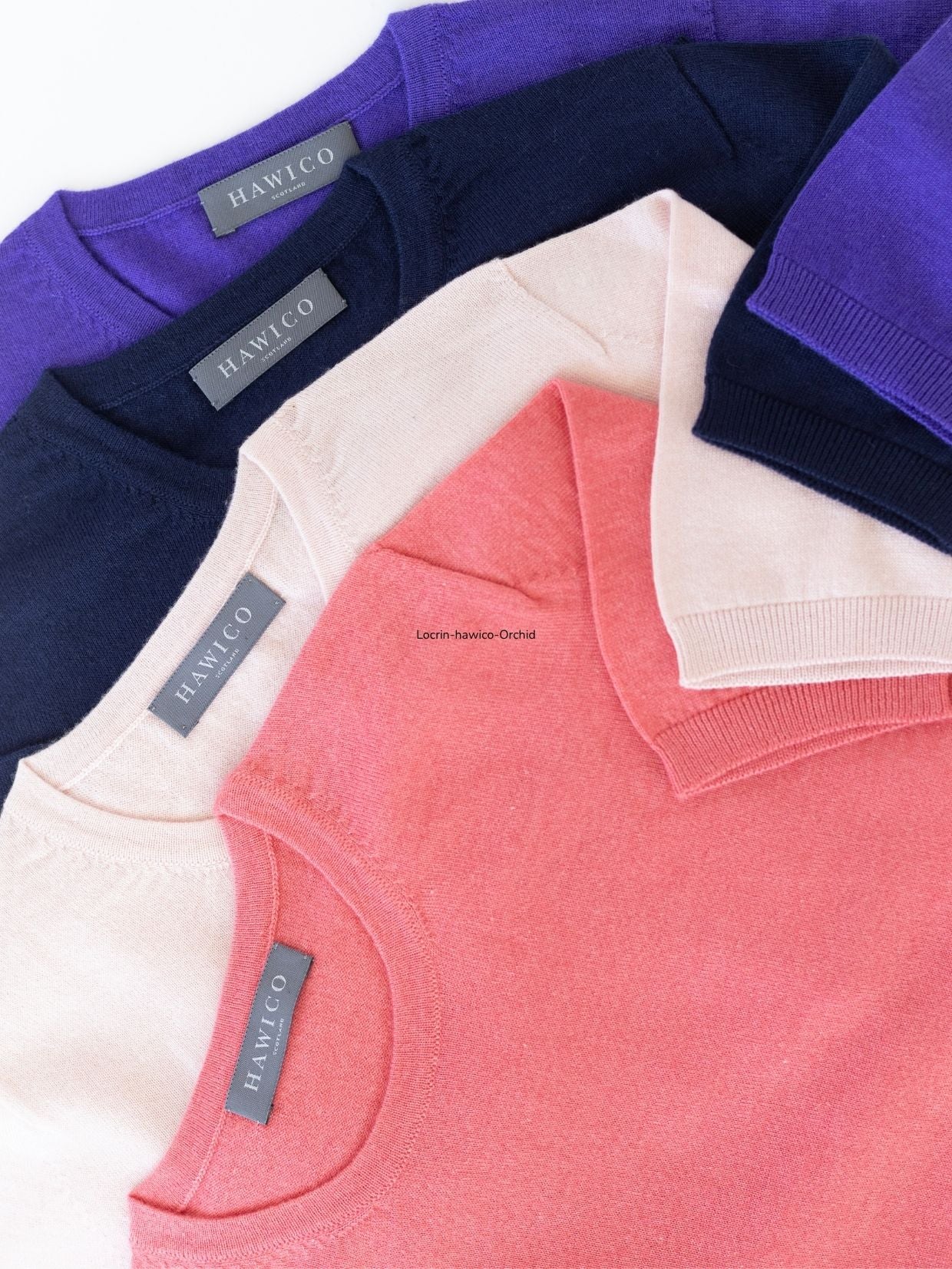
Authentic cashmere made in scotland is defined by several distinctive features. First, look for official labels such as the "Scottish Cashmere" trademark or the names of renowned mills. These labels are a sign of strict quality control and traceability, giving you confidence in your purchase.
When handling genuine cashmere made in scotland, note its exceptional softness, warmth, and subtle weight. The fibres are long and fine, resulting in a smooth drape and a gentle sheen. Examine the weave for evenness and consistency, as Scottish mills are known for their meticulous finishing. Signature Scottish patterns, such as classic tartans or subtle colour blends, also signal authenticity.
Provenance is key. Established Scottish mills pride themselves on a heritage of craftsmanship, often passed down through generations. Products from trusted names, such as those highlighted on Hawico's sustainability page, exemplify ethical sourcing and the highest standards of production. Comparing authentic and imitation cashmere made in scotland, you'll notice that fakes may feel coarse, lack clear labelling, or show uneven stitching. Always check for these hallmarks before making a purchase.
Common Pitfalls and How to Avoid Them
The popularity of cashmere made in scotland has led to a surge in counterfeits. Be wary of deals that seem too good to be true, as suspiciously low prices often signal inferior blends or mislabelled products. Vague origin claims or the absence of mill documentation are also major red flags.
To safeguard your investment, always check for proper certification and documentation. Trusted retailers and direct-from-mill purchases offer greater assurance of authenticity. Research shows that counterfeit cashmere can account for a significant share of the global market, so diligence is crucial.
When shopping online for cashmere made in scotland, stick to official brand websites or well-established marketplaces. Review product descriptions for specific mill details and ask for proof of authenticity if in doubt. For extra peace of mind, consider buying directly from Scottish mill shops or boutiques, where staff can provide expert guidance.
In summary, identifying authentic cashmere made in scotland requires attention to detail, knowledge of reputable brands, and a careful eye for quality. By following these guidelines, you can confidently enjoy the luxury and heritage that only true Scottish cashmere offers.
Scottish Cashmere Brands to Watch in 2026
Scottish cashmere brands are renowned for their dedication to quality, artistry, and innovation. As the demand for cashmere made in scotland continues to rise, both heritage houses and new designers are shaping the industry's future. In 2026, Scotland stands as a beacon of luxury, with brands that blend tradition and modernity.

Established Heritage Brands
The legacy of cashmere made in scotland is deeply rooted in its historic brands. Hawico is one of them: founded in Hawick in 1874 as the Hawick Hosiery Company, it went on to earn international recognition and royal patronage through the 20th century, and its mill in the town is still operating today. Names such as Hawico have set the global standard for luxury knitwear from the same corner of the Scottish Borders for a century and a half.
Heritage brands like Hawico are celebrated for their signature collections of scarves, wraps, and tailored garments, built on traditional techniques from hand-combing to multi-stage finishing. Their commitment to craftsmanship ensures every piece of cashmere made in scotland is both soft and enduring.
Heritage brands often release limited-edition collections, drawing inspiration from the Scottish landscape and history. Their best-selling products, such as classic cashmere and silk scarves, remain popular among discerning customers. These brands are continually recognised for sustainability, innovation, and craftsmanship.
Craftsmanship is at the heart of every product, with a focus on quality control, ethical sourcing, and sustainable practices. The enduring popularity of cashmere made in scotland further cements Scotland's reputation as a global luxury leader.
Emerging Designers and New Players
A new wave of talent is redefining cashmere made in scotland for 2026. Start-ups and independent designers are bringing fresh perspectives, blending contemporary design with traditional skills. These brands are known for their bold colours, innovative patterns, and commitment to ethical manufacturing.
Sustainability is a core value for many emerging labels, and it's just as visible among the historic mills reinventing themselves for a new generation. Hawico's own bespoke cashmere service is a good example — pairing a 150-year-old mill's know-how with made-to-order pieces for today's buyers.
Standout collections in 2026 include gender-neutral garments, customisable accessories, and limited runs that highlight local artistry. The growth in new start-ups has contributed to a vibrant, competitive landscape, ensuring cashmere made in scotland remains at the forefront of global trends. Innovation, transparency, and respect for heritage are the hallmarks of these rising stars.
How to Buy and Care for Scottish Cashmere
Investing in cashmere made in scotland is a decision rooted in both luxury and longevity. To ensure you select the finest pieces and enjoy them for years, understanding where to buy and how to care for your garments is essential. This section guides you through the best practices for sourcing and maintaining your cashmere made in scotland, helping you make the most of your investment.
Where and How to Buy Authentic Scottish Cashmere in 2026
When shopping for cashmere made in scotland, begin by exploring Scotland's renowned mill shops and boutiques. Towns like Hawick are home to historic mills that offer direct-from-source garments. Visiting these locations allows you to experience the craftsmanship firsthand and receive expert advice from staff.
For those unable to travel, many brands have official websites and trusted online platforms. Look for clear information about product origin, mill reputation, and detailed photos. Authentic cashmere made in scotland should always display a label denoting its Scottish origin and, where possible, information about the mill.
Bespoke options are increasingly popular in 2026. Hawico, among other Scottish mills, offers customisation, from selecting your preferred yarn colour to personalising fit and detailing. This service is ideal for those seeking a truly unique piece.
When buying online, prioritise official brand websites or reputable marketplaces with transparent return policies. Always check for authenticity certificates and read customer reviews for peace of mind. If shipping internationally, research taxes and duties to avoid unexpected costs.
A step-by-step approach to purchasing:
- Research reputable Scottish mills and brands.
- Confirm authenticity through labels and documentation.
- Compare product details, such as weave, weight, and finish.
- Verify return policies and international shipping terms.
- Make your purchase through a trusted channel.
For example, exploring collections like The Isle Mill Remony throws can introduce you to genuine Scottish luxury textiles and inspire confidence in your selection process.
Caring for Your Cashmere: Maintenance and Longevity
Proper care is crucial to preserving the softness, shape, and beauty of cashmere made in scotland. Always hand wash your garments in lukewarm water using a mild detergent specifically formulated for wool. Gently squeeze out excess water without wringing, then lay flat on a towel to dry, away from direct sunlight.
Store your cashmere made in scotland folded in a breathable cotton bag or drawer, never on a hanger, to prevent stretching. Use lavender sachets or cedar blocks to deter moths naturally. If pilling occurs, a cashmere comb can help gently remove surface fuzz without damaging the fibres.
For the full routine, Hawico set out their own cashmere care guide, covering washing, storage, and repair for a mill-made garment.
Professional cleaning is recommended for heavy stains or delicate knits, but most routine care can be managed at home. By following these steps, the average lifespan of well-maintained cashmere made in scotland pieces can exceed a decade, making them a sustainable and valuable wardrobe investment.
The Future of Scottish Cashmere: Trends and Innovations
What does the future hold for cashmere made in scotland? As we look ahead to 2026, the industry stands at a crossroads of tradition and innovation. Scottish mills are weaving a new narrative, where heritage meets high-tech, and sustainability is not just a trend but an expectation. Let's explore how cashmere made in scotland is set to evolve, adapt, and thrive in the coming years.
Evolving Consumer Preferences in 2026
In 2026, consumers of cashmere made in scotland are more informed and discerning than ever. They seek full transparency, demanding to know the origin of fibres, the ethics behind sourcing, and the environmental footprint of every garment. This shift has prompted brands to offer detailed traceability, from Mongolian herders to Scottish looms.
Another notable trend is the appetite for gender-neutral and size-inclusive designs. The new generation of buyers values individuality, and cashmere made in scotland is responding with collections that transcend traditional categories. Expect to see capsule wardrobes, adaptable fits, and a broader spectrum of colours.
Global fashion trends also play a role. While classic tartans and neutral shades endure, bold hues and innovative textures are emerging. Scottish brands now collaborate with international designers, ensuring that cashmere made in scotland remains relevant on runways from Paris to Tokyo.
Technological Advancements and Digital Transformation
Technology is reshaping every aspect of cashmere made in scotland. Mills are investing in digital design tools that allow for precise pattern creation and customisation. 3D knitting technology reduces waste by producing seamless garments, while also enabling intricate, bespoke designs at scale.
Traceability technology is being deployed to ensure transparency and combat counterfeiting, giving buyers confidence in authenticity. Virtual try-on experiences, powered by augmented reality, are now common on brand websites, allowing customers worldwide to visualise fit and style before purchasing.
This digital transformation not only enhances consumer trust but also streamlines production, reducing errors and improving quality. As a result, the reputation of cashmere made in scotland for excellence is reinforced in both traditional and tech-savvy markets.
Sustainability as Standard
Sustainability is now the baseline for cashmere made in scotland. Scottish mills are leading the way by embracing circular fashion principles, prioritising recycled and upcycled cashmere fibres. Closed-loop systems ensure that production waste is minimised and repurposed, reducing the environmental impact.
Clear sustainability commitments are widely adopted, signalling to consumers that cashmere made in scotland meets stringent ecological and ethical standards. Community initiatives are also on the rise, with brands supporting local conservation efforts and ethical herding practices.
If you are interested in exploring premium Scottish textiles that reflect these values, the Lovat wool throw collection offers a fine example of quality and sustainability. The drive for responsible production ensures that the legacy of cashmere made in scotland endures for generations to come.
Economic and Social Impact
The economic and social footprint of cashmere made in scotland is significant. The sector supports rural communities, offering skilled employment and sustaining family-owned mills that have operated for centuries, including Hawick mills like Hawico that are still trading from the town where they started. Training and apprenticeship programmes are expanding, nurturing the next generation of artisans.
Export growth remains robust, with cashmere made in scotland highly prized in markets such as the USA, Japan, and Europe. The industry's focus on quality and innovation has helped Scotland maintain its status in the global luxury market.
Beyond economics, cashmere made in scotland fosters community pride and cultural heritage. As sustainability and innovation become standard, these values are woven into the very fabric of Scottish society, ensuring resilience in a rapidly changing world.
What to Expect: Scottish Cashmere in 2026 and Beyond
Looking ahead, the future of cashmere made in scotland is both exciting and complex. Expect to see a blend of timeless elegance and contemporary flair, with designers experimenting with new textures, eco-friendly dyes, and modular garments. The balance between tradition and modernity will define collections, appealing to both loyal clients and a new generation of luxury consumers.
Colour palettes will evolve, with earthy tones and vibrant pops sitting alongside classic Scottish motifs. Product innovation is set to accelerate, as mills leverage technology and sustainable materials to create unique offerings. The industry will face challenges, such as climate change and global supply chain disruptions, but its commitment to quality and adaptability will remain unwavering.
In summary, cashmere made in scotland is poised for a new era, where heritage craftsmanship, technological innovation, and environmental stewardship are inseparable. For those seeking investment pieces that embody both tradition and progress, there has never been a more promising time to explore cashmere made in scotland.
As we embrace the legacy and innovation of Scottish cashmere, it is clear how deeply rooted craftsmanship and sensory experience are in Scotland's creative landscape. If the artistry behind cashmere inspires you, you might also appreciate how tradition and creativity come together in other Scottish-made treasures. This season, why not bring a touch of Scottish warmth into your home? Explore our carefully crafted collection and Shop Christmas Candles to experience the same dedication to quality and detail—perfect for gifting or enjoying yourself.