

Made in Scotland Guide: Discover Authentic Scottish Craftsmanship
Step into a world where tradition meets innovation, and discover the enduring spirit behind every product proudly made in scotland. This guide invites you to explore Scotland’s remarkable creative legacy, where centuries-old artistry, passion, and skill shape everything from luxurious textiles to exquisite jewellery and world-renowned food and drink.
Uncover the stories and craftsmanship that define authentic Scottish products. Whether you seek heritage or contemporary design, prepare to be inspired by the makers and brands who capture the true heart and soul of Scotland.
The Heritage of Scottish Craftsmanship
Scotland’s creative legacy is woven deeply into its landscapes, communities, and traditions. The story of what is truly made in scotland begins centuries ago, where artistry, necessity, and identity shaped a nation renowned for its exceptional craft. Today, every piece made in scotland carries echoes of this heritage, blending history and innovation in equal measure.
The Roots of Scottish Craft Traditions
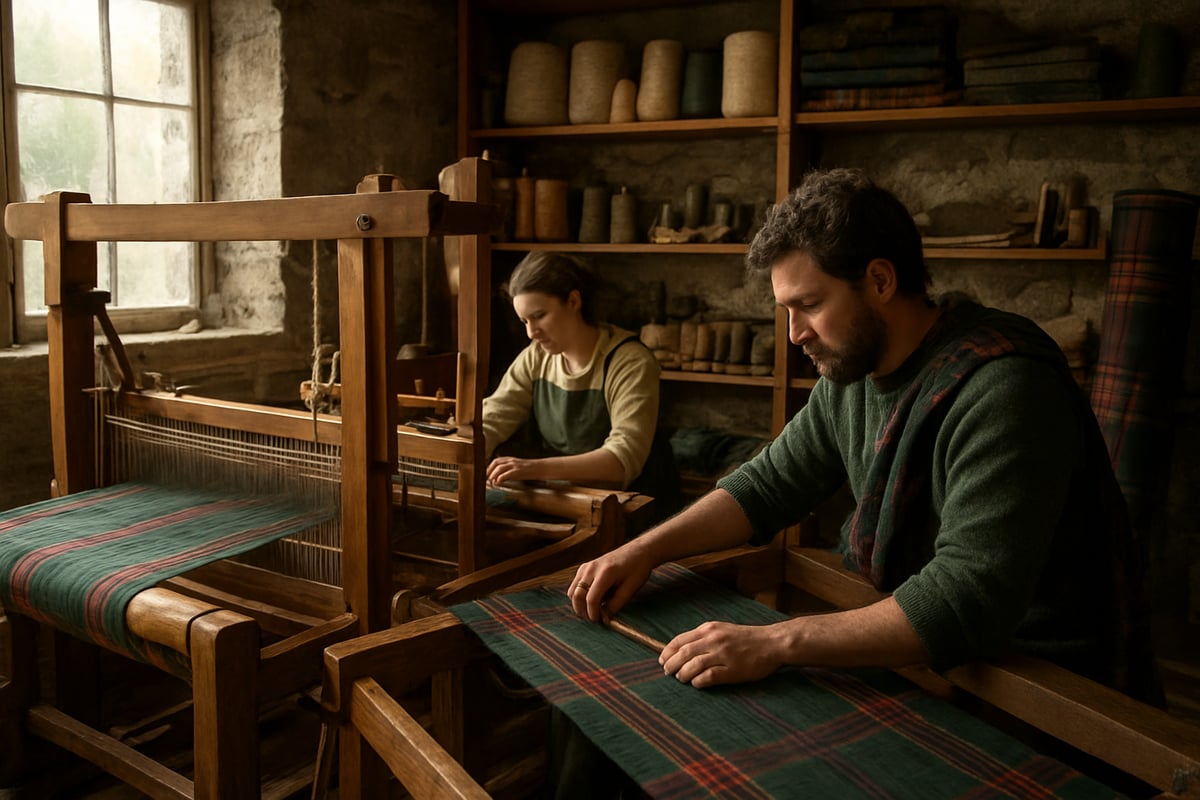
The roots of made in scotland craftsmanship go back to ancient times, shaped by Scotland’s rugged geography and vibrant communities. For generations, clans, castles, and rural settlements fostered skills that became the backbone of Scottish identity. The climate and landscape called for durable materials and practical techniques, leading to the creation of iconic crafts such as Harris Tweed, Highland dress, and intricate Celtic jewellery.
Preservation of traditional methods remains central to what is made in scotland. Weaving, woodwork, metalwork, and pottery have all been handed down through apprenticeships and family-run workshops. These environments allow skills, stories, and secrets to be shared across generations, ensuring authenticity and continuity.
During the Industrial Revolution, Scottish crafts faced immense challenges as mechanisation threatened traditional livelihoods. Yet, many artisans adapted, blending old techniques with new technology. This resilience ensured that crafts like Harris Tweed, with its protected designation, survived and flourished. Today, Harris Tweed stands as a global symbol of made in scotland excellence.
The craft sector’s significance is clear, supporting thousands of jobs and contributing to Scotland’s economy through exports around the world. For a deeper understanding of the craft sector’s impact and employment figures, the Craft Scotland Sector Report 2023 provides a comprehensive overview. Across every region, from the Borders to the Hebrides, the enduring spirit of made in scotland lives on in every woven thread and hand-forged piece.
Modern Revival and Innovation
In recent years, there has been a dynamic revival of made in scotland craftsmanship. Consumers are increasingly seeking handmade, locally produced items that tell a story and reflect genuine heritage. This renewed interest has inspired a new generation of artisans to embrace traditional methods while introducing contemporary design elements.
Support from national initiatives, such as Creative Scotland and Historic Environment Scotland, has played a vital role in this resurgence. These organisations provide resources, funding, and platforms for creative talent, ensuring that made in scotland crafts continue to thrive in a modern context.
Artisans are now experimenting with bold reinterpretations of tartan, innovative ceramics, and textiles that fuse past and present. Workshops and studios across Scotland have become hubs of creativity, where heritage skills meet fresh ideas. The result is a vibrant scene where made in scotland products are both rooted in tradition and forward-looking.
This blend of authenticity and innovation is putting Scottish craftsmanship on the global stage once more. Whether it is a hand-thrown ceramic bowl or a reimagined tartan scarf, each piece reflects the unique journey of made in scotland—one that honours the past while embracing the future.
Iconic Scottish Products: From Tradition to Today
Scotland’s creative identity is woven into every product that carries the “made in scotland” mark. From the rolling Highlands to bustling cities, generations of artisans have crafted treasures celebrated worldwide. This section explores iconic goods that define Scottish craftsmanship, revealing how tradition and innovation come together in every stitch, pour, and design.
Textiles and Tartan: Weaving Scotland’s Story
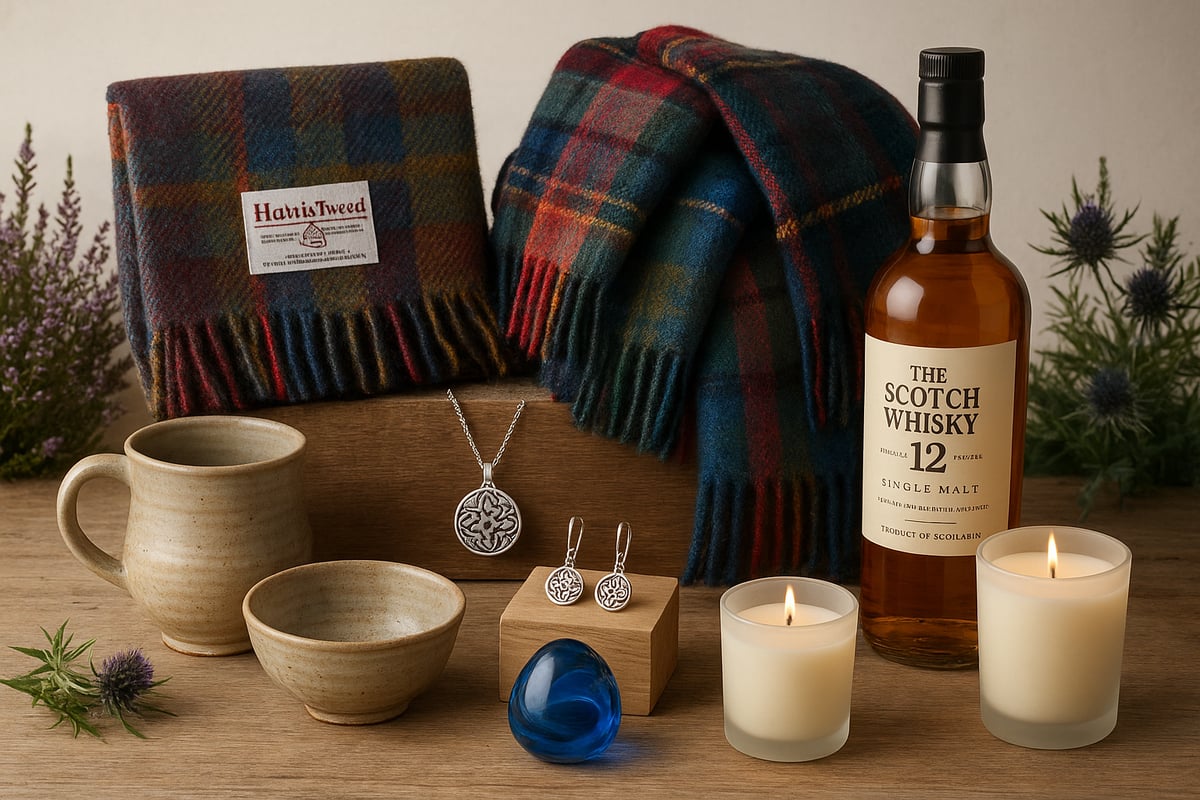
Textiles are at the heart of “made in scotland,” with tartan and tweed as enduring cultural symbols. Tartan patterns, once linked to clans, now express Scottish identity across the globe. Harris Tweed, handwoven in the Outer Hebrides, enjoys protected status, guaranteeing authenticity and quality. Scotland exports over £375 million in textiles annually, reflecting its global influence.
Contemporary designers are reimagining tartan, blending ancient patterns with modern flair. The commitment to traditional methods ensures each piece tells a uniquely Scottish story, while innovation keeps the craft relevant for new generations seeking “made in scotland” excellence.
Jewellery and Silverwork: Celtic Elegance
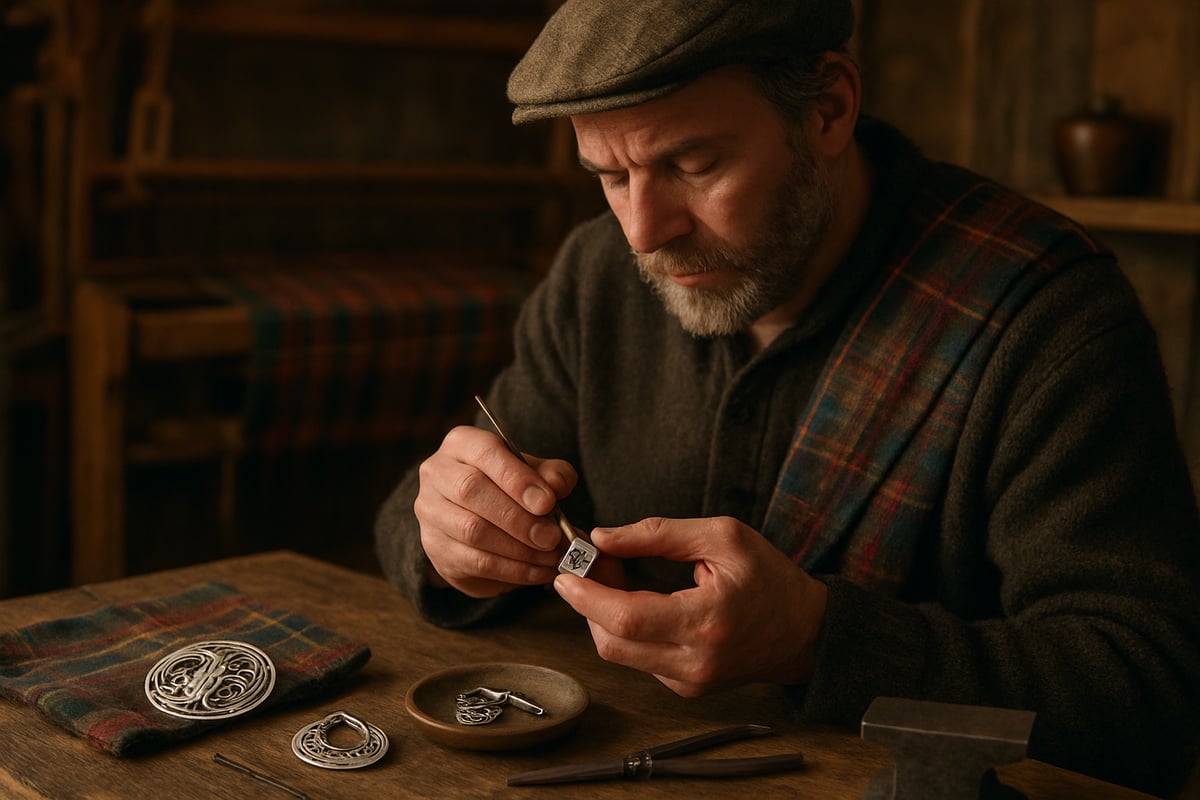
Jewellery crafted in Scotland draws inspiration from rich Celtic heritage. Thistles, intricate knots, and clan symbols feature in both historical and modern designs, making each piece a tangible link to the land. Edinburgh and Orkney remain centres for skilled silversmiths, blending traditional motifs with contemporary artistry.
Modern jewellers often use local materials and draw from folklore, ensuring “made in scotland” jewellery remains both timeless and innovative. Whether it is a brooch, ring, or pendant, these treasures celebrate Scotland’s natural beauty and storied past.
Pottery, Ceramics & Glass: Artistry in Clay and Sand
Scottish pottery and glasswork have long reflected the nation’s creative spirit. Historic potteries produced distinctive wares, while today’s ceramicists experiment with form and glaze, producing hand-thrown and painted pieces. Caithness Glass and Isle of Skye Candle Company are renowned for their artistry, each piece capturing the essence of “made in scotland.”
Fused glass, unique patterns, and regional influences ensure these crafts remain relevant in modern homes. Collectors and enthusiasts value the authenticity and skill behind every item, making Scottish ceramics and glass highly sought after.
Food & Drink: Flavours of Scotland
Few products embody “made in scotland” like Scotch whisky, a global icon with protected status and deep regional roots. Distilleries across the Highlands, Lowlands, and islands produce distinctive flavours, contributing to Scotland’s reputation for quality. According to the Scotch Whisky Economic Impact Report 2024, whisky accounts for over 20 percent of UK food and drink exports, a testament to its worldwide appeal.
Scottish shortbread, oatcakes, preserves, artisan gin, cheese, chocolate, and smoked fish all carry the “made in scotland” hallmark. These foods blend tradition with innovation, offering a taste of Scotland’s rich landscape and heritage.
Home Fragrance & Lifestyle: A Modern Scottish Sensory Experience
A new wave of home fragrance brands is redefining what it means to be “made in scotland.” Artisan candle and scent makers draw on native botanicals, evoking the wild beauty of the Highlands and coasts. Traditional scents such as heather, pine, and sea salt feature in hand-poured candles and diffusers.
These lifestyle products bring a touch of Scotland into homes worldwide. The use of local ingredients and small-batch production ensures every item is authentic, sustainable, and a true reflection of Scottish creativity.
Love Scottish: Artisan Fragrance Rooted in Scottish Tradition
Love Scottish stands as a beacon for “made in scotland” artistry, offering handcrafted candles, wax melts, and reed diffusers. The brand uses natural ingredients and inspiration from Scotland’s landscapes and traditions. Traditional hand-pouring methods combine with innovative scent development, capturing the true essence of Scotland.
Each product is gift-ready, travel-friendly, and available internationally, supporting the global appreciation of Scottish-made goods. Love Scottish is a modern example of how heritage and innovation thrive together in today’s “made in scotland” market.
Discovering Authentic Scottish Makers and Brands
Scotland’s craft heritage is celebrated worldwide for its authenticity, quality, and enduring appeal. To truly appreciate what it means to own something made in scotland, it is essential to understand how to recognise genuine craftsmanship, explore renowned brands, and support sustainable, local artisans. This section guides you through the key markers of authenticity, introduces you to notable makers, and offers practical advice for sourcing products that embody Scotland’s rich cultural legacy.
Recognising Genuine Scottish Craftsmanship
Identifying authentic made in scotland products begins with understanding provenance and the significance of protected designations. Look for labels such as “Harris Tweed” or “Shetland Wool,” which guarantee regional origin and traditional production methods. These marks of authenticity ensure that you are investing in items created by skilled Scottish artisans using time-honoured techniques.
When shopping, seek out artisan credentials or membership in craft guilds, which often signal a commitment to quality and heritage. Purchasing directly from makers or certified retailers not only supports local economies but also connects you with the story behind each piece. Historic Scotland’s curated collections are an excellent example, offering products that have been carefully sourced and verified for their authenticity and cultural value.
By focusing on provenance and craftsmanship, you can be confident that your chosen item truly represents the spirit of made in scotland tradition.
Notable Scottish Brands and Makers
The landscape of made in scotland craftsmanship is rich with both established names and innovative newcomers. Brands like Lochcarron of Scotland are renowned for their vibrant tartans, while Sheila Fleet is celebrated for jewellery inspired by Orkney’s landscapes and folklore. Caithness Glass and the Isle of Skye Candle Company exemplify artistry in glass and fragrance, blending traditional skills with contemporary design.
Across regions, you’ll find distinctive specialities that highlight Scotland’s diversity. Orkney is famed for its intricate silverwork, Shetland produces world-class wool, and the Highlands are known for pottery shaped by local materials and motifs. These regional identities are preserved and reimagined by a new wave of artisans who are passionate about keeping made in scotland crafts relevant for modern audiences.
Whether you are seeking a timeless tartan, a unique piece of jewellery, or a handcrafted home scent, Scotland’s makers offer a remarkable variety of choices. Explore their stories and discover how each brand contributes to the ongoing narrative of Scottish creativity.
Supporting Local and Sustainable Craft
Choosing made in scotland products is not only a celebration of heritage, but also a commitment to sustainability. Local, small-batch production minimises environmental impact and ensures that traditional skills are passed down through generations. Many Scottish makers prioritise ethical sourcing, using natural materials and processes that respect both the environment and community values.
The growing demand for sustainable Scottish crafts reflects a shift in consumer values. Eco-conscious shoppers are drawn to the traceability and integrity offered by independent artisans. Recent initiatives, such as the Survey on Traditional Crafts in Scotland, highlight efforts to map and support the future of heritage crafts, ensuring these skills are preserved for generations to come.
By supporting local makers, you help sustain the cultural and environmental legacy that defines the made in scotland ethos.
Where to Shop for Authentic Scottish Products
Finding genuine made in scotland products requires a discerning eye and a little insider knowledge. Trusted sources include Historic Scotland’s online shop, local craft collectives, and artisan markets where you can meet makers in person. These venues often provide detailed information about provenance, materials, and production methods.
When shopping, look for clear labelling and ask questions about the origins of each piece. Authentic Scottish goods will be transparent about their story, while mass-produced “Scottish” items may lack detail or direct maker connections. Workshops and craft fairs across Scotland offer hands-on experiences, allowing you to witness the artistry and care that goes into every creation.
By choosing reputable retailers and engaging directly with artisans, you ensure your purchase is a true reflection of made in scotland quality and tradition.
The Artisans Behind the Craft: Stories and Traditions
Scottish craftsmanship is more than a label, it is a living tradition woven through generations, communities, and landscapes. The story of made in scotland products is ultimately the story of the artisans themselves, whose dedication and creativity keep heritage alive while inspiring new directions for Scottish craft.
Generational Skills and Family Businesses
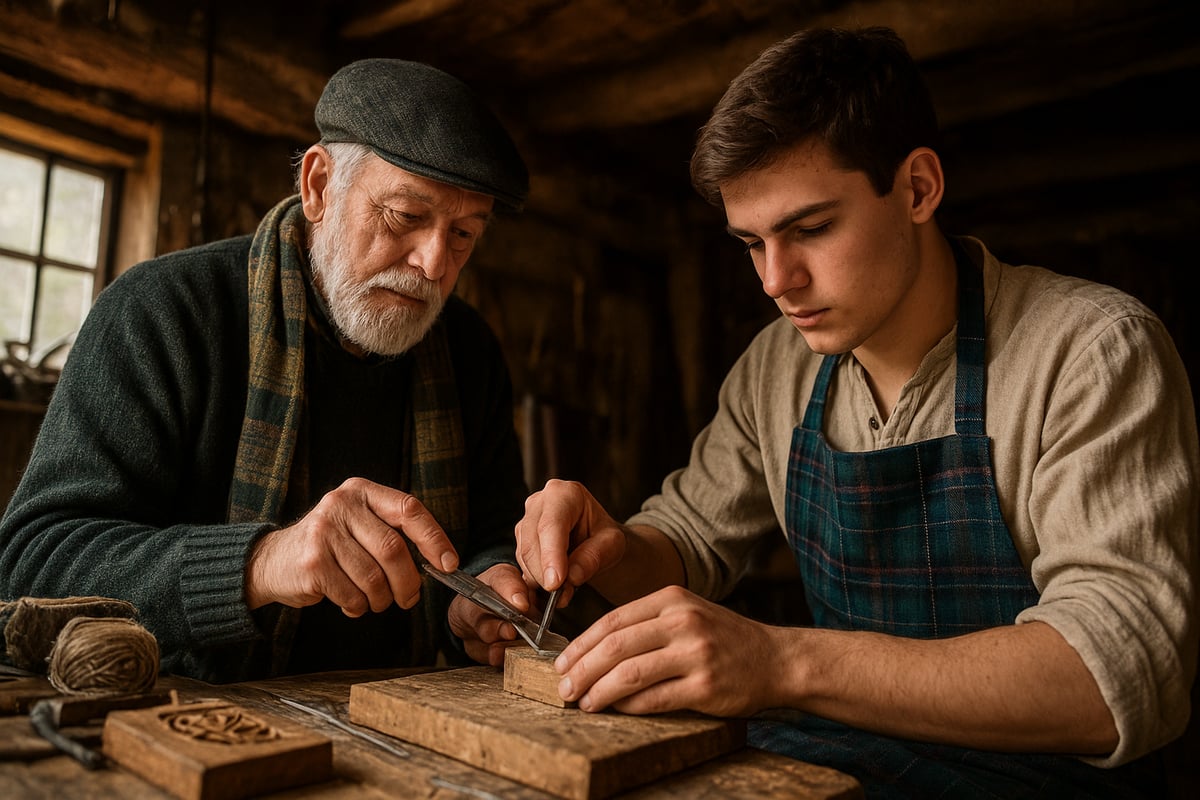
Across Scotland, many artisan businesses are family-run, with skills passed down through the generations like heirlooms. In the Borders, weaving mills have maintained the same looms and techniques for centuries, producing textiles that are truly made in scotland. These family businesses are not only keepers of tradition but also innovators, adapting ancient methods to meet modern demand.
Apprenticeships remain a cornerstone of these enterprises, ensuring that knowledge is preserved and shared. Silversmiths in Edinburgh, for example, often trace their lineage through several generations, each adding their own touch to the family legacy. The ethos of quality, pride, and authenticity is at the heart of every product, making each piece a reflection of Scotland’s enduring spirit.
The resilience of these family workshops is evident in their ability to survive changing times, with each generation finding fresh ways to celebrate what it means to be made in scotland.
Women in Scottish Craftsmanship
Women have always played a vital role in Scottish craftsmanship, from weaving and pottery to jewellery and candle making. Today, their influence is more visible than ever, with many women leading artisan businesses and shaping the future of made in scotland products. Notable female makers are celebrated for both preserving tradition and introducing innovative designs.
Throughout history, women have been the backbone of textile and lace production, particularly in rural communities. In recent years, their entrepreneurial spirit has brought renewed attention to Scottish crafts. The shift in gender roles within traditional industries is creating more opportunities for women to showcase their talents and leadership.
To learn more about the impact and stories of women in Scottish craft, explore Women in Scottish Craft for inspiring profiles and insights. Their contributions are helping to redefine what it means to be made in scotland for the next generation.
Regional Diversity and Distinctive Styles
The diversity of Scotland’s regions is beautifully reflected in its craft traditions. The Highlands are known for robust woodwork and bold tartans, while the Islands bring unique influences from Gaelic and Norse heritage. Shetland lace, with its delicate patterns, and Orkney jewellery, inspired by ancient symbols, offer just two examples of how regional identity shapes made in scotland artistry.
In the Borders, textile production flourishes, blending old and new designs. The Lowlands contribute refined ceramics and glasswork, each piece echoing the local landscape and history. This regional variety ensures that Scottish craft remains vibrant and distinctive, offering collectors and enthusiasts a rich tapestry of styles to explore.
Every region adds its own voice to the made in scotland narrative, ensuring that tradition and innovation walk hand in hand across the country.
The Power of Community and Collaboration
Community is the lifeblood of Scottish craftsmanship. Maker collectives and craft guilds provide essential support, enabling artisans to share resources, techniques, and inspiration. Collaborative projects often blend art, design, and heritage, resulting in products that are both innovative and deeply rooted in tradition.
These communities are particularly important in rural areas, where craft can sustain local economies and foster a sense of belonging. Initiatives that bring makers together not only preserve traditional skills but also encourage new talent to emerge. The spirit of collaboration ensures that the legacy of made in scotland craftsmanship continues to thrive.
By supporting these networks, buyers and enthusiasts play a crucial role in sustaining the cultural and economic vitality of Scotland’s artisan sector.
Step-by-Step Guide: How to Choose and Care for Scottish-Made Products
Choosing genuine made in scotland products is a meaningful way to celebrate heritage, artistry, and sustainability. This step-by-step guide will help you identify, select, and care for authentic Scottish crafts, ensuring your purchases are both beautiful and lasting reminders of Scotland’s unique traditions.
Step 1: Understanding Authenticity and Provenance
When searching for made in scotland pieces, always start by examining authenticity. Look for official labels, such as “Harris Tweed” or “Scottish Silver,” and ask sellers about the provenance of each item. Genuine Scottish crafts often come with certificates, maker stories, or protected designations that guarantee their origin.
Pay attention to artisan credentials, including workshop locations and traditional techniques used. If possible, buy directly from makers or reputable retailers. This not only ensures quality, but also helps support local communities dedicated to preserving Scottish craftsmanship.
Step 2: Selecting the Right Product for You
Selecting the right made in scotland item means considering your own style, needs, and interests. Do you prefer traditional tartan, or are you drawn to contemporary interpretations of classic patterns? Think about the material—wool, silver, ceramics, or glass—and whether it suits your intended use, home décor, or gifting plans.
Compare traditional and modern styles, and explore the stories behind each product. Take time to ask questions about how items are made, the inspiration behind designs, and the sustainable practices employed by the artisan. This ensures each purchase is both meaningful and personally tailored.
Step 3: Caring for Your Scottish Craft
Proper care ensures your made in scotland treasures retain their beauty and value for years. For textiles like tartan and tweed, gentle brushing and air drying are best. Silver jewellery benefits from regular, gentle polishing with a soft cloth. Ceramics and pottery should be hand washed and handled with care to avoid chips.
When it comes to artisan candles and home fragrance, follow the maker’s guidance for burning and storage. For more detailed tips on maintaining candle quality and artistry, explore this guide to Handmade Artisan Candles. Mindful care preserves the craftsmanship and heritage of every piece.
Step 4: Gifting and Sharing Scottish Craftsmanship
Gifting made in scotland products is a thoughtful way to share Scotland’s story with friends and family. Choose items with traditional packaging or presentation—many Scottish makers offer gift-ready options that celebrate local customs. Consider the recipient’s tastes, and select crafts that reflect their personality or interests.
When sending gifts abroad, check for international shipping options and wrapping services. Handmade Scottish goods make memorable, meaningful presents that evoke heritage and artistry, creating a lasting connection to Scotland wherever they are given.
Step 5: Connecting with Makers and Learning More
Building a relationship with made in scotland artisans enriches your appreciation for their craft. Attend workshops, visit studios, or engage with makers at local markets and online. Many offer newsletters, virtual events, and behind-the-scenes content that share their creative process and cultural influences.
If you’re interested in sourcing authentic products or supporting makers on a larger scale, consider exploring opportunities through Wholesale Scottish-Made Products. Staying connected helps sustain Scotland’s craft traditions and keeps you informed about new collections and stories.
The Future of Scottish Craftsmanship: Trends and Opportunities
The landscape of made in scotland is evolving rapidly, balancing respect for time-honoured traditions with a bold embrace of new possibilities. Across workshops and studios, artisans are shaping the next chapter of Scottish craft, blending heritage, innovation, and a global outlook.
Embracing Innovation While Honouring Tradition
Innovation is reshaping made in scotland as artisans weave technology into the fabric of tradition. Digital design tools, eco-friendly materials, and 3D printing are complementing handcraft techniques. Makers are experimenting with natural dyes, recycled fibres, and sustainable packaging, expanding their creative horizons. The result is a vibrant mix of bespoke, personalised, and experiential products that attract both local and international enthusiasts. Importantly, these developments do not overshadow Scotland’s rich craft heritage. Instead, they offer new avenues for the preservation and celebration of ancestral skills, ensuring the heart of made in scotland continues to beat strongly.
Scotland’s Global Reputation and Export Strength
The made in scotland brand is synonymous with quality, authenticity, and innovation, cementing Scotland’s standing in luxury and lifestyle markets worldwide. Scottish textiles, jewellery, and whisky are exported to over 100 countries, with the craft sector supporting thousands of jobs. According to the Creative Scotland Annual Review 2023/24, the creative industries contribute significantly to the nation’s economy. This reputation for excellence underpins the continued success of made in scotland, driving demand and inspiring confidence among global consumers.
Challenges Facing Scottish Artisans
Despite their strengths, made in scotland artisans face significant challenges. The influx of mass-produced imports and imitation goods threatens the authenticity and reputation of Scottish-made products. Sourcing local, high-quality materials is becoming more difficult, as is retaining traditional skills in an increasingly digital world. Many craftspeople must navigate rising costs and changing consumer habits. Preserving the unique identity and skilled workforce of made in scotland will require ongoing support, education, and strategic adaptation to a fast-changing global market.
Opportunities for Growth and Collaboration
There are promising opportunities for made in scotland to flourish further. Government and private initiatives are fostering innovation, skills development, and international promotion of Scottish crafts. Partnerships between artisans, retailers, and tourism operators are opening new markets and creating immersive experiences for visitors. Collaborative projects, such as maker collectives and cross-discipline exhibitions, are sparking creativity and sharing knowledge. By capitalising on these opportunities, the made in scotland sector can strengthen its position at home and abroad, ensuring its continued relevance and appeal.
The Role of Consumers in Sustaining Craft Heritage
Consumers have a vital role in shaping the future of made in scotland. Thoughtful purchasing decisions support local economies, encourage ethical production, and help preserve Scotland’s cultural heritage. By choosing authentic Scottish goods, buyers contribute to the survival and growth of traditional skills. Responsible consumers also help to educate others, championing the value of provenance and craftsmanship. In an age of mass production, the support for made in scotland products is a powerful statement of appreciation for artistry, heritage, and sustainability.
Inspiring the Next Generation of Scottish Makers
The future of made in scotland depends on inspiring and nurturing new talent. Education initiatives, apprenticeships, and youth engagement programmes are fostering the next wave of Scottish artisans. Young makers are blending fresh perspectives with respect for tradition, experimenting with materials and techniques. Showcasing emerging talent at craft fairs, exhibitions, and through digital platforms ensures these voices are seen and heard. With continued mentorship and opportunities, the next generation will carry the torch of made in scotland, keeping its legacy vibrant for years to come.
As you’ve just explored the remarkable world of authentic Scottish craftsmanship, it’s easy to see how tradition and innovation weave together to create something truly special. If you’re inspired to bring a touch of Scotland’s artistry into your own home, why not experience these skills for yourself through a beautifully crafted scent? With Love Scottish’s dedication to hand pouring and local inspiration, their range captures the essence of Scottish heritage in every candle. This festive season, you can celebrate the spirit of Scotland and support artisan makers when you Shop Christmas Candles.