

Making Soy Wax: The Complete Guide for 2025
Curious about how to make your own candles using eco-friendly methods? The growing interest in making soy wax at home continues to rise in 2025, attracting both beginners and experienced crafters.
This comprehensive guide offers a step-by-step approach for making soy wax, whether you are starting in your kitchen or planning a small-scale operation. You will learn about the basics of soy wax, the essential ingredients and tools, and the full process from start to finish.
Explore troubleshooting tips, the latest innovations for 2025, and important safety and environmental considerations. Discover how making soy wax can save you money, allow full customisation, and help you create sustainable products. Start your journey with this actionable guide and achieve professional results with confidence.
Understanding Soy Wax: Origins, Benefits, and Trends
Curious about what sets soy wax apart in the world of candle making? As the drive for sustainability grows, understanding the origins and benefits of soy wax is essential for anyone interested in making soy wax at home or on a small scale.
What is Soy Wax?
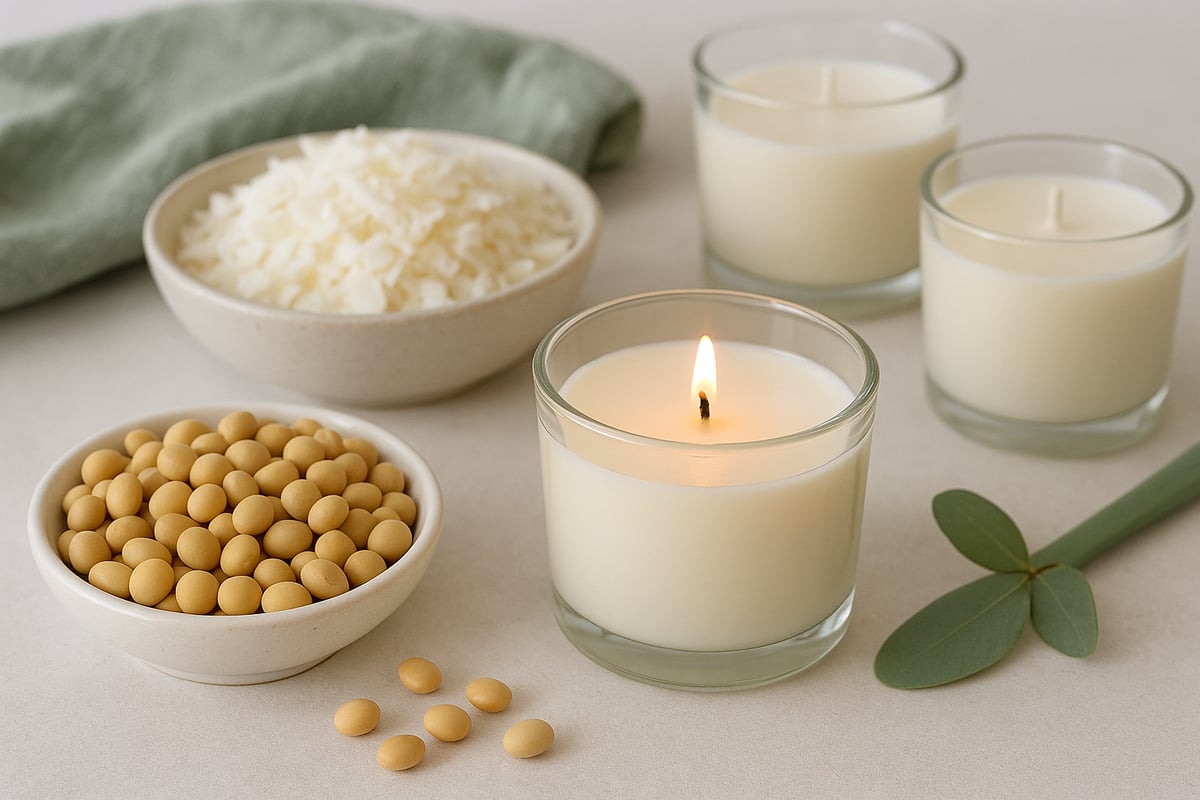
Soy wax is a natural wax derived from hydrogenated soybean oil. Its composition features long-chain fatty acids, giving it a cleaner burn and smoother finish than many traditional waxes. In contrast, paraffin wax is a by-product of petroleum refining, making it less environmentally friendly.
The journey of making soy wax began in the 1990s when the candle industry sought alternatives to paraffin. Through innovation, soy wax became a preferred choice thanks to its renewable source and excellent performance in candles.
Environmental and Health Benefits
One of the main attractions of making soy wax is its eco-friendly profile. Produced from soybeans, a renewable crop, soy wax offers a lower carbon footprint compared to paraffin. Its cultivation and processing release fewer greenhouse gases, making it a responsible choice for conscious makers.
Soy wax is also non-toxic, producing less soot and cleaner air when burned. In 2024, 60% of new candle launches featured soy wax, reflecting its rising popularity among eco-conscious consumers. For those making soy wax, these benefits ensure a safer product for homes and the planet.
Key Trends in Soy Wax for 2025
The landscape of making soy wax is evolving rapidly as the demand for natural and vegan candles continues to rise. Consumers now seek traceable, GMO-free soy sources, driving innovation in supply chains. Biodegradable packaging, natural dyes, and sophisticated scent infusions are becoming industry standards.
Transparency and sustainability are at the forefront of buyer expectations. For a comprehensive overview of these trends and projected market growth, see the Comprehensive Soy Wax Market Report. Staying informed on these trends is crucial for anyone making soy wax in 2025.
Common Uses and Applications
Making soy wax opens a world of creative possibilities. It is widely used in container candles, wax melts, and tarts, prized for its excellent scent throw and smooth finish. The UK’s craft candle scene has embraced soy wax, with many artisan businesses featuring it as their signature ingredient.
DIY enthusiasts also favour making soy wax for its customisation options and gentle burn qualities. Whether for personal projects or small-scale sales, soy wax remains a top choice in the modern candle market.
Essential Ingredients and Tools for Making Soy Wax
To achieve premium results when making soy wax, choosing the right ingredients and tools is essential. Proper preparation ensures your wax is clean, sustainable, and ready for crafting candles that meet high standards.

Sourcing Quality Soybeans and Wax Flakes
The foundation of making soy wax lies in sourcing top-quality soybeans or pre-processed soy wax flakes. Look for non-GMO, food-grade soybeans, as these deliver the best purity and consistency. Purity is vital because it affects the wax’s clarity and performance in candle making.
When evaluating suppliers, prioritise those with transparent sourcing practices and recognised certifications such as Soil Association Organic or Non-GMO Project Verified. Trusted suppliers often provide detailed product specifications so you can be confident in your ingredient quality.
For those making soy wax in the UK, local suppliers with clear traceability records are preferable. Always check for batch testing reports, which help ensure you receive consistent results every time.
Additional Ingredients: Additives, Scents, and Dyes
Beyond the base wax, making soy wax often involves specific additives to enhance performance. Stearic acid is commonly used to improve texture and opacity, while natural dyes and mineral pigments offer safe, eco-friendly colour options.
Essential oils and high-quality fragrance oils are crucial for scenting. The types and ratios of oils you use can influence burn time, scent throw, and overall candle quality. In 2025, trends lean towards botanical blends and allergen-free fragrances, reflecting consumer demand for clean, natural products.
Experimenting with different combinations lets you customise candles for unique results. Remember, the right balance is key when making soy wax that stands out for quality and performance.
Equipment Checklist
Efficient making soy wax at home or on a small scale requires reliable tools. A typical setup includes a melting pot, digital thermometer, precision scales, and heat-resistant gloves. For better results, use stainless steel or heatproof glassware, which are easy to clean and maintain.
| Equipment | Purpose |
|---|---|
| Melting pot | Even wax heating |
| Digital thermometer | Accurate temperature |
| Scales | Precise ingredient measurement |
| Safety gloves | Hand protection |
For those new to making soy wax, check out this Candle and wax accessories guide for a curated list of essential tools and accessories. Clean your equipment thoroughly after each use to avoid cross-contamination and preserve wax quality.
Safety Precautions and Workspace Preparation
Safety is a top priority when making soy wax. Always work in a well-ventilated area and keep a fire extinguisher nearby. Wear protective gloves and eye protection to guard against hot wax splashes.
Store chemicals and supplies securely, away from children and pets. A tidy, organised workspace reduces the risk of accidents and helps ensure a smooth, enjoyable process.
Step-by-Step Guide: How to Make Soy Wax in 2025
Making soy wax at home or in a small workshop is a rewarding process that combines science, sustainability, and creativity. In this section, you will find a complete, actionable guide for making soy wax in 2025, using modern methods and best practices. Each step is designed for clarity, ensuring you achieve consistent, high-quality results.
Step 1: Preparing the Soybeans
The foundation of making soy wax is selecting and preparing your soybeans. Begin by choosing clean, non-GMO beans with a high oil content. Rinse the beans thoroughly to remove dust, dirt, and debris. After rinsing, spread the soybeans on a clean towel and let them air dry completely.
Dehulling is the next critical step. Remove the outer shells either by hand or using a mechanical dehuller. This ensures a purer oil extraction and reduces impurities in the final wax. Once dehulled, inspect the beans for any remaining debris and discard any that appear damaged or mouldy.
Proper drying is essential. Spread the beans in a single layer and allow them to dry in a well-ventilated area. Dry beans produce a clearer oil, which directly impacts the quality of your finished product. By investing time in this preparation, you lay a solid foundation for making soy wax with superior clarity and consistency.
Step 2: Extracting Soybean Oil
With your soybeans prepared, the next stage in making soy wax is extracting the oil. There are two main methods: mechanical pressing and solvent extraction. For home and small-scale production, mechanical pressing is preferred for its simplicity and safety.
Begin by placing the dried, dehulled beans into a mechanical oil press. As the beans are crushed, oil is released and collected. Expect a yield of about 18-20% oil by weight. Monitor the process to ensure the temperature stays below 60°C to preserve oil quality.
If you opt for solvent extraction, use food-grade hexane with caution, as it requires careful handling and thorough ventilation. This method can increase yield but is less common for making soy wax at home.
After extraction, filter the crude oil through a fine mesh or cheesecloth to remove solids. The purity of your oil at this stage is critical, as it will affect the performance and appearance of your soy wax.
Step 3: Refining the Oil
Refining is vital to turn crude soybean oil into a high-quality base for making soy wax. The process involves several stages: degumming, neutralisation, bleaching, and deodorising.
Start with degumming, where you mix the oil with water or acid to separate out phospholipids. Next, neutralise the oil by adding a mild alkali, which removes free fatty acids and improves stability. After settling and separating, proceed to bleaching, using natural clays or activated carbon to remove colour pigments.
Deodorising is the final step, where you gently heat the oil under vacuum to remove odours and volatile compounds. Refined oil is clear, pale, and neutral in scent—ideal for candle making. Comparing unrefined to refined wax, you will notice the latter yields smoother, more consistent candles with better scent throw and appearance.
Consistent refining is one of the secrets to mastering making soy wax with professional-quality results.
Step 4: Hydrogenation Process
Hydrogenation is the chemical process that transforms liquid soybean oil into the solid wax needed for candle making. This step is central to making soy wax with the right melting point and texture.
In a controlled environment, heat the refined oil to 120–150°C and introduce hydrogen gas in the presence of a nickel catalyst. This saturates the oil, turning it into a solid or semi-solid state. For small-scale makers, hydrogenation kits are available that offer safe, manageable operation without industrial equipment.
Safety is paramount. Always wear protective gear and work in a ventilated space. Monitor the process closely, as overheating or incomplete hydrogenation can affect wax texture.
Modern innovations in 2025 include compact hydrogenation units designed for artisan use, enabling makers to control the process and achieve consistent results. This step is the turning point in making soy wax that meets candle-grade quality standards.
Step 5: Cooling and Flaking
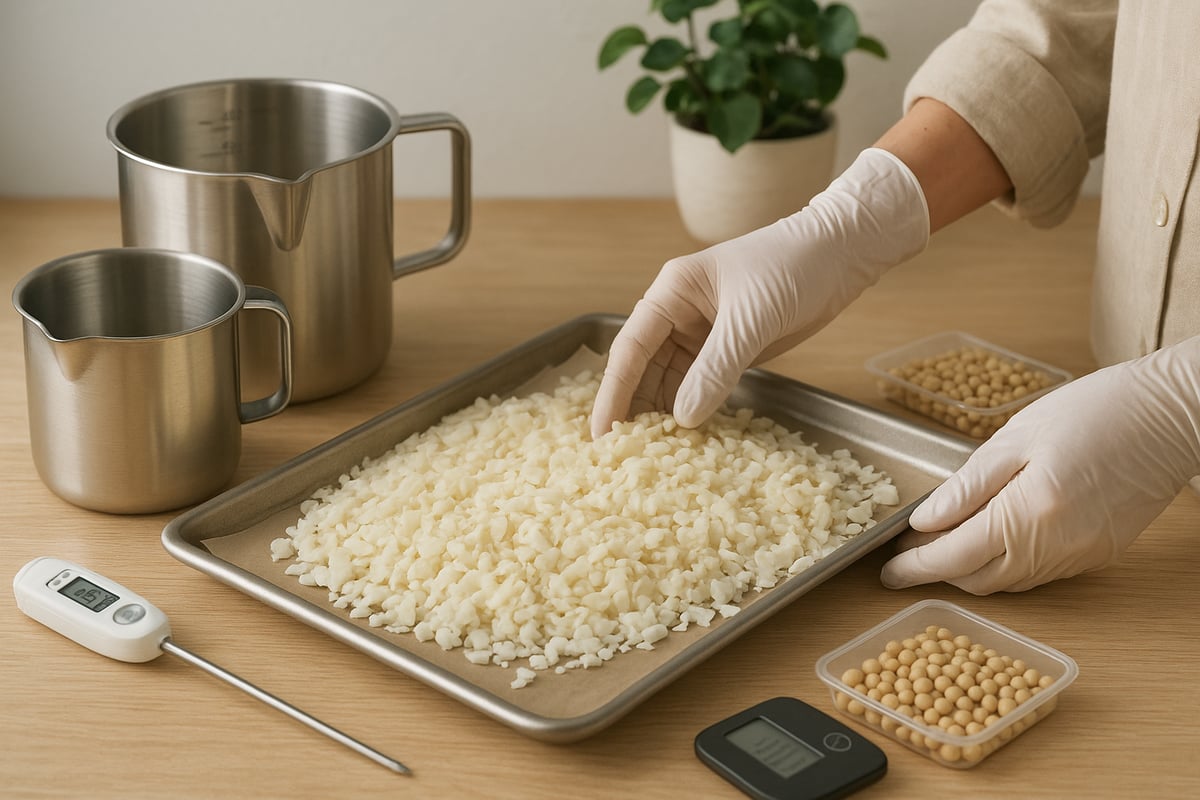
After hydrogenation, the freshly made soy wax needs to be cooled and formed for storage or use. Pour the hot wax into shallow trays or onto a cool, clean surface. Allow it to cool gradually to room temperature, avoiding rapid chilling, which can cause brittleness.
Once solidified, break the wax into manageable blocks or use a flaking machine to create uniform flakes. Manual flaking is also possible by scoring and snapping the wax sheets. Store the flakes in airtight containers, away from heat, moisture, and direct sunlight.
Proper cooling and flaking are crucial for maintaining the freshness and usability of your wax. Well-flaked wax is easy to measure and melt, making soy wax production both efficient and practical for future candle making projects.
Step 6: Testing and Quality Assurance
Quality assurance is essential for anyone serious about making soy wax. Begin by testing the melting point—ideally between 49–54°C for candle-grade wax. Use a thermometer and a small test batch to check consistency.
Assess the hardness and flexibility of your wax by pressing gently with your thumb. A smooth, even texture indicates successful processing. Test scent retention by adding a small amount of fragrance oil and evaluating the throw after burning.
Keep a record of each batch, noting any variations and adjustments. Consistency in making soy wax comes from methodical testing and a willingness to refine your process. Before using your wax in candles, ensure it meets your standards for clarity, scent, and burn quality.
Step 7: Storing and Using Finished Soy Wax
Once your soy wax passes quality checks, proper storage is key to preserving its performance. Place the flakes or blocks in airtight, food-safe containers, and store them in a cool, dry place. Label each batch with the production date and key details for easy tracking.
When making soy wax candles, melt only the amount needed and keep the rest sealed to prevent contamination. Always follow best practices for safety and workspace cleanliness. For comprehensive advice on safe candle making and handling, consult these Candle care and safety tips.
By maintaining careful storage and usage habits, you ensure your homemade soy wax stays fresh, clean, and ready for your next creative candle project.
Troubleshooting Common Issues in Soy Wax Making
Even with careful preparation, making soy wax can present a few challenges. Troubleshooting is an essential part of the candle maker’s journey, helping you achieve consistent, high-quality results. Below, we address the most common issues faced by small-scale and home producers.
Identifying and Fixing Texture Problems
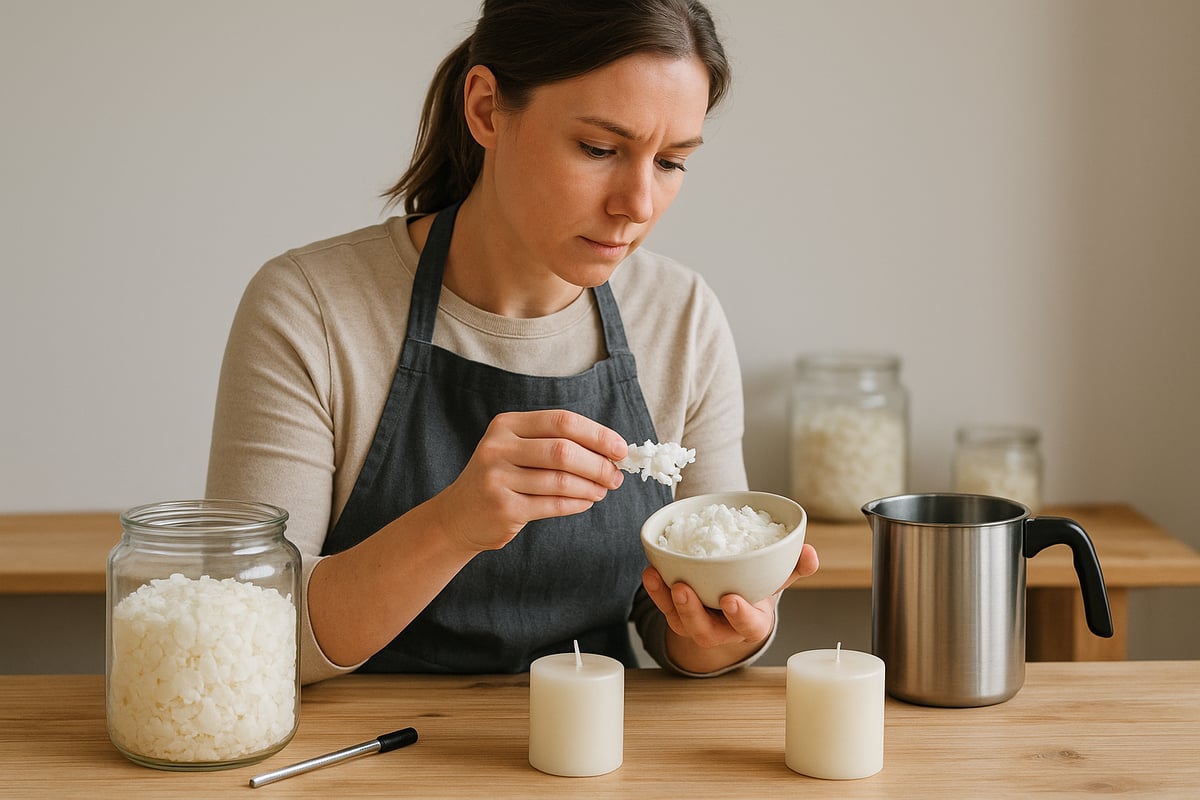
Texture issues such as graininess, frosting, or uneven surfaces are common when making soy wax. These imperfections can make your candles look unprofessional and impact performance.
- Graininess often results from temperature fluctuations during cooling.
- Frosting appears as a white, crystalline layer on the surface.
- Uneven texture can be caused by incomplete mixing or impurities.
To fix these, maintain a steady pouring temperature, mix thoroughly, and always use high-quality ingredients. Keeping your workspace draft-free also helps prevent rapid cooling, which is a major culprit in making soy wax with texture issues.
Addressing Scent and Colour Challenges
Scent and colour problems can be frustrating when making soy wax candles. Scents may fade or fail to throw well, and colours can bleed or look dull.
- Ensure fragrance oils are compatible with soy wax and added at the optimal temperature, usually around 60–65°C.
- Use natural dyes specifically formulated for making soy wax to prevent bleeding or fading.
- Adjust the ratio of fragrance oil, but avoid exceeding manufacturer recommendations, as this can affect burn quality.
By carefully measuring and timing your additions, you can achieve vibrant colours and lasting scents in your finished candles.
Preventing and Correcting Air Bubbles and Cracks
Air bubbles and surface cracks are common visual defects in making soy wax products. These result from pouring the wax too hot or too cold, or from rapid cooling.
- Pour wax slowly at a controlled temperature, ideally between 55–60°C.
- Tap containers gently after pouring to release trapped air.
- Allow candles to cool gradually at room temperature.
If cracks appear, remelting the surface with a heat gun can help achieve a smooth finish. Consistent technique is key to flawless results in making soy wax.
Quality Control and Consistency Tips
Maintaining quality and consistency is vital for anyone making soy wax, especially for growing a reputable brand. Regular batch testing and detailed record-keeping are essential. Many artisan producers, such as those featured in Meet the maker insights, use checklists to monitor melting points, scent throw, and appearance.
- Test each batch for melting point and burn characteristics.
- Record all ingredient sources and process variables.
- Review and refine your methods regularly.
This systematic approach ensures that making soy wax remains a rewarding and reliable process.
Innovations and Future Directions in Soy Wax Production
As the demand for sustainable products continues to surge, making soy wax is evolving faster than ever. The future holds exciting advancements in sourcing, processing, packaging, and market dynamics. Let us explore the innovations shaping the industry for 2025 and beyond.
Sustainable Sourcing and Ethical Practices
Sustainability is now at the heart of making soy wax. Producers are prioritising traceable and fair-trade soy supply chains, ensuring that every soybean can be tracked from field to finished wax. Regenerative agriculture techniques are gaining traction, enhancing soil health and reducing environmental impact.
Brands are investing in long-term relationships with growers, focusing on non-GMO and organic soybeans. Certifications like Fairtrade and Rainforest Alliance are becoming industry standards for ethical sourcing. As transparency becomes more important, consumers can expect clear information about the origins of their soy wax.
Technological Advances in Extraction and Processing
New technology is transforming the efficiency and quality of making soy wax. Small-scale producers now have access to compact, automated presses and filtration systems, reducing manual labour and increasing yield consistency. Automation also minimises energy use and waste, supporting sustainability goals.
Innovative extraction techniques, such as cold pressing and advanced solvent recovery, are improving purity while preserving natural properties. These advancements allow for more precise control over texture, scent retention, and melting points, making soy wax even more versatile for candle makers.
Eco-Friendly Additives and Packaging
The push for eco-consciousness extends to every aspect of making soy wax, including additives and packaging. Biodegradable and compostable materials are replacing plastics, helping brands reduce their environmental footprint. Natural additives, such as plant-based stearic acid and essential oils, are now preferred over synthetic alternatives.
Packaging innovations include recycled paper labels, reusable containers, and minimalistic designs that cut down on waste. These changes not only appeal to eco-conscious consumers but also align with new regulations on packaging sustainability across the UK and EU.
Customisation and Niche Markets
Customisation is a defining trend in making soy wax for 2025. Artisans and small businesses are catering to niche markets with bespoke blends, unique fragrance profiles, and personalised packaging. The growth of private-label soy wax products allows retailers to offer exclusive collections, meeting diverse customer preferences.
Scottish candle brands, for example, are leading the way with locally sourced ingredients and distinctive scents inspired by regional landscapes. This move towards individuality strengthens brand identity and fosters loyal communities around artisanal products.
Regulatory and Market Trends for 2025
Regulation is shaping the future of making soy wax, especially as the UK and EU tighten standards for candle ingredients and environmental practices. Producers must now comply with stricter labelling, allergen disclosure, and packaging requirements.
Market projections show robust growth for soy wax, with analysts expecting continued expansion due to consumer demand for sustainable home goods. For a deeper look at industry forecasts and innovation trends, the Soy Wax Market Growth Analysis provides comprehensive insights up to 2035. Staying informed about these trends helps makers remain competitive and compliant.
Safety, Environmental Impact, and Best Practices
The process of making soy wax combines creativity with responsibility. Whether you are a hobbyist or a small-batch producer, understanding the best practices can help you produce safer, more sustainable products. Let us explore the key considerations for health, environment, allergens, community, and frequently asked questions about making soy wax.
Health and Safety Guidelines for Makers
When making soy wax, safety must come first. Always use personal protective equipment such as gloves, aprons, and safety glasses. Good ventilation is vital to reduce exposure to fumes.
- Keep a fire extinguisher and first aid kit nearby.
- Never leave hot wax unattended.
- Use heat-resistant surfaces and containers.
- Store chemicals and finished wax away from direct sunlight.
By following these steps, you create a safer environment for making soy wax and avoid common hazards in the process.
Minimising Environmental Footprint
Making soy wax offers a sustainable alternative to paraffin, but it is important to minimise your impact further. Choose renewable energy sources where possible and recycle packaging.
- Compost soy residue and other organic waste.
- Use biodegradable packaging and natural dyes.
- Clean equipment with eco-friendly detergents.
- Track your energy usage for each batch.
According to Soy Wax Market Size & Share, the soy wax sector is expanding due to its eco-friendly reputation, making these practices even more relevant for 2025.
Allergen and Sensitivity Considerations
When making soy wax, consider potential allergens for users. Soy itself can cause reactions, as can some essential oils and additives.
- Use fragrance oils labelled as allergen-free when possible.
- Clearly list all ingredients on your product labels.
- Keep your workspace free from cross-contamination.
- Communicate with customers about potential sensitivities.
Being transparent about your ingredients builds trust and helps customers make informed choices when buying products made from soy wax.
Community and Knowledge Sharing
Joining a community can greatly enhance your experience of making soy wax. The UK has several online forums, workshops, and certification courses dedicated to candle making.
- Participate in local workshops or online webinars.
- Share your results and tips in dedicated forums.
- Seek feedback from experienced makers.
- Consider formal training for advanced techniques.
Staying connected ensures you keep up with trends, share best practices, and improve your making soy wax skills over time.
Frequently Asked Questions
Q: Is making soy wax safe at home?
A: Yes, with proper safety precautions and equipment.
Q: How long does homemade soy wax last?
A: Stored in a cool, dry place, it can last up to two years.
Q: Can I use any soybean for making soy wax?
A: Non-GMO, high-quality soybeans are recommended for the best results.
If you are new to making soy wax, always start with small batches and keep detailed records to refine your process.
As you explore the step by step process of making soy wax, you’ll see how creativity and sustainability can come together in every candle you craft. Whether you’re starting out or refining your technique, embracing quality ingredients and thoughtful craftsmanship makes all the difference—values we hold dear at Love Scottish. If you’re inspired by the warmth and unique scents of handmade candles, why not see how we bring these principles to life in our seasonal range? Discover our carefully hand poured collection and add a touch of Scottish charm to your home by browsing our Shop Christmas Candles.