

Order Candle Wax Guide: Expert Tips for 2025 Buyers
Home candle making is booming in 2025, but with so many options, choosing the right wax can feel overwhelming. The decision to order candle wax is more important than ever, as new innovations and materials reshape the market.
Your wax choice directly affects how your candles smell, how long they burn, their eco-credentials, and the finished look. Many buyers struggle to balance scent throw, sustainability, and quality when faced with a growing range of waxes.
This guide delivers expert advice and clear steps to help you make informed, confident decisions. You will learn about the main types of wax, what to consider before you order, sustainable choices, and the best ordering practices.
Get ready to discover the essential tips and recommendations you need to succeed in candle making this year.
Understanding Candle Wax Types
Choosing the right wax is the first essential step when you order candle wax for any project. In 2025, buyers face a wider range of options than ever before, each with unique properties that influence scent, burn, sustainability, and finish. Understanding these candle wax types will help you make informed decisions and achieve professional results.
Natural Candle Waxes
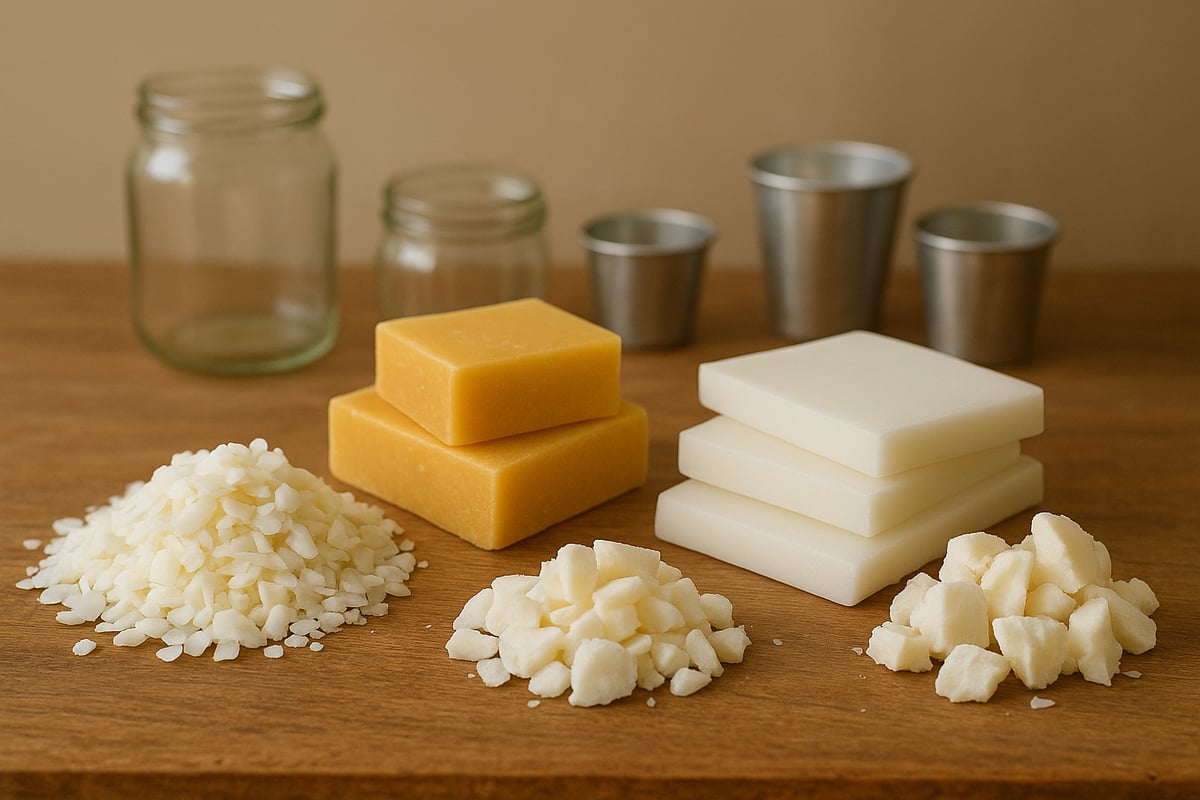
Natural candle waxes are increasingly popular for those who want to order candle wax with a focus on sustainability and clean burning. The main types include soy, beeswax, rapeseed, and coconut wax.
Soy wax is derived from soybeans and is known for its strong scent throw and creamy finish. It is allergy-friendly and biodegradable, making it a top choice for eco-conscious consumers. Beeswax offers a beautiful natural aroma, a long burn time, and is considered hypoallergenic. This wax is often chosen for premium, wellness-oriented candles.
Rapeseed and coconut waxes are emerging stars in the market. Rapeseed is locally grown in the UK and Europe, reducing transport emissions, while coconut wax is prized for its sustainability profile and smooth texture. Both are renewable and biodegradable.
Some leading examples of natural wax products include Soyaluna, KeraSoy, and Kerawax beeswax. If you want to see a practical application, the Scottish rose soy wax candle showcases the clean burn and excellent scent throw of soy wax in action.
The UK market share for natural waxes continues to grow, reflecting a strong shift in consumer values. As you order candle wax, considering these natural options can help you align with market trends and environmental standards.
Mineral and Synthetic Candle Waxes
Mineral and synthetic waxes remain widely used, especially for those seeking to order candle wax in bulk or for specific performance needs. Paraffin wax, a petroleum-based product, leads the global market due to its affordability, versatility, and clean, odourless burn.
Gel wax, made from mineral oil and polymer resin, offers a unique translucent appearance ideal for decorative or novelty candles. Blended waxes, which combine mineral and natural bases, are tailored for custom performance, balancing scent throw and burn time.
The main advantages of mineral waxes include strong scent throw, consistent performance, and ready availability in large quantities. However, environmental concerns and potential allergens have prompted some buyers to shift towards alternatives.
Popular examples of these waxes include KeraWax 4105 and 4600, both known for their reliability and wide application range. Despite the rise of natural waxes, paraffin remains the dominant choice for many large-scale producers when they order candle wax.
Data shows that paraffin still holds the largest share worldwide, but ongoing innovation and consumer demand for greener products are steadily changing the landscape.
Wax Additives and Enhancers
When you order candle wax, it is important to understand the role of additives and enhancers. These substances are used to improve texture, scent throw, burn quality, and the overall finish of candles.
Common additives include stearic acid (or stearin), vybar, and microcrystalline wax. Stearic acid, for example, is often added to increase hardness and improve scent retention, making it popular for pillar and votive candles. Vybar helps with scent dispersion and creates a smoother finish, while microcrystalline wax enhances flexibility and strength.
Additives affect both natural and mineral waxes. For those seeking vegan and cruelty-free products, it is essential to check the source of additives, as not all are plant-based. There is a growing trend towards additive-free, “clean” wax blends, driven by consumer demand for transparency and purity.
Different candle types benefit from specific additives. Pillar candles require hardness, while container candles may focus on scent throw and smooth tops. Wax melts often use enhancers for better fragrance release.
As you order candle wax, consider whether you want a pure, additive-free blend or a wax tailored with enhancers for your particular application. The trend for 2025 points to increased interest in natural, minimalist formulations, but performance needs still guide many makers’ choices.
Key Factors to Consider When Ordering Candle Wax
Choosing the right wax is essential when you order candle wax in 2025. Each decision impacts your candle’s scent, appearance, burn, and sustainability. Understanding these key factors will help you achieve professional results and meet the expectations of today’s discerning candle buyers.
Intended Candle Type and Application
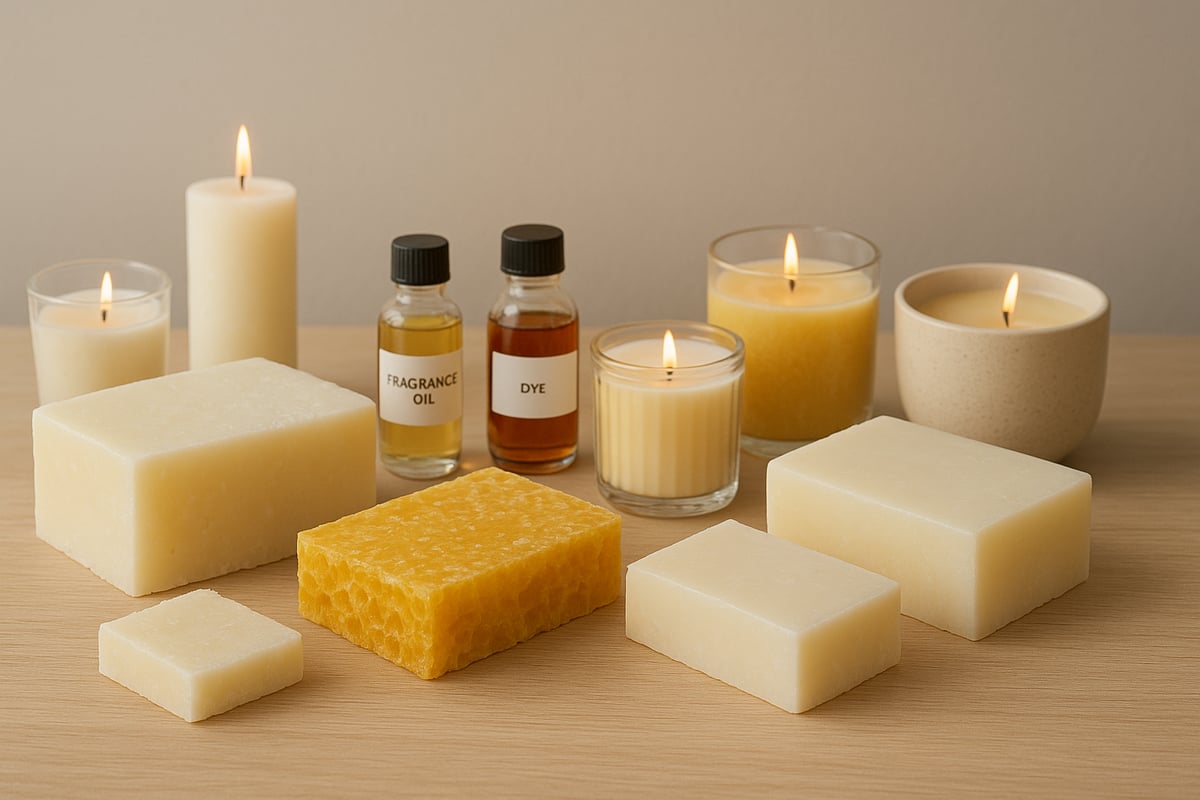
The type of candle you plan to create should guide your decision when you order candle wax. Not all waxes perform equally across container, pillar, votive, tealight, and wax melt applications. Each style demands unique melting points and structural properties.
For example, container candles benefit from waxes with a lower melting point and good glass adhesion, such as KeraSoy 4130. Pillar candles, on the other hand, require a harder wax like KeraSoy 4120 to retain their shape outside of a container.
Use this table to compare wax suitability:
| Candle Type | Recommended Wax | Key Features |
|---|---|---|
| Container | Soy, coconut blends | Smooth finish, adhesion |
| Pillar | Beeswax, paraffin | Firm, long burn |
| Wax Melt | Soy, paraffin blends | Quick release, scent |
When you order candle wax in bulk, align your choice with your production needs. Bulk ordering options, such as those available through wholesale candle wax ordering, can offer savings and ensure consistency for specific candle types. Data from 2025 shows container candles remain the most popular, but pillars and wax melts are gaining ground.
Scent Throw and Fragrance Compatibility
Scent throw is a top priority for most candle makers when they order candle wax. The wax’s ability to hold and release fragrance oils determines the strength and quality of your finished product’s aroma.
Soy wax is known for its excellent scent throw, making it a favourite among artisan brands. Paraffin wax is also valued for its clean, odourless base, which allows both essential oils and synthetic fragrances to shine. When using natural waxes, ensure they are pure and free from impurities, as this preserves fragrance clarity.
Before you order candle wax in large quantities, always test a small batch with your chosen fragrance. This ensures compatibility and allows you to adjust the fragrance load for optimal performance.
Burn Performance and Safety
A candle’s burn quality is directly influenced by your wax choice. When you order candle wax, look for options that offer a clean, even burn with minimal soot and smoke. Long burn times are particularly attractive to consumers, while safety remains paramount.
Factors to assess include:
- Wax composition (natural waxes often produce less soot)
- Wick compatibility and sizing
- Allergen potential (some mineral waxes may trigger sensitivities)
Test your candles for burn consistency and safety before committing to a bulk order. This helps prevent issues and ensures your products meet customer expectations for performance and reliability.
Colour and Finish Preferences
The visual appeal of your candles is shaped by the wax you select when you order candle wax. Natural waxes such as soy and beeswax tend to have creamy, off-white hues, while paraffin delivers a brilliant white base ideal for vibrant dyes.
Consider the following when making your choice:
- Dye uptake (paraffin excels at bright colours, beeswax suits natural tones)
- Desired finish (opacity, gloss, or translucence)
- Current trends (pastel and “natural look” candles are in high demand for 2025)
Choose a wax that aligns with your brand’s aesthetic and the preferences of your target market. Testing different waxes and dye combinations will help you achieve the perfect finish for your candles.
Sustainability and Ethical Considerations in Candle Wax
Choosing the right wax is about more than performance or appearance. In 2025, sustainability and ethics play a pivotal role when you order candle wax. With consumers prioritising eco credentials, understanding environmental impact and sourcing transparency is essential for making responsible and confident choices.
Environmental Impact of Different Waxes
When you order candle wax, consider its source and life cycle. Natural waxes like soy, beeswax, rapeseed, and coconut are renewable and biodegradable, making them attractive options for eco-conscious buyers. On the other hand, paraffin is derived from petroleum, a non-renewable resource with a higher carbon footprint.
Below is a summary of key environmental factors for popular waxes:
| Wax Type | Renewable | Biodegradable | Carbon Footprint | Certifications Available |
|---|---|---|---|---|
| Soy | Yes | Yes | Low | Organic, RSPO |
| Beeswax | Yes | Yes | Moderate | Organic, Cruelty-Free |
| Rapeseed | Yes | Yes | Very Low | Organic |
| Coconut | Yes | Yes | Low | Organic, RSPO |
| Paraffin | No | No | High | Some Vegan |
Sourcing transparency is also critical. Look for suppliers who provide details on certifications such as RSPO, organic, or cruelty-free. According to the UK Candles Market Growth Forecast, eco-certified wax sales are rising, reflecting a significant market shift. Always request documentation to verify claims before you order candle wax.
Ethical Sourcing and Cruelty-Free Claims
Ethical sourcing is increasingly important when you order candle wax, especially for vegan buyers or those concerned about animal welfare. Soy, coconut, and some paraffin blends are naturally vegan-friendly, while beeswax raises questions about animal welfare and sustainable beekeeping.
To ensure ethical standards:
- Choose waxes labelled vegan and cruelty-free.
- Look for third-party certifications such as Leaping Bunny or Vegan Society.
- Request supplier transparency about sourcing and production.
- Verify claims with official documentation or certification numbers.
Examples include vegan paraffin options like Kerawax, which are suitable for those wishing to avoid animal-derived ingredients. Always clarify with your supplier before you order candle wax to ensure your values align with your purchase.
Packaging, Shipping, and Bulk Order Sustainability
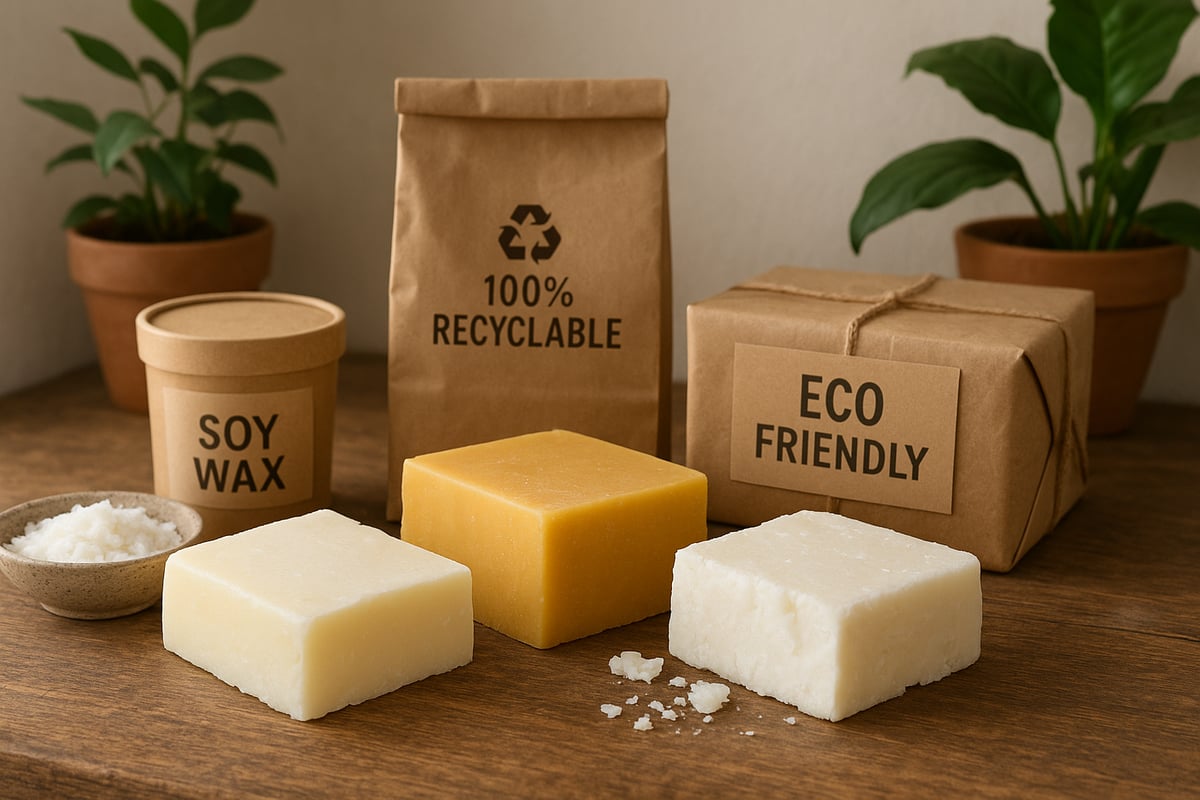
Sustainability does not end with the wax itself. Packaging and delivery methods also matter when you order candle wax. Eco-friendly packaging solutions, such as recycled cardboard or compostable bags, help reduce waste.
Bulk buying is another strategy to lower your carbon footprint per unit, as fewer shipments mean less transport emissions. Consider the distance your wax travels; sourcing locally can further reduce environmental impact. Many suppliers now offer carbon-neutral delivery or offsetting options.
Tips for minimising waste:
- Order candle wax in bulk to reduce packaging.
- Reuse or recycle packaging materials.
- Choose suppliers with clear sustainability initiatives.
Proper planning ensures your candle business operates with minimal waste and a lighter footprint.
Trends in Sustainable Candle Wax for 2025
Sustainable innovation is shaping how we order candle wax this year. Biodegradable blends and upcycled waxes are entering the market, while regulations around labelling and sourcing are tightening. Consumers increasingly seek transparency and plant-based ingredients, driving demand for options like Soyaluna and rapeseed wax.
Brands are responding with products that meet these expectations, and the rise of "clean" wax blends is predicted to continue. Staying informed about these developments ensures you can order candle wax that meets both regulatory and consumer standards.
As you plan your purchases, consider not just the wax itself, but its entire journey from source to finished candle. Making informed, ethical choices will help your business stand out in a rapidly evolving, sustainability-focused market.
How to Order Candle Wax: Step-by-Step Guide for 2025 Buyers
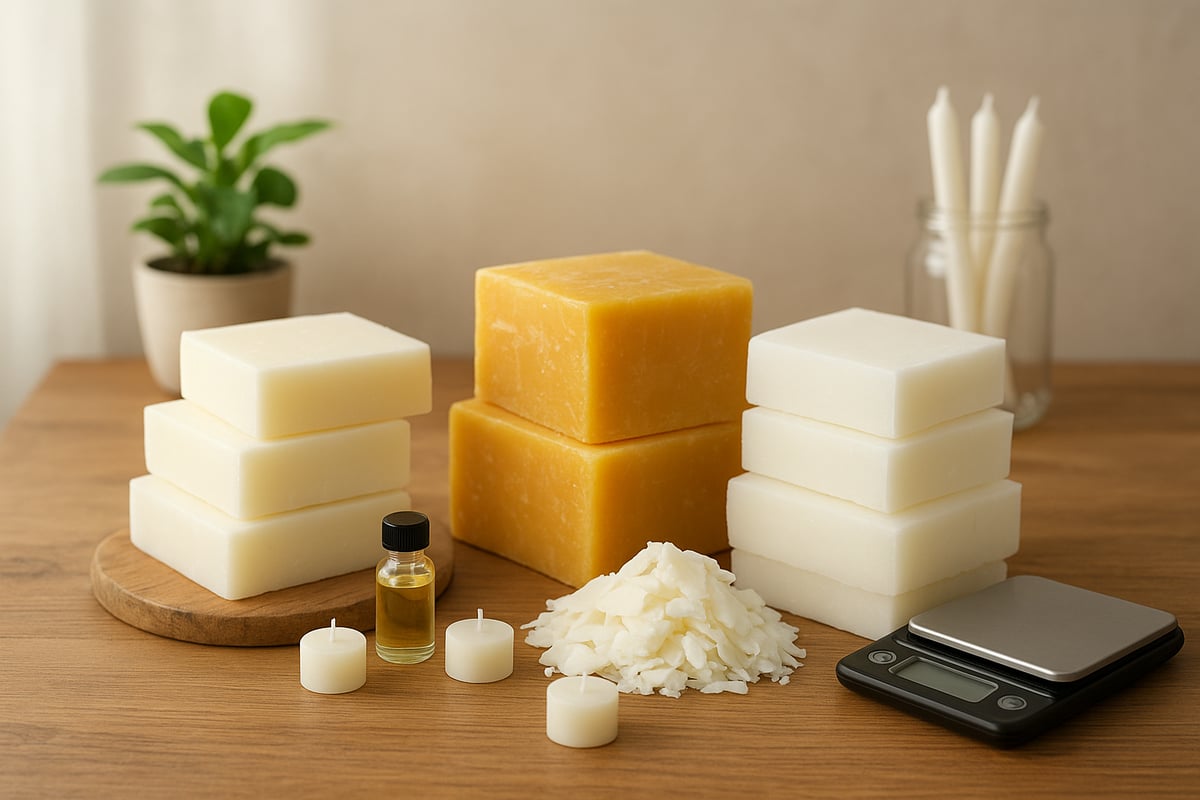
Choosing to order candle wax can feel daunting, especially with so many options in 2025. This step-by-step guide is designed to give you clarity and confidence, whether you are a hobbyist or running a candle business.
Step 1: Define Your Candle-Making Goals
Start by clarifying your objectives before you order candle wax. Are you making candles for gifts, personal use, or planning to sell them? Your answer will shape every decision.
Decide on candle type and style. Container candles, pillars, tealights, and wax melts each require different wax properties. Consider your budget and production scale, as bulk ordering is often more cost-effective for businesses.
Think about fragrance, colour, and branding. Artisan candles may demand unique finishes or scents, while mass-market products prioritise consistency and cost.
Step 2: Research and Select Your Wax Type
The next step to order candle wax is researching the best wax for your needs. Compare natural, mineral, and blended waxes for performance, sustainability, and price.
Read product descriptions and reviews, paying attention to certifications such as vegan, cruelty-free, or organic. This is especially relevant if your customers value ethical sourcing.
Shortlist suppliers that match your priorities. Look for details on scent throw, burn quality, and compatibility with your chosen fragrances and dyes. Reliable brands like KeraWax and KeraSoy often provide detailed technical sheets to help you decide.
Step 3: Order Samples and Test Performance
Never commit to a bulk order candle wax purchase without first testing samples. Small-batch testing is essential for assessing scent throw, burn time, finish, and colour.
Order sample packs of your shortlisted waxes. Experiment with different wick sizes and fragrance loads. Keep detailed notes on each batch so you can repeat successful results.
Testing also helps you spot issues like frosting, sweating, or tunnelling. For example, try KeraSoy 4120 in a pillar mould to see how it performs before placing a larger order.
Step 4: Calculate Quantities and Plan Bulk Orders
Accurately estimating how much wax to order is crucial for cost and efficiency. Use your sample results and production goals to calculate batch sizes.
| Bulk Wax Size | Approx. Candles (230g each) | Best For |
|---|---|---|
| 800g | 3-4 | Hobbyists, testers |
| 5kg | 21-22 | Small businesses |
| 10kg | 43-44 | Growing brands |
| 25kg | 108-109 | Large-scale production |
Bulk buying can save money and ensure consistency in your finished candles. Consider storage space and shelf life, as some waxes, like soy, can be sensitive to temperature and moisture.
For insights into market trends and pricing, refer to the UK Candle Market Size and Share Report, which outlines current growth forecasts and demand for different wax types.
Step 5: Choose a Reputable Supplier and Place Your Order
Selecting the right supplier is vital when you order candle wax in bulk. Prioritise quality, certifications, customer service, and reliable delivery.
Compare top UK suppliers, such as Cosy Owl, by reading buyer reviews and checking ratings. Good suppliers provide clear return and refund policies, as well as responsive support.
If you are ordering for a business, enquire about trade or wholesale accounts for better pricing. Always check for minimum order quantities and delivery timeframes to avoid disruption.
Step 6: Prepare for Delivery and Storage
Once you order candle wax, proper preparation ensures your wax remains in perfect condition. Store wax in a cool, dry, and dark place to avoid melting or contamination.
When your shipment arrives, inspect all packages for damage or impurities. Record batch numbers for traceability in case of quality issues later on.
If you want to extend the life of your finished candles, follow candle care and usage tips for best results. Proper storage and handling not only protect your wax but also maintain the quality of your final product.
For larger orders, organise your inventory so you can easily track usage and reorder before stocks run low. Adopting these habits will keep your candle-making process smooth and sustainable.
Expert Tips for Getting the Best Results with Candle Wax
Achieving professional results when you order candle wax requires both technical skill and a willingness to experiment. Whether you are a hobbyist or running a candle business, mastering the fundamentals will ensure you get the most out of every batch. In this section, you will find expert strategies and practical advice to help you avoid common pitfalls and create candles that truly stand out.
Maximising Scent Throw and Burn Quality
To maximise scent throw, it is crucial to match the fragrance load to your chosen wax. For example, soy wax can typically hold up to 10 percent fragrance oil, while paraffin may allow a slightly higher load. Always refer to your supplier's specifications before you order candle wax for scented products.
Wick selection is equally important. The right wick size and material will ensure an even burn, preventing tunnelling or excessive soot. Use a digital thermometer to pour wax at the recommended temperature, as this can influence both scent retention and finish. Remember to let your candles cure for at least 48 hours before lighting, as this step enhances fragrance diffusion.
If you are testing new blends, always document your process. This helps you replicate successful batches and troubleshoot issues with future orders.
Customising Colour, Texture, and Finish
When you order candle wax, consider how each type interacts with dyes and pigments. Paraffin wax, for example, produces vibrant, true-to-colour results, while beeswax offers a warm, natural tone. For pastel or muted finishes, soy and rapeseed waxes are ideal.
Experiment with different additives or try mixing waxes to achieve unique effects. Mica powder and eco-friendly glitter can add a decorative touch, especially for artisan or gift candles. If you want to create marble or ombre patterns, pour multiple layers at slightly different temperatures.
Always test your colourants in small batches before scaling up. This ensures you achieve the desired opacity and consistency in every candle you make.
Avoiding Common Candle Wax Mistakes
One of the most frequent mistakes is overheating or underheating your wax. Both issues can affect scent throw, finish, and safety. Always use a thermometer and monitor temperatures closely as you order candle wax and prepare your batches.
Selecting an incompatible fragrance oil or dye can cause poor scent release or discolouration. Check that your additives are suitable for your wax type and candle style. Wick size and placement are also critical; too large or too small, and you risk uneven burning.
Before placing a bulk order candle wax, test your chosen formula in small quantities. This approach allows you to refine your process and maintain quality control.
Staying Ahead of 2025 Candle-Making Trends
To keep your range fresh, monitor supplier releases and industry updates regularly. The demand for eco-friendly, vegan, and “clean label” candles is on the rise. Consider experimenting with plant-based or upcycled waxes as part of your next order candle wax.
Seasonal scents and limited-edition blends can attract new customers. Stay informed about regulatory changes to labelling and safety, as these can impact your product line. For more inspiration on what is trending, explore the Top Candle Trends for 2025, which highlights innovations in sustainability and wellness.
Following trends keeps your candles relevant and desirable to modern buyers.
Resources and Community Support for Candle Makers
Building your skills is easier when you connect with others in the industry. Online guides, recipes, and video tutorials are invaluable when you order candle wax and try new techniques. Participate in forums and social media groups for troubleshooting and creative inspiration.
Workshops and trade shows in the UK offer hands-on learning and networking opportunities. Many suppliers publish newsletters with updates on new products and expert advice. To see how experienced makers approach their craft, visit Meet the candle maker for insights and sourcing tips.
By staying connected, you can continually refine your methods and grow your candle-making business.
As you explore the world of candle waxes and discover which options best match your creative vision, remember that the right wax is just the start of a truly memorable candle experience. Whether you’re refining your craft or launching a new collection, choosing quality ingredients will set your candles apart. At Love Scottish, we blend traditional craftsmanship with innovative scent design to help you create candles that capture the essence of your brand and the spirit of each season. If you’re inspired to see how expert wax choices translate into beautiful finished products, why not take a look at our Shop Christmas Candles collection for ideas and inspiration?