
Essential Guide to Wax for Candle Making in 2026
Candle making in 2026 is more dynamic than ever, with innovation shaping everything from materials to methods. Choosing the right wax for candle making is now a critical step for both hobbyists and professionals.
This guide will break down the main types of wax, explaining their unique characteristics and how they influence scent, burn time, and appearance. Whether you are just starting out or refining your craft, you will find practical advice tailored to modern needs.
Discover the latest trends, essential tips, and expert insights to help you select the best wax and achieve outstanding results in your candle projects.
The Role of Wax in Candle Making
Choosing the right wax for candle making is the foundation of crafting high-quality candles in 2026. Wax selection directly influences how a candle burns, how it looks, and how well it diffuses fragrance. Whether you are a hobbyist or running a commercial operation, understanding wax for candle making is essential to achieving consistent, beautiful results.
Understanding Wax as the Foundation of Candle Performance
The choice of wax for candle making determines how long your candle will burn, how effectively it will release fragrance, and the overall appearance of the finished product. Each wax interacts differently with fragrance oils and dyes, affecting both scent throw and colour intensity.
The science behind wax melting points matters as well. A wax with a low melting point is perfect for container candles, while higher melting points suit pillars. Using the wrong wax for candle making can lead to problems like tunnelling or poor scent diffusion, so matching wax to candle type is vital for both beginners and professionals.
Key Properties of Candle Waxes
Several properties set each wax for candle making apart. Melting point ranges affect how the candle performs in different environments. Some waxes hold more fragrance, allowing for stronger scents, while others limit the percentage of oil you can use.
Burn quality is another critical factor. The best wax for candle making produces minimal soot, smoke, or residue. Texture and finish also matter—some waxes are creamy and smooth, while others offer a glossy or crystalline look. Compatibility with containers, moulds, and wicks ensures you achieve the desired effect every time.
Safety and Compliance in 2026
Safety standards for wax for candle making have evolved in the UK and EU. Updated regulations require clearer labelling, including allergen disclosures and detailed ingredient lists. In recent years, new rules have impacted how wax is sourced, stored, and handled, demanding greater transparency from suppliers.
Best practices now emphasise storing wax for candle making in cool, dry environments, away from direct sunlight or contaminants. The market has also shifted, with more consumers seeking non-toxic, allergen-free candles. According to recent data, these trends are shaping buying habits and influencing new product development.
For those producing candles commercially, staying compliant is essential. Detailed guidance on REACH, CLP, and GPSR regulations can be found in resources such as Candle Compliance Regulations in the EU and UK, which outlines what every candle maker must know in 2026.
Overview of Popular Candle Waxes in 2026
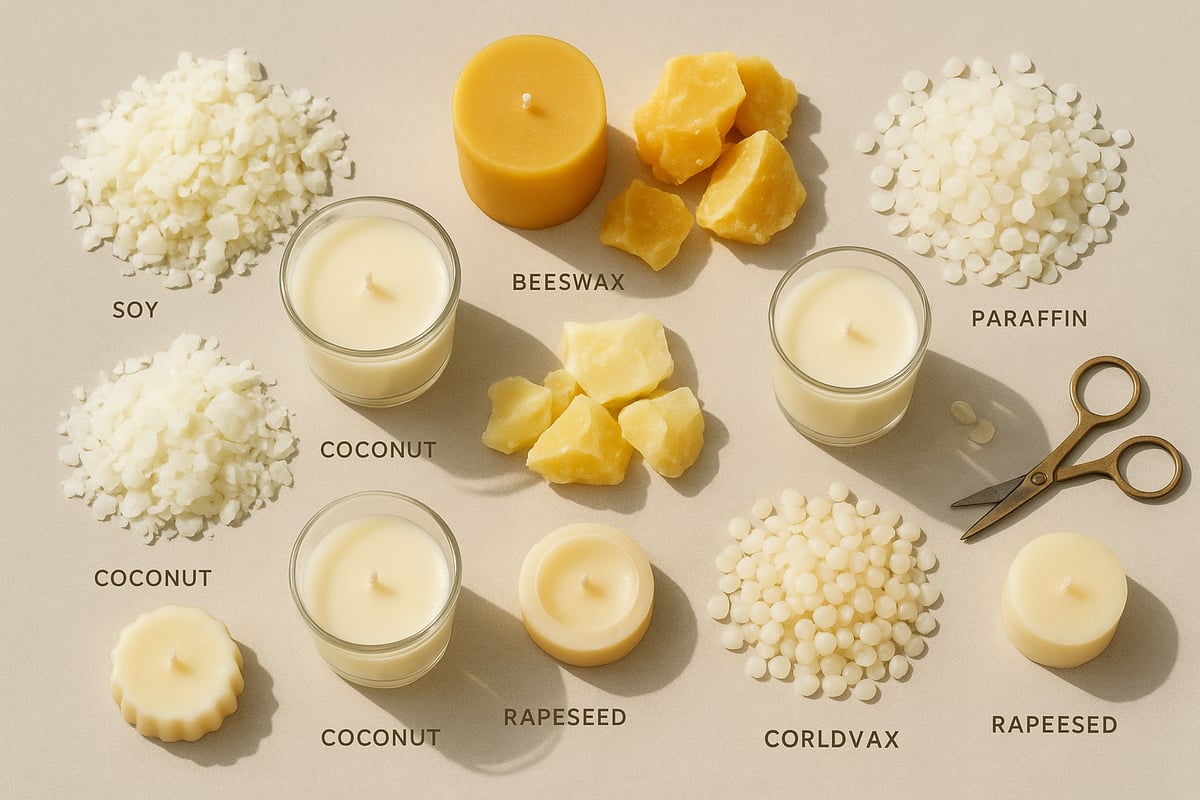
The year 2026 brings a remarkable range of wax for candle making, each with its distinctive strengths and appeal. Whether you are new to the craft or a seasoned professional, understanding the options available will help you create candles that meet modern standards for sustainability, performance, and beauty.
As the industry evolves, so does the diversity of materials. Let us explore the most prominent wax for candle making, examining their properties, market trends, and real-world applications.
Paraffin Wax: The Traditional Workhorse
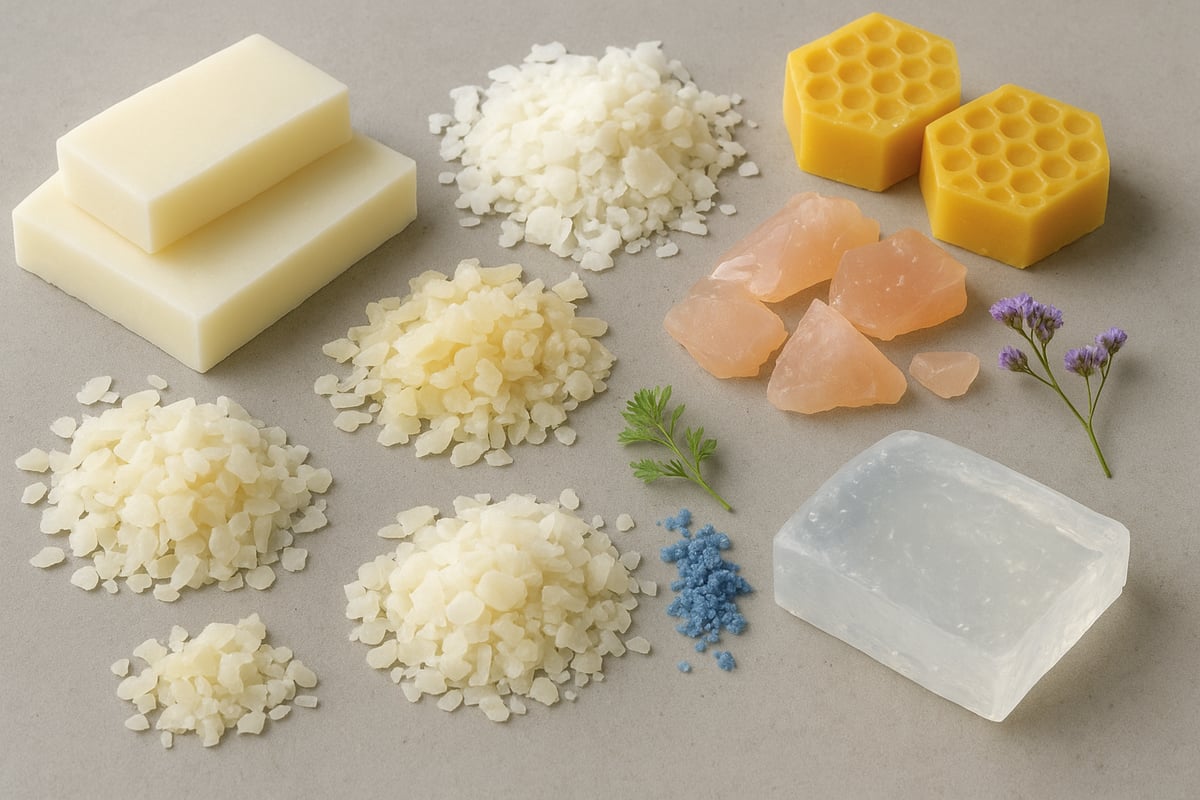
Paraffin remains the most widely used wax for candle making in 2026, prized for its affordability and versatility. This petroleum-derived wax is available in various melting points, making it suitable for containers, pillars, and votives alike.
One of paraffin’s standout features is its superior scent throw, allowing fragrances to disperse efficiently. Its ability to hold vibrant dyes also makes it a favourite for colourful, decorative candles.
However, paraffin is not without controversy. Recent data highlights ongoing concerns about emissions and air quality, especially in enclosed spaces. Large-scale producers continue to use paraffin for mass-market scented candles, valuing its consistency and low cost.
For a closer look at how different wax for candle making can influence candle variety, you can browse this Candle collection and wax types for inspiration.
Soy Wax: The Eco-Conscious Choice
Soy wax has transformed the landscape of wax for candle making, particularly among environmentally minded consumers. Derived from renewable soybeans, this wax is biodegradable and produces minimal soot during burning.
Its lower melting point makes soy wax ideal for container candles, offering a smooth, creamy finish. Artisan brands and small businesses increasingly favour soy wax for its clean burn and gentle scent diffusion.
Market data from 2026 indicates soy wax continues to gain market share in the UK and EU, reflecting a shift toward sustainability. For those seeking a greener option, soy wax for candle making is a practical and ethical choice.
Beeswax: Nature’s Purifier
Beeswax is renowned for its natural origins and subtle honey fragrance, making it a premium wax for candle making. It boasts the longest burn time of any natural wax, producing little to no smoke or soot.
Another benefit is its air-purifying qualities, as beeswax emits negative ions that can help reduce indoor pollutants. Sourced from ethical beekeeping practices, it appeals to consumers focused on wellness and luxury.
Given its higher price point, beeswax is often reserved for specialty or wellness candles. Its use in luxury brands exemplifies how beeswax elevates the experience of wax for candle making through purity and tradition.
Coconut Wax and Hybrid Blends: The Modern Luxuries
Coconut wax has quickly gained traction as a luxurious and sustainable wax for candle making. Known for its creamy texture and excellent scent retention, coconut wax is often blended with soy to optimise performance.
These blends offer a balance of clean burning, strong fragrance diffusion, and a visually appealing finish. Sustainability is a key selling point, with brands emphasising responsible coconut farming and transparent supply chains.
High-end candle makers are increasingly adopting coconut/soy blends, showcasing modern trends in wax for candle making that prioritise both luxury and eco-friendliness.
Rapeseed and Olive Wax: The European Alternatives
Rapeseed and olive waxes are emerging as leading local alternatives for wax for candle making in the UK and EU. Sourced from European crops, they offer a reduced carbon footprint compared to imported waxes.
These plant-based waxes are vegan, non-GMO, and suitable for those with allergies. Their stable burn and reliable scent throw make them increasingly popular for both hobbyists and commercial producers.
In 2026, more brands are turning to rapeseed and olive wax, meeting the demand for locally sourced, ethical options in wax for candle making.
Gel Wax and Speciality Waxes
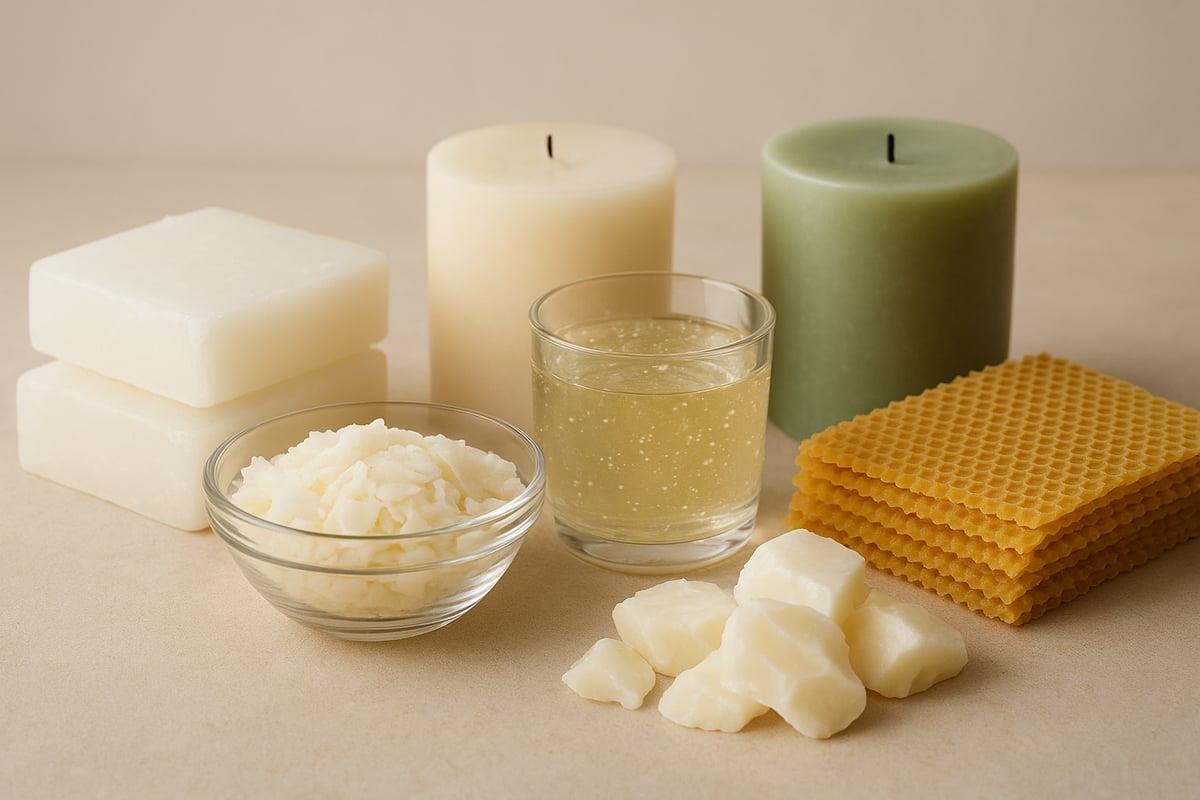
Gel wax stands out for its unique transparency, allowing for creative candle designs that embed decorative items or create striking visual effects. This speciality wax for candle making is composed of mineral oil and polymer resin, offering a completely different experience from traditional waxes.
It is frequently used for novelty and decorative candles, but requires careful handling due to specific safety considerations and updated regulations. Decorative gel candles are especially popular for custom gifting and bespoke designs, further expanding the versatility of wax for candle making.
How to Choose the Right Wax for Your Candle Project
Choosing the right wax for candle making is a crucial step that influences the final product’s quality, performance, and appeal. With so many options available in 2026, understanding how to match your project goals to the ideal wax sets the foundation for success.
Assessing Your Candle Goals and Requirements
Before selecting wax for candle making, clarify your intent. Are you crafting container candles, pillars, votives, or tealights? Different forms require different wax characteristics. For example, container candles benefit from softer waxes like soy, while pillars need firmer blends.
Consider the scent strength and burn time you desire. Some waxes hold fragrance better while others excel at slow, even burns. Your aesthetic preferences also play a role: do you want a creamy finish, vibrant colour, or a natural look?
Finally, reflect on environmental and ethical priorities. If air purification matters, beeswax is a strong choice. For sustainability, soy or rapeseed waxes may align better with your values. Matching wax for candle making to your goals ensures a satisfying result.
Comparing Performance: Burn, Scent, and Appearance
Performance is central when choosing wax for candle making. The type of wax affects how well your candle burns, how much scent it releases, and its visual finish.
| Wax Type | Burn Quality | Scent Throw | Appearance |
|---|---|---|---|
| Soy | Clean, steady | Moderate-strong | Creamy, smooth |
| Beeswax | Long, minimal soot | Mild-natural | Subtle yellow, glossy |
| Paraffin | Even, strong | Strong | Bright, vibrant |
| Coconut | Consistent | Excellent | Creamy, luxurious |
| Rapeseed | Stable | Good | Pale, soft finish |
Customer research in 2026 shows increased preference for soy and coconut blends due to their scent and appearance. Choosing the best wax for candle making directly impacts fragrance diffusion, burn consistency, and the final look of your candles.
Budget, Sourcing, and Availability
Budget and sourcing are practical factors in wax for candle making. Paraffin remains cost-effective and widely available, but plant-based waxes like soy or rapeseed are gaining traction, especially for eco-conscious makers.
Supply chain stability post-Brexit has made local sourcing more appealing. Rapeseed wax, produced within the UK and EU, offers a reliable and affordable alternative. For those scaling up, buying in bulk is essential—resources like Wholesale candle wax and melts can help streamline procurement and reduce costs.
Comparing prices, availability, and sourcing locations ensures you select wax for candle making that fits both your business needs and your ethical standards.
Sustainability and Ethical Sourcing
Sustainability is a top priority for many candle makers in 2026. Certifications such as organic, vegan, cruelty-free, and Fairtrade are increasingly important when choosing wax for candle making. Consumers expect transparency about where and how materials are sourced.
Local and plant-based waxes, such as rapeseed and soy, reduce transport emissions and support ethical farming practices. Market data shows that over 60% of UK buyers now prioritise eco-friendly candles. By selecting sustainable wax for candle making, you not only help the environment but also appeal to a growing, conscientious customer base.
Review supplier credentials and seek out certifications to ensure your wax for candle making meets the latest ethical standards.
Troubleshooting Common Wax Issues
Even with careful planning, issues can arise when working with wax for candle making. Frosting, sweating, poor scent throw, or uneven burns are among the most reported concerns in 2026.
Common solutions include:
- Adjusting pouring temperatures to reduce frosting
- Using additives for smoother tops in soy wax candles
- Selecting the right wick size to prevent tunnelling
- Ensuring thorough mixing of fragrance oils for even scent distribution
Best practices involve testing small batches and recording results to find what works best for your chosen wax for candle making. By troubleshooting effectively, you can consistently produce high-quality candles that meet both your standards and customer expectations.
Trends and Innovations in Candle Wax for 2026
The world of wax for candle making is evolving rapidly in 2026. As consumer values shift and technology advances, makers are seeking new ways to blend artistry, sustainability, and performance. Staying ahead of these trends is crucial for anyone serious about candle creation.
Eco-Friendly and Next-Generation Waxes
Eco-consciousness is at the forefront of wax for candle making. Biodegradable, plant-based waxes are gaining momentum, driven by environmental concerns and demand for sustainable goods. New blends are emerging, including hemp, sunflower, and even algae waxes, each offering unique burn characteristics and minimal ecological impact.
Producers are prioritising local sourcing to reduce transport emissions and carbon footprints. These innovations not only appeal to green-minded consumers but also align with regulatory pressures for lower environmental impact. As a result, choosing the right wax for candle making increasingly means considering its life cycle from farm to flame.
Advances in Scent and Colour Technology
Innovation in scent and colour is transforming the performance of wax for candle making. Manufacturers are developing waxes with enhanced fragrance load capacities, allowing for richer and longer-lasting aromas. Natural dye compatibility is also improving, with plant-based pigments delivering vibrant, stable colours without synthetic additives.
A major breakthrough is the use of micro-encapsulation technology. This allows fragrance molecules to be released gradually, extending scent throw throughout the candle's life. These advances mean that wax for candle making can now deliver both a stronger sensory experience and better visual appeal.
Custom Blends and Personalisation
Personalisation is a defining trend in wax for candle making. DIY enthusiasts and boutique brands are experimenting with custom blends, tailoring performance to specific needs or signature scents. Bespoke waxes are increasingly popular for private labels, allowing for unique burn qualities and creative finishes.
Small-batch producers are mixing soy, coconut, and specialty waxes to optimise scent throw, burn time, and texture. This flexibility empowers makers to stand out in a competitive market, offering customers something truly distinctive in the world of wax for candle making.
Regulatory and Market Changes
Regulation is shaping the future of wax for candle making. In the UK and EU, updated standards focus on safety, labelling, and environmental compliance. Manufacturers must now provide allergen disclosures, meet stricter emissions limits, and ensure transparency in sourcing.
These changes are influencing market dynamics, with some wax types gaining ground due to their compliance advantages. For a comprehensive look at shifting trends and regulatory impacts, see 2026 Candle Trends to Watch. Understanding these rules is essential for anyone choosing wax for candle making in 2026.
Consumer Preferences and Market Data
Consumer demand is a powerful driver in the wax for candle making industry. Recent surveys show a marked increase in preference for vegan, allergen-free, and locally sourced waxes. Buyers are seeking transparency, ethical production, and products that align with their values.
Data from 2025-2026 highlights a shift towards plant-based and hybrid waxes, as well as a growing interest in custom and artisanal candles. Brands that respond to these trends with innovative wax for candle making are well-positioned to capture the modern market.
Step-by-Step Guide: Working with Candle Wax
Working with wax for candle making is a rewarding process, but attention to detail is essential at every stage. Whether you are a hobbyist or aiming for professional results, following a structured method will ensure safe, beautiful, and high-performing candles.
Step 1: Preparing Your Workspace and Materials
Before you begin, set up a safe, well-ventilated area dedicated to working with wax for candle making. Safety is crucial, so wear gloves, an apron, and safety glasses to protect yourself from spills and hot wax.
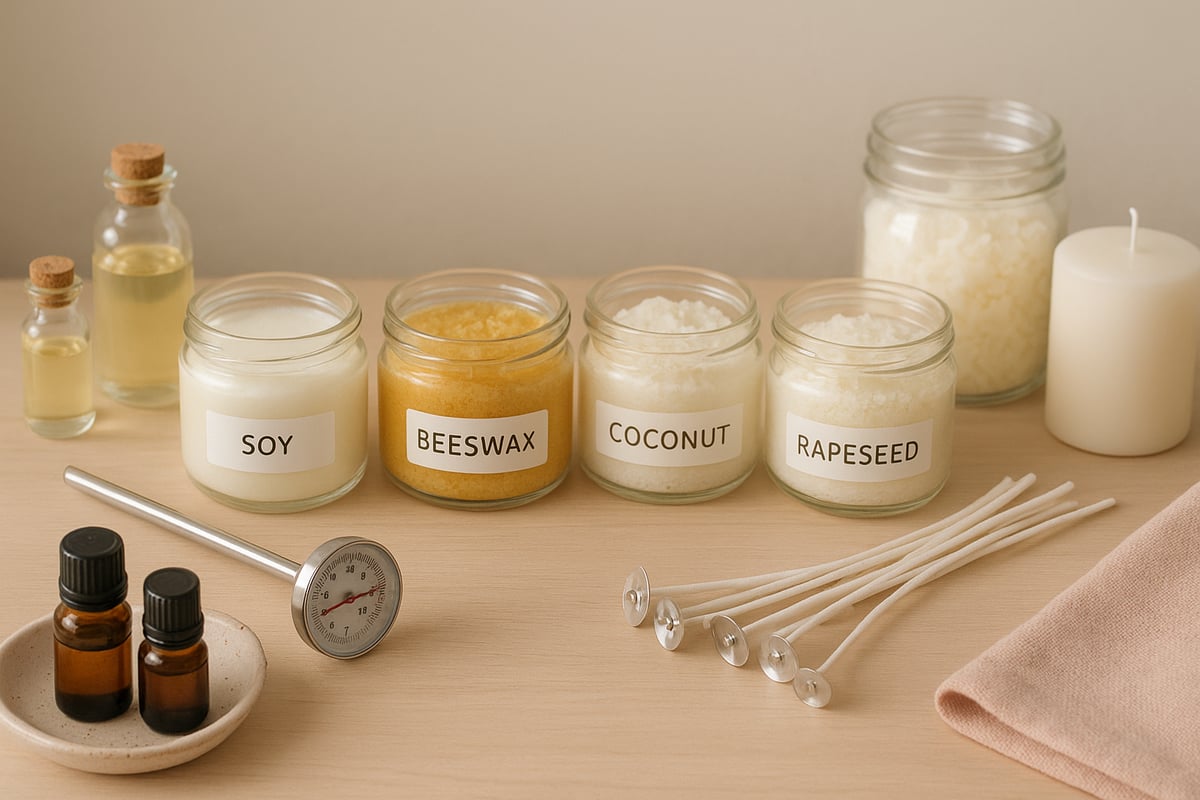
Gather all necessary equipment, including a thermometer, double boiler, pouring jugs, wicks, and your chosen containers or moulds. Clean and dry all surfaces and tools thoroughly.
For a complete list of essential tools and accessories, explore the Candle accessories essentials page, which covers everything you need for professional results.
Taking time to prepare your workspace ensures a smoother, safer candle making experience.
Step 2: Measuring and Melting the Wax
Accurate measurement is the foundation of excellent results when using wax for candle making. Weigh your wax according to the size and number of candles you plan to produce, allowing for a small margin to account for spillage or absorption.
Use a double boiler for controlled, even heating. Place the wax in the melting pot and monitor the temperature closely with a thermometer, aiming for the recommended melting point for your chosen wax.
Never leave melting wax unattended. Heating slowly helps prevent scorching and ensures the wax melts uniformly, which is essential for consistent candles.
Step 3: Adding Fragrance, Dye, and Additives
Enhancing your wax for candle making with fragrance and colour transforms simple wax into a sensory experience. Once the wax is fully melted and reaches the ideal temperature for your wax type (often between 60–75°C), carefully add fragrance oils and dyes.
Follow guidelines for fragrance load, typically 6–10% by weight, based on the wax's capacity. Stir gently but thoroughly to ensure even distribution of scent and colour.
Avoid overheating, as this can degrade fragrance and affect the final candle quality. Consistent mixing at the right temperature is key to vibrant, aromatic candles.
Step 4: Pouring and Setting the Wax
Pouring wax for candle making requires patience and precision. Allow the melted wax to cool slightly, reaching the optimal pouring temperature recommended for your wax type. Pour slowly into prepared containers or moulds, keeping the wick centred.
To avoid air bubbles and uneven surfaces, tap the container lightly and pour in a steady stream. Leave a small gap at the top to prevent overflow.
Let candles cool undisturbed at room temperature. Different waxes have varying cure times, so refer to manufacturer guidelines for the best results.
Step 5: Finishing and Testing Your Candles
Once set, trim wicks to 5–7mm for safe burning. Remove candles from moulds with care, checking for smooth edges and even surfaces.
Conduct a burn test to evaluate scent throw, wick performance, and burn quality. If issues arise, such as rough tops or poor fragrance, adjust pouring temperatures or wick size for your next batch.
For further tips on refining your technique, read the Candle making tips and insights blog, which shares advice from experienced candle makers.
Step 6: Storage, Labelling, and Compliance
Proper storage is vital for maintaining the quality of your wax for candle making. Store finished candles in a cool, dry place away from direct sunlight to prevent sweating or scent loss.
If you plan to sell or gift your candles, ensure labels meet 2026 UK/EU requirements, including allergen information and safety warnings. Keep records of your wax sources and batch details for full compliance.
Staying organised and compliant not only protects consumers but also builds trust in your candle making brand.
Expert Tips and Recommendations for Candle Makers
Unlocking success with wax for candle making requires practical strategies and up-to-date knowledge. Whether you are fine-tuning your technique or scaling a business, these expert tips will help you maximise performance, safety, and market appeal.
Maximising Scent Throw and Burn Quality
The right combination of wax for candle making, wick, and fragrance oil is essential for optimal scent throw and burn. Test various wick sizes and materials for each wax type, as the wrong wick can cause tunnelling or excessive soot. Choose fragrance oils specifically formulated for candles and adhere to recommended load percentages. For example, soy and coconut waxes typically perform best with a fragrance load between 6% and 10%. Keep an eye on burn tests to ensure even melting and strong scent diffusion. Monitor your results and adjust one variable at a time for consistent improvement with each batch.
Enhancing Candle Appearance and Shelf Life
To achieve visually appealing and long-lasting candles, address common issues like frosting, sweating, and colour fading. Use additives such as stearic acid for a smoother finish or UV stabilisers to preserve vibrant colours. Proper temperature control during pouring is crucial, as pouring too hot or too cold can lead to rough tops or sinkholes. Storing finished candles in a cool, dry place protects the integrity of wax for candle making and prevents scent loss. Regularly inspect your inventory for any signs of degradation, and rotate stock to maintain freshness.
Scaling Up: From Hobbyist to Business
When increasing production, consistency in your wax for candle making is vital. Source wax in bulk from reputable suppliers and request specification sheets to ensure quality. Implement batch testing to check burn quality, scent throw, and appearance across larger runs. Stay compliant with evolving safety standards and labelling regulations by referencing resources such as Navigating Candle Safety & Compliance Standards in US & EU Markets. Document all processes for traceability, and invest in quality control tools like digital thermometers and scales for precise measurements.
Sustainable Packaging and Marketing
Consumers in 2026 are increasingly eco-conscious, so align your wax for candle making with sustainable packaging. Opt for biodegradable labels, recycled glass containers, and minimal plastic. Communicate your environmental efforts clearly on product labels and marketing materials. Consider offering candle refills or recycling schemes to build customer loyalty. Highlighting ethical sourcing and certifications, such as vegan or cruelty-free, can further differentiate your brand in a crowded marketplace. Showcase your sustainable practices through social media and product storytelling to engage modern buyers.
Resources and Further Learning
Continuous learning is key to mastering wax for candle making. Explore industry books, attend workshops, and join online communities to stay informed about trends and techniques. Membership in associations such as the British Candlemakers Federation can provide valuable networking and regulatory updates. For those considering market expansion, consult guides like Entering the European Market for Candles for insights into compliance and consumer preferences. Track industry data on workshop attendance and online course growth to identify new opportunities for skill development.
As you explore the evolving world of candle making in 2026, understanding the perfect wax choice is just the beginning. Whether you are inspired by traditional hand-pouring or the latest sustainable trends, the right wax sets the foundation for every beautiful candle you create. If you are eager to experience expertly crafted scents that embody Scotland’s rich heritage, why not see what’s possible with a finished product? Discover how our bespoke craftsmanship and fragrance expertise come together for the festive season—treat yourself or a loved one and Shop Christmas Candles for an inspiring, sensory experience.