

Guide to Makers of Wax: Expert Insights for 2026
The global appetite for artisan wax products is rising rapidly, with 2026 forecasted to be a breakthrough year for both established and emerging makers of wax. This surge is fuelled by a renewed appreciation for craftsmanship and the unique sensory experiences these products offer.
In this guide, you will discover expert insights into the world of makers of wax. We explore the evolution of the craft, highlight leading brands and artisans, and examine the innovative methods shaping the industry.
You will also find a detailed look at sustainability practices, ethical production, and the future trends set to define the market. Whether you are a buyer, retailer, or enthusiast, this guide provides actionable knowledge and inspiration to help you navigate the evolving landscape of wax craftsmanship.
The Evolution of Wax Making: From Tradition to Modern Innovation
Wax making has a rich and fascinating history, stretching back to ancient civilisations. Early makers of wax produced candles for light, as well as decorative and ceremonial purposes. Beeswax was a prized material, valued for its slow burn and sweet scent. Over centuries, artisans experimented with animal fats, plant oils, and other natural substances, refining their craft and techniques.
As societies advanced, so did the practices of makers of wax. The classic hand-pouring method, where each candle or art piece was shaped by hand, dominated for generations. This approach ensured individuality and attention to detail, yet it limited scale. The Industrial Revolution changed the landscape, introducing mechanised processes and expanding production capacity. New machinery allowed for consistent results, meeting growing consumer demand.
The influence of global trends has transformed the work of makers of wax. Scent profiles and design aesthetics now draw inspiration from every corner of the world. Japanese minimalism, Scandinavian hygge, and Mediterranean botanicals have all left their mark. As mass-market products flooded shelves, a renewed appreciation for authenticity and sensory experience emerged, fuelling a renaissance in artisan and boutique wax making.
One of the most significant milestones for makers of wax was the introduction of alternative materials. Soy wax, first developed in the 1990s, quickly gained popularity as a cleaner, plant-based option. Beeswax remained sought-after for its purity, while coconut and eco-friendly blends broadened the palette of possibilities. These innovations aligned with rising environmental awareness, encouraging brands to prioritise sustainability.
Cultural movements such as wellness and sustainability have deeply influenced makers of wax. Consumers increasingly seek natural ingredients and ethical sourcing. Brands like Makers of Wax Goods exemplify this shift, blending Californian nature with leisure in their design philosophy. Their collections, inspired by landscapes and lifestyle, reflect a broader trend toward mindful production. According to the Global Candle Market Analysis, artisan candles are capturing a larger share of the market, with consumer preferences clearly favouring natural, high-quality products.
Leading Makers of Wax: Brands and Artisans to Watch in 2026
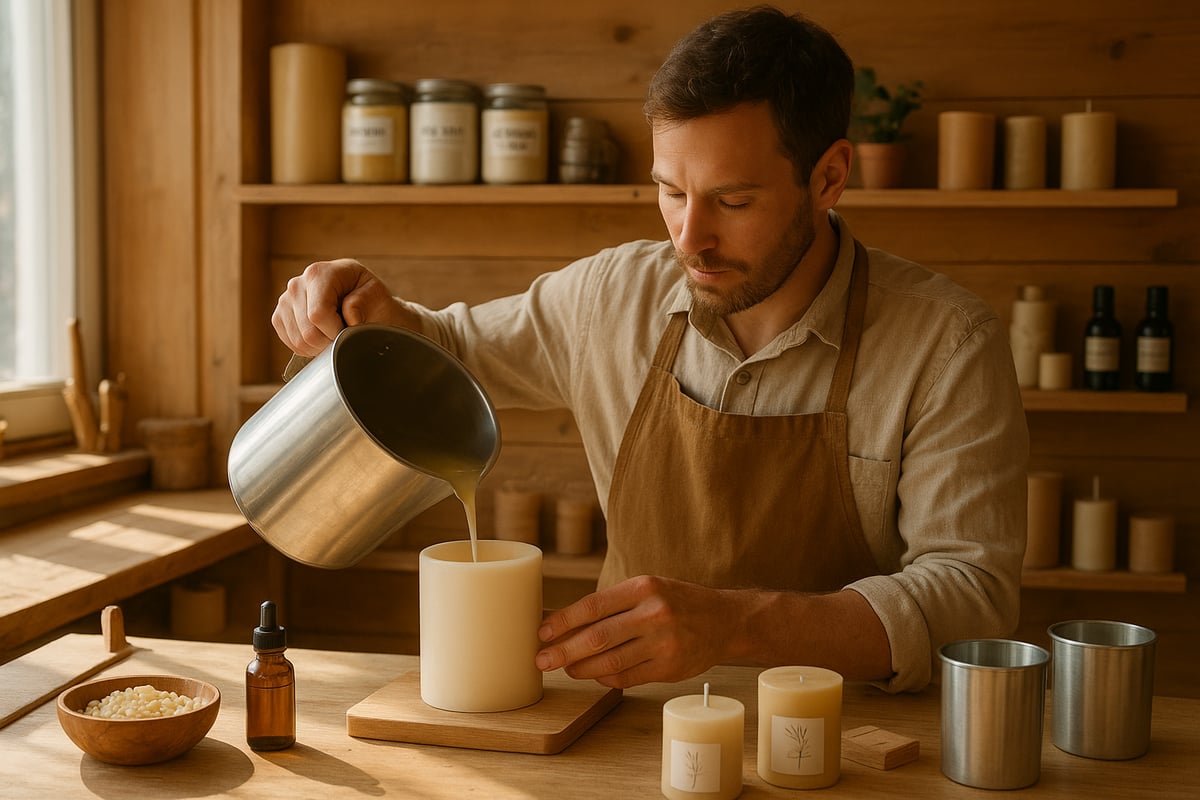
The makers of wax industry is entering a new era of creativity and distinction in 2026. As demand rises for authentic, sensory-driven products, both established brands and innovative artisans are setting new benchmarks. In this section, we spotlight the brands, trends, and bespoke opportunities defining the future of makers of wax.
Makers of Wax Goods: A Case Study
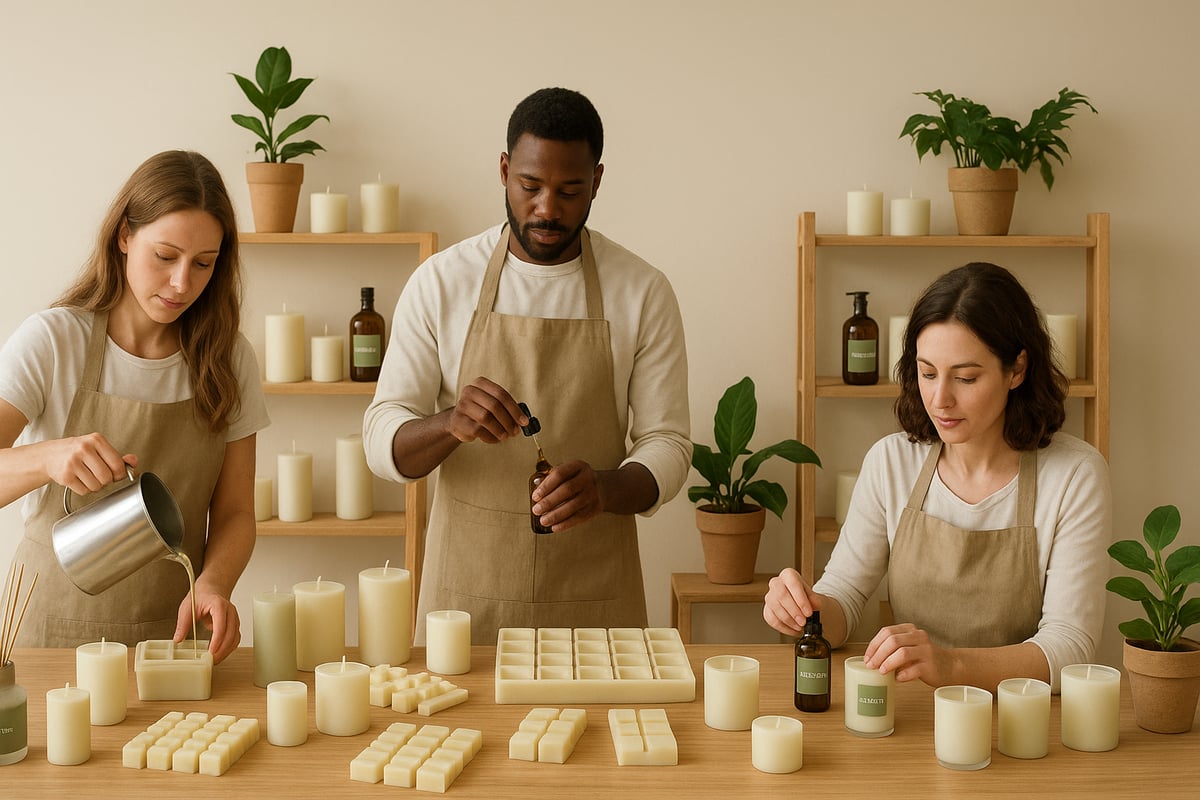
Makers of Wax Goods stands out among the makers of wax for its Californian roots and commitment to premium craftsmanship. Founded in 2014, this brand has shaped a reputation for blending nature-inspired design with distinctive lifestyle elements. Their collections, such as Desert Palm, Ocean, Mojave Sun, and Pine, capture the essence of the outdoors with every scent.
Quality is central to their ethos. The makers of wax at Makers of Wax Goods use carefully sourced ingredients and focus on aesthetic presentation. Signature fragrances like Sea Salt & Driftwood, Patchouli, and Cinnamon Spice highlight their creative approach. Distribution spans wholesale, retail, and major online marketplaces, reflecting broad appeal.
Their growth is marked by expanding wholesale partnerships and global reach. Makers of Wax Goods is an example of how modern makers of wax can balance tradition with innovation, offering products that connect emotionally with consumers.
Notable Global Brands and Rising Artisans
Beyond Makers of Wax Goods, the makers of wax landscape is rich with influential brands and emerging talents. Wax Apothecary is renowned for botanical blends and handcrafted methods. Milkhouse Candle Company focuses on pure soy wax and subtle, farmhouse-inspired scents. Big Dipper Wax Works is celebrated for beeswax candles with minimalist packaging, appealing to eco-conscious buyers.
Candier and Sweet Water Decor stand out among makers of wax for their playful branding and trend-driven collections. Each brand brings a unique perspective, often requiring minimum orders and offering bespoke scent profiles to meet diverse market needs.
Regional influences play a significant role. In the UK and Europe, local storytelling and heritage are integral to brand identity. Many makers of wax draw inspiration from their surroundings, resulting in products like Paradise Valley and Smoked Woods & Bergamot that set new trends. The interplay of tradition and innovation is evident as artisan wax makers respond to both classic and modern preferences.
Consumer interest is shifting towards brands that offer both time-honoured and experimental products. Data shows a notable increase in demand for natural ingredients and authentic stories. This diversity ensures that the makers of wax sector remains vibrant and adaptable, catering to a global audience with varied tastes.
Trends in Private Label and Bespoke Wax Manufacturing
One of the most dynamic shifts among makers of wax is the rise of private label and bespoke production. Retailers and boutique brands increasingly seek custom scent development and tailored product lines to differentiate themselves. Collaboration is at the heart of this trend, with makers of wax partnering with businesses for limited-edition collections and seasonal releases.
Brand storytelling and packaging innovation are crucial to private label success. Makers of wax invest in unique designs and eco-friendly materials to enhance product appeal. The demand for bespoke candles and home fragrances is climbing, driven by consumers’ desire for exclusivity and personalisation.
For those exploring wholesale or custom opportunities, platforms like Wholesale Scottish candles and wax melts provide valuable insight into industry trends and partnership models. The future for makers of wax lies in their ability to adapt, collaborate, and deliver unique experiences to both retailers and end buyers.
Key Production Methods and Materials in Wax Making
Understanding the key production methods and materials is essential for anyone interested in the makers of wax. As the industry evolves, new techniques and ingredients are shaping the way candles, melts, and diffusers are produced. Let us explore the materials, scent crafting, production approaches, and packaging trends that set leading makers of wax apart.
Types of Wax: Soy, Beeswax, Paraffin, and More
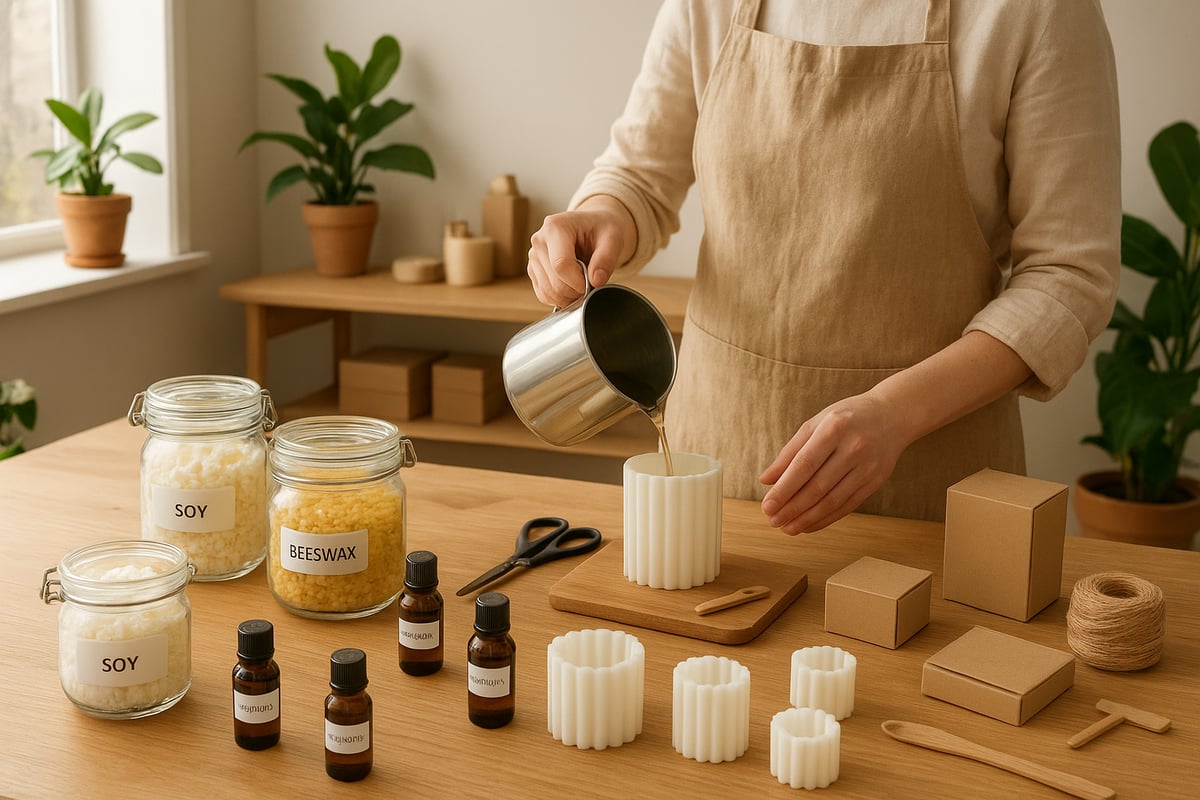
Choosing the right wax is a core decision for all makers of wax. Each type offers unique properties that impact the final product. Soy wax is prized for its clean burn and renewable sourcing, while beeswax is valued for its natural scent and minimal processing. Paraffin remains popular for consistent performance and cost efficiency. Coconut and blended waxes are gaining traction for their creamy texture and eco-friendly profile.
Here is a quick comparison:
| Wax Type | Key Benefits | Consumer Preference |
|---|---|---|
| Soy | Renewable, clean burn | High |
| Beeswax | Natural aroma, long burn | Niche, growing |
| Paraffin | Reliable, strong scent throw | Steady |
| Coconut | Smooth, sustainable | Rising |
As sustainability becomes a priority, more makers of wax are adopting 100% natural wax blends in their collections. Industry projections show soy wax steadily increasing its market share, appealing to consumers who value eco-friendly options. To see the diversity in wax melt production, browse this Candle and wax melt collection for real-world examples.
Scent Crafting and Fragrance Selection
Scent is at the heart of what distinguishes makers of wax products. Creators blend essential and fragrance oils with precision, using scent layering to build complex aromatic experiences. Popular fragrance trends include citrus for freshness, woody notes for warmth, floral bouquets for elegance, and gourmand scents for comfort.
Leading makers of wax experiment with unique blends such as Palo Santo & Tonka, Peppermint Bark, and Oak & Black Pepper. Each fragrance is developed to evoke a specific mood or memory, reflecting both artistry and consumer demand. The process involves multiple rounds of testing to ensure a balanced scent throw that fills a space without overwhelming it.
The right fragrance selection can elevate a simple candle or melt into a memorable sensory experience. As trends evolve, makers of wax will continue to innovate with new scent combinations and seasonal releases.
Hand-Pouring vs. Machine Production
Production methods greatly influence the quality and identity of products created by makers of wax. Hand-pouring is favoured by artisan brands for its attention to detail and ability to produce small, bespoke batches. This method allows for greater customisation but requires significant skill and time.
Machine production, on the other hand, offers efficiency and scalability. It ensures consistency across large volumes, which is vital for fulfilling wholesale orders and maintaining uniformity. However, some makers of wax believe that hand-poured items achieve richer scents and a more personal touch.
Choosing between these approaches depends on brand values, target market, and production goals. Many leading makers of wax blend both methods, balancing craft with the demands of a growing market.
Packaging and Presentation Innovations
Packaging is a powerful tool for makers of wax to express brand identity and enhance product appeal. Current trends lean towards minimalist designs, nature-inspired graphics, and luxury finishes that transform everyday products into statement pieces.
Eco-friendly materials are now standard among top makers of wax. Recyclable glass, metal tins, and compostable labels are widely used. Portable options such as travel tins and the elegant Glass Mirage jar cater to customers seeking style and convenience.
Innovative packaging not only protects the product, it also tells a story. For many makers of wax, the unboxing experience is as important as the fragrance itself, creating lasting impressions and encouraging repeat purchases.
Sustainability and Ethical Practices in Wax Manufacturing
Sustainability has become a defining factor for makers of wax as consumers increasingly seek products that align with their values. From renewable materials to ethical sourcing, the industry is evolving rapidly to meet these expectations. Let us explore the key pillars shaping responsible wax manufacturing.
Sourcing Natural and Renewable Materials
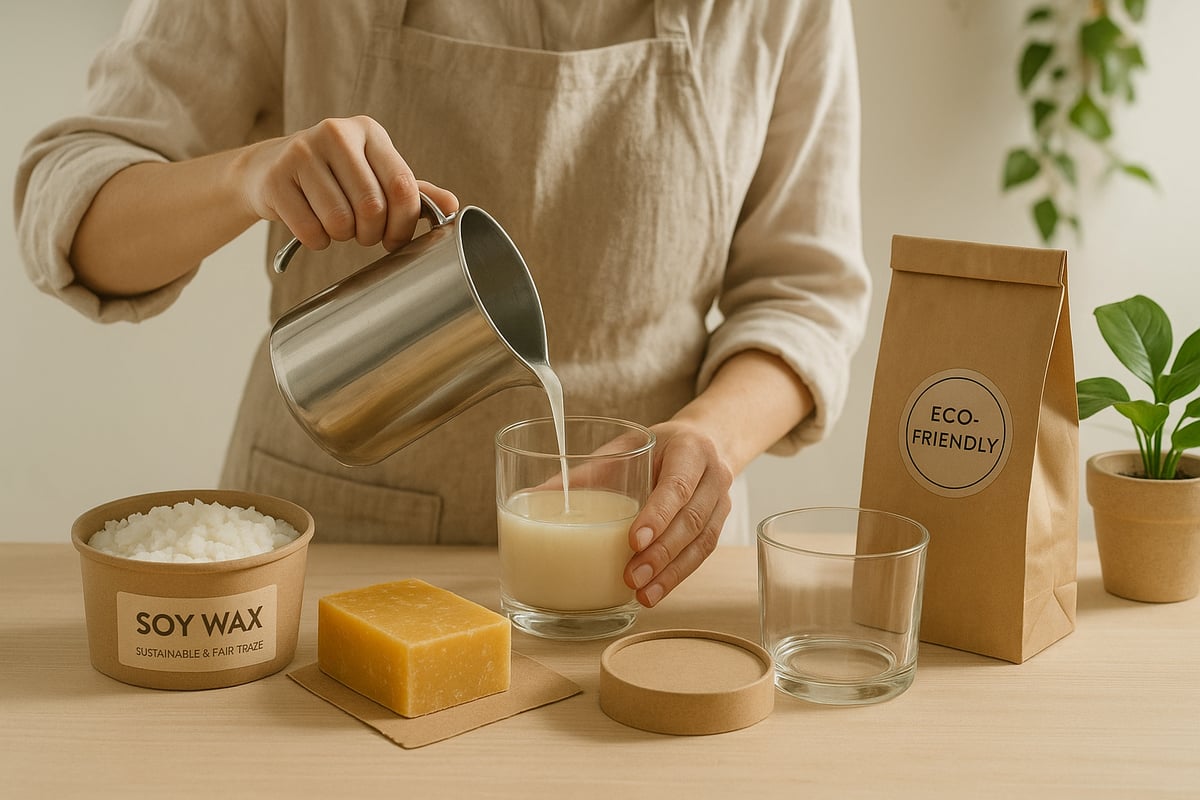
Responsible sourcing is at the heart of sustainable wax making. Leading makers of wax prioritise ingredients such as soy, beeswax, and coconut wax, all of which are renewable and biodegradable. Certification schemes, including organic and fair trade labels, help brands demonstrate transparency and traceability.
Consumers are increasingly attentive to eco-friendly credentials. Many makers of wax highlight their use of non-GMO soy or ethically harvested beeswax in product descriptions and marketing materials. According to recent Global Craft Field Candles Market Growth reports, demand for environmentally conscious candles is projected to rise steeply through 2026, driving further innovation in sourcing.
Reducing Environmental Impact in Production
Minimising environmental impact is a core principle for makers of wax. Production facilities are adopting energy-efficient processes such as solar-powered melting tanks and optimised batch sizes to reduce waste. Recycling initiatives, like reusing offcuts and trimmings, are standard practice among forward-thinking brands.
Comparative studies reveal that modern wax production methods can significantly lower carbon footprints compared to traditional techniques. Makers of wax are also investing in water conservation and responsible disposal of by-products. These steps not only protect the planet but also enhance the brand’s reputation with environmentally aware customers.
Ethical Labour and Fair Trade Considerations
For makers of wax, ethical labour practices go hand in hand with sustainability. Ensuring fair wages, safe working environments, and respect for artisans’ rights is essential. Many brands partner with local communities, supporting small-scale beekeepers or farmers who supply raw materials.
Transparency is highly valued by today’s consumer. Makers of wax that publicly share their supply chain information and participate in fair trade initiatives often enjoy stronger customer loyalty. This commitment helps uplift communities while reinforcing the ethical foundation of the entire industry.
Innovations in Refillable and Reusable Products
Innovation in product design is transforming the way makers of wax approach sustainability. Refillable candles, reed diffusers, and wax melts are gaining popularity for their reduced waste and long-term value. Packaging solutions now prioritise recyclability and versatility, with glass jars and metal tins designed for repurposing.
Some makers of wax offer reed diffuser refills and travel candle tins, catering to consumers who want both style and eco-consciousness. These developments encourage repeat purchases and help brands stand out in a crowded market. The shift towards reusable products signals a promising future for sustainable wax craftsmanship.
Expert Insights: What Buyers and Retailers Need to Know for 2026
As the landscape for makers of wax continues to evolve, buyers and retailers need to stay informed on the latest market forces, quality benchmarks, and strategic approaches shaping the industry. Whether you are sourcing for a boutique, stocking a large retail chain, or curating your own collection, understanding these expert insights will position you for success in 2026.
Market Trends and Consumer Preferences
The demand for makers of wax has surged, with consumers seeking more than just candles. Unique home fragrance experiences, seasonal scents, and wellness-inspired products are driving growth. Buyers are noticing a marked shift towards natural ingredients, with soy and beeswax blends outpacing paraffin-based products.
Regional preferences also shape the market. In the UK and Europe, subtle herbal and floral notes are popular, while US consumers gravitate towards gourmand and woody scents. Online retail continues to expand, making it easier for new makers of wax to reach global audiences. For a broader perspective on distribution channels and evolving consumer tastes, see Aromatic Candle Market Trends.
Industry data projects that the home fragrance market will see double-digit growth through 2026, with wax melts, diffusers, and artisanal blends topping sales charts. Keeping abreast of these trends helps buyers select lines that resonate with their target audience.
Quality Indicators: What Sets Premium Wax Products Apart
Discerning buyers know that not all makers of wax produce at the same level. Premium products stand out through ingredient transparency, consistent performance, and trusted certifications. Look for clear labelling of wax type, fragrance sources, and burn times.
Certifications such as vegan, cruelty-free, or organic provide reassurance and help products stand out on crowded shelves. Awards from industry bodies or consumer groups can further validate a brand’s commitment to excellence.
Below is a table summarising key quality indicators for premium wax products:
| Indicator | Description | Why It Matters |
|---|---|---|
| Ingredient Sourcing | Natural, ethical, traceable | Health, sustainability |
| Burn Quality | Even, minimal soot | Safety, satisfaction |
| Scent Throw | Consistent, long-lasting | Enhanced experience |
| Certifications | Eco, vegan, cruelty-free | Builds trust |
Prioritising these indicators ensures that makers of wax align with both retailer standards and consumer expectations.
Buying Strategies for Retailers and Enthusiasts
Navigating the growing world of makers of wax requires a strategic approach. Retailers should weigh the benefits of sourcing directly from artisans versus established wholesalers. Direct relationships often mean lower minimum orders, exclusive scents, and personalised service, but may require more hands-on management.
Sampling is essential. Test new collections to assess scent throw, burn performance, and packaging appeal. Evaluate pricing structures, considering both wholesale discounts and potential for private label opportunities. For enthusiasts, subscribing to seasonal releases or limited editions is an excellent way to discover new makers of wax and stay ahead of trends.
Building a diverse portfolio, including both classic and innovative offerings, will help retailers remain competitive in a rapidly changing market.
Navigating the Wholesale and Private Label Market
Wholesale and private label partnerships are transforming how makers of wax reach consumers. Retailers can collaborate with artisans for exclusive blends or seasonal launches, enhancing brand storytelling and customer loyalty.
Platforms like Faire Market simplify the discovery of new makers of wax, offering tools for order management and trend analysis. Packaging innovation and bespoke scent development are also key differentiators in private label success. As product categories expand, reed diffusers and wax melts are becoming essential additions to any curated range. For inspiration, explore the variety of reed diffusers and wax artisans highlighting the creativity within the market.
By leveraging these opportunities, both established retailers and new entrants can carve out a distinct presence, building lasting relationships with leading makers of wax.
The Future of Wax Making: Predictions and Opportunities for 2026
The landscape for makers of wax is shifting rapidly, with innovation and sustainability at the heart of tomorrow’s industry. As we look to 2026, the future promises a blend of technology, eco-consciousness, and creative expansion. Whether you are a seasoned artisan, a new entrant, or a retailer, understanding these developments is crucial for staying ahead in the evolving world of wax craftsmanship.
Technological Advancements in Wax Production
By 2026, makers of wax are embracing cutting-edge technology to elevate both quality and creativity. Automation is streamlining repetitive tasks, enabling consistent pouring, precise scent blending, and improved quality control. Digital tools support rapid prototyping, allowing artisans to test new designs and scent profiles efficiently.
Artificial intelligence is making its mark as well, assisting in developing unique fragrance combinations based on consumer trends. Machine-assisted production does not replace the artisan’s touch but enhances scalability and innovation. Many workshops now blend hand-pouring with automated processes to achieve the best of both worlds.
For those looking to refine their craft, investing in the right candle accessories for makers is essential. These tools, from precision thermometers to moulds, support both small-batch and larger scale production. As technology advances, the makers of wax who adapt quickly are set to lead the market.
Sustainability as a Market Driver
Sustainability is no longer optional for makers of wax, it is a defining factor in consumer choice and brand reputation. The demand for eco-friendly products is driving the adoption of renewable waxes, recyclable packaging, and transparent sourcing. Brands are increasingly using soy, beeswax, and coconut wax to minimise environmental impact.
Regulatory changes are also shaping the landscape, requiring greater disclosure of ingredients and supply chain practices. Consumers want to know that their purchases support ethical labour and responsible production. Companies are responding with certifications, carbon-neutral initiatives, and waste reduction strategies.
According to the U.S. Luxury Candle Market Forecast, the market for sustainable soy and beeswax candles is predicted to grow significantly by 2026. Makers of wax who prioritise sustainability will be well positioned to capture this expanding segment.
Expanding Product Categories and Applications
Makers of wax are no longer limited to candles alone. The future is about diversification, with brands exploring wax melts, diffusers, soaps, and even personal care products. This expansion is driven by consumer interest in holistic sensory experiences and the blurring lines between home fragrance and wellness.
Innovative makers are experimenting with scent layering and multifunctional products. For example, reed diffusers and hand soaps featuring signature fragrances are becoming top sellers. Seasonal and limited-edition collections attract buyers seeking novelty and exclusivity.
This trend encourages collaboration between makers of wax and lifestyle brands, resulting in unique product lines that appeal to a broader audience. By branching out, artisans can reach new markets and create lasting brand loyalty.
Opportunities for New Entrants and Artisans
The coming years present exciting opportunities for aspiring makers of wax. Niche markets are flourishing, from regionally inspired scents to experiential collections that tell a story. Leveraging local heritage and cultural influences helps new brands stand out in a crowded marketplace.
Support networks are more accessible than ever, with online marketplaces, trade shows, and artisan collectives fostering collaboration and growth. Entry barriers are lower thanks to digital marketing and direct-to-consumer sales models. New entrants can quickly build a following by showcasing their authenticity and craftsmanship.
For those keen on innovation, partnerships with established makers of wax offer a pathway to exclusive collaborations and shared expertise. The ability to adapt and experiment is a key advantage for artisans entering the market in 2026.
Challenges and Considerations for the Next Generation of Makers
Despite the promise of growth, makers of wax must navigate several challenges. Balancing the preservation of traditional methods with the adoption of new technologies requires careful planning. Supply chain disruptions and ingredient shortages can impact both quality and cost.
Maintaining authenticity while scaling up production is another hurdle. As demand rises, makers of wax must ensure their products remain true to their brand values and quality standards. Transparent communication with customers is essential for building trust.
Looking ahead, success will belong to those who combine innovation with a commitment to craftsmanship. The makers of wax who adapt, collaborate, and stay true to their roots will shape the industry for years to come.
As we look ahead to the future of wax making, it is clear that craftsmanship, innovation, and a deep connection to sensory experiences are at the heart of the industry’s growth. If you are inspired by the artistry and unique scent profiles explored in this guide, why not experience the difference for yourself? Whether you are seeking something special for your home or looking to capture the spirit of the season, you can discover beautifully hand-poured options rooted in Scottish tradition. Explore the full collection and Shop Christmas Candles for a truly memorable fragrance journey.