

Candle With Wax Guide: Expert Insights for 2026
Candle culture is making a comeback, with more people than ever seeking the perfect candle with wax that delivers both beauty and function. Yet, the secret to an exceptional candle experience lies in understanding the wax itself.
This guide gives you expert insights to help you choose, use, and truly understand candle wax in 2026. Whether you are a seasoned enthusiast or just starting, you will find practical advice to elevate your candle game.
Explore the latest in wax types, cutting-edge innovations, sustainability trends, safety essentials, step-by-step crafting, and what the future holds. Ready to get the most from your next candle with wax? Read on for everything you need to know.
Understanding Candle Wax: Types, Properties, and Performance
Understanding the science behind a candle with wax is essential for crafting the perfect ambience and scent experience. Candle wax is not just a fuel source, but the foundation that determines how a candle looks, burns, and delivers fragrance. The right candle with wax can make the difference between a clean, long-lasting burn and a disappointing performance.
The Science of Candle Wax
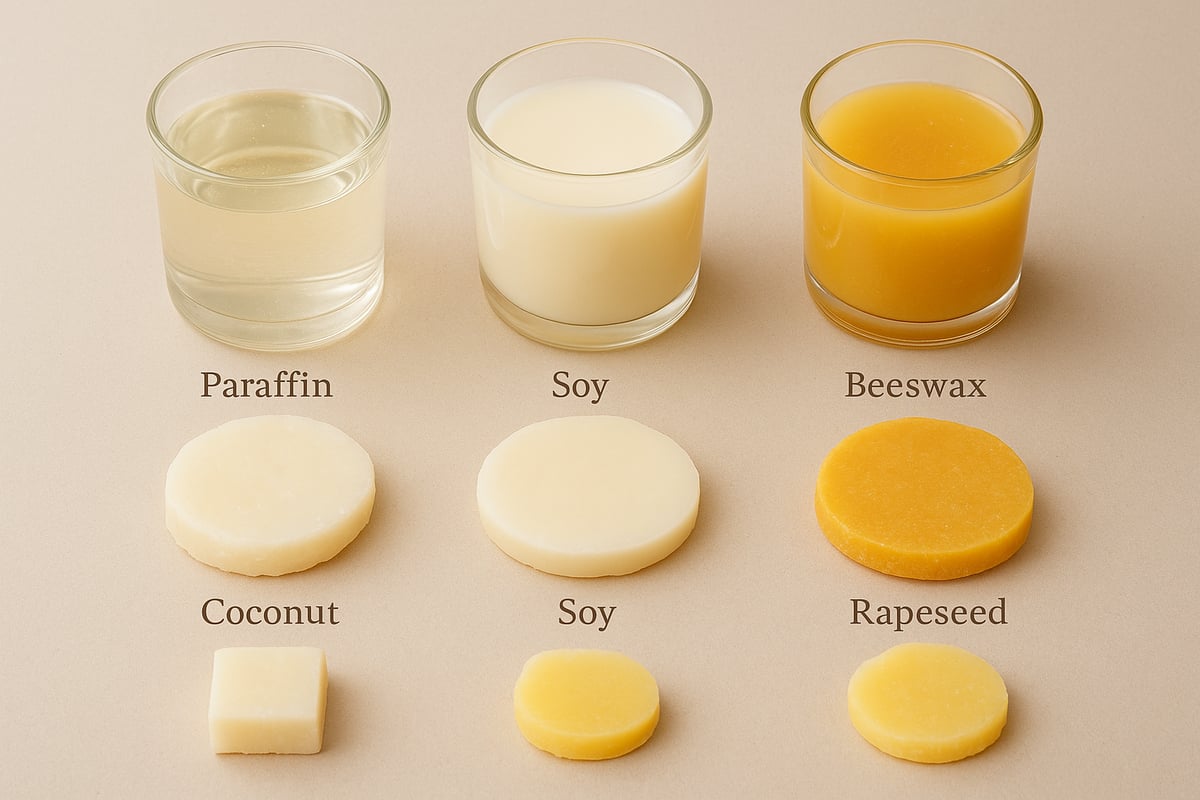
Candle wax is a solid, combustible material that serves as the primary fuel for a candle with wax. When heated, the wax melts, travels up the wick, and vaporises, producing the flame that illuminates and releases fragrance. The melting point of candle wax typically ranges from 45°C to 70°C, depending on the type and composition.
Different wax compositions impact the burn rate, scent throw, and even how much soot is produced. A candle with wax made from high-quality ingredients will burn evenly, offer a strong scent, and avoid excessive smoke or residue. The molecular structure of the wax influences how well it holds fragrance and the overall longevity of the candle.
Choosing the right candle with wax means considering these scientific factors, as they directly affect the performance and safety of your candle.
Popular Wax Types in 2026
In 2026, the candle with wax market is more diverse than ever. The most common types include paraffin, soy, beeswax, coconut, and rapeseed wax, along with new plant-based and hybrid alternatives. Each type brings unique benefits and drawbacks.
| Wax Type | Burn Time | Scent Throw | Soot Production | Pros | Cons |
|---|---|---|---|---|---|
| Paraffin | Long | Strong | High | Affordable, strong scent | Not renewable, sooty |
| Soy | Medium | Good | Low | Natural, clean burn | Soft, sometimes frosts |
| Beeswax | Long | Mild | Very Low | Purifies air, hypoallergenic | Pricey, scent subtle |
| Coconut | Medium | Excellent | Very Low | Smooth finish, great scent | Soft, costlier |
| Rapeseed | Medium | Good | Low | European, eco-friendly | Limited availability |
A candle with wax made from soy or coconut is often chosen for a balance of scent, burn time, and environmental benefits. Meanwhile, paraffin remains popular for its affordability and strong fragrance, though it is less eco-friendly.
Performance Factors
The performance of a candle with wax depends heavily on wax purity, the use of additives, and whether blends or hybrid waxes are used. Pure waxes tend to burn cleaner and hold fragrance better, but additives such as hardeners or scent boosters can enhance specific properties.
Blending wax types, like combining soy and coconut, creates candles that burn cleaner and offer improved scent diffusion. For example, a soy-coconut blend is prized for its smooth finish and strong scent throw. Additives must be carefully balanced to avoid affecting the candle with wax integrity or creating unwanted residues.
For more details on how wax choice impacts scent and performance, the Orange scented candles guide explores the relationship between wax, fragrance, and burn quality.
Innovations in Wax Technology
The candle with wax industry is seeing rapid innovation. Bio-based and lab-grown waxes are gaining ground, offering new levels of sustainability and consistency. Advances in fragrance retention and colour stability mean candles can now deliver a richer sensory experience without fading or discolouring over time.
Market data from 2024 to 2026 shows a significant shift towards natural and hybrid waxes, with consumers seeking both performance and sustainability. Candle with wax formulas now prioritise biodegradable ingredients, longer-lasting scents, and improved safety.
These technological leaps ensure that a candle with wax in 2026 is more efficient, eco-friendly, and enjoyable than ever before.
Sustainability and Candle Wax: Trends and Consumer Choices
Sustainability has become a defining factor in the world of candle with wax products. As consumers grow more conscious of environmental impact, both makers and buyers are seeking waxes that minimise harm and deliver a responsible, enjoyable experience. In 2026, understanding the sustainability of your chosen candle with wax is no longer optional, but essential for making informed decisions.
Environmental Impact of Wax Types
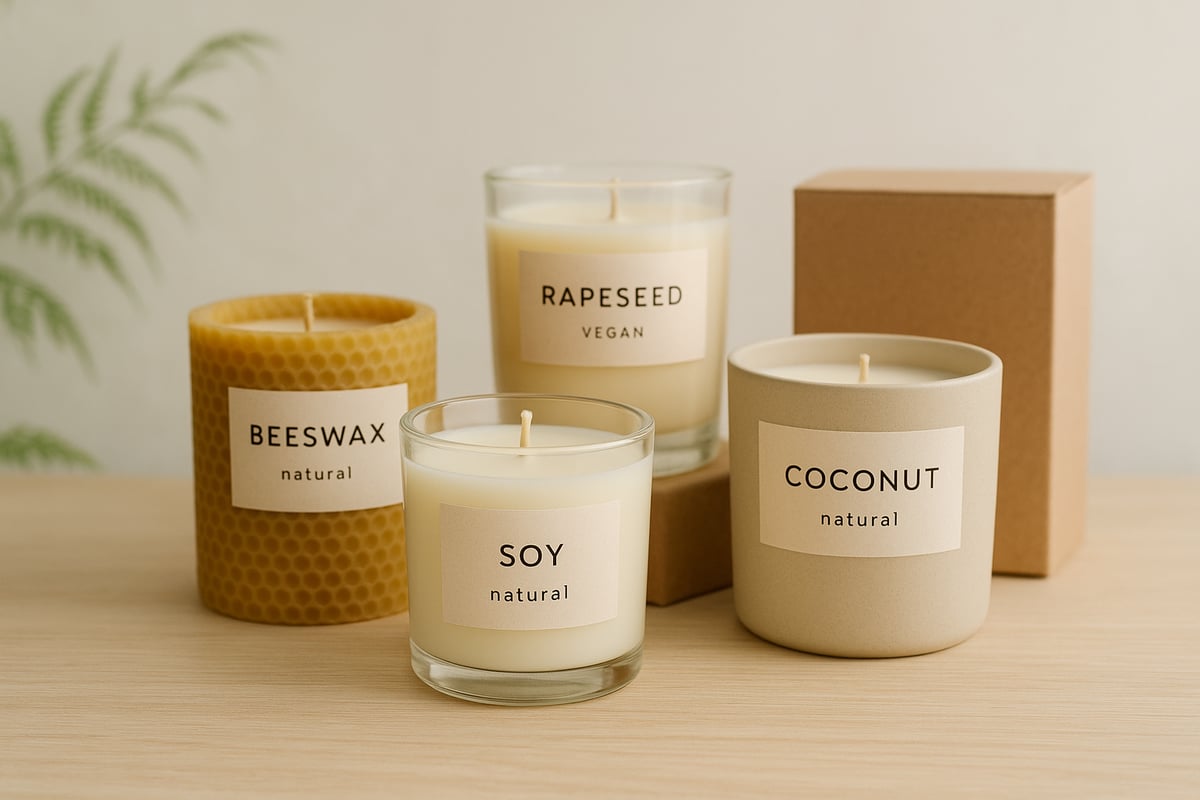
The environmental footprint of each candle with wax type varies greatly, largely dictated by its source, processing, and end-of-life behaviour. Paraffin wax, derived from petroleum, is non-renewable and releases more carbon emissions during production and burning. In contrast, plant-based waxes like soy, coconut, and rapeseed offer renewable alternatives, often with lower carbon footprints and improved biodegradability.
A lifecycle analysis reveals that plant-based waxes are generally less polluting and more sustainable over time. However, factors such as land use, pesticide application, and transport distances can affect their overall impact. Microplastics and soot from certain waxes also raise pollution concerns, particularly indoors.
For a deeper comparison of the environmental effects of different waxes, including carbon footprints and biodegradability, see this Environmental impact of candle wax resource.
| Wax Type | Source | Renewability | Carbon Footprint | Biodegradable | Soot/Microplastics |
|---|---|---|---|---|---|
| Paraffin | Petroleum | No | High | No | Yes |
| Soy | Plant-based | Yes | Medium/Low | Yes | Minimal |
| Beeswax | Animal-based | Yes | Low | Yes | Minimal |
| Coconut | Plant-based | Yes | Low | Yes | Minimal |
| Rapeseed | Plant-based | Yes | Low | Yes | Minimal |
Eco-Friendly Wax Innovations
Innovation in the candle with wax sector is rapidly advancing towards sustainability. New biodegradable and compostable waxes are entering the market, offering consumers a guilt-free burn. Certified sustainable sourcing, such as RSPO-certified palm and organic soy, ensures responsible agricultural practices and fair labour.
Brands are also experimenting with upcycled or waste-based waxes, transforming byproducts from other industries into high-quality candle materials. These efforts not only reduce waste but also lower the overall environmental footprint.
Key eco-friendly features to look for include:
- Biodegradable or compostable waxes
- Certified organic or sustainably sourced ingredients
- Minimal chemical additives
- Recyclable or reusable packaging
These innovations are making the choice of candle with wax easier for those prioritising environmental responsibility.
Consumer Preferences and Market Data
In 2026, the demand for sustainable candle with wax options is surging. Recent surveys show over 70% of buyers now prioritise eco-friendly candles, with a notable rise in vegan and cruelty-free wax demand. Consumers seek clear labelling and transparency regarding sourcing, composition, and environmental claims.
Market data indicates a steady shift away from paraffin towards plant-based and hybrid waxes. Regulatory changes are tightening labelling requirements, compelling manufacturers to disclose wax origins and sustainability certifications.
The market growth for sustainable candle with wax products is also reflected in the increasing shelf space for natural and ethical brands.
Challenges and Solutions
Transitioning to sustainable candle with wax options presents several challenges. Sourcing reliable, high-quality eco-friendly waxes can be difficult, especially at scale. Some natural waxes may not always match paraffin’s performance in scent throw or burn time.
Manufacturers are addressing these issues by blending different plant-based waxes, investing in R&D, and collaborating with ethical suppliers. A notable case is the transition of large-scale producers from paraffin to soy and coconut blends, which now offer cleaner burning while satisfying consumer expectations.
The journey towards a sustainable candle with wax industry is ongoing, but with continued innovation and consumer demand, the future looks bright.
Candle Wax Selection: Matching Wax to Purpose and Performance
Selecting the right candle with wax is the foundation for achieving the desired mood, performance, and safety. The sheer variety of waxes available in 2026 can feel overwhelming, but understanding each option’s strengths ensures your candle with wax suits its intended use perfectly.
Choosing the Right Wax for Your Needs
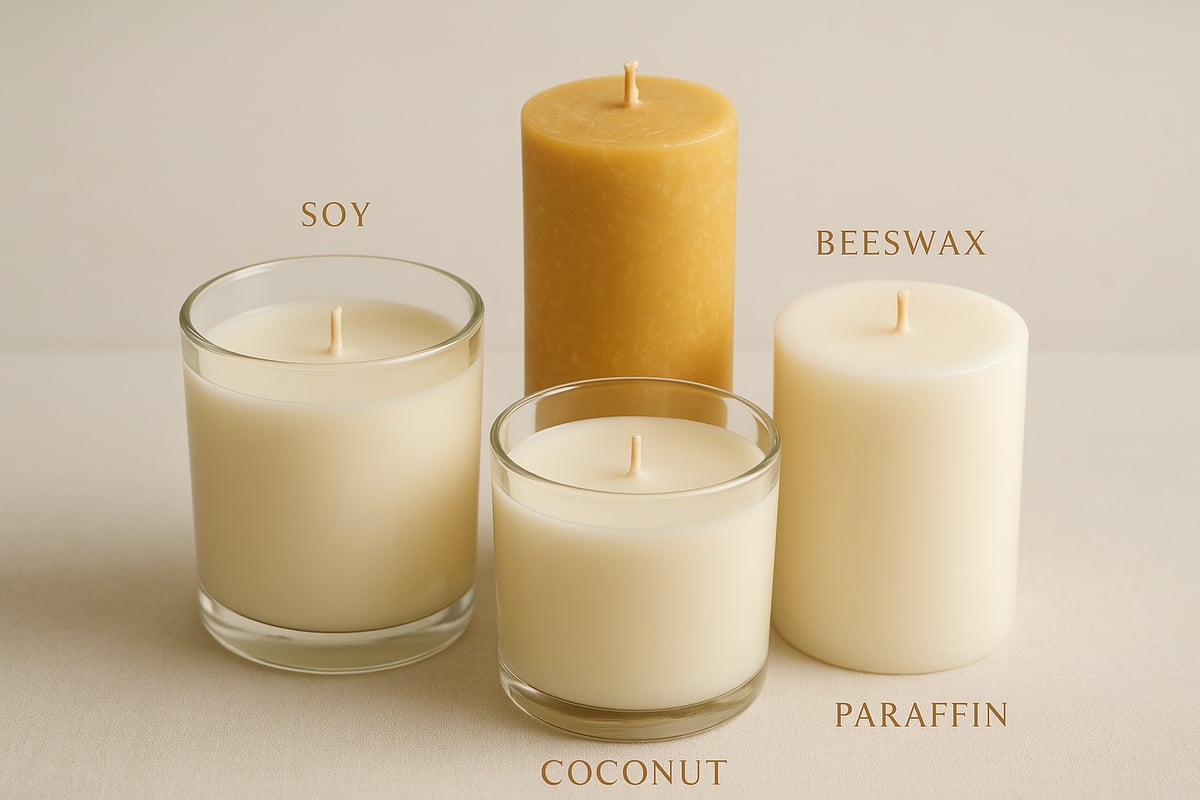
When choosing a candle with wax, consider the intended purpose. Is the candle for ambient décor, aromatherapy, or functional lighting? Each type of wax offers unique benefits for different scenarios.
For instance, soy wax is prized for its clean burn and strong scent throw, making it ideal for aromatherapy or scented living spaces. Beeswax, with its hypoallergenic properties and natural golden hue, is often chosen for environments sensitive to allergens. Rapeseed and coconut waxes offer excellent surface smoothness, while paraffin remains a favourite for vibrant colours and affordability.
Key factors when selecting a candle with wax:
- Burn time requirements
- Scent strength and diffusion
- Visual appeal: clarity, colour, and finish
Matching the wax to your needs ensures the candle with wax not only looks beautiful but also performs reliably.
Scented vs. Unscented Candle Wax
The interaction between wax type and fragrance oils is crucial for those who want a scented candle with wax. Soy wax stands out for its ability to hold and release fragrance evenly, making it a top choice for scented products. For example, the Black pomegranate soy wax candle demonstrates the rich scent throw and smooth burn associated with quality soy wax blends.
Unscented candles are best made with pure beeswax or coconut wax, as these naturally emit subtle, pleasant aromas without added oils. The structure of each wax affects how fragrance diffuses and how long the scent lasts. A candle with wax formulated for scent retention will outperform standard blends in both intensity and longevity.
Comparative Table: Scent Throw and Longevity
| Wax Type | Scent Throw | Longevity |
|---|---|---|
| Soy | Strong | Long |
| Beeswax | Mild | Very Long |
| Paraffin | Moderate | Moderate |
| Coconut | Moderate | Long |
Safety Considerations
Safety is paramount when using any candle with wax. Opt for non-toxic and hypoallergenic waxes like soy or beeswax if you have sensitivities. The compatibility between wick and wax impacts burn quality and safety. For example, an oversized wick in a paraffin candle with wax may produce excess soot, affecting indoor air quality.
Regular wick trimming and following manufacturer’s burn guidelines reduce risks. Be mindful of additives, as some dyes or fragrances could trigger allergies or emit volatile organic compounds. Always choose a candle with wax that is certified for clean burning and free from known irritants.
Statistics show that natural waxes tend to produce less soot and fewer emissions, contributing to a safer indoor environment.
Price vs. Value Analysis
Evaluating the true value of a candle with wax goes beyond upfront cost. While paraffin options are often cheaper, natural waxes like soy, beeswax, and premium coconut blends deliver longer burn times and cleaner performance, justifying a higher price point.
Breakdown of average costs (2026):
| Wax Type | Avg. Cost (£/kg) | Burn Hours per kg |
|---|---|---|
| Paraffin | 6 | 65 |
| Soy | 10 | 80 |
| Beeswax | 18 | 90 |
| Coconut | 14 | 85 |
Natural waxes are increasingly seen as worthwhile investments, especially as consumers prioritise sustainability and air quality. The premium market for a candle with wax reflects this shift, with buyers valuing not just price but overall performance and environmental impact.
Step-by-Step Guide: Making a Candle with Wax in 2026
Crafting your own candle with wax is a rewarding process that blends creativity, science, and sustainability. Whether you are a beginner or an experienced maker, this guide will walk you through each essential step to ensure your candle with wax delivers superior performance, safety, and beauty.
Step 1: Gathering Materials and Tools
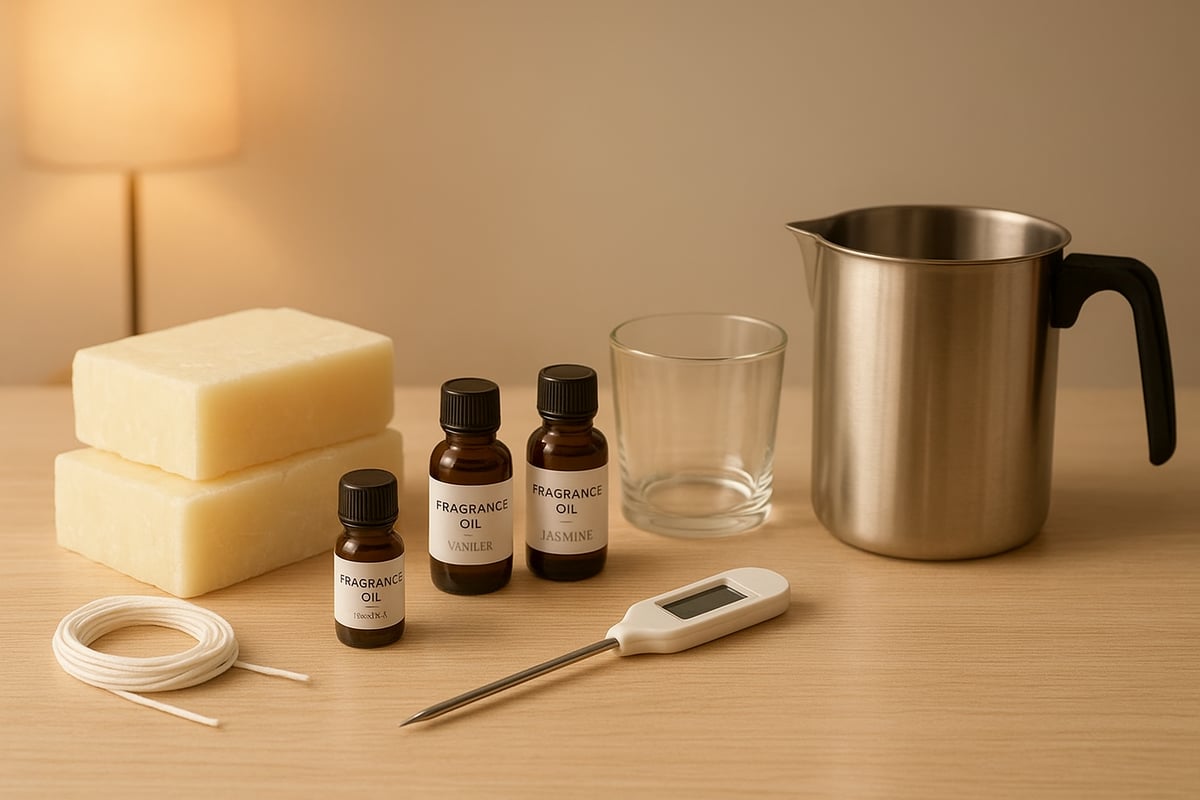
Begin your candle with wax journey by assembling all necessary materials. You will need:
- Wax (soy, beeswax, coconut, or blends)
- Wicks (pre-tabbed, cotton, or wood)
- Containers or moulds
- Fragrance oils and dyes (optional)
- Thermometer
- Melting equipment (double boiler or wax melter)
- Stirring utensils
Choose high-quality, sustainable wax for best results. Look for certifications or supplier transparency to ensure your candle with wax aligns with eco-friendly values.
Step 2: Preparing Your Workspace
Safety is paramount when making a candle with wax. Set up your workspace in a well-ventilated area away from children and pets.
Wear personal protective equipment such as gloves and safety glasses. Keep a fire extinguisher nearby. Organise your tools and materials to minimise waste and improve efficiency when working with candle with wax.
Step 3: Melting and Blending the Wax
Gently melt your chosen wax using a double boiler or wax melter. Monitor the temperature closely, as each type of candle with wax has an optimal melting range:
- Soy: 70-80°C
- Beeswax: 62-65°C
- Coconut: 40-45°C
Once melted, add fragrance oils, dye, or hardeners if desired. Stir thoroughly to ensure even distribution. If issues arise, such as clumping or separation, adjust the temperature or mix more slowly for the best candle with wax results.
Step 4: Pouring and Setting
After blending, pour your candle with wax into prepared containers or moulds. Pour steadily to prevent air bubbles or sinkholes.
Allow the wax to cool at room temperature, avoiding drafts or direct sunlight. Cooling times vary by wax, but patience ensures a smooth finish. For example, soy wax often sets best in moderate conditions, resulting in a flawless candle with wax surface.
Step 5: Curing, Trimming, and Testing
Proper curing enhances the scent and burn of your candle with wax. Allow the candle to cure for 24-48 hours for soy or coconut, and up to a week for beeswax.
Trim the wick to 5mm before lighting. Consider using a candle wick trimmer tool for precise results. Conduct a burn test to evaluate scent throw, flame stability, and safety. This step ensures your candle with wax performs at its best.
Step 6: Storage and Maintenance
Store your finished candle with wax in a cool, dry place away from sunlight or heat sources. This prevents sweating, frosting, or scent loss.
Most candles retain quality for 12-18 months if stored properly. Protect your candle with wax by sealing it or using a lid to preserve fragrance and appearance.
Common Mistakes and How to Avoid Them
Even experienced makers can encounter issues with their candle with wax. Common mistakes include:
- Overheating wax, causing discolouration
- Poor mixing, leading to uneven scent or texture
- Using the wrong wick size, resulting in tunnelling or soot
To avoid these, monitor temperatures carefully, mix thoroughly, and select wicks suitable for your chosen container and candle with wax type. Following expert tips will help you achieve perfect results every time.
Candle Wax Safety, Regulations, and Best Practices
Candle with wax safety is a top priority for both home enthusiasts and manufacturers. Understanding the latest safety data, regulations, and best practices ensures a positive experience, protects your health, and supports responsible use. Let us explore essential guidance for 2026.
Health and Safety Concerns
When burning a candle with wax, it is important to consider the impact on indoor air quality. Some waxes can emit volatile organic compounds (VOCs), soot, and other by-products, which may affect respiratory health, especially in poorly ventilated spaces. Allergens and irritants found in certain fragrances or wax blends can also pose risks for sensitive individuals.
Recent 2025-2026 studies underline the importance of choosing waxes that minimise indoor pollution. For a detailed look at how different waxes affect your environment, see this resource on indoor air quality and candle wax. Always burn candles in well-ventilated areas and choose non-toxic, hypoallergenic options when possible.
Regulatory Standards in 2026
Navigating regulations is crucial when selecting or producing a candle with wax. In 2026, the UK, EU, and US have updated labelling requirements to include more transparent ingredient disclosures, burn instructions, and allergen warnings. Manufacturers must comply with safety certifications, and retailers are responsible for ensuring products meet these standards.
New rules focus on preventing hazardous chemicals in candle with wax formulations and mandate clearer recycling information. Staying informed about these changes helps both consumers and makers uphold legal and ethical standards.
Safe Candle Usage at Home
Practising safe candle with wax usage at home means following a few core guidelines. Always place candles on heat-resistant surfaces, away from flammable objects. Trim wicks to 5mm before each burn to reduce soot and uneven flames. Never leave a burning candle unattended, and keep them out of reach of children and pets.
Proper ventilation is essential for dispersing any emissions from a candle with wax. Extinguish candles before they burn all the way down, and store unused candles in a cool, dry place to maintain quality and safety.
Disposal and Recycling
Responsible disposal is the final step in the journey of a candle with wax. Allow wax to cool completely before removing from containers, then check local regulations for proper disposal or recycling options. Many glass and metal containers can be cleaned and reused, supporting a circular economy.
Look for candle recycling schemes or upcycle used jars for storage or décor. By following these steps, you ensure that your candle with wax usage remains both safe and environmentally responsible.
The Future of Candle Wax: Trends and Expert Predictions for 2026 and Beyond
As the world of candles continues to evolve, the future of candle with wax is set to be shaped by innovation, sustainability, and consumer preferences. Advances in technology and changing market demands are influencing every aspect of how candles are made, used, and valued.
Market Forecasts
The global market for candle with wax is experiencing significant shifts. Natural and hybrid waxes are projected to outpace synthetic options, driven by increased consumer focus on wellness, sustainability, and personalisation.
According to recent data, natural waxes such as soy, coconut, and rapeseed are expected to capture a larger market share by 2030. Demand for vegan and cruelty-free candles is also on the rise. Industry reports suggest that the eco-friendly candle market could see double-digit growth rates annually, reflecting a strong consumer push for greener products. For more detailed analysis, explore the eco-friendly candle market growth.
Technological Innovations
Technology is transforming the candle with wax experience in remarkable ways. Smart candles equipped with embedded sensors and app integration are emerging, allowing users to customise scent release and monitor burn safety remotely.
Innovators are developing self-extinguishing wax formulas and lab-grown waxes with enhanced fragrance retention and colour stability. These advancements aim to deliver a consistent, safe, and tailored candle experience. Expect to see more candles designed for specific occasions, moods, or wellness applications, all powered by data-driven development and material science.
Expert Insights
Leading candle makers and scientists agree that the future of candle with wax will be defined by a blend of tradition and modernity. Experts predict a continued move towards bio-based materials and transparency in sourcing.
Quotes from industry leaders highlight a focus on performance, sustainability, and user safety. They anticipate breakthroughs in wax blends that offer superior scent throw with minimal environmental impact. The consensus is clear: innovation will be balanced with a respect for craftsmanship and the sensory qualities that make candles so cherished.
Tips for Staying Ahead as a Candle Enthusiast or Maker
To remain at the forefront of candle with wax trends, seek out reputable resources and stay engaged with the candle-making community. Evaluate new waxes by checking for certifications, performance data, and user reviews.
Attend industry events, webinars, and workshops to learn about the latest products and techniques. Join online forums and local groups to exchange ideas and stay inspired. By keeping informed and open to experimentation, you can ensure your candle creations are both modern and meaningful.
After exploring the science behind candle wax, the latest innovations, and how to choose the right candle for your space, you now have a clear view of what sets a truly special candle apart. At Love Scottish, we combine Scottish creativity with expertly crafted scents and sustainable waxes to elevate every moment. If you are inspired to experience our meticulous craftsmanship first-hand, why not bring a touch of warmth into your home this season? Discover our beautifully hand-poured festive collection—browse our Shop Christmas Candles to find something that will light up your winter.