

Expert Guide to Wax on Candles: Tips & Insights 2026
From ancient rituals to modern home décor, the art of candle making continues to captivate and inspire. Today’s candle enthusiasts know that mastering wax on candles is key to creating beautiful, long-lasting results.
Choosing the right wax and handling it expertly can transform your creations, whether you are a hobbyist or a seasoned maker. This expert guide is designed to give you in-depth tips, expert insights, and the latest 2026 trends for achieving professional results with wax on candles.
Discover essential knowledge on wax types, additives, best practices, cutting-edge innovations, and troubleshooting. Ready to elevate your candle craft? Read on for everything you need to know.
Understanding Candle Wax: Types, Properties & Uses
Candle making has evolved into a sophisticated art, with the choice of wax on candles shaping the quality, appearance, and performance of every creation. Modern makers must understand the nuances between waxes to craft candles that burn beautifully and meet consumer expectations. Let us explore the key wax types, their properties, and how to select the ideal wax on candles for your next project.
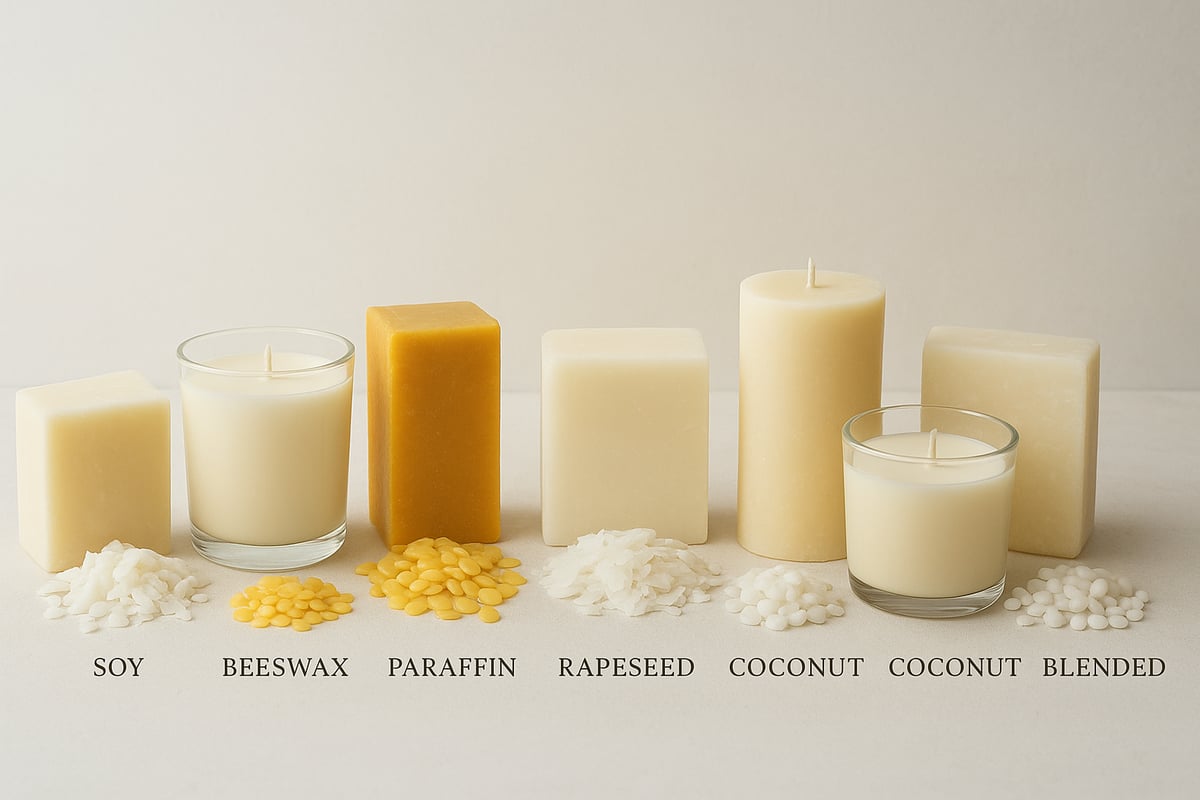
Overview of Common Candle Wax Types
Selecting the right wax on candles is the foundation of exceptional candle making. The most popular waxes include paraffin, soy, beeswax, rapeseed, coconut, and a variety of blends. Each offers unique characteristics in terms of burn time, scent throw, eco-friendliness, and visual appeal.
Below is a comparison of common waxes:
| Wax Type | Burn Time | Scent Throw | Eco-Friendly | Appearance | Example Product |
|---|---|---|---|---|---|
| Paraffin | Long | Strong | Low | Smooth, opaque | Chandler Grey® PRO |
| Soy | Moderate | Gentle | High | Creamy, soft | Kerasoy Container Wax |
| Beeswax | Long | Subtle, natural | High | Golden, rustic | Beeswax (pure blocks) |
| Rapeseed | Moderate | Mild | Very High | Pale, soft | Rapeseed container blends |
| Coconut | Moderate | Mild | High | White, creamy | Coconut blend waxes |
| Blends | Variable | Enhanced | Variable | Customisable | Chandler Grey® Blended Wax |
Paraffin is known for its excellent scent throw and smooth finish, making it a mainstay for commercial candles. Soy wax appeals to eco-conscious makers seeking a clean burn and plant-based origin. Beeswax, prized for its natural scent and golden hue, is ideal for luxury or artisan candles. Rapeseed and coconut waxes are rising stars, valued for sustainability and gentle fragrance diffusion.
For a deeper dive into the differences and best uses for each type of wax on candles, consult this Comprehensive Guide to Candle Wax Types.
How Wax Type Affects Candle Performance
The type of wax on candles dramatically influences how they burn, the intensity of their fragrance, and their visual presentation. Each wax has a distinct melting point, affecting its suitability for container, pillar, or melt applications. For example, paraffin typically melts between 80 and 90°C, providing a robust structure for pillars, while soy wax melts at 70 to 80°C, perfect for containers.
Scent throw is another key factor. Paraffin excels at releasing fragrance, making it a favourite for scented candles, whereas soy wax offers a softer, subtler aroma. Colour vibrancy also depends on wax type, with paraffin and blended waxes holding dyes more vividly than natural options.
Research shows that eco-friendly wax on candles, such as soy and rapeseed, is increasingly favoured by consumers who prioritise sustainability without sacrificing performance.
Choosing the Right Wax for Your Candle Project
When selecting wax on candles, consider the format you wish to create: containers, pillars, or melts. Each format benefits from specific wax properties. For example, container candles often use soy or coconut blends for a smooth finish, while pillar candles require harder waxes like paraffin or beeswax for structural integrity.
Fragrance load is also crucial. Paraffin can hold up to 12 percent fragrance, soy up to 10 percent, and beeswax around 6 percent. Natural waxes offer a cleaner burn but may limit scent strength, while synthetic waxes provide flexibility and colour brilliance.
With the 2026 trend toward sustainable and vegan wax on candles, makers should weigh the pros and cons of each option, balancing performance with ethical considerations.
Specialty Waxes and Blends
Specialty waxes and blends are revolutionising the art of wax on candles. By combining the strengths of different waxes, blends such as Chandler Grey® Blended Wax deliver enhanced scent throw, improved burn stability, and tailored textures. These custom blends are popular among artisan makers seeking unique finishes and commercial producers aiming for consistent quality.
Artisan candle makers often experiment with proprietary blends to achieve signature looks and performance. Whether crafting luxury candles or high-volume collections, choosing the right specialty wax on candles can elevate your products and set them apart in a competitive market.
Wax Additives & Enhancers: Maximising Candle Quality
Selecting the right additives is essential for getting the most out of wax on candles. Additives can transform the performance, appearance, and fragrance of your finished candle, giving both hobbyists and professionals the control needed to achieve premium results. Whether you are striving for a longer burn, a stronger scent, or a flawless finish, understanding wax enhancers is key to mastering your candle craft.
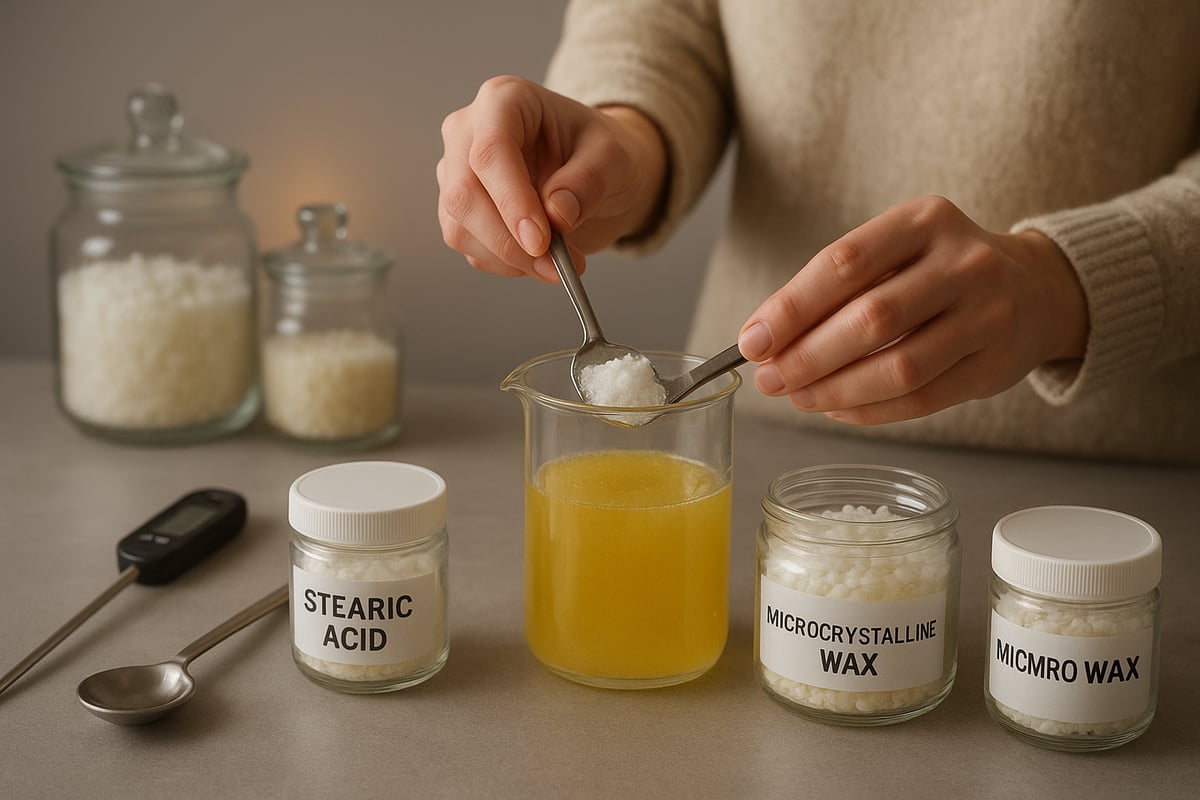
Common Wax Additives Explained
A variety of additives can be used to enhance wax on candles, each offering unique benefits. Stearic acid is perhaps the most traditional, increasing opacity and improving the hardness of paraffin and blended waxes. Vybar, a synthetic polymer, boosts scent retention and helps achieve a smooth, creamy appearance. UV inhibitors protect colours and fragrances from fading under light exposure, while microcrystalline wax improves flexibility and burn consistency. For those seeking advanced options, EPOLENE® Polymers in Candle Wax are increasingly utilised to further enhance structure and burn time. Using the right combination of these additives can make a notable difference in the quality of wax on candles.
How Additives Influence Candle Attributes
The choice and proportion of additives have a direct impact on the functional and aesthetic properties of wax on candles. Properly dosed stearic acid can increase hardness by up to 20 percent, making candles more durable and easier to demould. Vybar allows for higher fragrance loads, resulting in a stronger scent throw without compromising burn quality. UV inhibitors maintain colour vibrancy, especially in candles displayed in bright spaces. Microcrystalline wax improves the flexibility of wax on candles, helping prevent surface cracks and ensuring a smooth finish. Data shows that additives not only prolong fragrance release but also contribute to a more consistent, reliable burn.
Natural vs. Synthetic Additives
When choosing additives for wax on candles, it is important to weigh the pros and cons of natural versus synthetic options. Natural additives like stearic acid (sourced from plant or animal fats) are preferred for their eco-friendliness and biodegradability. However, synthetic additives such as vybar and microcrystalline wax offer superior performance in scent retention and burn stability. With health and sustainability concerns rising, regulatory trends for 2026 are moving towards phthalate-free, allergen-conscious formulations. Candle makers must balance the desire for clean ingredients with the need for high-quality wax on candles, considering both environmental impact and end-user safety.
Best Practices for Additive Use
To get the best results from wax on candles, follow best practices for additive usage. Always measure additives accurately, adhering to recommended usage rates—overuse can cause frosting or sweating, while underuse may not deliver the desired effect. Mix additives thoroughly at the correct temperature to ensure even distribution. If issues like frosting or sweating occur, consider adjusting cooling times or additive amounts. Troubleshooting is often necessary, as up to 30 percent of candle defects are linked to wax on candles and additive miscalculations. By refining your process and keeping detailed notes, you can consistently produce candles that meet both aesthetic and performance standards.
The Candle Making Process: Step-by-Step Wax Handling
Mastering the handling of wax on candles is at the heart of successful candle making. Each stage, from setting up your workspace to troubleshooting the final product, requires attention to detail and expert technique. The following guide walks you through every step, ensuring your creations are both beautiful and high-performing.
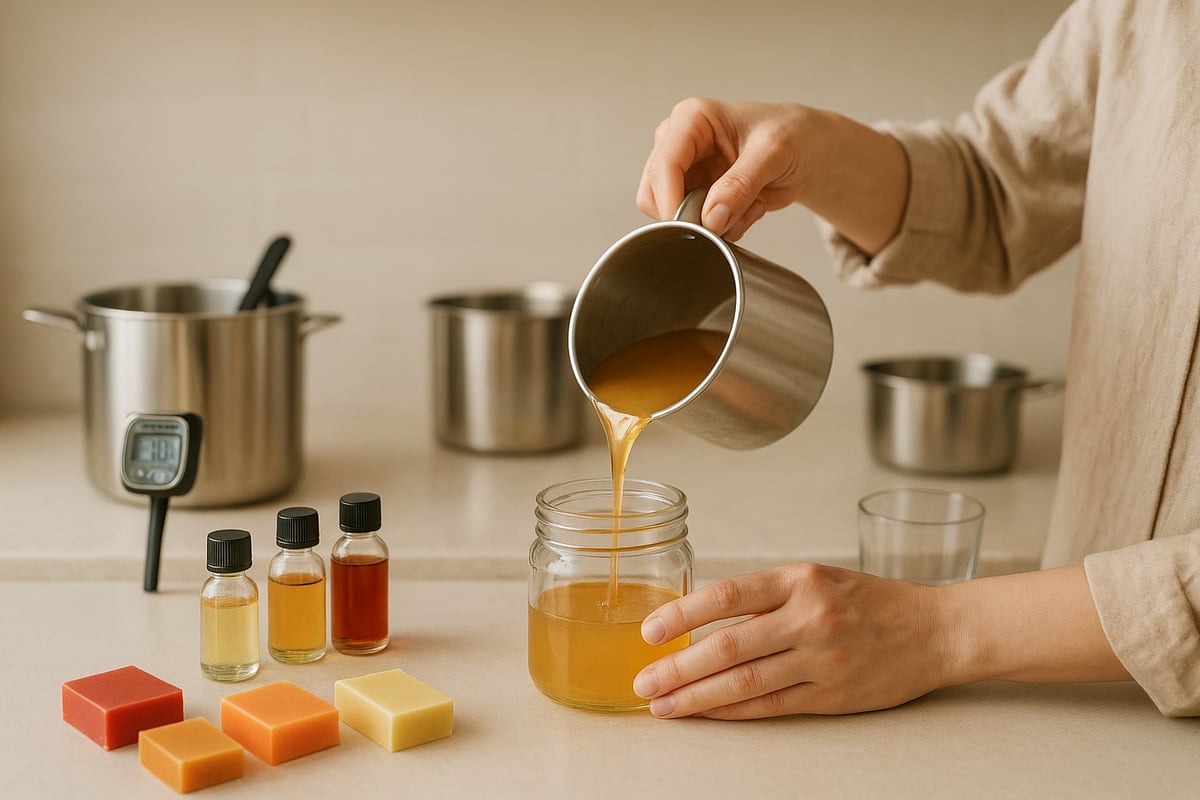
Preparing Your Workspace & Equipment
A well-prepared workspace is essential for working safely and efficiently with wax on candles. Choose a flat, heat-resistant surface with good ventilation. Keep all essential tools at hand, such as digital thermometers, double boilers or melting pots, heatproof spatulas, and sturdy moulds.
Before starting, thoroughly clean your equipment to avoid contamination. Remove any dust or residue from containers and moulds. Safety should always come first, so wear gloves and eye protection when handling hot wax on candles. Organised preparation streamlines your process and reduces the risk of errors.
Melting and Mixing Wax Safely
Proper melting is crucial to achieving the best results with wax on candles. Always use a double boiler or a dedicated wax melter to maintain even heat distribution. For soy wax, target a melting temperature of 70 to 80°C. Paraffin wax typically requires 80 to 90°C.
Monitor the temperature closely with a reliable thermometer. Overheating can degrade the quality of wax on candles, causing discolouration or unpleasant odours. Stir gently to ensure an even melt and prevent air bubbles. Never leave melting wax unattended, and keep a fire extinguisher nearby for safety.
Incorporating Fragrances and Dyes
Adding fragrance and colour to wax on candles transforms them into sensory experiences. The timing and temperature of these additions are vital. For most soy wax, introduce fragrance oils at around 65°C to maximise scent throw. Dyes, whether liquid, powder, or chips, should be fully dissolved before pouring.
Stir the wax on candles slowly and thoroughly after adding both fragrance and dye. This ensures an even distribution and prevents streaks or spots. Use precise measurements to avoid overloading the wax, as too much fragrance or dye can affect burn quality.
Pouring Techniques for Different Candle Types
Different candle types require specific pouring techniques to achieve professional results with wax on candles. For container candles, pour the wax slowly against the side of the vessel to minimise air pockets. Pillar candles benefit from a slightly higher pouring temperature for smooth surfaces.
For wax melts, pour into silicone moulds at a moderate pace. To prevent sinkholes and rough tops, gently tap the container after pouring. Pouring at the correct temperature is key to achieving a flawless finish for wax on candles, regardless of format.
Cooling and Curing: Ensuring Candle Quality
Allowing wax on candles to cool and cure properly is essential for performance and longevity. Place candles in a draft-free area and avoid moving them during cooling. Soy wax generally requires 24 to 48 hours of curing, while complex blends may need up to seven days.
Proper curing enhances scent throw and burn consistency. For best results, cover candles lightly while they cure to prevent dust from settling. For more in-depth care tips, consult the Candle care and maintenance guide, which offers valuable advice on optimising wax on candles.
Troubleshooting Common Wax Issues
Even with careful preparation, issues can arise with wax on candles. Wet spots, cracking, frosting, and scent fading are among the most frequent problems. To address wet spots, ensure containers are pre-warmed and avoid sudden temperature changes.
Cracking often results from rapid cooling, while frosting is common in soy wax and can be minimised by controlling pour temperatures. Scent fading may indicate insufficient curing or excessive fragrance load. By understanding these challenges, you can produce consistently high-quality wax on candles.
Innovations & Trends in Candle Wax (2026 Edition)
Candle making is evolving at an impressive pace, with wax on candles at the heart of new innovations. As the industry moves towards 2026, makers and enthusiasts are embracing modern trends that redefine both performance and sustainability. Let us explore the key developments shaping the future of wax on candles.
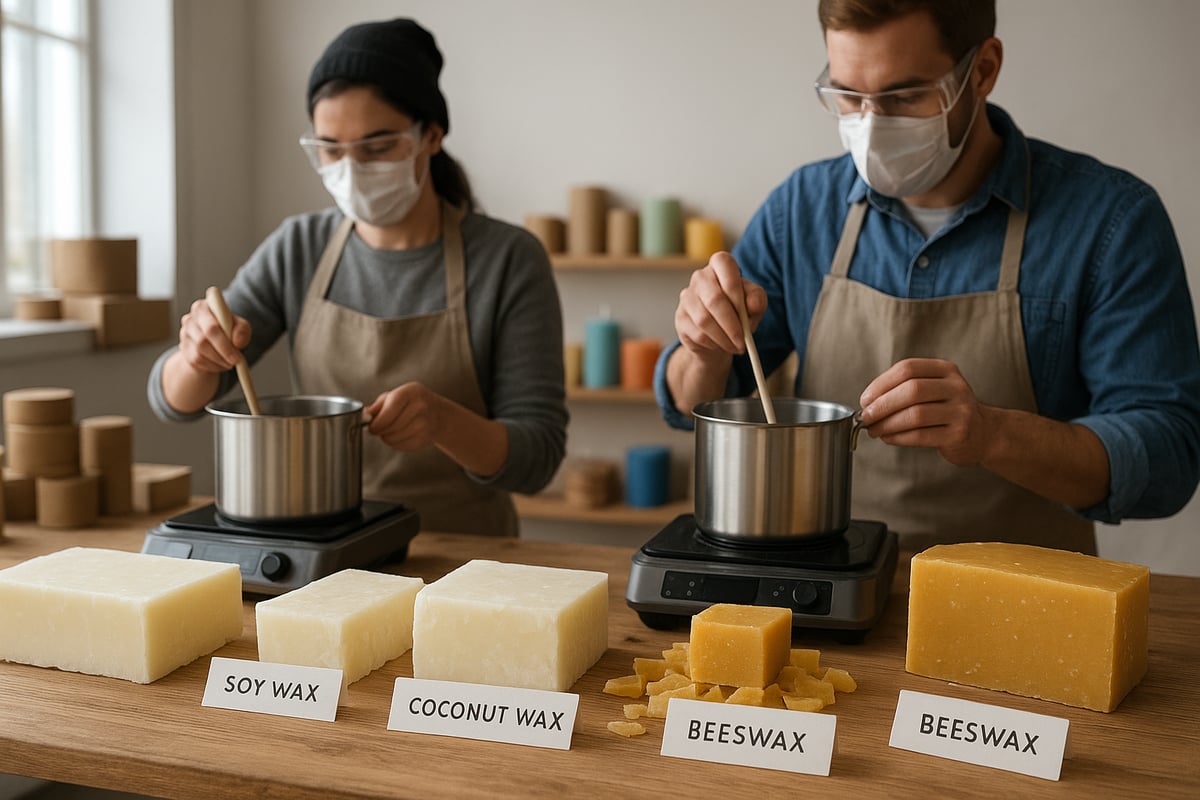
Sustainable and Vegan Wax Alternatives
Eco-conscious consumers are driving demand for plant-based wax on candles. Rapeseed and coconut waxes have surged in popularity, offering clean burning and minimal environmental impact. Vegan wax sales have increased by 18 percent year-on-year, illustrating a clear shift away from traditional animal-derived options.
Soy wax remains a favourite for those prioritising both sustainability and scent. Blends using soy, coconut, and rapeseed provide excellent scent throw while upholding ethical standards. For inspiration and a look at innovative uses of these materials, browse the Soy wax scented candles collection.
Advanced Wax Blends for Performance
Candle makers now refine wax on candles through bespoke blends tailored for specific applications. Combining soy with paraffin or coconut, for example, enhances burn stability and scent diffusion. Chandler Grey Melt Wax is one such blend, designed for wax melts with superior scent performance.
These blends are formulated to address challenges such as tunnelling, scent fading, and uneven burning. They offer makers more control over the candle’s final look and feel, ensuring that wax on candles delivers both aesthetic and functional excellence.
Smart Additives and Technology Integration
Technology is making its mark on wax on candles. Smart additives like UV blockers and colour stabilisers are increasingly common, protecting candles from fading and discolouration. Some waxes now include self-extinguishing agents, boosting safety for home use.
Emerging trends feature smart candles embedded with sensors that monitor burn time and temperature. These advances make wax on candles not just beautiful, but also safer and more reliable for every user.
Eco-Friendly Packaging and Production
Sustainability extends beyond the wax on candles to packaging and manufacturing practices. Biodegradable containers and zero-waste production methods are becoming industry standards. Candle makers are adopting recycled materials, compostable labels, and refillable jars to reduce environmental impact.
Consumers are increasingly choosing brands that prioritise eco-friendly packaging. This green approach aligns with the growing expectation for responsible wax on candles production in 2026 and beyond.
Customisation & Artisan Craftsmanship
Personalisation is shaping the future of wax on candles. Makers now offer bespoke scent and wax options, catering to individual preferences and seasonal demands. Small-batch, hand-poured candles are gaining popularity for their uniqueness and artisan touch.
This trend encourages experimentation with custom blends, colours, and fragrances, allowing every candle to tell a story. The result is a thriving community of makers who value quality, creativity, and the enduring appeal of wax on candles.
Scent, Colour & Wax: Creating the Perfect Candle Experience
Crafting the ideal candle experience means understanding how scent, colour, and wax on candles interact. The right combination can turn a simple candle into a sensory masterpiece. Whether you are experimenting at home or producing candles commercially, mastering the balance between these elements is crucial for quality results.
Balancing Fragrance Load with Wax Type
Getting the right fragrance load is essential for optimal wax on candles. Different waxes have specific capacities for holding scent oils: soy wax performs best with 7 to 10 percent fragrance, paraffin can handle up to 12 percent, and beeswax is ideal around 6 percent. Overloading fragrance can cause poor burn or sweating, while too little results in weak scent throw.
To create a strong, lasting aroma, always match your fragrance concentration to the wax type. For more information on scent choices and how they enhance wax on candles, explore the Candle scents and fragrance options available from specialist suppliers.
Choosing and Mixing Candle Dyes
The visual appeal of wax on candles is just as important as scent. Candle dyes come in several forms: liquid, powder, and chips. Liquid dyes blend easily and are perfect for beginners, while powder dyes offer intense colour but require thorough mixing. Dye chips provide consistent results, particularly in small batches.
When choosing dyes, ensure they are compatible with your wax type. Blend dyes at the correct temperature to avoid speckling or fading. For vibrant, even colours, stir constantly as you add the dye to the melted wax on candles, ensuring a uniform distribution without streaks.
The Science of Scent Throw
Scent throw describes how well wax on candles disperses fragrance, both when cold and while burning. Wax composition has a major influence: paraffin wax is renowned for its superior scent throw, making it popular in commercial candles. In contrast, soy wax offers a subtler aroma, preferred by those seeking a more natural product.
Hot throw is the strength of scent when the candle is burning, while cold throw is the aroma before lighting. Paraffin’s structure enables better scent dispersion, as outlined in Paraffin Wax Characteristics, whereas soy’s molecular makeup holds fragrance more gently. Selecting the right wax on candles allows you to tailor the sensory experience for every environment.
Layering Colours and Scents
Layering colours and scents in wax on candles creates visually stunning and complex aromatic effects. To achieve crisp layers, pour each colour at the recommended temperature and let it cool before adding the next. This prevents colour bleed and preserves the clarity of each layer.
For multi-scented candles, use compatible fragrances that blend harmoniously. Avoid overloading the wax on candles, as this can cause scent contamination. Experimenting with layers lets you design bespoke candles that delight both the eye and the nose.
Seasonal and Trend-Driven Scent Profiles
Staying current with fragrance trends is key for producing appealing wax on candles. In 2026, botanical scents like lavender and eucalyptus, gourmand notes such as salted caramel, and Scottish-inspired blends are among the most popular. Data shows botanical scents now account for 23 percent of new launches, reflecting consumer demand for fresh, nature-inspired aromas.
When choosing scents for your wax on candles, consider the season and your target audience. Rotating fragrance collections based on trends keeps your candles relevant and engaging, ensuring they stand out in a crowded market.
Safety, Storage & Longevity: Getting the Most from Your Wax
When it comes to wax on candles, proper handling and storage are crucial for both safety and performance. Always keep wax on candles in tightly sealed containers, away from direct sunlight and sources of heat. The ideal storage temperature is between 10°C and 25°C, which helps prevent contamination and preserves wax quality. Clean, dry areas are best, as moisture can affect the integrity of wax on candles.
To maximise the shelf life of wax on candles, consider the following tips:
- Store finished candles in a cool, dark place
- Avoid stacking candles directly on top of each other to prevent deformation
- Use airtight packaging to protect from dust and odours
Fragrance and colour in wax on candles can fade if exposed to heat or sunlight. Regularly check stored candles for any signs of sweating or scent loss and rotate stock to keep your collection fresh.
Candle care is essential for longevity and optimal performance. Trimming wicks to 5 mm before every burn can increase burn time by up to 15%. Use a wick trimmer and snuffer to reduce soot and maintain an even burn; see Candle accessories for optimal burning for recommended tools. Never leave burning candles unattended, and always keep wax on candles out of reach of children and pets.
Regulations in the UK and EU are evolving. By 2026, clear labelling of wax on candles ingredients, allergens, and additives will be mandatory. Always follow updated safety guidelines and ensure your products include accurate warnings and batch information. This protects both makers and users, while building trust in your brand.
Sustainability is becoming central to modern candle making. Recycle empty containers when possible, and repurpose leftover wax on candles by melting it down for new creations. Encourage eco-conscious practices among customers by providing tips on recycling and safe disposal. Responsible candle use benefits both the environment and your craft.
Having explored the artistry of candle wax, from choosing the perfect blend to mastering scent and colour, you now have the knowledge to appreciate the craftsmanship behind every bespoke candle. If you are feeling inspired to experience these expert techniques in practice, why not discover our beautifully crafted festive scents? Each candle is a result of careful wax selection and creative fragrance development, embodying the spirit of Scottish tradition and innovation. Let your space be transformed with unique aromas and a warm glow—explore our seasonal favourites and Shop Christmas Candles to bring a touch of bespoke luxury into your home.