

The Essential Cashmere of Scotland Guide for 2026
Step into the world of luxury and discover why the cashmere of scotland is celebrated for its timeless elegance and unmatched quality. For centuries, Scottish artisans have crafted exquisite cashmere, blending tradition with innovation in every piece. In 2026, this heritage remains at the heart of global fashion, admired by those who value both style and substance. Scottish cashmere stands apart for its ethical sourcing, sustainable practices, and modern design. In this essential guide, you will explore its rich history, detailed production, expert buying advice, care tips, leading brands, and the latest trends, making it your definitive resource on Scottish cashmere.
The Heritage of Scottish Cashmere
Scottish cashmere is renowned worldwide, but its story is steeped in rich heritage. The journey of cashmere of scotland begins with the introduction of this luxurious fibre to Scottish soil, where centuries of expertise have shaped its global reputation. The legacy is rooted in tradition, innovation, and a dedication to exceptional quality.
The Origins of Cashmere in Scotland
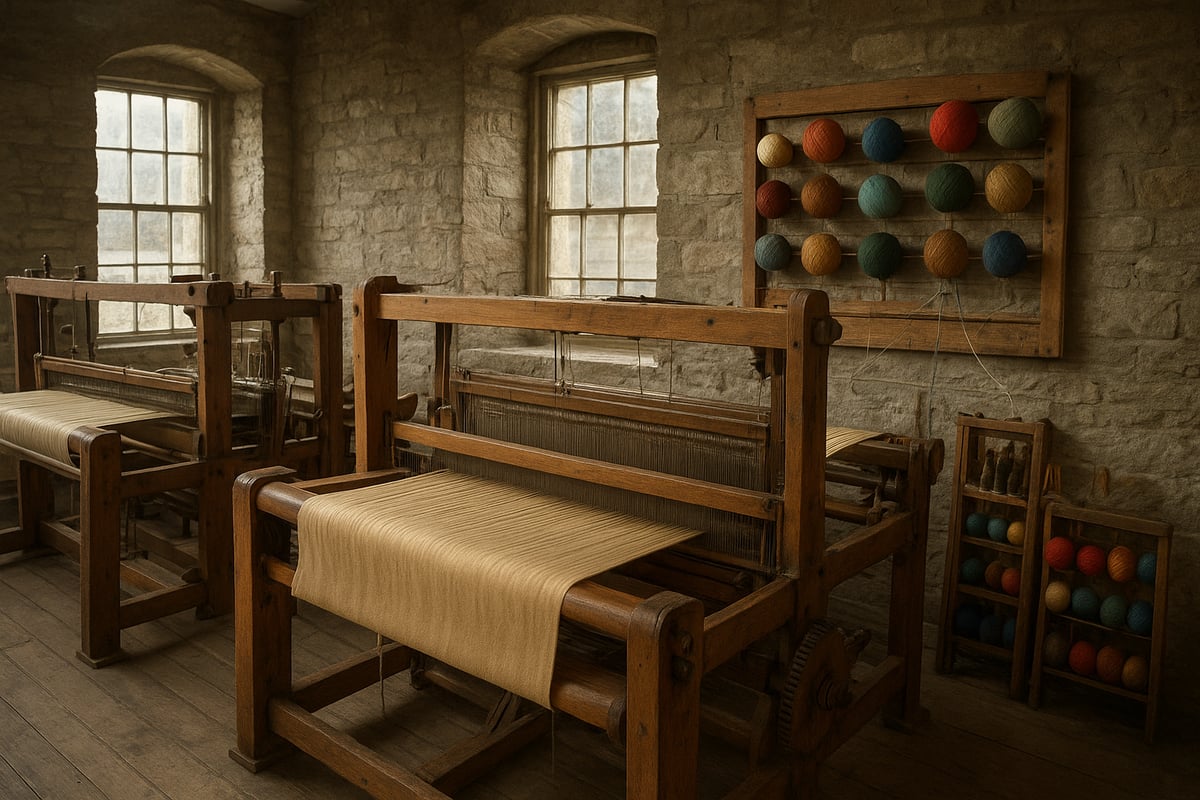
The story of cashmere of scotland began in the early 19th century, when the fibre was first imported and woven in Scottish mills. These pioneering mills, such as Johnston’s of Elgin and Hawico, quickly established themselves as leaders in the field. Scotland’s cool, damp climate proved ideal for processing and spinning delicate cashmere fibres, enhancing their softness and durability.
Geography played a vital role, with abundant clean water sources perfect for washing and dyeing. As Scottish mills refined their techniques, demand for cashmere of scotland soared across Europe and North America. By the late 1800s, Scottish cashmere had earned a reputation for luxury and craftsmanship, making it a sought-after export in major fashion markets.
Craftsmanship and Tradition
The artistry behind cashmere of scotland is defined by time-honoured techniques. Hand-combing and spinning, often performed by skilled craftspeople from families with generations of expertise, remain central to the production process. Traditional looms and meticulous attention to detail ensure each piece meets the highest standards of quality and longevity.
Apprenticeship programmes are integral, passing down essential skills and preserving the heritage that sets Scottish cashmere apart. For a deeper appreciation of these values, discover how About Love Scottish celebrates tradition and authenticity in every creation. This commitment to excellence is the cornerstone of the enduring legacy of cashmere of scotland.
Evolution Through the Decades
The evolution of cashmere of scotland reflects a dynamic blend of tradition and change. Throughout the 20th century, Scottish mills navigated shifting fashion trends, responding with innovative designs and product lines. Collaborations with luxury fashion houses brought international acclaim, while globalisation expanded the reach of Scottish cashmere to new markets.
Export growth has been impressive, with statistics from 2000 to 2025 showing a significant increase in demand. The industry’s ability to adapt to consumer preferences while maintaining its heritage has ensured that cashmere of scotland remains synonymous with both timeless style and modern relevance.
Scottish Cashmere in the Modern Era
Today, cashmere of scotland stands at the intersection of tradition and technology. Leading mills have integrated advanced techniques without sacrificing artisanal quality. Ethical sourcing and sustainability are now priorities, with brands championing responsible practices from farm to finished garment.
Scottish cashmere’s presence in luxury fashion is stronger than ever, regularly featured by global style icons and celebrities. In 2025, Scottish producers held a significant share of the premium cashmere market, reinforcing their leadership and the enduring appeal of cashmere of scotland in discerning wardrobes worldwide.
Why Scottish Cashmere Stands Apart
What distinguishes cashmere of scotland from fibres produced elsewhere? The answer lies in its unique blend of softness, resilience, and colour-fastness, qualities enhanced by Scotland’s natural environment and meticulous craftsmanship. Compared to cashmere from regions like Mongolia, China, or Italy, Scottish cashmere consistently earns top marks for quality.
Strict certifications and quality assurances protect both producers and consumers. Numerous awards and accolades highlight the achievements of Scottish mills, while glowing testimonials from customers reinforce the exceptional status of cashmere of scotland in the world of luxury textiles.
The Cashmere Production Process in Scotland
The creation of the finest cashmere of scotland is a journey that blends heritage, innovation, and dedication at every stage. Each step, from sourcing the raw fibre to finishing the final product, is crucial in upholding the reputation for excellence that Scottish cashmere enjoys worldwide.
Sourcing Raw Materials
The foundation of the cashmere of scotland story lies in the careful selection of the world’s finest fibres. Scottish mills source raw cashmere primarily from goats raised in Mongolia and China, where the climate produces luxuriously soft undercoats. Only the softest and longest fibres, typically with a micron count averaging 14-16, are chosen to meet Scotland’s rigorous standards.
Ethical partnerships with trusted herders ensure both quality and sustainability. Mills work closely to guarantee animal welfare and to support responsible grazing practices. For those interested in the science behind fibre selection and production, the Cashmere production from feral and imported cashmere goat kids study offers valuable insights into how raw material quality shapes the final product.
Washing, Carding, and Spinning
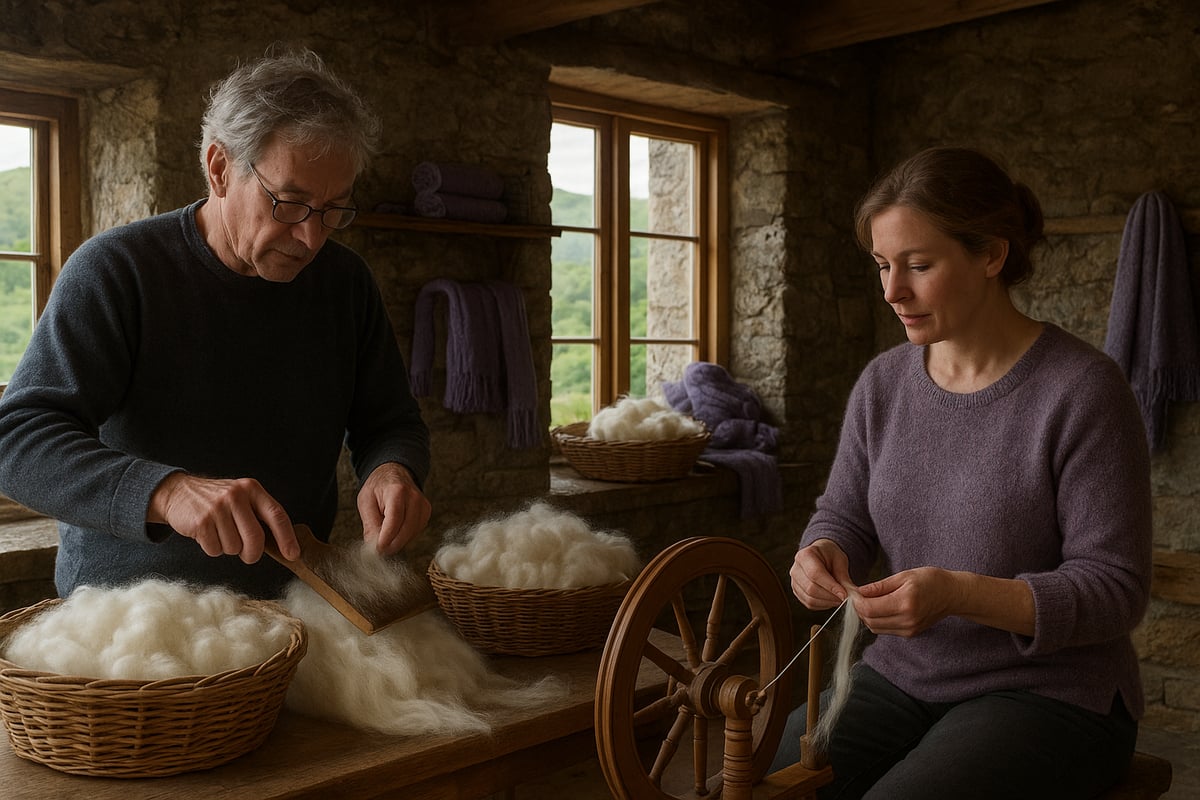
After sourcing, the cashmere of scotland production process moves to washing, carding, and spinning. Traditional water-powered methods, unique to Scotland, are used to gently cleanse the fibres without stripping their natural softness. Pure Scottish water is prized for this step, contributing to the final texture and sheen.
Carding aligns the delicate fibres, preparing them for spinning. Both hand and machine spinning techniques are employed, with hand spinning reserved for the most exclusive lines. Visitors to Scottish mills often witness these time-honoured techniques in action, gaining a deeper appreciation for the skill involved in every stage.
Dyeing and Colour Innovation
Dyeing is where the artistry of cashmere of scotland truly shines. Mills use exceptionally soft Scottish water to achieve vibrant and lasting colours, both classic and contemporary. Eco-friendly dyeing processes are now standard, reducing environmental impact while preserving the brilliance of each shade.
Collaboration with designers leads to exclusive colour palettes and limited-edition collections. Leading brands offer hundreds of shades, ensuring versatility and individuality in every cashmere piece. The result is a spectrum of colour that appeals to both traditional and modern tastes.
Weaving and Knitting
The weaving and knitting phase transforms the dyed yarn into luxurious textiles. Scottish mills utilise both handlooms and precision machines, each delivering distinct qualities. Signature patterns such as tartans and cable knits are hallmarks of the cashmere of scotland tradition.
Strict quality control is maintained at every step, ensuring consistency in texture and durability. Iconic products like scarves, jumpers, and throws are crafted with meticulous attention to detail. Major mills can produce thousands of pieces annually while still upholding artisanal standards.
Finishing Touches
Finishing is where the renowned feel of cashmere of scotland is achieved. Garments undergo expert softening and brushing, resulting in unmatched softness and a gentle lustre. Every item is meticulously inspected and hand-finished to ensure it meets Scotland’s premium standards.
Labelling and packaging reflect the heritage and exclusivity of Scottish cashmere. Customisation options, such as monogramming or bespoke colourways, are available for discerning clients. Limited-edition releases further elevate the sense of luxury and uniqueness.
Sustainability and Environmental Impact
Sustainability is integral to the modern production of cashmere of scotland. Mills invest in water conservation, renewable energy, and waste reduction initiatives. Many are certified by bodies such as the Sustainable Fibre Alliance, reflecting a commitment to responsible manufacturing.
Community impact is significant, as local employment and traditional skills are preserved. Between 2020 and 2025, leading Scottish mills reduced their carbon footprint by up to 30 percent, setting industry standards for eco-conscious luxury. The journey from fibre to finished product is not just about quality, but about stewardship for future generations.
How to Choose Authentic Scottish Cashmere in 2026
Choosing authentic cashmere of scotland demands a discerning eye and an understanding of what sets genuine Scottish craftsmanship apart. In 2026, the market is flooded with options, but knowing what to look for ensures you invest in true luxury. This section guides you through recognising real cashmere of scotland, key buying factors, reliable retailers, common pitfalls, and the lasting value of your investment.
Recognising Genuine Scottish Cashmere
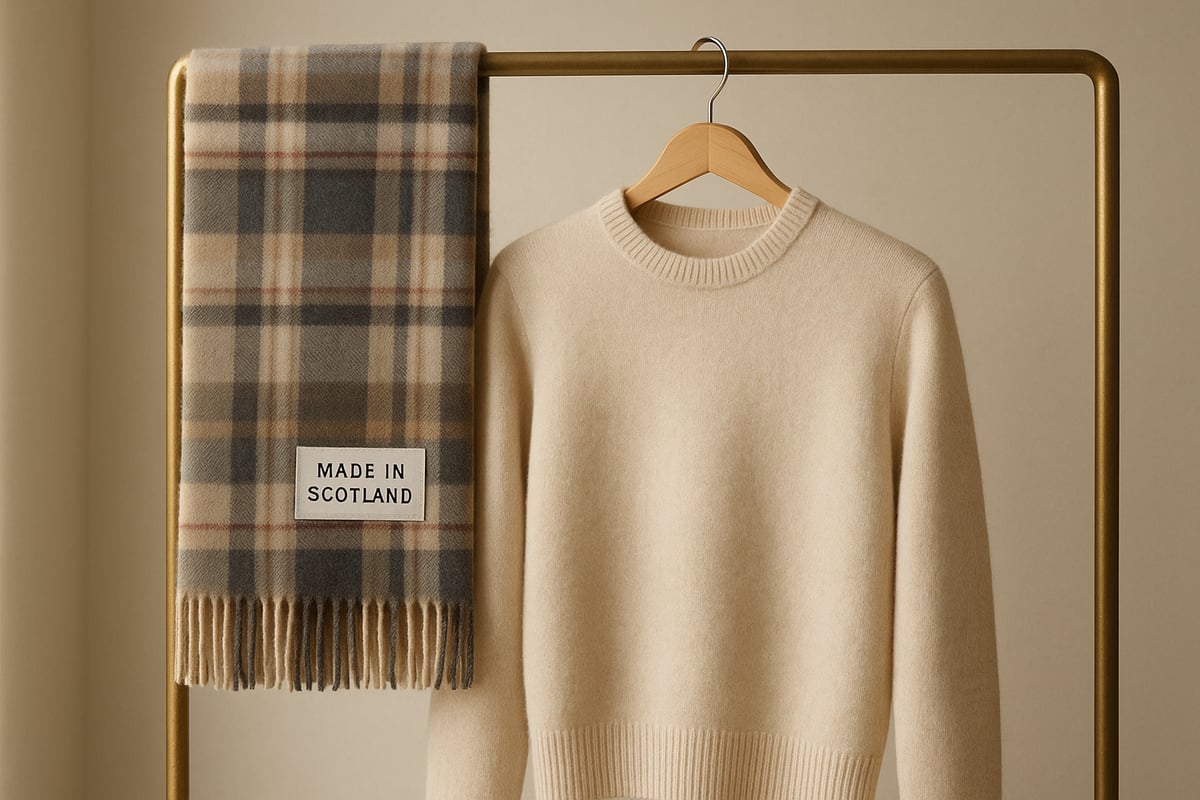
To identify authentic cashmere of scotland, start by checking the label for clear indications such as “100 percent Cashmere Made in Scotland” and trusted certifications like the Scottish Cashmere Club. Genuine pieces feel exceptionally soft yet resilient, with a fine, even finish that distinguishes them from imitations.
Counterfeit products often feel coarse or overly smooth due to synthetic blends. Authentic cashmere of scotland is renowned for its warmth without bulk and a subtle lustre. Be wary of inconsistent stitching or vague origin labelling—these are red flags. In 2025, studies revealed that up to 20 percent of global cashmere was counterfeit, making vigilance essential for buyers.
Key Factors to Consider When Buying
When purchasing cashmere of scotland, fibre quality is paramount. Look for garments with a low micron count (typically 14-16 microns) for the softest touch. Consider ply count—a two-ply or higher offers more durability and warmth. Examine seams and finishing, as authentic Scottish pieces feature neat stitching and robust construction.
Price is a reliable indicator of quality. In 2026, a genuine Scottish cashmere jumper typically ranges from £250 to £500, while scarves start at £80. See the table below for a quick comparison:
| Product | Authentic Price Range | Common Imitation Price |
|---|---|---|
| Scarf | £80–£150 | £20–£60 |
| Jumper | £250–£500 | £50–£120 |
| Throw/Blanket | £200–£600 | £40–£150 |
Where to Buy: Trusted Retailers and Online Stores
For peace of mind when buying cashmere of scotland, choose established Scottish brands and boutiques with a reputation for authenticity. Leading names offer official online platforms, often providing detailed product descriptions and secure payment options.
Look for pop-up shops and seasonal markets in Scotland for unique finds, and always check for transparent shipping and return policies. For those seeking the perfect gift, explore curated collections like Gifts for her – Scottish luxury, which feature premium, authentic cashmere of scotland. In 2025, top-rated retailers reported a 15 percent increase in global sales due to their trusted reputation.
Avoiding Common Pitfalls
Avoid buying cashmere of scotland from unverified sources, especially online marketplaces known for counterfeit goods. Watch for misleading marketing claims such as “Scottish-style” or “inspired by Scotland,” which do not guarantee authenticity.
Tips to avoid pitfalls:
- Always check for official labels and certifications
- Read customer reviews and brand reputation
- Be cautious of prices that seem too good to be true
A 2024-2025 consumer survey showed that 30 percent of complaints involved products not matching descriptions or lacking provenance. Learning from others’ experiences helps safeguard your investment.
Investment Value and Longevity
Authentic cashmere of scotland holds its value remarkably well. Proper care can extend a garment’s life to over 20 years, and vintage pieces often fetch high prices at auction. The heirloom potential is significant, with many families passing down Scottish cashmere through generations.
Resale value remains strong, especially for limited editions or rare colours. For example, a 1990s Scottish cashmere jumper recently sold for £300 at auction, nearly matching its original price. On average, Scottish cashmere garments last twice as long as lower quality alternatives, cementing their place as both a luxury and a wise investment.
Caring for Your Scottish Cashmere
Looking after your cashmere of scotland garments ensures they remain as luxurious as the day you bought them. With the right care, these investment pieces will maintain their softness, shape, and beauty for years. Below, discover expert advice on washing, storing, repairing, and preserving the timeless elegance of Scottish cashmere.
Washing and Drying Best Practices
Washing your cashmere of scotland items with care is crucial for longevity. Hand washing is generally recommended. Use lukewarm water and a mild detergent specially formulated for wool or cashmere. Gently submerge the garment, swirl it softly, and avoid wringing or twisting.
After rinsing, lay the item flat on a clean towel. Roll up the towel to remove excess water, then reshape the garment and allow it to air dry flat. Never hang cashmere to dry, as this can stretch the fibres.
A step-by-step washing routine helps prevent shrinkage and maintains softness. According to a recent survey, 82% of owners prefer hand washing to preserve their cashmere of scotland pieces.
Storage and Moth Prevention
Proper storage is vital for the protection of your cashmere of scotland wardrobe. Always fold cashmere rather than hanging, as this prevents stretching and distortion. Use breathable garment bags or cotton storage boxes to keep items dust free.
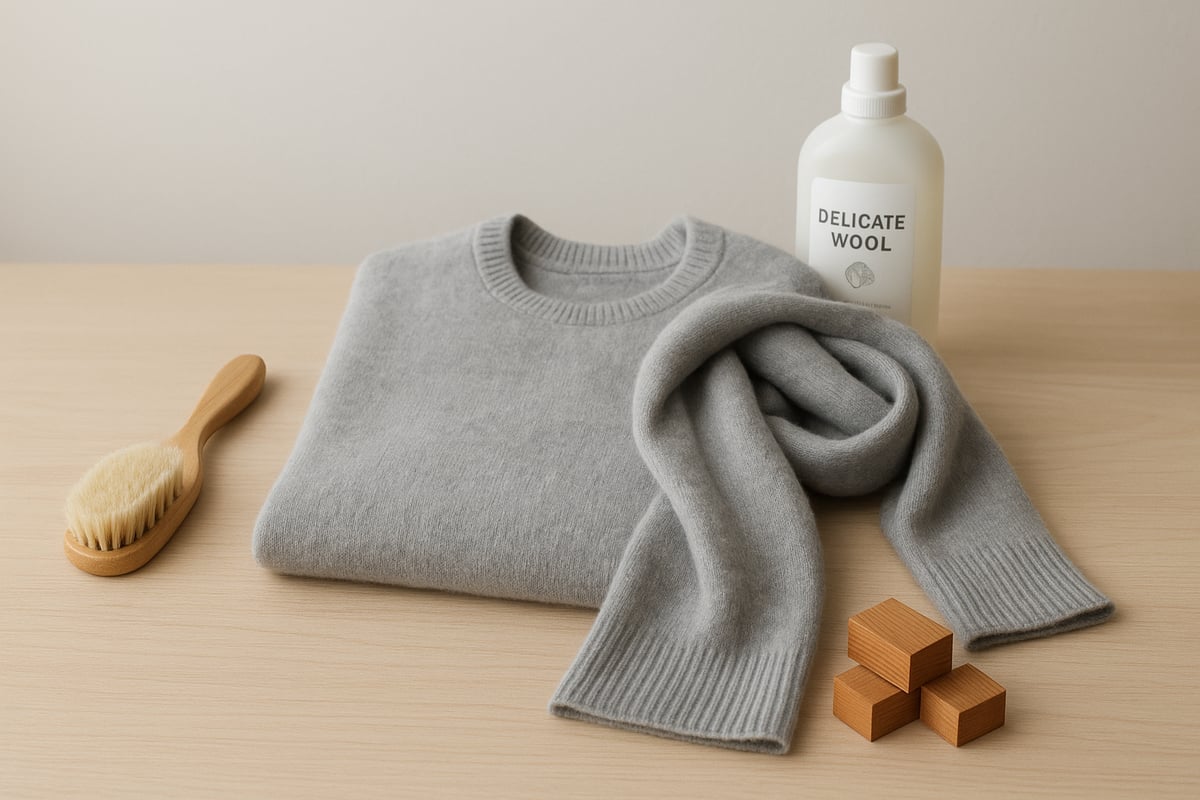
Moths are a known threat. Place cedar blocks or lavender sachets in storage areas to naturally deter pests. For seasonal storage, keep cashmere in a cool, dry space with low humidity to avoid mildew.
Common causes of deterioration include improper folding and lack of moth protection. Following a storage checklist ensures your cashmere of scotland remains pristine between wears.
Repair and Maintenance
Even the finest cashmere of scotland may develop small holes or snags over time. Early intervention is key. Mend minor issues at home with a cashmere repair kit, or seek a professional repair service for more complex damage.
Many Scottish specialists offer expert restoration, preserving both appearance and value. DIY kits usually include matching yarn, needles, and simple instructions.
A cost comparison shows that repairing cashmere is often significantly less expensive than replacement, making maintenance a smart choice for cashmere of scotland owners.
Keeping Cashmere Looking New
Regular maintenance keeps cashmere of scotland garments looking their best. Use a soft brush or a specialist de-pilling comb to remove surface fuzz gently. Brush in one direction to refresh the fibres and restore softness.
To maintain freshness, air out garments between wears and avoid over-washing. Invest in recommended tools, such as a cashmere comb or brush, for optimal results.
Consumer surveys show high satisfaction with these care products, as they help extend the life and appearance of cashmere of scotland items.
Sustainable Care Choices
Embracing sustainable routines benefits both your cashmere of scotland and the environment. Choose eco-friendly detergents and wash in cool water to reduce energy use. Limit washing frequency to save water and prolong garment life.
When cashmere pieces are beyond repair, consider recycling or donating them. Some Scottish brands now offer take-back programmes, encouraging responsible disposal and reuse.
Studies show that sustainable care practices can increase the lifespan of cashmere of scotland garments by up to 30 percent, making them a lasting part of your wardrobe.
Top Scottish Cashmere Brands and Artisans in 2026
Scotland’s reputation for luxury knitwear is built on the exceptional talent, heritage, and innovation of its brands and artisans. The cashmere of scotland is not just a product, but a symbol of enduring quality and creative spirit. In 2026, both time-honoured names and bold newcomers shape this vibrant industry.
Established Heritage Brands
The legacy of the cashmere of scotland is epitomised by iconic brands such as Johnstons of Elgin, Hawico, and Barrie Knitwear. These companies have been at the forefront of the industry for generations, blending traditional skills with contemporary design. Johnstons of Elgin, founded in 1797, is renowned for its meticulous craftsmanship and luxurious scarves, while Hawico is celebrated for its innovation in knitwear.
Barrie Knitwear, with its roots in the Scottish Borders, has become synonymous with excellence, supplying global fashion houses and launching exclusive collections. Collectively, these brands command a significant share of the global market, with exports reaching record highs in 2025. Their enduring partnerships with luxury designers reinforce the prestige of the cashmere of scotland.
Emerging Designers and Artisans
A new wave of talent is redefining the cashmere of scotland landscape. Emerging designers focus on innovation, sustainability, and distinctive aesthetics, ensuring the industry remains both relevant and future-facing. Artisans are experimenting with bold patterns, eco-friendly dyes, and ethical sourcing, attracting younger audiences and conscious consumers.
The artisan sector is growing rapidly, with several small brands gaining international acclaim. Notably, an award-winning designer in 2025 showcased a collection that fused traditional Scottish motifs with cutting-edge techniques. This fresh energy helps maintain Scotland’s position as a leader in luxury knitwear and injects new life into the cashmere of scotland tradition.
Collaborations and Limited Editions
Collaborations between Scottish brands and international designers elevate the profile of the cashmere of scotland. High-profile partnerships have resulted in limited-edition releases that blend Scottish heritage with global trends, making these items highly desirable among collectors and fashion enthusiasts.
Capsule collections launched in collaboration with renowned fashion houses drive exclusivity and brand prestige. Sales figures for limited editions have soared, with some collections selling out within days. This synergy of tradition and innovation keeps the cashmere of scotland at the forefront of the luxury market, continually attracting new audiences.
Shopping Experiences and Mill Tours
Experiencing the cashmere of scotland firsthand is a highlight for many visitors. Scottish mills and workshops open their doors to the public, offering immersive tours where guests can witness weaving, dyeing, and finishing processes. These experiences deepen appreciation for the craftsmanship behind each item.
Retail stores across Scotland create inviting atmospheres, while interactive workshops allow for personalisation and direct engagement with artisans. According to recent feedback, mill tours have become a significant driver of tourism. To plan your own visit and explore the artistry behind the cashmere of scotland, see Visit Scottish mills and workshops.
Trends and Innovations in Scottish Cashmere for 2026
The cashmere of scotland industry is entering a new era of innovation, blending tradition with forward-thinking approaches. As sustainability and technology reshape luxury textiles, Scottish producers are setting benchmarks for quality and responsibility. This section explores the leading trends and future directions shaping the world of Scottish cashmere in 2026.
Sustainable and Ethical Production
Sustainability is at the forefront of the cashmere of scotland movement. Mills now prioritise traceable supply chains, ensuring every fibre is ethically sourced and fully documented. Many Scottish brands have adopted zero-waste processes, striving to reduce environmental impact at every stage.
Certification schemes, such as the Sustainable Fibre Alliance, help guarantee animal welfare and responsible land management. Some mills have even achieved carbon-neutral status through renewable energy and rigorous waste management. According to recent research, corporate social responsibility in luxury manufacturer supply chains is increasingly integral to Scottish cashmere, with transparent practices winning consumer trust.
Local communities benefit too, as employment opportunities grow in tandem with sustainable initiatives. This ethical focus positions cashmere of scotland as a global leader in luxury with conscience.
Fashion and Lifestyle Trends
Fashion for 2026 is all about versatility and personal expression. The cashmere of scotland sector leads with rich, earthy tones and bold contemporary patterns. Designers are embracing both classic tartans and minimalist styles, appealing to a wide range of preferences.
Streetwear influences are evident, as cashmere finds its way into oversized jumpers, relaxed trousers, and statement scarves. Digital fashion is also making waves, with virtual try-ons and social media showcasing trending looks. Consumers are drawn to the tactile luxury and timeless appeal that cashmere of scotland provides.
According to recent style surveys, layering and mix-and-match collections are especially popular, reflecting a blend of comfort and sophistication. This evolving aesthetic ensures Scottish cashmere remains relevant in a fast-changing fashion landscape.
Technology and Smart Cashmere
Innovation is not limited to design. The cashmere of scotland industry is pioneering smart textiles that integrate wearable technology directly into garments. Imagine a cashmere scarf that regulates temperature or a jumper that tracks wellness metrics.
Collaborations with tech companies are becoming common, as Scottish mills experiment with fibres that respond to environmental changes. These advancements enhance comfort without compromising the natural qualities of cashmere.
The market for smart textiles is projected to expand significantly by 2026, and Scottish brands are well-positioned to lead this space. As technology and tradition converge, cashmere of scotland offers both timeless luxury and cutting-edge functionality.
The Future of Scottish Cashmere
Looking ahead, the cashmere of scotland sector is poised for robust growth and new challenges. Export forecasts predict steady expansion into emerging markets, driven by rising demand for sustainable luxury goods. At the same time, evolving consumer expectations mean brands must balance heritage with innovation.
Industry initiatives highlighted in the Evaluation of Cashmere Made in Scotland Promotion 2001 - 2003 demonstrate the enduring impact of targeted promotion and quality assurance. This foundation supports the industry’s continued success and adaptation.
Scottish cashmere is set to play a pivotal role in the future of sustainable luxury, combining craftsmanship, technology, and ethical values. The journey ahead promises even greater achievements for the cashmere of scotland story.
As you explore the world of Scottish cashmere—its heritage, craftsmanship, and timeless elegance—you’ll notice how Scotland’s spirit is woven into every luxury detail. At Love Scottish, we share that same dedication to tradition, creativity, and sensory delight through our bespoke candle range. Just as Scottish cashmere brings comfort and refinement to your wardrobe, our hand-poured candles capture the essence of Scotland, transforming any space with evocative scents. If you’re inspired to bring a touch of Scottish warmth and artistry into your home this season, you can Shop Christmas Candles and experience it for yourself.