
Candle Making Candles Guide: Your Essential Handbook 2025
Ready to ignite your creativity and transform your home? Candle making candles has become one of the most rewarding and accessible crafts in 2025.
This essential handbook is designed to guide you step by step, whether you are just starting out or already passionate about crafting your own candles.
You will discover the fascinating history and science behind candles, learn which materials and tools to use, and understand vital safety tips.
From beginner instructions to advanced techniques and troubleshooting, this guide also explores the latest trends shaping the candle making world.
Join the growing community of makers, unlock expert insights, and start your candle making candles journey today.
The Art and Science of Candle Making
Candle making candles blend creativity, tradition, and innovation. To truly master this craft, it helps to understand both its fascinating origins and the scientific principles behind every flickering flame.
A Brief History of Candles
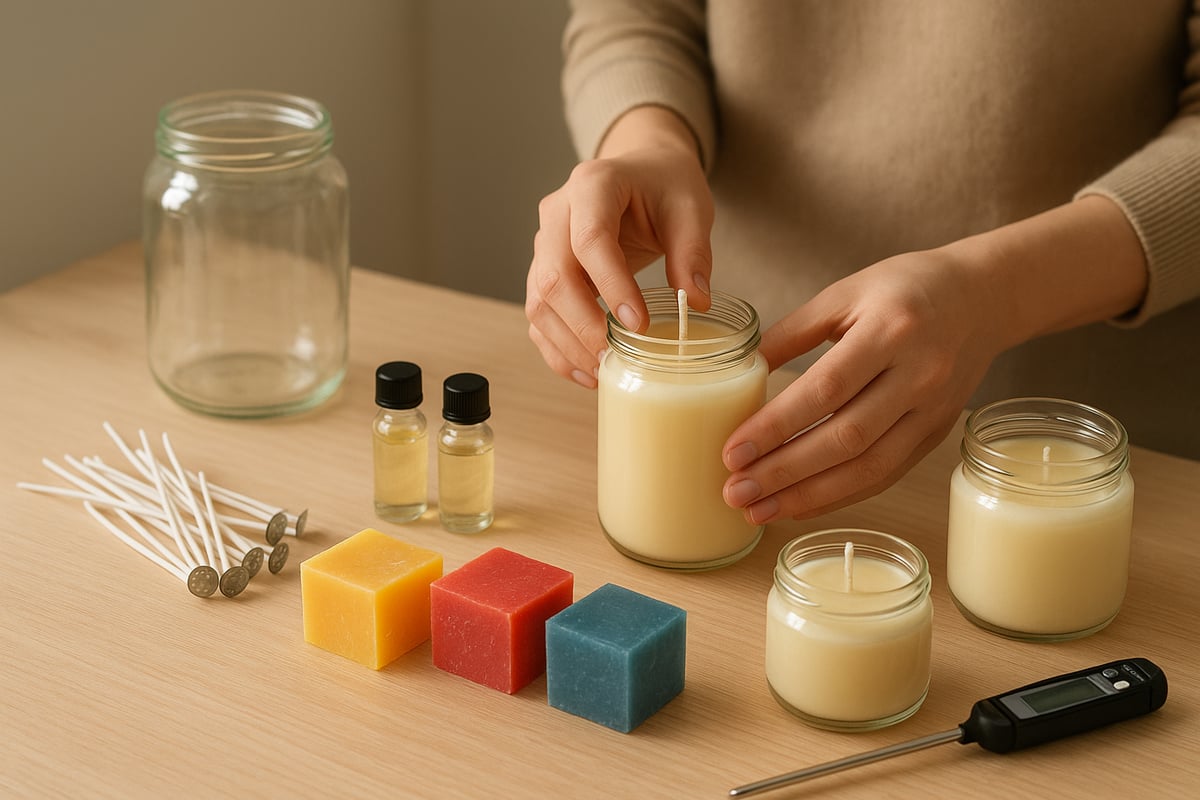
The journey of candle making candles begins in ancient Egypt, where early tallow lamps lit up homes and temples. Romans improved the process, using dipped tallow and beeswax to craft more reliable light sources. Over centuries, candles evolved from simple animal fat to refined beeswax, and by the 19th century, paraffin revolutionised production.
Milestones include the introduction of scented candles and the rise of artisan craftsmanship in recent decades. For a deeper dive into this story, visit the History of the flame.
How Candles Work: The Science Explained
At the heart of candle making candles is a simple yet elegant process. Lighting the wick draws liquid wax up, where it vaporises and combusts with oxygen to produce a steady flame. The melt pool forms around the wick, releasing both light and fragrance.
Additives and colourants can alter how the candle burns, its scent throw, and appearance. The interplay between wax, wick, and air is what enables each candle to perform its unique function.
Types of Candles and Their Uses
Candle making candles come in many forms, each suited to different needs. The most popular types in the UK include:
- Pillar candles (standalone décor)
- Votive and tealight candles (ambience, aromatherapy)
- Container candles (practical, safe for homes)
- Taper candles (elegant dining)
- Novelty candles (themed, decorative)
According to Statista (2024), container candles lead UK sales, reflecting their versatility and safety for everyday use.
| Type | Common Use | Popularity (UK) |
|---|---|---|
| Container | Home décor, gifting | Most popular |
| Pillar | Centrepieces | Moderate |
| Tealight | Aromatherapy, events | High |
Benefits of Making Your Own Candles
Choosing to create candle making candles at home offers unique advantages. You can personalise scents, colours, and shapes to match your taste or occasion. Making your own is often more cost-effective than buying premium brands, especially for regular users.
Homemade candles also let you select natural, non-toxic ingredients, reducing your environmental impact and supporting a healthier home environment.
Candle Making in 2025: Key Trends
The world of candle making candles is evolving rapidly. In 2025, natural waxes like soy, coconut, and rapeseed are rising in popularity, driven by sustainability concerns. Consumers are seeking refillable containers and zero-waste packaging.
Custom fragrances, inspired by local botanicals or global trends, are in demand. Smart candle technology, such as app-controlled lighting or scent release, is also emerging, offering a modern twist on an ancient craft.
Candle Safety: What You Need to Know
While candle making candles are beautiful, safety must come first. The UK Fire Service reports over 2,000 candle-related fires annually, highlighting the need for careful use at home. Always burn candles on a stable, heat-resistant surface, away from flammable objects and out of reach of children and pets.
Home crafters should follow regulatory standards and best practices to ensure their creations are safe for all users. Educating yourself on proper candle care is essential for both enjoyment and peace of mind.
Essential Materials and Tools for Candle Making
Embarking on your candle making candles journey begins with understanding the essential materials and tools. The right choices set the foundation for success, ensuring safety, quality, and creativity at every stage.
Choosing the Right Wax
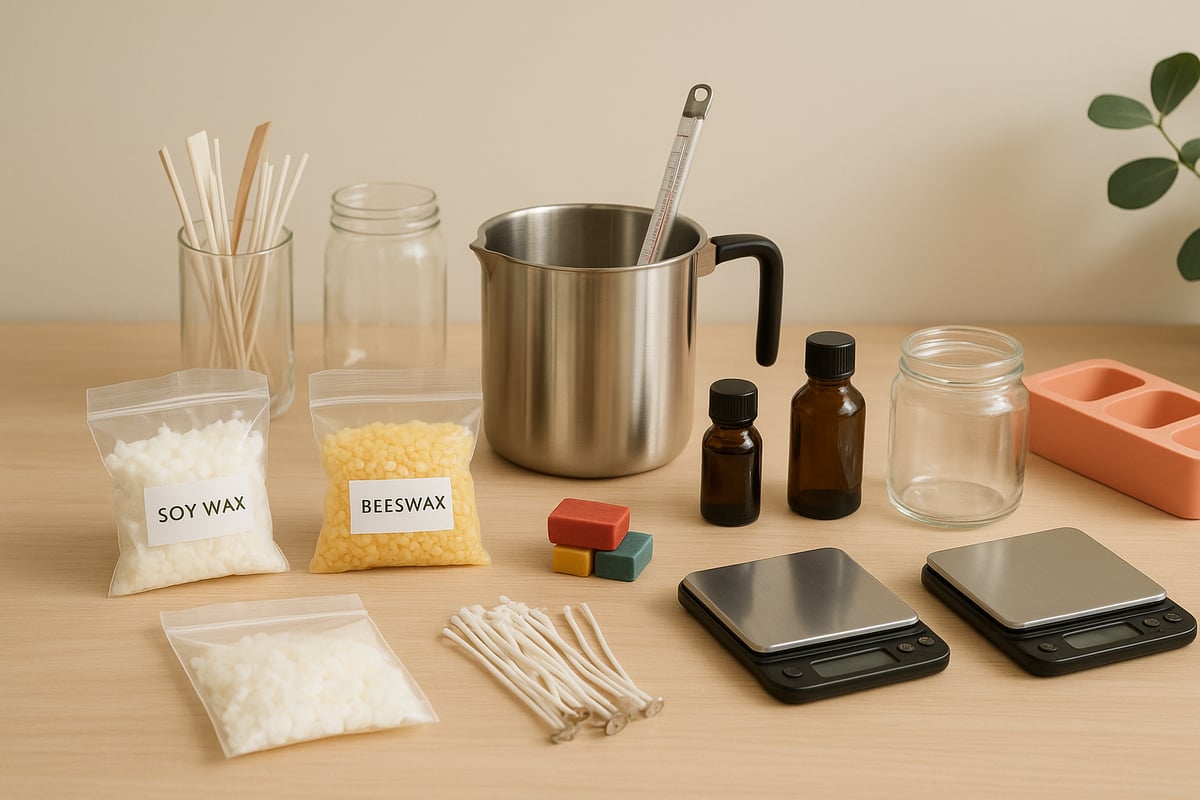
Selecting the ideal wax is the first step in candle making candles. Each type of wax offers unique benefits, and your choice will influence burn time, scent throw, and eco-credentials. Consider the following comparison:
| Wax Type | Pros | Cons |
|---|---|---|
| Paraffin | Affordable, good scent throw | Not eco-friendly, petroleum-based |
| Soy | Renewable, clean burn, popular (40% UK) | Can frost, softer texture |
| Beeswax | Natural, long-burning, subtle scent | Expensive, limited scent diffusion |
| Coconut | Sustainable, creamy appearance | Higher cost, softer |
| Rapeseed | Local UK source, eco-friendly | Less common, softer |
Soy wax is particularly popular for hobbyists, aligning with sustainability trends in candle making candles. Always consider environmental impact and desired candle characteristics when choosing your wax.
Selecting Wicks and Their Importance
Wicks are at the heart of candle making candles, influencing how your candle burns and how well it releases fragrance. The main materials include cotton, wood, and hemp, each offering different burn qualities. Cotton wicks are versatile and reliable for most candle types, while wooden wicks provide a gentle crackling sound and modern aesthetic.
Proper wick sizing is crucial. Too small, and your candle may tunnel; too large, and it could burn too hot or produce smoke. Match the wick width to your container or mould diameter for optimal results. Remember, the wick you select determines both the safety and performance of your candle making candles.
Fragrance Oils and Essential Oils
Adding scent is a key part of personalising candle making candles. Fragrance oils offer a wide variety of scents and consistent results, while essential oils provide natural alternatives with therapeutic benefits. When using fragrances, adhere to safe usage rates—typically no more than 10% of your wax weight.
Popular scents in 2025 include lavender for relaxation, oud for luxury, and Scottish pine for a fresh, regional touch. Mix thoroughly to ensure an even distribution of fragrance throughout your candle making candles, and always check compatibility with your chosen wax.
Candle Dyes and Colourants
Colour brings creativity and personality to candle making candles. Dyes come in liquid, chip, and block forms, each suited to different methods. Liquid dyes offer precision, while chip and block dyes are ideal for larger batches.
For even colour distribution, melt dyes fully into the wax before pouring. Natural options, like mica or plant-based powders, appeal to eco-conscious makers, while synthetic dyes provide vibrant, consistent hues. Always test colour intensity with a small batch before scaling up your candle making candles.
Containers, Moulds, and Accessories
The vessel you choose shapes both the look and function of your candle making candles. Glass jars and tins are classic choices, offering durability and safety. Silicone moulds are excellent for creative shapes and easy release, while reusable containers support sustainability.
Prioritise heat-resistant and non-porous materials to prevent accidents. Enhance your candle making candles with decorative add-ons such as dried botanicals or crystals, ensuring all embellishments are safe and non-flammable.
Basic Tools for Beginners
Successful candle making candles requires a few essential tools. A dedicated melting pot ensures safe heating, while a thermometer helps maintain the correct wax temperature. Accurate digital scales guarantee consistent results, and stirring rods aid even mixing.
Safety should always come first. Use gloves and aprons to protect yourself, and keep a fire extinguisher nearby. For those looking to expand their toolkit, explore a curated range of candle accessories and tools to elevate your candle making candles experience. With the right equipment, you are ready to create candles confidently and safely.
Step-by-Step Candle Making Process
Candle making candles requires both creativity and precision. This step-by-step guide will help you create professional-quality candles at home, whether you are a first-timer or an experienced hobbyist. Each stage is crucial for achieving beautiful, safe, and fragrant results.
Preparing Your Workspace
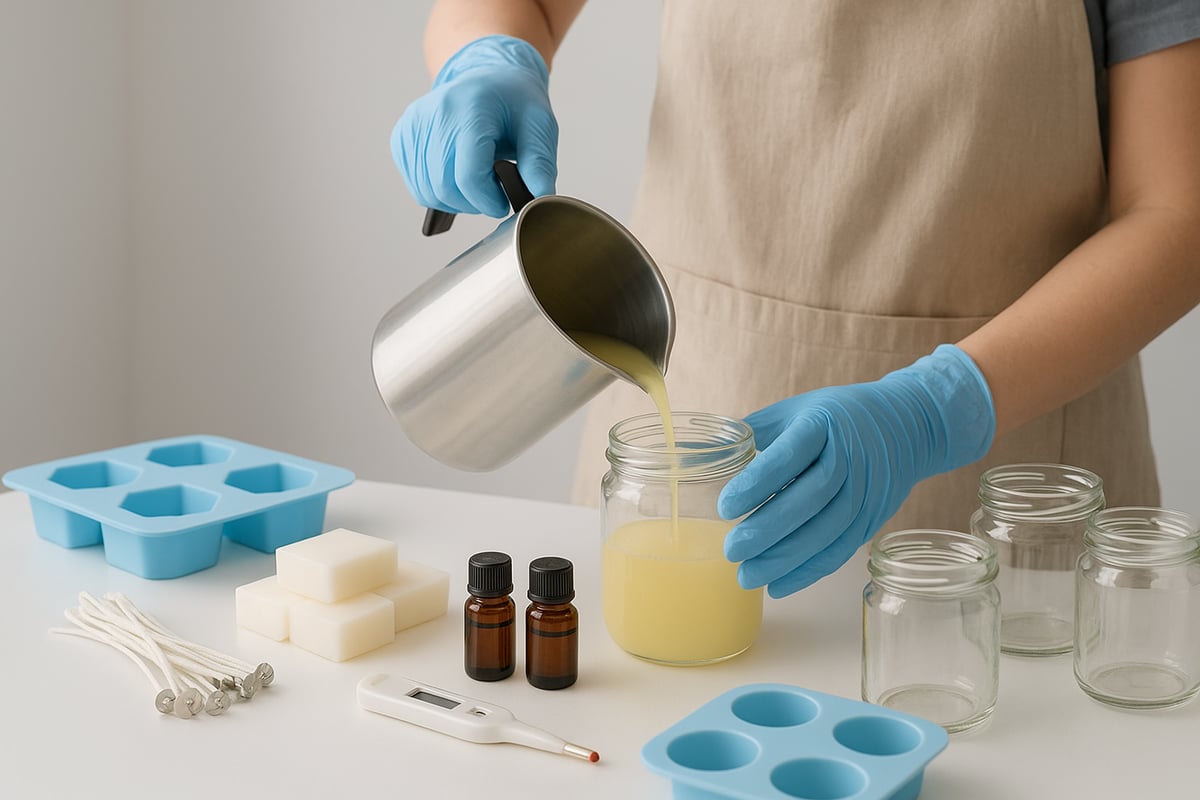
Before you start candle making candles, set up a safe and organised area. Choose a well-ventilated space, such as a kitchen with open windows or a dedicated craft room. Clear surfaces of clutter and cover them with newspaper or silicone mats to catch any spills.
Gather all your materials and tools in advance. This includes wax, wicks, fragrance oils, dyes, containers or moulds, a thermometer, a melting pot, gloves, and an apron. Safety is paramount, so keep a fire extinguisher nearby and ensure children and pets are not in the workspace.
A tidy, prepared area makes the process smoother and reduces the risk of accidents. Taking time with this step sets a professional tone for the rest of your candle making candles journey.
Measuring and Melting the Wax
Accurate measurement is essential for consistent candle making candles results. Use digital kitchen scales to weigh your wax and additives precisely. Each candle type requires a specific wax-to-fragrance ratio, so refer to your chosen recipe.
Melt the wax using a double boiler for gentle, even heating. Alternatively, a microwave can be used for small batches, but always heat in short bursts and stir frequently. Monitor the temperature closely with a thermometer. Most waxes melt best between 65°C and 80°C, avoiding overheating which can damage fragrance and colour.
Once fully melted and clear, remove the wax from heat. Always handle hot wax with care, using protective gloves to prevent burns.
Adding Fragrance and Colour
Infusing scent and colour into your candle making candles brings them to life. Allow the melted wax to cool slightly before adding fragrance oils, ensuring the temperature is below the oil’s flash point (usually 60–65°C). This preserves scent quality and prevents evaporation.
Stir the fragrance thoroughly for at least 30 seconds to guarantee even distribution. For colour, use liquid, chip, or block dyes, dissolving them completely in the hot wax. Mix until the colour is uniform, paying attention to avoid streaks or clumps.
Be mindful not to exceed recommended fragrance loads, typically up to 10% of the wax weight. Overloading can cause poor burning or sweating.
Choosing and Setting the Wick
Selecting and placing the right wick is vital for candle making candles performance. Choose a wick that matches your wax type and container size. Cotton, wood, or hemp wicks each offer different burn characteristics.
Centre the wick in your container using a wick holder, adhesive tab, or a simple chopstick. Secure it upright to prevent shifting during pouring. A well-centred wick ensures even burning and prevents tunnelling, which can waste wax and reduce scent throw.
Check the wick’s length, trimming it to around 1 cm above the container. This prepares your candle for a clean initial burn.
Pouring and Setting the Candle
Pouring is a delicate phase in candle making candles. Pour the wax slowly and steadily into your container or mould. For most waxes, the ideal pour temperature ranges from 55°C to 70°C, depending on the specific type.
To reduce air bubbles, gently tap the container on the table after pouring. Avoid overfilling and leave space at the top for safe burning. Let the candle cool undisturbed at room temperature, away from direct sunlight or drafts, which can cause cracks or uneven surfaces.
Patience is key, as rushing this stage can lead to imperfections like sinkholes or frosting.
Curing, Trimming, and Testing
Proper curing is essential for candle making candles to reach their full potential. Allow your candles to cure for 24–72 hours, depending on the wax. This process enhances scent throw and ensures even burning.
Before lighting, trim the wick to 5 mm for a clean, controlled flame. Perform a first burn test, letting the candle burn long enough for the melt pool to reach the container’s edge. This helps identify issues like tunnelling or poor scent distribution.
For more detailed care, visit these Candle care and maintenance tips to extend candle life and maximise safety.
Decorating and Labelling Your Candles
Once your candles are cured, unleash your creativity with decorations. Adorn the tops with dried flowers, eco-friendly glitter, or small crystals, ensuring all additions are flame-safe and do not interfere with the wick.
If you plan to gift or sell your candles, create custom labels with scent names, burn instructions, and safety warnings. For UK makers, include CLP compliance information to meet legal requirements.
Attractive packaging and thoughtful labelling add a professional finish, making your candle making candles stand out for any occasion.
Advanced Candle Making Techniques
Unlocking advanced techniques in candle making candles elevates your craft, allowing you to create unique, beautiful, and high-performing pieces. Experimentation and attention to detail are essential at this stage. Let us explore the most popular and effective methods to refine your candle making candles skills.
Layered and Multi-Coloured Candles
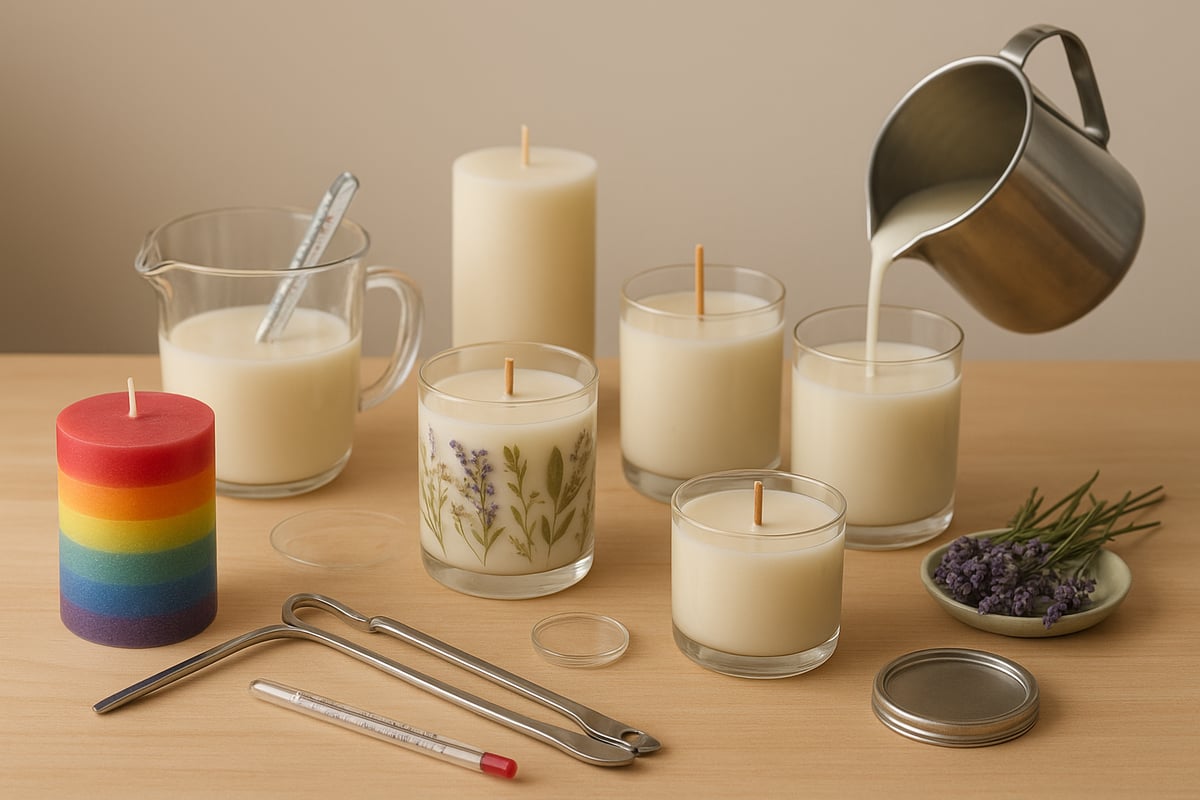
Creating layered and multi-coloured candle making candles involves careful timing and temperature control. Each layer must cool slightly before pouring the next to achieve crisp, defined stripes or smooth ombré transitions. Use a thermometer to check wax temperature, keeping it consistent for each pour.
- Pour each colour at 60–65°C for best results.
- Allow each layer to set until a skin forms before adding the next.
- Experiment with colour gradients for ombré effects.
A popular example is the rainbow pillar candle, where each band of colour is added in sequence. This technique adds visual interest and can be tailored to match any décor or occasion, making your candle making candles truly stand out.
Embedding Objects and Botanicals
Embedding objects in candle making candles is a creative way to personalise your work. Safe materials include dried botanicals such as Scottish heather, ethically sourced crystals, or shells. Avoid anything flammable or that might release toxins.
- Place botanicals close to the edge but not touching the wick.
- Use a clear gel or soy wax for better visibility of embeds.
- Ensure all objects are dry to prevent mould.
Safety is paramount. Keep embeds away from the wick to avoid uneven burning or potential hazards. Embedded candle making candles make thoughtful gifts and can capture the essence of a particular place or memory.
Creating Scent Combinations and Blends
Advanced candle making candles often feature complex scent blends. Understanding fragrance notes is key. Combine top, middle, and base notes for a balanced aroma. For example, blend lavender (top), rose (middle), and cedarwood (base) for a calming, sophisticated candle.
Tips for scent blending:
- Start with small test batches.
- Note the percentage of each oil used.
- Allow the candle to cure before evaluating the scent.
Layering fragrances in candle making candles lets you craft signature scents that are entirely your own, appealing to a wider range of preferences.
Wooden Wicks and Crackling Effects
Wooden wicks add a distinctive crackling sound and modern aesthetic to candle making candles. Choose high-quality, untreated wood for the best results. Soak wicks in oil before use to improve burn consistency.
- Test different widths for varying wax types.
- Secure the wick firmly at the base.
- Monitor burn tests to ensure an even flame.
Wooden wicks enhance ambience and can increase burn time. This technique also brings a tactile element to candle making candles, making them more engaging for users.
Custom Container and Upcycling Ideas
Sustainable candle making candles often use upcycled containers. Repurpose glass jars, vintage teacups, or tins. Clean thoroughly to remove residues and ensure heat resistance.
- Inspect for cracks or chips before use.
- Pre-warm containers to reduce sinkholes.
- Add decorative elements, such as twine or eco-labels.
Upcycling not only reduces waste but also adds character to your candle making candles. It is an eco-friendly approach that resonates with environmentally conscious consumers.
Troubleshooting Common Candle Issues
Even experienced makers of candle making candles encounter issues. Common problems include sinkholes, frosting, wet spots, poor scent throw, or excessive soot.
| Issue | Cause | Solution |
|---|---|---|
| Sinkholes | Rapid cooling | Pour at slightly higher temp |
| Frosting | Soy wax crystallisation | Warm containers, slow cool |
| Wet spots | Wax contraction | Preheat containers |
| Poor scent throw | Low fragrance load/temp | Adjust ratio, pour at 65°C |
| Soot | Wick too large | Trim wick, choose correct |
Careful monitoring and adjustments help you perfect your candle making candles, ensuring every creation meets your standards for quality and performance.
Candle Making for Gifting, Selling, and Home Use
Whether you are crafting candle making candles as heartfelt gifts, launching a small business, or simply brightening your home, the creative possibilities are endless. Each approach offers unique rewards and opportunities for personalisation, profit, and sustainability.
Personalising Candles for Gifts
Candle making candles for gifts allows you to tailor every detail. Choose scents that evoke memories, colours to match the recipient’s décor, and labels with personalised messages. Packaging ideas include recyclable boxes, organza bags, or hand-tied ribbons for a special touch.
Popular occasions for gifting include weddings, birthdays, and Christmas. Customisation transforms a simple candle into a thoughtful keepsake. Adding dried botanicals or eco-glitter enhances both presentation and sentiment, making your candle making candles truly memorable.
Starting a Small Candle Business
Turning your passion for candle making candles into a business is rewarding, but it comes with responsibilities. Before selling, ensure you follow all legal requirements, such as insurance, CLP labelling, and safety documentation. For a detailed overview, consult the legal requirements for selling homemade candles in the UK.
Pricing should reflect your costs, time, and desired profit. The UK handmade candle market continues to grow, presenting new opportunities for creative entrepreneurs passionate about candle making candles.
Selling Online and at Markets
Expanding your reach is easier than ever. Platforms like Etsy, Not On The High Street, and local craft fairs offer popular spaces to sell candle making candles. Building a brand identity, using professional photography, and sharing your story on social media are essential for attracting loyal customers.
Encourage reviews and offer incentives for repeat purchases. These strategies help establish your reputation and ensure your candle making candles stand out in a competitive market.
Eco-Friendly and Sustainable Practices
Sustainability is a top priority for many makers of candle making candles. Choose natural, cruelty-free waxes, and source fragrances responsibly. Refillable containers and zero-waste packaging, such as recycled glass jars or compostable wraps, minimise environmental impact.
Participate in local candle recycling schemes to further reduce waste. Adopting these practices strengthens your brand, appeals to eco-conscious buyers, and reflects the evolving values of the candle making candles community.
Candle Care and Maintenance Tips
Proper care extends the life and enjoyment of candle making candles. Trim wicks to 5 mm before each burn to prevent soot and improve scent throw. Ensure candles burn long enough to create a full melt pool, maximising fragrance and reducing tunnelling.
Store candles in a cool, dry place away from direct sunlight. Educate customers with care cards so they can enjoy the best results from their candle making candles.
Inspiration from Scottish Candle Makers
Scotland’s candle makers offer unique inspiration for anyone interested in candle making candles. Many use local botanicals such as heather, pine, or wildflowers to create distinctive scents. This regional approach connects each candle to a sense of place and tradition.
Look for trends like upcycled whisky tumblers or Celtic-inspired packaging. Drawing on local heritage and ingredients, Scottish artisans show how candle making candles can celebrate both creativity and culture.
Exploring Candle Making Communities and Resources
Connecting with others who share your passion for candle making candles can transform your skills and enjoyment. The UK offers a vibrant network of digital and real-world resources to support every stage of your journey. Whether you are seeking advice, inspiration, or the latest industry updates, these communities and resources ensure you are never crafting alone.
Online Candle Making Communities
The online world is full of spaces dedicated to candle making candles, offering endless opportunities to connect, learn, and share. Popular platforms include Facebook groups, Reddit forums such as r/candlemaking, and Instagram hashtags like #candlemakingcandles. These communities provide peer support, troubleshooting tips, and inspiration for new projects.
Members regularly post their latest candle making candles creations, share reviews of new supplies, and answer technical questions. Peer feedback can help you overcome common challenges or discover innovative techniques. Whether you are a beginner or a seasoned maker, joining active online groups is an excellent way to stay engaged and motivated.
Workshops, Courses, and Events
To further your candle making candles expertise, consider attending workshops or enrolling in courses. Across the UK, both in-person and online events are widely available. Many local studios and craft shops offer hands-on classes, while virtual workshops make learning accessible from anywhere.
Since 2022, attendance at candle making candles workshops has risen, reflecting the growing popularity of the craft. These sessions often include expert demonstrations, Q&A opportunities, and a chance to network with fellow enthusiasts. Look out for special events in your region, such as seasonal masterclasses or themed candle making candles festivals.
Books, Blogs, and YouTube Channels
There is a wealth of educational content for those keen to master candle making candles. Top recommendations include beginner-friendly books like "The Complete Candle Maker" and UK-focused guides. For ongoing inspiration, explore blogs such as "Candle Crafter UK" or channels featuring British makers on YouTube.
Many creators share step-by-step tutorials, troubleshooting advice, and advanced techniques for candle making candles. Subscribing to reputable resources ensures you remain informed about the latest methods and trends. Reading reviews and following industry leaders can help refine your skills and spark new ideas.
Sourcing Supplies: UK and Global Options
Finding quality materials is essential for successful candle making candles. The UK boasts several reputable suppliers for wax, wicks, and fragrances, including both large wholesalers and boutique shops. Buying in bulk can be cost-effective for frequent crafters, while smaller quantities suit hobbyists or those experimenting with new styles.
Ethical sourcing is increasingly important in candle making candles, with many makers choosing local, cruelty-free, or sustainable ingredients. For example, Scottish botanicals are a popular choice for natural scents and decoration. Always research suppliers for transparency and reliability before purchasing.
Staying Updated with Trends and Regulations
Remaining current with trends and safety standards is crucial for anyone passionate about candle making candles. Following industry news, subscribing to newsletters, and engaging with community forums can keep you informed about new fragrance launches, eco-friendly practices, and changes in UK/EU regulations.
For market insights and forecasts, resources like UK candle market growth projections offer valuable data on the evolving landscape of candle making candles. Staying aware of regulatory updates, such as allergen labelling and CLP compliance, helps ensure your creations are both safe and market-ready.
As you explore the art and science of candle making, you’ll discover how personal touches and thoughtful craftsmanship can transform any space—especially during the festive season. Whether you’re just starting out or refining your techniques, there’s something magical about creating or selecting the perfect scent for winter gatherings. If you’re inspired to bring a little extra warmth and traditional Scottish creativity into your home, why not experience our bespoke seasonal range? Take the next step on your candle journey and Shop Christmas Candles—each one hand poured with care, ready to fill your home with festive cheer.