

Natural Soy Wax Guide: Sustainable Choices for 2025
Eco-friendly living is becoming a top priority in 2025, with more people searching for sustainable solutions in every part of their homes. Among these choices, natural soy wax stands out as a preferred option for those who care about both the environment and indoor air quality.
This guide will walk you through everything you need to know about natural soy wax, covering its origins, key benefits, and why it is the smart choice for the future. You will discover what makes soy wax unique, how it compares to other waxes, tips for choosing quality products, and the latest trends shaping the industry.
Whether you are a candle enthusiast or simply want a cleaner, greener home, this guide empowers you to make informed, sustainable choices for a healthier lifestyle.
Understanding Natural Soy Wax: Origins and Production
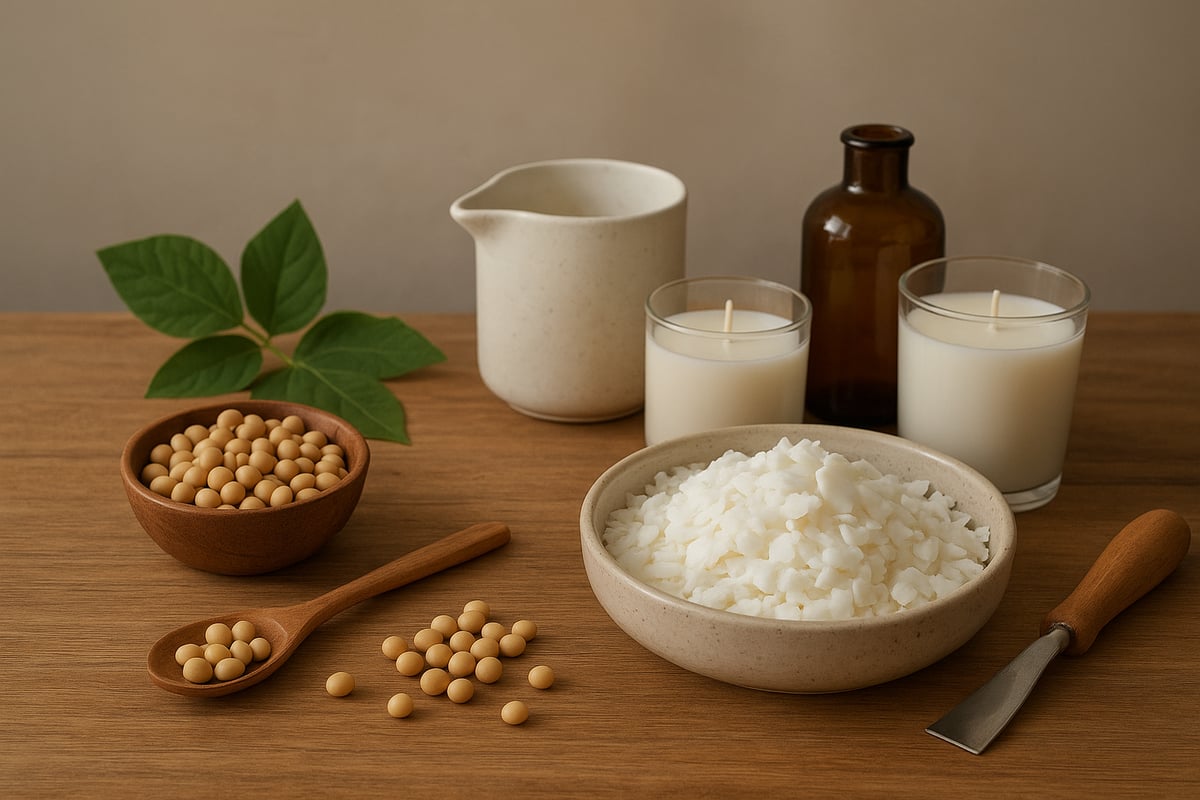
Natural soy wax has become a staple in eco-friendly candle making, offering a renewable and biodegradable alternative to traditional waxes. Derived from hydrogenated soybean oil, it stands out for its sustainable credentials and versatile applications in home fragrance, cosmetics, and beyond. Unlike paraffin, natural soy wax is biodegradable and non-toxic, making it a safer choice for households seeking greener solutions. It is especially popular for container candles, thanks to its clean burn and smooth finish. Major producers include the USA, Brazil, and Argentina, reflecting the global scale of soybean cultivation.
What is Natural Soy Wax?
Natural soy wax is a plant-based wax produced by hydrogenating soybean oil. Its main characteristics include being biodegradable, renewable, and free from toxic substances. This means it breaks down naturally, causing minimal impact on the environment.
You will find natural soy wax used predominantly in candles, but it also appears in cosmetics and personal care products. When compared to traditional waxes like paraffin, soy wax offers a cleaner, longer-lasting burn, making it ideal for household candles. The world’s leading producers are the USA, Brazil, and Argentina, thanks to their robust soybean industries.
How Soy Wax is Made
The journey of natural soy wax starts with the cultivation of soybeans. After harvesting, the beans are cleaned and cracked, then their oil is extracted using mechanical pressing or solvent extraction methods. The extracted oil undergoes hydrogenation, a process that turns the liquid oil into a solid wax by adding hydrogen atoms.
Hydrogenation is key, as it transforms the oil’s unsaturated fats into saturated fats, giving soy wax its firm, creamy texture. By-products such as soy meal are repurposed as animal feed, contributing to a zero-waste approach. Ethical producers often emphasise transparency throughout the supply chain, ensuring responsible sourcing and artisan craftsmanship. For an inside look at this process, you can meet the maker behind artisan soy wax candles and learn more about sustainable methods at Meet the Soy Wax Artisan.
Global Production and Sourcing
Soybean cultivation is concentrated in North and South America, with the USA, Brazil, and Argentina leading global production. Crop rotation and the renewable nature of soybeans support the sustainability of natural soy wax, making it a preferred choice for environmentally conscious consumers.
Producers offer organic and non-GMO certified options, giving buyers confidence in the ethical sourcing of their wax. Industry initiatives promote sustainable farming practices, reducing the environmental footprint. Recent statistics reveal continued growth in global soybean cultivation, with a projected increase to meet rising demand for sustainable waxes in 2025.
Types of Soy Wax and Their Uses
Natural soy wax comes in several forms, each tailored to specific applications. Container wax, with a lower melting point, is perfect for jar candles, ensuring an even, consistent burn. Pillar wax, which has a higher melting point, is used for freestanding candles that require structural integrity.
Blended waxes, such as soy-coconut or soy-rapeseed, offer enhanced scent throw and varied textures, meeting the needs of both hobbyists and professionals. Differences in performance and finish allow for custom blends, depending on the desired candle type. These custom blends have become increasingly popular for creating unique textures and catering to specific candle-making requirements.
Environmental Impact: Why Soy Wax is the Sustainable Choice
The shift towards natural soy wax is transforming the home fragrance industry. As consumers become more eco-conscious, understanding the true environmental impact of natural soy wax is essential. This section explores why soy wax is leading the way in sustainability for 2025 and beyond.
Renewable and Biodegradable Properties
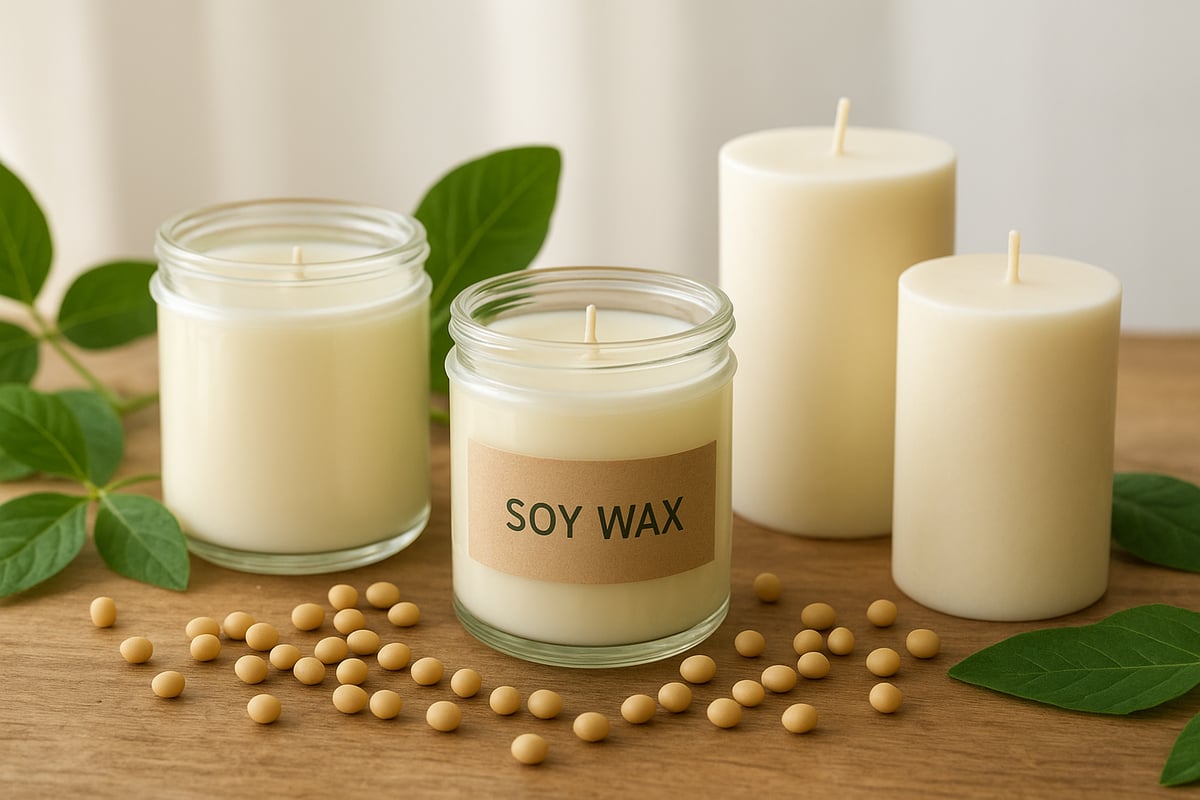
Natural soy wax stands out as a renewable resource, sourced from soybeans that are harvested annually. These crops can be replanted each year, ensuring a continuous, sustainable supply. Unlike finite petroleum-based alternatives, natural soy wax supports long-term ecological balance.
A major advantage of natural soy wax is its biodegradability. When disposed of, it breaks down naturally in the environment, leaving minimal residue and reducing landfill waste. In contrast, paraffin wax can linger in landfills for centuries, contributing to environmental pollution.
Comparison Table: Biodegradability
| Wax Type | Biodegradable | Decomposition Time |
|---|---|---|
| Natural soy wax | Yes | Months to 1 year |
| Paraffin wax | No | Centuries |
Home composting of soy wax residues is also possible, making it easier for consumers to adopt sustainable habits. Choosing natural soy wax products directly supports a cleaner planet and a more responsible approach to waste.
Carbon Footprint and Emissions
The production of natural soy wax generates significantly lower carbon emissions compared to paraffin wax. Growing soybeans actively sequesters carbon dioxide from the atmosphere, further decreasing the overall carbon footprint of the product.
When burned, natural soy wax candles emit less soot and fewer toxins than traditional paraffin candles. This means improved indoor air quality and a healthier environment for families. Studies have shown that using natural soy wax candles can reduce airborne particulates and help maintain cleaner air in homes.
For a detailed look at industry data and emission comparisons, the Soy Wax Market Report 2025–2033 provides valuable insights into the growing preference for eco-friendly waxes and their measurable environmental benefits.
Ethical and Sustainable Farming Practices
Sourcing natural soy wax from ethical and sustainable farms is a growing priority. Many suppliers now use organic and non-GMO soybeans, ensuring that the cultivation process does not harm the environment or rely on harmful chemicals.
Responsible land management is crucial. Sustainable soy farming avoids deforestation and maintains soil health through crop rotation. Certification schemes such as USDA Organic and RSPO help consumers identify brands that are committed to ethical sourcing.
Supply chain transparency is increasing, with brands tracing their soybeans from field to finished product. This ensures that natural soy wax is produced without exploitation and supports fair working conditions for farming communities.
Addressing Soy Farming Concerns
Despite its benefits, soy farming does face challenges, especially regarding deforestation and biodiversity loss in some regions. However, the industry is responding with new initiatives to minimise these impacts.
By-products from soy processing, such as soy meal, are repurposed for animal feed, reducing overall waste. Many producers in South America and beyond are adopting regenerative agriculture techniques, which restore soil health and promote biodiversity.
Community-based projects are also emerging, supporting local economies while safeguarding the environment. As demand for natural soy wax rises, these positive changes are expected to accelerate, making soy wax a cornerstone of sustainable home fragrance.
Comparing Soy Wax to Other Wax Types
Choosing the right candle wax is key to sustainability, performance, and wellbeing. With so many options available, how does natural soy wax measure up against other popular waxes in 2025? Let us break down the differences, benefits, and considerations, so you can make informed eco-friendly choices for your home and business.
Soy Wax vs. Paraffin Wax
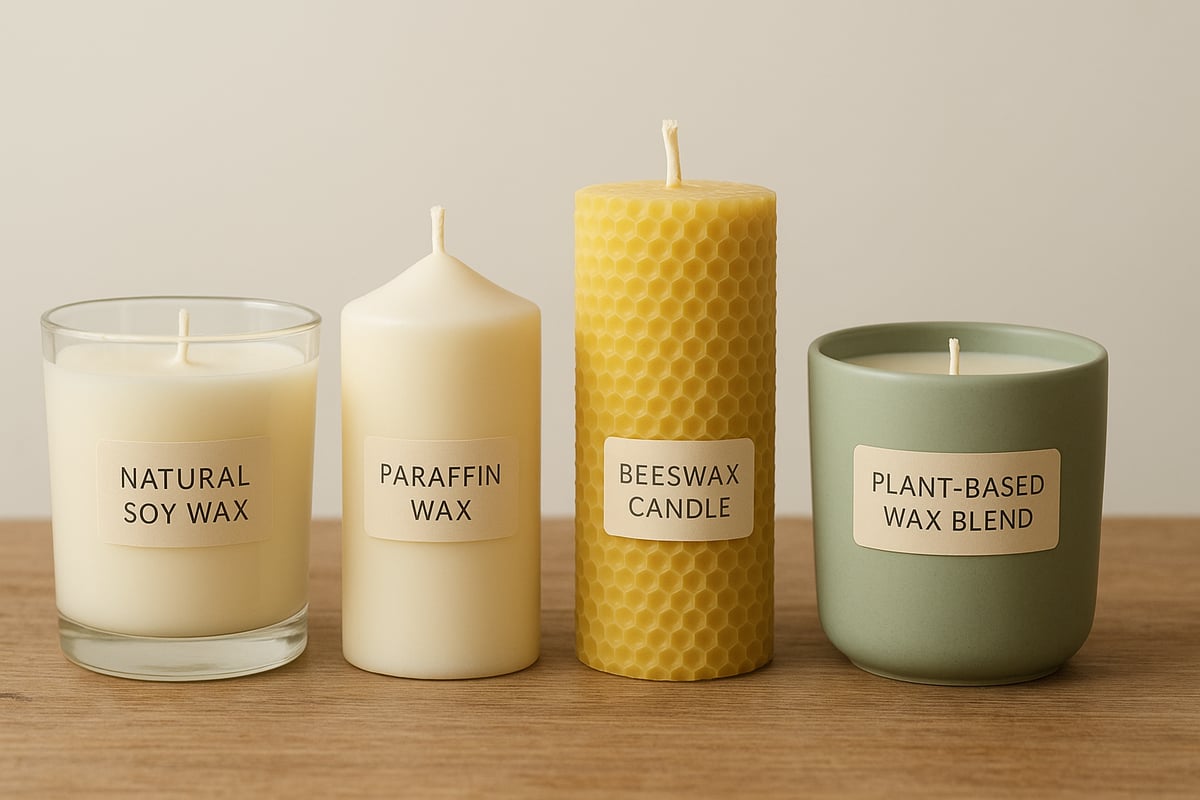
When comparing natural soy wax and paraffin wax, the differences are significant. Paraffin is a petroleum by-product, while natural soy wax is made from hydrogenated soybean oil. This means natural soy wax is renewable, biodegradable, and non-toxic, whereas paraffin contributes to fossil fuel dependence.
A key concern is air quality. Paraffin candles release soot and chemicals like benzene and toluene, which can affect indoor air and respiratory health. In contrast, natural soy wax burns cleaner, emitting far less soot and no harmful toxins. This makes it a safer choice for households, especially those with allergies or young children.
Burn time is another advantage for natural soy wax. On average, soy candles last 30 to 50 percent longer than paraffin equivalents. The table below summarises the major differences:
| Feature | Natural Soy Wax | Paraffin Wax |
|---|---|---|
| Source | Plant (soybeans) | Petroleum |
| Air Quality | Clean burn | Soot, toxins |
| Burn Time | Longer | Shorter |
| Sustainability | Renewable | Non-renewable |
For those seeking a sustainable lifestyle, natural soy wax stands out as the clear winner.
Soy Wax vs. Other Plant-Based Waxes
Natural soy wax is not the only plant-based option. Alternatives include rapeseed, coconut, sunflower, and olive waxes. Each has unique properties. Rapeseed wax offers a high melting point and is popular in Europe. Coconut wax is creamy and holds fragrance well but can be softer in warm climates. Sunflower and olive waxes are less common, often blended for performance.
In terms of scent throw, texture, and availability, natural soy wax leads in popularity for home candle making. Its balanced melting point and ease of use appeal to both hobbyists and professionals. Regional availability also plays a role, with soybeans widely grown in North and South America.
Market data shows natural soy wax holds the largest share among plant-based waxes, thanks to its sustainability and consumer preference for eco-friendly products. For more insight into this trend, see the Soy Wax Market Size & Share 2025–2032 report.
Soy Wax vs. Beeswax
Beeswax is another well-known candle wax, but it differs greatly from natural soy wax. Beeswax is animal-derived, while natural soy wax is 100 percent plant-based, making it suitable for vegans and those avoiding animal products.
Cost is often higher for beeswax, reflecting its labour-intensive production. While beeswax candles have a natural honey scent and burn with a bright flame, they may trigger allergies in sensitive individuals. Natural soy wax, by contrast, is neutral-scented and blends easily with fragrances and essential oils.
For ethical and dietary reasons, many consumers now prefer natural soy wax over beeswax. The vegan candle market continues to grow, with natural soy wax at the forefront of this shift.
Blended Waxes: Pros and Cons
Blended waxes combine natural soy wax with coconut, rapeseed, or other plant-based waxes. The aim is to enhance certain features, such as scent throw, texture, or burn stability. For example, a soy-coconut blend offers a creamy finish and improved fragrance diffusion.
However, sourcing multiple ingredients can complicate the supply chain and raise environmental questions. It is important to choose blends with transparent sourcing and clear labelling. In artisan candle making, custom blends have become popular for creating unique products tailored to specific needs.
Blended waxes offer flexibility, but natural soy wax remains the foundation for most sustainable candle innovations.
Key Properties and Benefits of Natural Soy Wax
Natural soy wax has become the go to choice for those seeking a cleaner, more sustainable candle experience. Its unique properties offer substantial advantages for both consumers and the environment, making it a standout material in home fragrance and candle making.
Clean Burning and Air Quality
One of the most important benefits of natural soy wax is its exceptionally clean burn. Unlike paraffin, which releases soot and harmful chemicals, natural soy wax produces minimal smoke and no carcinogenic by products such as benzene or toluene. This makes it an ideal choice for households aiming to improve indoor air quality, especially for those with allergies or asthma.
For further guidance on how to maximise candle safety and keep your living space fresh, you can refer to Candle Care and Usage Tips. Data shows that natural soy wax candles significantly reduce airborne particulates compared to traditional alternatives, contributing to a healthier, cleaner home.
Superior Scent Throw and Fragrance Retention
Natural soy wax is highly regarded for its superior scent throw and fragrance retention. Its molecular structure allows it to hold and diffuse fragrance oils evenly, ensuring a consistent aroma throughout the candle's life. This makes it a favourite for aromatherapy and scented candles, as the wax effectively locks in both essential oils and natural fragrances.
Whether you prefer subtle or bold scents, natural soy wax ensures the fragrance is distributed smoothly from the first burn to the last. The result is a more enjoyable and immersive sensory experience, enhancing the atmosphere in any room.
Longer Burn Time and Cost Efficiency
One of the standout properties of natural soy wax is its lower melting point, which results in a longer, more even burn. Soy candles typically last 30 to 50 percent longer than their paraffin counterparts, meaning you get more value for your money and less frequent replacements.
This extended burn time also ensures that the candle burns consistently and completely, reducing waste. Over time, households that choose natural soy wax candles benefit from both cost savings and a more sustainable approach to home fragrance.
Versatility in Candle Making
Natural soy wax is incredibly versatile, making it suitable for a wide range of candle types, including containers, pillars, melts, and tealights. Its smooth, creamy finish provides a premium appearance, while its compatibility with dyes and fragrances allows for endless customisation.
Both beginners and professionals appreciate how easy it is to work with natural soy wax. DIY candle kits often feature this wax, offering a straightforward introduction to the craft. Its adaptability ensures that every candle, whether simple or elaborate, meets high standards of quality and performance.
Vegan and Cruelty-Free Credentials
For those prioritising ethical and sustainable choices, natural soy wax stands out as a 100 percent plant based, vegan friendly material. It contains no animal by products and is never tested on animals, making it an excellent fit for consumers seeking cruelty free products.
With the rise in vegan product certifications in 2025, more brands are turning to natural soy wax to meet growing demand. This shift not only supports animal welfare but also aligns with broader trends in conscious consumerism and sustainable living.
How to Choose High-Quality Soy Wax in 2025
Selecting high-quality natural soy wax is crucial for ensuring your candles are sustainable, clean-burning, and long-lasting. In 2025, consumers have more options than ever, but understanding what sets premium natural soy wax apart is essential for making informed decisions.
Purity and Ingredient Transparency
Purity is the foundation of superior natural soy wax. Always check labels to confirm the wax is 100 percent soy and free from paraffin or synthetic additives. Many brands advertise "soy-based" candles, but these may include fillers that diminish sustainability and performance.
Look for clear ingredient lists and avoid products with unnecessary chemicals. Misleading marketing claims can be common in the candle industry, so prioritise transparency. Pure natural soy wax ensures optimal burn quality, minimal environmental impact, and supports your commitment to eco-friendly living.
Ethical Sourcing and Certifications
Ethical sourcing is a key factor in choosing natural soy wax. Look for certifications such as USDA Organic, non-GMO, and Fairtrade, which signal responsible farming and supply chain practices. Certified wax reduces your environmental footprint and guarantees higher quality.
Traceability is increasingly important, with brands providing details about the origin of their soybeans. Transparent supply chains help ensure the wax you choose aligns with your values. The number of certified sustainable natural soy wax products is rising, reflecting growing consumer demand for ethical options.
Performance Factors: Melting Point and Texture
Performance characteristics, such as melting point and texture, affect both candle quality and user experience. For container candles, select natural soy wax with a lower melting point for smooth, even burns. Pillar candles require a firmer wax with a higher melting point to retain their shape.
Consider scent throw and burn time as well. Blended waxes may offer enhanced performance, but always verify soy content. If you live in a warmer climate, opt for higher melting point waxes to prevent softening or deformation. Matching wax type to candle style ensures the best results.
Packaging and Environmental Considerations
Sustainable packaging is an important aspect of choosing natural soy wax. Opt for brands that use recyclable or compostable materials, reducing landfill waste. Bulk purchasing can minimise packaging and offer better value.
Some companies provide refillable containers or zero-waste packaging options. These practices appeal to environmentally conscious consumers and help lower your household waste. Data shows a strong preference for sustainable packaging in 2025, so choose products that reflect these values.
Love Scottish: Artisan Soy Wax Candle Expertise
Love Scottish exemplifies the best in natural soy wax craftsmanship. They produce premium, hand-poured soy wax candles inspired by Scottish landscapes, using only natural soy wax for a cleaner burn and richer fragrance.

The brand offers bespoke scent development and private-label manufacturing, serving both businesses and individuals. Their commitment to sustainable sourcing and eco-friendly packaging stands out. For those seeking wholesale or artisan options, Wholesale Soy Wax Candles provides access to a range of high-quality, sustainable products, including international shipping and seasonal scents.
Practical Guide: Making and Using Soy Wax Candles
Bringing the benefits of natural soy wax into your home is not only rewarding but also environmentally responsible. Whether you are a beginner or an experienced crafter, making your own soy wax candles can be a creative and sustainable hobby. Let us walk through the essential steps, from preparation to disposal, to help you get the most from natural soy wax.
Step-by-Step Candle Making Process
Starting with natural soy wax ensures a safer and more sustainable candle. Gather the following items for your project:
- Natural soy wax flakes or pellets
- Candle wicks (cotton or wood)
- Heat-resistant containers or moulds
- Fragrance oils or essential oils (optional)
- Candle dye (optional)
- Double boiler or microwave-safe jug
- Thermometer and stirring stick
Begin by melting the natural soy wax in a double boiler, monitoring the temperature for optimal results. Once melted, add your chosen fragrance and dye, stirring gently to blend. Secure the wick in your container, then carefully pour the wax. Allow the candle to cure for at least 24 hours to ensure an even, long-lasting burn.
Hand-pouring offers greater control and consistency, a practice valued since the early days of candle making. For those interested in the evolution of this craft and the rise of natural soy wax, The History of the Flame provides fascinating insights.
Scenting and Colouring Soy Wax Candles
Natural soy wax is prized for its excellent scent retention and compatibility with both essential and fragrance oils. To achieve the best results, always use oils specifically formulated for candle making, as some essential oils may not blend well or could affect burn quality.
For scenting, add your chosen oil when the melted wax reaches around 65-70°C. Stir thoroughly to distribute the fragrance evenly. When colouring, use liquid or chip dyes designed for natural soy wax, adding them while the wax is fully melted. This ensures vibrant, consistent hues throughout your candle.
Consumers increasingly prefer candles with natural scents and colours, as these contribute to healthier indoor environments. Experiment with different oil blends and dye combinations to craft unique, personalised candles.
Maximising Candle Performance and Longevity
Getting the most from your natural soy wax candle involves a few simple steps. Start by selecting the right wick size for your container, as this affects burn quality and scent throw. Always trim the wick to about 5mm before each use to prevent mushrooming and smoke.
Store candles in a cool, dry place away from direct sunlight to preserve their scent and colour. When burning, allow the candle to melt across the entire surface to avoid tunnelling. If you notice frosting (a white, crystalline effect), rest assured this is a natural characteristic of soy wax and does not impact performance.
Routine maintenance, like trimming wicks and keeping containers clean, will extend the lifespan of your candles and ensure a consistent, even burn every time.
Sustainable Candle Use and Disposal
Sustainability does not end when your natural soy wax candle burns out. Reuse glass jars or tins for storage, planters, or as new candle containers. Leftover wax can be composted or used to make fire starters for barbecues and fireplaces.
For creative upcycling, consider these ideas:
- Turn jars into spice or herb containers
- Use tins for organising small household items
- Create mini succulent planters
By embracing these practices, you help reduce household waste and make the most of your resources. Choosing natural soy wax supports a more eco-friendly lifestyle, aligning with growing consumer demand for sustainable products.
Future Trends: Sustainable Wax Innovations and Market Outlook for 2025
The coming years signal a pivotal shift in the world of natural soy wax, driven by innovation, environmental priorities, and evolving consumer demands. As we look ahead to 2025, the market is poised for transformation, with new wax blends, regulatory changes, and advanced manufacturing processes shaping the landscape.
Emerging Alternatives and Blends
Recent years have seen a surge in alternative plant-based waxes such as rice bran, sunflower, and innovative soy blends. These alternatives are being developed to enhance performance, sustainability, and meet the needs of niche markets. For instance, artisan and luxury candle makers are experimenting with combinations of natural soy wax and coconut or rapeseed wax for improved scent throw and texture.
According to Soy Wax Market Trends & Growth Analysis 2035, the global demand for natural soy wax and its blends is projected to rise substantially, with new product formulations entering mainstream markets. Data shows a steady expansion in eco-friendly wax offerings, reflecting both innovation and consumer preference for greener solutions.
Consumer Preferences and Regulatory Changes
Consumers are increasingly prioritising products that are natural, non-toxic, and vegan. This trend impacts natural soy wax, pushing manufacturers to offer candles free from harmful additives and synthetic fragrances. Regulatory changes across the EU and UK require clearer labelling and ingredient transparency, ensuring buyers can make informed decisions.
New standards are encouraging brands to certify their products as sustainable, which in turn boosts consumer confidence. Statistics reveal a marked increase in demand for certified candles made from natural soy wax, with retailers expanding their eco-friendly ranges to meet this shift.
Technology and Eco-Conscious Manufacturing
Technological advancements are revolutionising the production of natural soy wax. Clean energy sources, such as solar power, are being adopted by leading manufacturers to minimise environmental impact. Automation is allowing for small-batch artisan production alongside larger-scale operations, ensuring consistent quality and reduced waste.
Some brands are investing in innovative equipment that enhances the efficiency of wax extraction and blending. These efforts support a lower carbon footprint, aligning with the growing expectation that natural soy wax products should be produced as sustainably as possible.
The Role of Soy Wax in a Sustainable Future
Natural soy wax is set to remain a cornerstone of the sustainable home fragrance movement. Its compatibility with circular economy principles, such as refillable packaging and compostable materials, positions it as a leading choice for eco-conscious consumers. Brands at the forefront are integrating these practices to reduce waste and maximise product lifecycle.
According to Soy Wax Market Share & Trends 2033, the natural soy wax market is forecasted to grow steadily through 2025 and beyond. This trajectory reflects both the ongoing innovation in wax formulations and the deepening commitment to sustainability across the industry.
As you explore the benefits of natural soy wax and its positive impact on sustainable living, it’s clear that choosing eco friendly options for your home can make a real difference. At Love Scottish, we’re passionate about crafting hand poured soy wax candles that combine traditional expertise with modern sustainability, bringing you cleaner air and beautiful Scottish inspired scents. If you’re looking to embrace these values and add a touch of seasonal warmth to your space, you can discover our curated festive collection here Shop Christmas Candles.