

Candles and Wax Guide: Expert Tips and Trends for 2026
Candles and wax have evolved from simple décor into must-have lifestyle essentials for 2026. Their soft glow transforms any room, while bespoke scents create a sanctuary for your senses.
In this expert guide, you will discover everything about candles and wax, from the latest artisan trends to professional tips for choosing, using, and caring for your favourite home fragrance products.
Ready to explore the world of candles and wax? Dive in to find the perfect scents, styles, and sustainable choices that will elevate your home and wellbeing this year.
The Evolution of Candles and Wax: Past to Present
Candles and wax have illuminated human history for thousands of years, shifting from functional necessities to coveted lifestyle items. This journey reflects changing materials, technology, and cultural values. Today, the UK home fragrance market is booming, with candles and wax products at its core.
The Origins of Candle Making
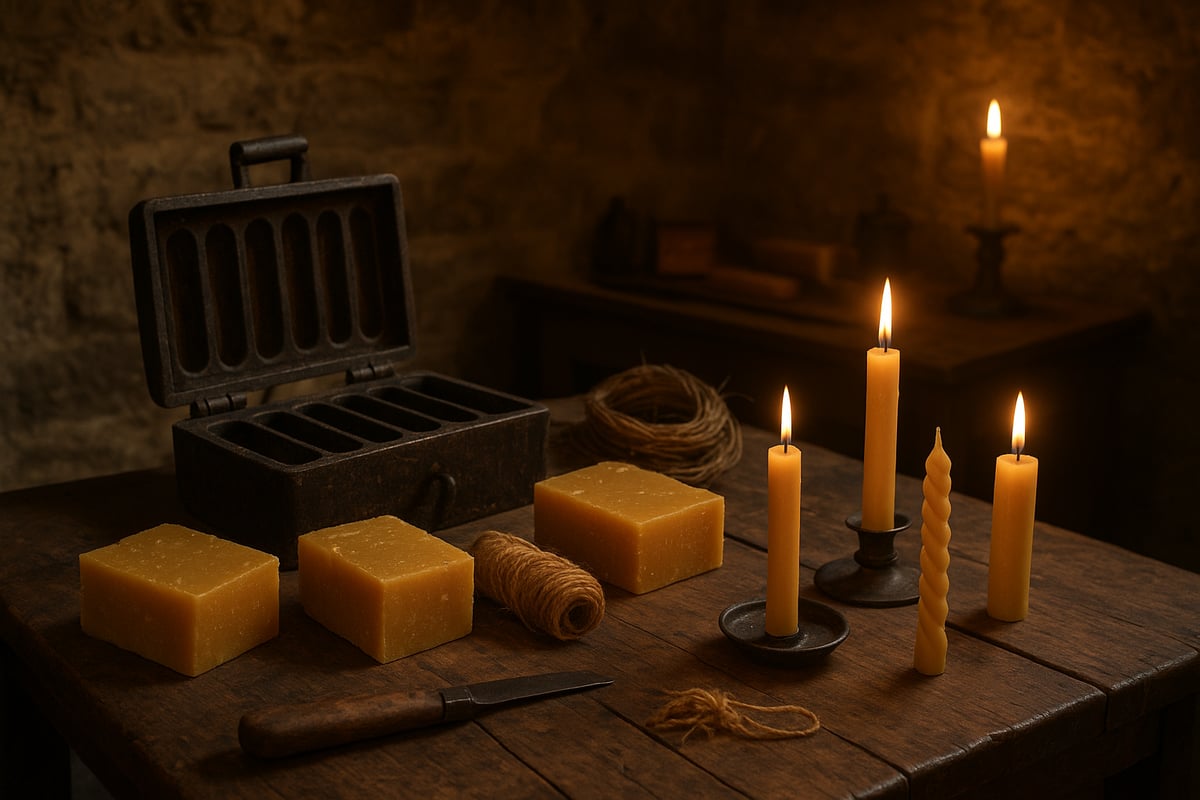
The earliest candles and wax products appeared in ancient civilisations, from Roman tallow tapers to Chinese beeswax forms. Early candle making relied on available animal fats, like tallow, or natural beeswax, prized for its clean burn and sweet scent. In medieval Europe, beeswax candles were a luxury, reserved for churches and the elite, while tallow candles lit ordinary homes.
As society progressed, candles and wax shifted from pure necessity to symbols of status and beauty. By the 19th century, paraffin offered a cleaner, more affordable alternative. Today, candles and wax represent personal style and wellness. The UK home fragrance market has surged in recent years, with UK home fragrance market growth statistics showing significant increases in consumer spending and product diversity.
Modern Candle Innovations
Recent years have brought remarkable changes to candles and wax. Soy, coconut, and blended waxes now rival traditional paraffin, offering improved sustainability and performance. The rise of artisan and bespoke candle makers reflects a consumer desire for unique, hand-crafted products. Many UK brands champion natural ingredients, moving away from synthetic fragrances and dyes.
Technology has also transformed candles and wax production, with hand-pouring techniques gaining popularity for their attention to detail. Mass production still dominates large-scale retail, but discerning buyers increasingly favour artisanal quality. These innovations, combined with eco-conscious choices, have redefined what candles and wax mean in modern homes.
Wax Melts and Alternative Formats
Wax melts have emerged as a popular, low-waste alternative to traditional candles and wax products. Unlike candles, wax melts do not require a wick or flame. Instead, they release fragrance when gently warmed in a burner, offering a customisable scent experience with minimal residue.
The surge in wax melt popularity has led to a diverse range of burners and accessories. Many consumers prefer wax melts for their ease of use and reduced fire risk. Sales of wax melts in the UK have grown rapidly, reflecting a broader shift towards sustainability and convenience in the candles and wax sector.
The Role of Scent in Modern Living
Today, candles and wax play a vital role in creating comforting, mood-enhancing environments. The psychological effects of home fragrance are well documented, with certain scents proven to reduce stress or boost energy. Aromatherapy trends have driven demand for candles and wax infused with essential oils, supporting both mental and emotional wellbeing.
Modern brands offer blends that cater to specific moods or moments, such as lavender for relaxation or citrus for invigoration. The versatility of candles and wax, combined with their sensory impact, has cemented their place as essentials in contemporary living spaces.
Types of Wax: Pros, Cons, and 2026 Trends
Choosing the right wax is at the heart of every discussion on candles and wax. With evolving preferences and a growing focus on sustainability, understanding the differences between wax types is essential for making informed decisions.
Paraffin, Soy, Beeswax, and Beyond
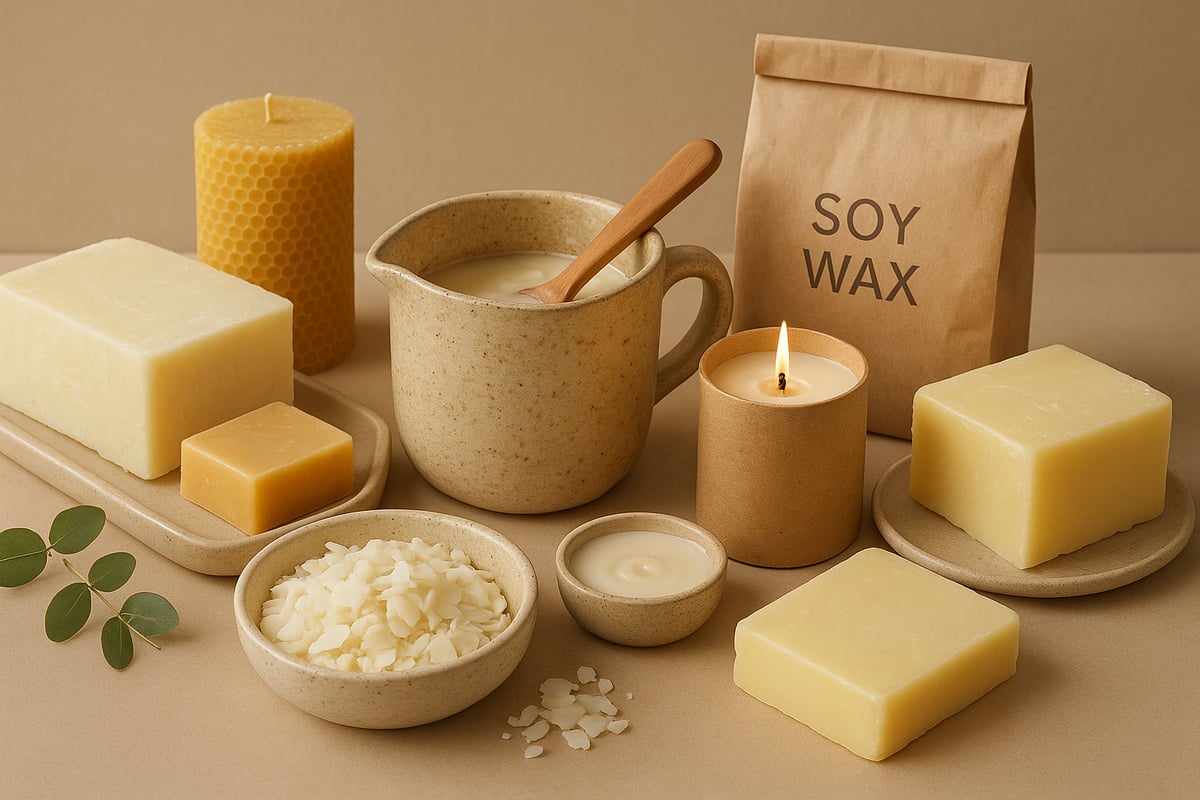
The variety of waxes used in candles and wax products has expanded dramatically. Paraffin remains common due to its affordability and strong scent throw, but it is petroleum-based and less favoured for eco-conscious buyers. Soy wax, derived from soybeans, has surged in popularity for its clean burn, renewable sourcing, and longer burn time. Beeswax, a traditional favourite, offers a natural honey scent, bright flame, and excellent air-purifying properties, though it is less suitable for vegans. Coconut and rapeseed waxes are emerging as plant-based alternatives, prized for their sustainable harvesting and creamy texture.
Here is a comparison of major wax types:
| Wax Type | Pros | Cons |
|---|---|---|
| Paraffin | Strong scent, affordable | Non-renewable, soot production |
| Soy | Renewable, long burn, clean | May crack in cold, variable quality |
| Beeswax | Natural, air purifying, bright | Expensive, not vegan |
| Coconut | Sustainable, smooth, slow burn | Higher cost, softer texture |
| Rapeseed | Local to UK, biodegradable | Limited availability, softer |
Many UK consumers now prefer soy wax for candles and wax products, with surveys showing a steady shift away from paraffin in recent years. This trend reflects growing awareness of both environmental impact and indoor air quality.
Innovations in Sustainable Waxes
The demand for eco-friendly candles and wax continues to drive innovation. Plant-based waxes, such as coconut and rapeseed, have grown in popularity thanks to their lower carbon footprint and biodegradability. Blended waxes, combining soy with coconut or other botanicals, offer improved scent throw and stability while retaining sustainability benefits.
Certifications are increasingly important when choosing candles and wax. Look for eco-labels like Vegan, Cruelty-Free, or Fair Trade to ensure ethical sourcing. In 2026, new blends promise to balance performance with environmental standards, making it easier for consumers to find products that align with their values.
Recent launches in the UK market showcase coconut-soy blends, which deliver a creamy finish and excellent fragrance diffusion. Brands highlight their sourcing transparency and packaging choices, responding to consumer demand for traceability.
Wax Melts: Materials and Performance
Wax melts are now a fixture in the world of candles and wax, offering a flameless way to enjoy home fragrance. Unlike traditional candles, wax melts do not require a wick and are heated in a burner, releasing scent as they liquefy.
Formulation matters: wax melts often use a higher fragrance load and a lower melting point wax to maximise aroma and ease of use. Many brands now offer vegan and cruelty-free wax melts, using soy or coconut bases. Longevity and scent intensity depend on melt size, wax type, and burner temperature.
Vegan wax melt ranges are particularly popular, giving consumers peace of mind and plenty of choice. Whether you want a subtle background scent or a bold statement fragrance, wax melts provide customisation and low-waste benefits compared to traditional candles and wax options.
Trends to Watch for 2026
Several key trends are shaping the future of candles and wax. Refillable and zero-waste candle systems are on the rise, with brands offering jars designed for easy refilling. Novelty waxes, including coloured, glittered, or botanically-embedded varieties, are also gaining traction for both aesthetic and sensory appeal.
Market analysts expect sustainable waxes to secure a larger share of the UK market by 2026, as detailed in the Sustainable candle wax industry report 2026. Transparency in ingredient sourcing is now a top consumer demand, with buyers seeking detailed information about origin and production.
Looking ahead, the candles and wax market will continue to evolve, driven by innovation, sustainability, and ever-changing consumer expectations.
Candle Types and Choosing the Right One for Your Home
Choosing the right candles and wax for your space can transform the mood and style of your home. With so many formats and features available, it’s essential to understand your options before deciding.
Jars, Pillars, Tealights, and More
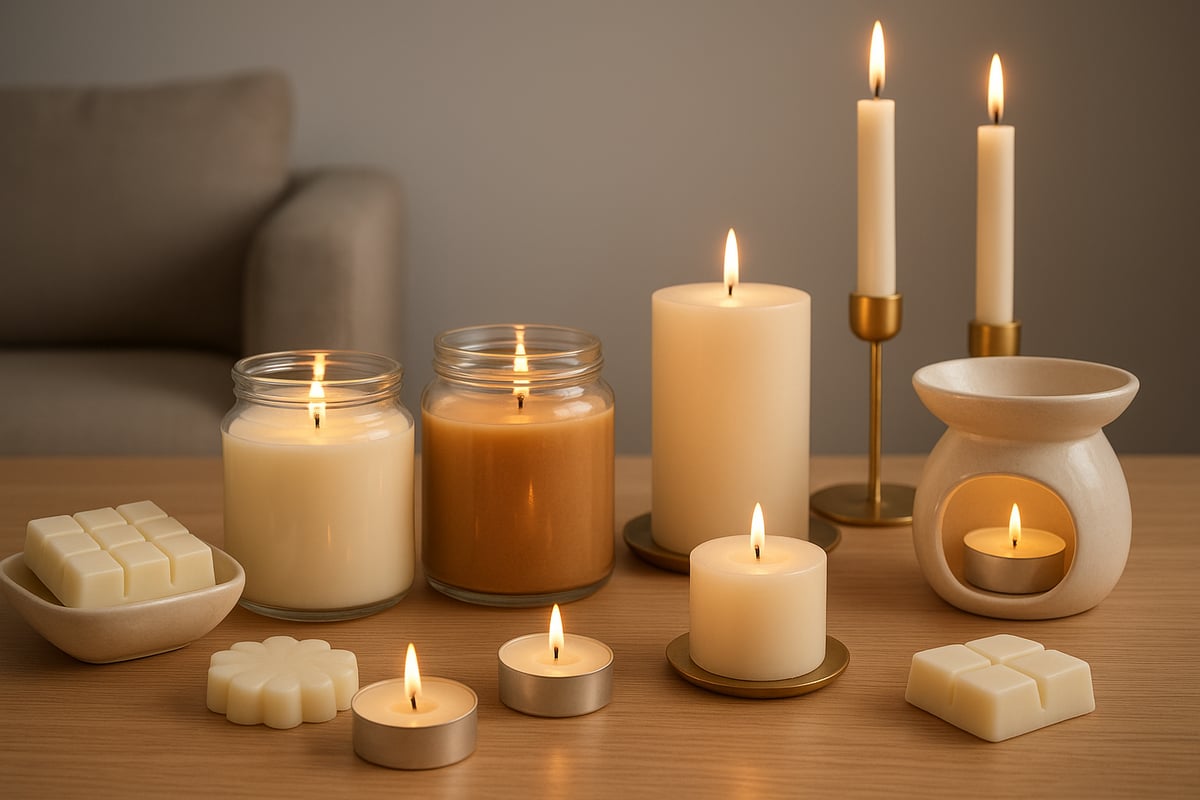
The world of candles and wax offers a variety of shapes and sizes, each designed for specific uses. Jar candles are the most popular in the UK, known for their long burn times and contained flames. Pillar candles stand out as statement pieces for dining tables or mantels. Tealights and votives are perfect for creating soft ambiance in smaller spaces, while tapers add elegance to formal settings.
| Candle Type | Best Use | Features |
|---|---|---|
| Jar | Everyday, décor | Safe, long burning |
| Pillar | Dining, statement | Versatile, no container |
| Tealight | Accent lighting | Small, affordable |
| Taper | Formal events | Tall, classic |
| Votive | Small spaces | Compact, decorative |
Jar candles remain bestsellers because they blend style, safety, and longevity. When selecting candles and wax, consider the intended atmosphere and how each type suits your lifestyle.
Scented vs. Unscented Candles
The choice between scented and unscented candles and wax depends on the occasion and your preferences. Scented options provide mood-enhancing benefits, ideal for relaxation, focus, or celebration. Unscented candles are a smart pick for dining or settings where fragrance could interfere with food or sensitive guests.
Layering different scented candles and wax can create a bespoke fragrance experience. Try combining subtle florals with woody notes for a balanced ambience. Always match the scent intensity to the size of the room for best results.
Wax Melts vs. Traditional Candles
Wax melts have gained popularity as a customisable, low-waste alternative to traditional candles and wax. They offer a flameless option, using burners to diffuse fragrance throughout your space. Wax melts are cost-effective and allow you to switch scents easily, making them great for those who love variety.
Traditional candles provide both light and scent, perfect for creating a cosy atmosphere. However, wax melts excel in scent throw and are ideal for open-plan spaces or homes with children and pets, as they don’t require an open flame.
Candle Accessories and Burners
Enhancing your experience with candles and wax is easy with the right accessories. Wick trimmers ensure a clean, even burn and reduce soot. Snuffers allow you to extinguish candles safely without splashing wax. Stylish holders and trays protect surfaces and add a decorative touch.
Wax melt burners come in various designs, from sleek electric models to artisanal ceramics. Decorative burners are trending, doubling as statement pieces in modern interiors. Investing in quality accessories extends the life of your candles and wax while adding an extra layer of safety.
Factors to Consider When Buying
When choosing candles and wax, several factors should guide your decision. Burn time, scent strength, and the size of your space all influence the ideal product. Sustainability is a growing priority, with many consumers opting for eco-friendly ingredients and recyclable packaging.
Look for brands that prioritise transparency and ethical sourcing. According to the Wax market size and growth forecast, demand for sustainable candles and wax is set to rise sharply by 2026. Matching the right candle type to your lifestyle and environment ensures you enjoy both beauty and practicality in every burn.
Scent Selection: Crafting the Perfect Ambience
Choosing the right scent is at the heart of creating a memorable home atmosphere with candles and wax. The right fragrance transforms a space, evokes emotion, and complements your personal style. Understanding scent families, seasonal trends, and layering techniques ensures you make the most of your candles and wax collection.
Fragrance Families and Their Effects
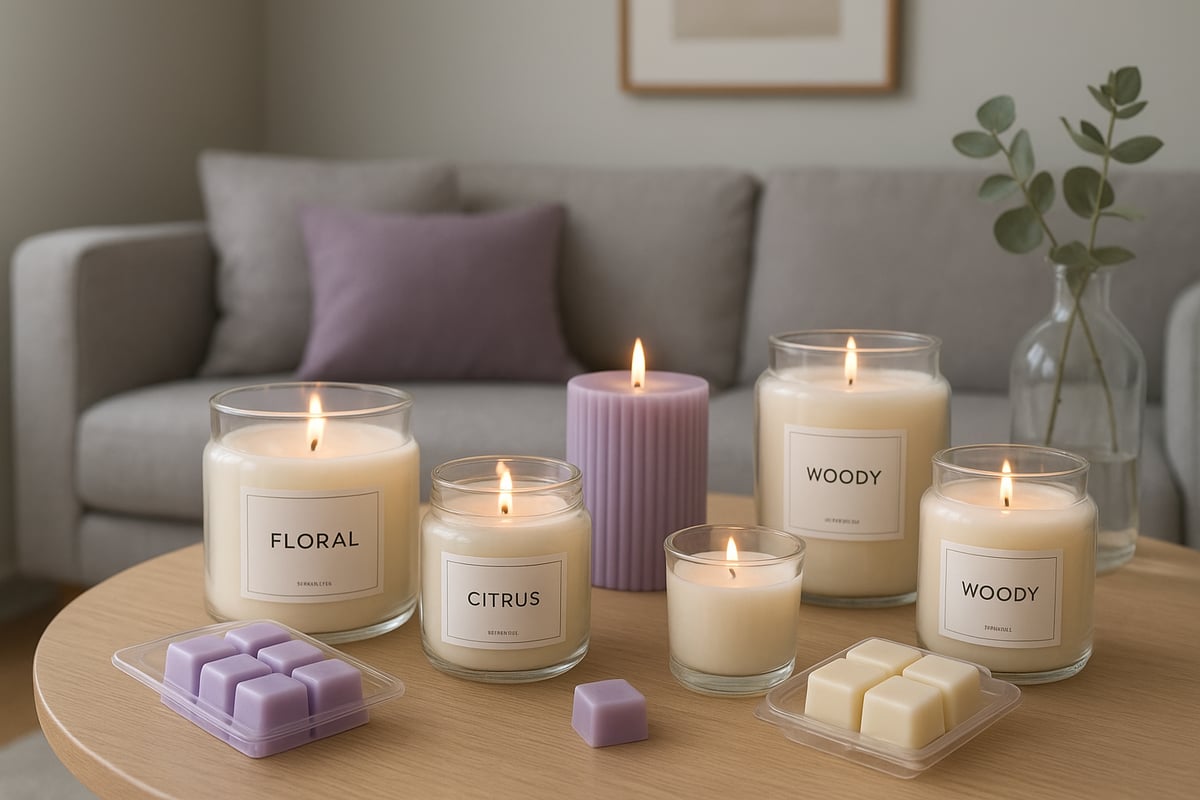
The world of candles and wax is organised around distinct fragrance families, each offering unique qualities. Common families include:
- Floral: Think lavender, rose, or jasmine. These create a calming, romantic atmosphere, ideal for bedrooms or relaxation spaces.
- Citrus: Scents like lemon, bergamot, and orange energise and uplift, making them perfect for kitchens or workspaces.
- Woody: Notes such as sandalwood or cedar add warmth and comfort, grounding a room’s ambience.
- Spicy: Cinnamon, clove, and cardamom evoke cosiness, especially in colder months.
- Fresh: Clean linen or ocean breeze scents bring a sense of clarity and airiness.
- Gourmand: Vanilla, caramel, or chocolate deliver indulgent, comforting vibes.
Selecting from these families allows you to influence mood and tailor your environment using candles and wax.
Seasonal and Trend-Driven Scents for 2026
Scent preferences often shift with the seasons and current trends. For 2026, expect to see:
- Winter: Rich spice blends, pine, and amber.
- Spring: Green florals, peony, and fresh-cut grass.
- Summer: Zesty citrus, coconut, and marine notes.
- Autumn: Smoked woods, fig, and apple spice.
Emerging trends include herbal and “clean” fragrances, as well as marine-inspired blends. According to Fragrance market value in Great Britain, the demand for home fragrance continues to rise, reflecting how candles and wax are integral to UK lifestyle. Staying attuned to these trends helps you keep your space current and inviting.
Layering and Combining Scents
Layering scents is an art that elevates your use of candles and wax. To create a harmonious blend:
- Combine complementary families, like floral and woody, for balance.
- Avoid mixing overpowering scents, such as spicy and gourmand, which may clash.
- Use unscented candles alongside fragranced options to moderate intensity.
Experimenting with layering allows you to personalise your home’s signature scent, ensuring candles and wax work together for a bespoke ambience.
Scent Strength and Throw
Scent strength and throw describe how well a fragrance fills a room. There are two main types:
| Throw Type | Description | Ideal Use |
|---|---|---|
| Cold Throw | Scent when unlit | Testing before use |
| Hot Throw | Scent released while burning/melting | Main fragrance delivery |
The wax type and wick size impact how effectively candles and wax diffuse fragrance. For larger or open-plan spaces, choose options known for strong hot throw, such as soy or blended waxes, to maximise the effect.
Scented Candles as Gifts
Candles and wax make thoughtful gifts, suitable for any occasion. When gifting, consider:
- Universal scents like vanilla or clean linen for broad appeal.
- Personalised options, such as custom labels or tailored fragrance blends.
- On-trend packaging, with eco-friendly or reusable containers.
Thoughtful selection ensures your candles and wax gifts delight recipients and reflect your attention to detail.
Candle Care, Safety, and Maximising Performance
Caring for your candles and wax is essential for both safety and enjoyment. With the right techniques, you can enhance fragrance, prolong burn time, and protect your home. Follow these expert-backed practices to ensure your candle collection always performs at its best.
Proper Candle Burning Techniques
The first burn is crucial for candles and wax performance. Always let the wax melt to the edge of the container on the first use. This prevents tunnelling, which can waste wax and reduce burn time.
Trim the wick to about 5mm before each lighting. This helps avoid soot and ensures a steady flame. Never burn a candle for more than four hours at a time. Following these steps keeps your candles and wax burning evenly and cleanly.
- Allow full melt pool on first burn
- Keep wicks short and upright
- Limit burn sessions for safety
Wax Melt Usage Tips
Wax melts are a popular way to enjoy candles and wax without an open flame. Use a suitable wax melt burner and never overfill the dish. Only use unscented tealights in traditional burners to avoid overheating.
Switch scents by letting the wax cool, then gently pop it out before adding a new one. Clean your burner regularly with a soft cloth. According to leading brands, replacing used wax every 8-10 hours keeps fragrances fresh and vibrant.
- Use the correct burner size
- Replace wax melts often
- Clean burners between scents
Candle and Wax Storage
Proper storage extends the life of your candles and wax. Keep them away from direct sunlight and heat sources to prevent fading or melting. Store in airtight containers or resealable bags to preserve scent quality.
Avoid stacking candles as this can cause dents or misshaping. For wax melts, use divided storage boxes to keep different fragrances separate. With the right storage, your candles and wax will stay fresh and ready to use whenever you need them.
- Store in cool, dry places
- Use airtight or resealable containers
- Separate scents to prevent mixing
Safety Considerations
Safety is paramount when using candles and wax. Always place candles on stable, heat-resistant surfaces, away from drafts, children, and pets. Never leave a burning candle unattended. According to UK government fire statistics, unattended candles cause hundreds of home fires annually.
Keep a safe distance between burning candles and anything flammable. Use proper holders and accessories to reduce risk. Following these guidelines helps ensure your candles and wax bring only warmth and tranquillity to your home.
- Never leave burning candles unattended
- Place away from curtains and flammable objects
- Use holders designed for your candle type
Troubleshooting Common Issues
Even with care, problems can arise with candles and wax. If you notice uneven burning, let the candle burn long enough to melt the entire surface. For weak scent throw, check the room size and consider using multiple candles.
To extinguish safely, use a snuffer instead of blowing out the flame to prevent wax splatter. If a candle develops a lot of soot, trim the wick and check for drafts. Discard any candles that have changed colour, lost their scent, or appear damaged.
Sustainability and the Future of Candles and Wax
Sustainability is transforming the world of candles and wax, shaping both consumer expectations and industry innovation. As we look to the future, eco-friendly practices, ethical sourcing, and creative reuse are setting new standards for this timeless home fragrance favourite.
Eco-Friendly Materials and Packaging
Today’s candles and wax products are moving towards recyclable, compostable, and reusable packaging. Many brands now use glass jars that can be refilled, reducing waste and supporting a circular economy. Labels and wicks are also evolving, with biodegradable and plant-based options becoming commonplace.
Consider the following sustainable packaging types:
| Packaging Type | Sustainability Features |
|---|---|
| Glass jars | Reusable, recyclable, refillable |
| Metal tins | Recyclable, durable |
| Compostable wraps | Biodegradable, minimal waste |
Choosing candles and wax with these materials not only benefits the environment but also supports the shift towards greener living.
Clean Burning and Air Quality
The quest for cleaner air indoors is driving demand for candles and wax that are paraffin free and toxin free. Soy, coconut, and beeswax options are favoured for their clean burn and minimal emissions. The choice of wick also matters, with cotton and wood wicks reducing soot and smoke.
Surveys show that UK consumers are increasingly aware of indoor air quality. They are seeking products that contribute to a healthier home environment. Brands are responding with transparent ingredient lists, making it easier to select safe, clean-burning options.
Ethical Sourcing and Transparency
Transparency is now a top priority for those buying candles and wax. Ethical sourcing covers everything from the wax itself to fragrance oils and packaging. Certifications such as Vegan, Cruelty-Free, and Fair Trade help shoppers make informed choices and support responsible brands.
Look for these certifications when purchasing:
- Vegan: No animal products
- Cruelty-Free: Not tested on animals
- Fair Trade: Ethical supply chain
UK brands leading the way in transparency often highlight their supply chains, building trust and loyalty among eco-conscious customers.
Circular Economy and Refill Trends
Refillable candle jars and wax melt systems are gaining momentum, making it easier to reduce waste and extend the life of your favourite candles and wax. Many brands now offer incentives for returning packaging or purchasing eco-friendly refills.
Circular economy initiatives include:
- Refillable glass jars for candles and wax
- Return-and-reuse packaging schemes
- Compostable refill pods
Competitor refill programmes for 2026 are setting new standards for sustainability, helping consumers make choices that are both practical and planet friendly.
The Role of Artisans and Local Makers
Artisan makers are at the forefront of sustainability in candles and wax. Their small batch production methods and commitment to local sourcing support both the environment and local economies. Buying from local artisans also helps preserve traditional craftsmanship.
Industry reports reveal strong growth in artisan candle sales, reflecting a desire for quality, authenticity, and ethical values. Supporting these makers ensures a more sustainable future for candles and wax, while celebrating unique, handcrafted products.
Anticipated Innovations for 2026
Looking ahead, smart candles and wax innovations are set to change the way we experience home fragrance. App controlled candles, scent on demand, and at home personalised scent kits are just a few examples.
Emerging trends include:
- Customisable scent blends at home
- Smart technology for fragrance control
- Biodegradable and plant-based packaging
As consumer values shift, expect a continued focus on transparency, innovation, and sustainability in every aspect of candles and wax.
Expert Tips for Candle and Wax Enthusiasts
Elevating your experience with candles and wax is about more than simply lighting a wick or melting a cube. With a professional approach, you can enhance ambience, longevity, and sustainability in your home. Let’s explore actionable tips every enthusiast should know.
Buying Like a Pro
Choosing the best candles and wax starts with understanding quality. Evaluate the type of wax, wick material, and fragrance load before buying. Artisan options often use natural ingredients and higher craftsmanship standards.
Checklist for evaluating candles and wax:
- Check for clean, even wax with no visible impurities.
- Look for natural wicks such as cotton or wood.
- Assess fragrance strength, both cold and hot throw.
- Review packaging for sustainability credentials.
Comparing artisan and mass-market products can be simplified:
| Feature | Artisan | Mass-Market |
|---|---|---|
| Wax Type | Natural blends | Often paraffin |
| Wick Material | Cotton/Wood | Synthetic |
| Fragrance Load | Higher | Variable |
Reading labels ensures you avoid unwanted additives. Prioritise brands transparent about ingredients and sourcing. Investing in quality candles and wax means better performance and safer burning.
Maximising Scent and Burn Time
Placement is key for optimal scent diffusion. Position candles and wax melts in the centre of a room, away from drafts, to ensure even fragrance distribution. Rotate scents seasonally to keep your home ambience fresh.
To prolong burn time:
- Trim wicks to 5mm before each use.
- Let the first burn reach the container's edge to prevent tunnelling.
- Use multiple small candles for better coverage in large spaces.
Experiment with wax melt warmers for consistent scent release. Remember, regular care of your candles and wax boosts both performance and longevity.
Creating Your Own Candle Experience
DIY projects allow you to customise candles and wax melts to your taste. Start with high-quality soy or beeswax, essential oils, and cotton wicks for safe results. Always follow safety guidelines when melting and pouring wax.
Step-by-step for beginners:
- Melt wax slowly in a double boiler.
- Add fragrance and colour, stirring gently.
- Secure the wick and pour into a clean container.
- Let cool and cure for 24-48 hours.
Customising your own candles and wax means personalising colours, shapes, and scents. Sourcing eco-friendly ingredients not only benefits your health but also the environment.
Gifting and Personalising Candles
Personalised candles and wax melts are thoughtful gifts for any occasion. Choose scents that suit the recipient’s personality or create custom blends for a unique touch. Many UK brands offer bespoke labels and packaging options.
Tips for gifting:
- Select universal scents like vanilla or lavender for wider appeal.
- Opt for minimalistic, reusable containers for an added premium feel.
- Add a handwritten note or custom label for a personal touch.
Tailoring your candles and wax gifts shows care and attention to detail. It makes every celebration more memorable.
Staying Ahead of Trends
Keep your candles and wax collection current by following emerging trends. Social media platforms, artisan markets, and fragrance fairs are excellent sources of inspiration. UK-based candle makers often showcase innovative scent combinations and vessel designs.
Look for micro-trends such as botanical-embedded wax, coloured layers, or unique vessel shapes. Engage with candle influencers to discover new brands and seasonal launches.
Being proactive ensures your candles and wax experience remains fresh and exciting year after year.
Community and Candle Care
Joining candle enthusiast groups or online forums is a great way to share knowledge and discover new techniques. Many UK workshops offer hands-on classes for making candles and wax melts, perfect for both beginners and seasoned hobbyists.
Participating in these communities provides access to exclusive tips, product reviews, and DIY inspiration. Sharing your creations and experiences fosters a sense of connection with fellow enthusiasts.
Caring for your candles and wax is easier when you learn from others’ successes and challenges.
Responsible Candle Use
Reduce waste by recycling glass jars and repurposing leftover wax. Support sustainable brands that prioritise eco-friendly practices and local artisan craftsmanship. Many UK initiatives, such as Candle Recycling UK, make it easy to dispose of used candles and wax responsibly.
Whenever possible, choose products with refill options or biodegradable packaging. Encourage friends and family to adopt similar habits for a greener home.
By making responsible choices with candles and wax, you contribute to a healthier environment and support ethical businesses.
As we've explored the art and science of candles and wax, it's clear that choosing the right fragrance can truly transform your home—especially as trends evolve towards sustainability and bespoke scents. At Love Scottish, we bring together traditional craftsmanship and modern innovation, creating candles that capture the essence of Scotland and elevate any space. If you're feeling inspired by the expert tips and want to embrace the season with something special, you might enjoy discovering unique festive scents crafted with care. Take a look and Shop Christmas Candles to find the perfect addition for your home or a thoughtful gift for someone you love.