

9 Essential Soy Wax Supplier Tips for 2026 Success
The soy wax industry is undergoing rapid transformation, with new trends and challenges reshaping the marketplace each year. For any soy wax supplier aiming to stay ahead in 2026, adapting to these changes is essential for long-term growth and resilience.
In this article, you will discover nine essential tips that every soy wax supplier needs to guarantee success in the coming year. From sourcing high-quality wax and embracing sustainability to mastering logistics and building strong client relationships, these actionable strategies are designed to future-proof your business.
Ready to secure your place at the forefront of the industry? Let’s explore the expert guidance that will help you thrive in 2026 and beyond.
Understanding the 2026 Soy Wax Market Landscape
The global market for soy wax products is experiencing unprecedented transformation as we approach 2026. For any soy wax supplier aiming to thrive, it is crucial to grasp the latest trends, evolving customer preferences, and regulatory shifts shaping the industry. This landscape offers both significant opportunities and new challenges, making it essential to stay informed and agile.
Global Soy Wax Demand and Growth Projections
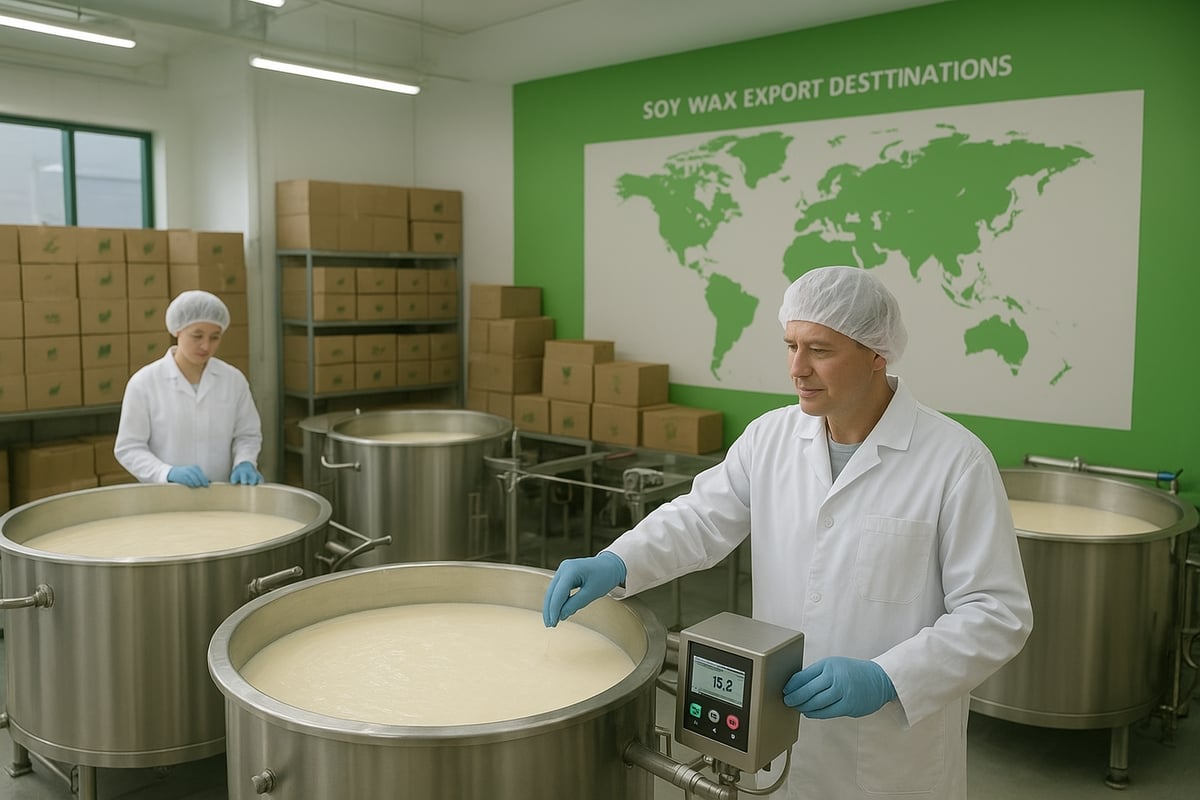
By 2026, the global soy wax market is projected to grow rapidly, driven by eco-conscious consumers and shifting regulations. Recent industry analyses forecast the market value to reach multi-billion-pound figures, with a robust CAGR. For example, Soy Wax Market Size & Share | Growth [2034] highlights strong expansion, particularly in Europe and the Asia-Pacific region.
Europe’s market share is increasing as demand for natural home fragrances and candles surges post-pandemic. In Asia-Pacific, emerging economies are creating new opportunities for the proactive soy wax supplier. However, supply chain disruptions and price volatility remain real challenges. The competitive landscape also presents space for niche players and private label manufacturers to carve out profitable segments.
| Region | Market Share (2026) | Key Growth Driver |
|---|---|---|
| Europe | High | Sustainability focus |
| Asia-Pacific | Growing | Emerging economies |
| North America | Stable | Mature market, innovation |
Navigating these trends is vital for every soy wax supplier seeking long-term success.
Evolving Customer Expectations and Preferences
The modern consumer is more informed and demanding than ever. Customers now seek products from a soy wax supplier that are sustainable, cruelty-free, and vegan-certified. Transparency in sourcing and ingredients is no longer optional but expected.
Customisation is also on the rise, especially with the growth of bespoke candle brands and private label collaborations. Consumers desire unique scent profiles and personalised experiences. Survey data shows a significant portion of home fragrance buyers will pay more for products with clear ethical credentials and traceable origins.
- Demand for:
- Vegan and cruelty-free certification
- Transparent ingredient lists
- Custom scent and branding options
A soy wax supplier must anticipate these preferences and offer tailored solutions to remain competitive in 2026.
Regulatory and Sustainability Developments
Regulatory frameworks are shifting rapidly, with new environmental standards impacting every soy wax supplier. Upcoming regulations in the UK and EU, such as restrictions on specific additives and microplastics in wax products, are changing how suppliers source and manufacture their offerings.
Certifications like RSPO, USDA Organic, and EU Eco-label are becoming essential benchmarks. Compliance will also extend to packaging and labelling, requiring investment in sustainable materials and clear documentation.
- Key certifications to monitor:
- RSPO (Roundtable on Sustainable Palm Oil)
- USDA Organic
- EU Eco-label
For example, the UK and EU have already begun banning certain substances, challenging suppliers to adapt quickly. Proactive compliance and sustainability not only ensure legal operation but also enhance reputation and trust among buyers.
9 Essential Soy Wax Supplier Tips for 2026 Success
Succeeding as a soy wax supplier in 2026 will demand more than just meeting orders. Suppliers must respond to shifting industry standards, changing customer expectations, and evolving global market pressures. The following nine tips will help every soy wax supplier build a resilient, future-ready business model.
1. Diversify Your Soy Wax Sourcing Channels
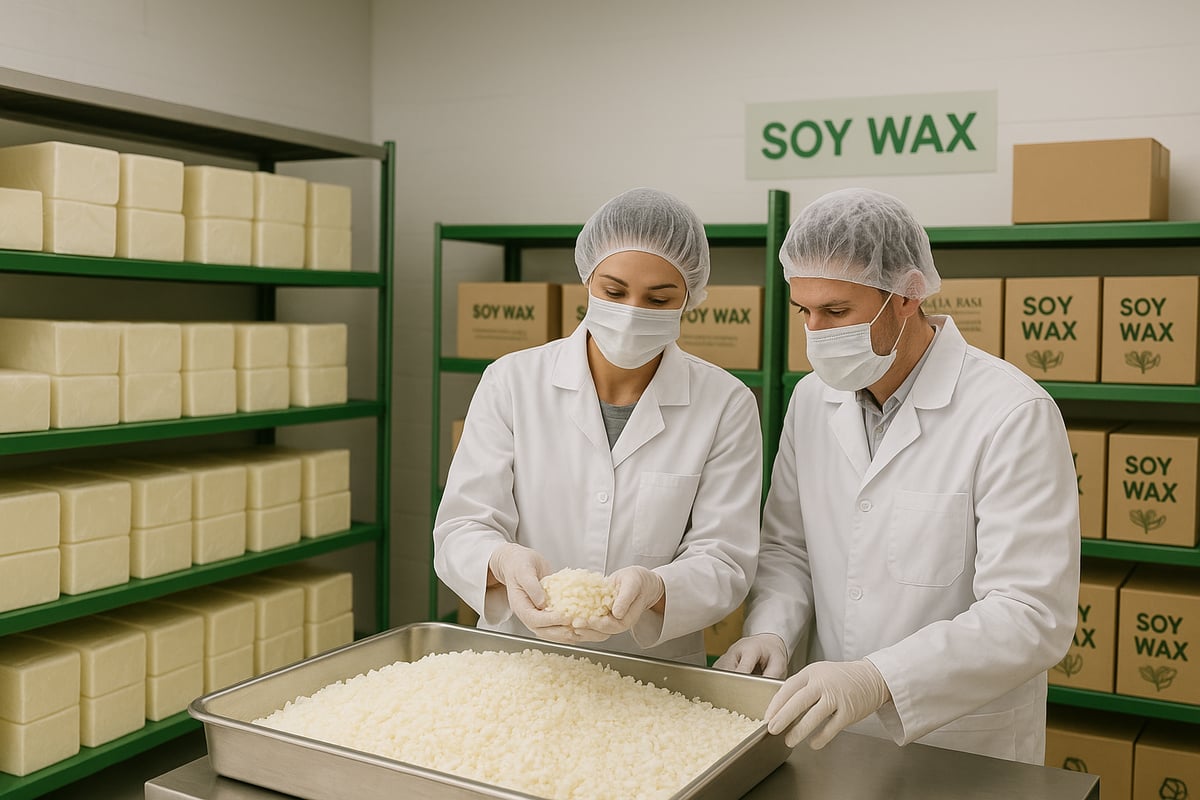
Relying on a single supplier or region for your soy wax is a major risk. In 2023, many soy wax supplier operations experienced fulfilment delays due to logistics bottlenecks and unpredictable weather affecting crop yields. By diversifying your sourcing channels, you can reduce exposure to unforeseen disruptions.
Compare domestic and international suppliers, weighing factors such as cost, lead time, and regulatory compliance. Building relationships with multiple growers and processors not only secures access to quality wax but also supports ethical sourcing practices. Vet each new partner carefully, prioritising transparency and traceability.
Utilising supply chain technology enables real-time oversight, helping every soy wax supplier maintain high standards across all sources. For more insights on evolving industry trends and how suppliers can prepare for future market shifts, review the Soy Wax Market 2025-2034 | Trends, Growth & Forecast.
Regularly audit your network and be proactive in seeking new partnerships. This approach will empower your business to adapt swiftly to any market challenge.
2. Invest in Quality Assurance and Testing
Quality is non-negotiable for any soy wax supplier aiming for long-term success. Third-party labs play a crucial role in verifying wax purity, consistency, and performance. In-house quality control protocols should complement external checks, ensuring every batch meets strict standards.
Essential tests include melt point analysis, scent throw assessment, and burn time measurement. These factors directly affect customer satisfaction and protect your brand’s reputation. Inconsistent wax can lead to costly recalls and a spike in customer complaints.
A systematic quality assurance process reduces returns and builds trust. Soy wax supplier businesses that prioritise robust testing processes often see measurable improvements in client retention and positive feedback.
3. Embrace Sustainability and Traceability Initiatives
Sustainability is now a baseline expectation. Modern consumers and retailers demand non-GMO, pesticide-free soybeans and want proof of sustainable sourcing. A soy wax supplier can gain a competitive edge by implementing traceability systems that track the product journey from farm to end user.
Eco-friendly packaging and carbon-neutral shipping options are increasingly popular. Certifications such as USDA Organic or RSPO can open doors to new markets and premium buyers. Many brands have expanded their market share simply by promoting their sustainability credentials.
Recent surveys show a significant percentage of buyers are willing to pay more for products with verified eco-friendly claims. By embedding sustainability into your operations, each soy wax supplier can attract discerning clients and secure long-term success.
4. Strengthen Supplier-Client Communication
Clear, regular communication is the foundation of all successful soy wax supplier relationships. Setting transparent expectations on lead times, minimum order quantities, and custom order processes minimises misunderstandings.
Digital platforms allow for efficient order tracking and instant updates. Proactive problem-solving and responsive after-sales support demonstrate professionalism and care. In the UK market, suppliers who maintain open dialogue with clients consistently report higher levels of repeat business.
A soy wax supplier who invests in communication tools and practices will build trust, encourage loyalty, and enhance their reputation within the industry.
5. Optimise Inventory Management and Logistics
Efficient inventory management is critical for any soy wax supplier. Analysing historical sales data and tracking market trends enables accurate demand forecasting, reducing the risk of overstocking or stockouts.
Balancing just-in-time strategies with appropriate safety stock levels ensures you can respond to surges in demand, especially during peak seasons. Reliable logistics partners are vital for smooth domestic and international shipments.
Technology solutions for real-time inventory tracking give a soy wax supplier greater control and visibility. Improved logistics not only save costs but also support faster, more reliable delivery, which clients greatly appreciate.
6. Offer Customisation and Private Label Solutions
The ability to offer bespoke blends, unique scent profiles, and private label options is a powerful differentiator for any soy wax supplier. Setting up streamlined processes for both small-batch and large-scale custom orders attracts a wider client base.
Value-added services such as scent development, packaging design, and regulatory compliance support further strengthen your offering. The rise in private label candle brands in 2025 has shown that customisation can drive substantial growth.
However, customisation brings operational complexities. A soy wax supplier must weigh the benefits against the additional resources required to deliver consistent, high-quality results.
7. Stay Ahead with Industry Trends and Technology
Industry trends move quickly, and a proactive soy wax supplier must continually monitor developments such as biodegradable additives, innovative scent technologies, and new wax blends. Early adopters of automation and digital tools often achieve greater production efficiency and a clear market advantage.
Regularly attending trade shows, webinars, and joining industry associations keeps your business connected and informed. Investment in technology upgrades can yield significant returns, helping a soy wax supplier stay ahead of the competition.
Staying attuned to change ensures you never fall behind and always have something new to offer your clients.
8. Build Resilient Risk Management Strategies
Risk is ever-present in the global supply chain. Identifying potential threats such as supply disruptions, regulatory changes, and market volatility is essential for every soy wax supplier. Diversifying suppliers and creating contingency plans can safeguard your business against unexpected events.
Insurance options for goods-in-transit and liability provide further protection. Learning from case studies of suppliers who successfully navigated geopolitical challenges can inform your own crisis response strategies.
A robust risk management framework ensures your business is prepared to handle adversity and emerge stronger.
9. Prioritise Relationship Building and Reputation Management
Trust and reputation are invaluable assets for a soy wax supplier. Regular engagement with clients through updates, educational resources, and responsive support builds lasting relationships.
Collecting and showcasing testimonials and case studies provides powerful social proof, helping to win new contracts. Proactive handling of negative feedback and public relations issues demonstrates accountability and professionalism.
Data consistently shows a direct link between supplier reputation and sales growth. By prioritising relationship management, any soy wax supplier can secure new opportunities and foster long-term loyalty.
Maximising Profitability and Growth as a Soy Wax Supplier
To thrive in the evolving market, every soy wax supplier must prioritise profitability and sustainable growth. By refining pricing strategies, exploring new opportunities, and embracing digital transformation, suppliers can secure a strong competitive edge for 2026.

Pricing Strategies for Competitive Advantage
Establishing effective pricing is crucial for any soy wax supplier aiming to maximise margins while retaining loyal clients. A balanced approach, weighing cost-plus against value-based models, allows you to account for raw material costs and perceived product value.
Consider offering tiered pricing for volume buyers. This rewards loyal customers and encourages larger orders. Implementing bulk discounts and loyalty programmes can further enhance relationships and drive repeat business.
Regularly analyse competitor pricing to ensure your offerings remain attractive. Use historical sales data to adjust your strategy during peak demand periods. For example, flexible pricing during seasonal surges can help you capture market share without eroding profits.
A summary table can help visualise key elements:
| Strategy | Benefit | Consideration |
|---|---|---|
| Cost-plus Pricing | Predictable margins | May miss premium pricing |
| Value-based Pricing | Captures willingness to pay | Requires market insight |
| Tiered/Bulk Discounts | Increases order size and loyalty | Must protect profit |
Ultimately, the right pricing strategy positions a soy wax supplier for long-term growth.
Expanding into New Markets and Product Lines
Growth-minded suppliers continually seek new opportunities, whether by entering emerging regions or developing niche products. The global soy wax market is projected to reach $14.3 billion by 2030, highlighting significant potential for expansion (Global Soy Wax Market to Reach US$14.3 Billion by 2030).
Explore regions with rising demand, such as Asia-Pacific or specialised sectors like vegan or luxury candles. Diversifying your product range is equally important. For instance, offering unique blends and fragrance profiles, such as the Black Pomegranate Soy Wax Candle, demonstrates versatility and appeals to a broader customer base.
Collaboration is key. Partner with candle makers, retailers, or private label brands to create bespoke solutions. Many successful suppliers have grown by supporting private label launches or introducing innovative additives and scents.
Monitor trends and listen to client feedback when developing new products. This approach ensures your soy wax supplier business stays relevant and responsive to shifting market demands.
Leveraging Digital Marketing and E-Commerce
A robust digital presence is essential for any modern soy wax supplier. Invest in a professional website, optimise for SEO, and maintain active social media channels to build trust and attract leads.
Utilise B2B e-commerce platforms and online marketplaces to reach more potential clients. Content marketing, such as educational blog posts and product showcases, positions your business as an industry expert.
After the pandemic, many suppliers experienced a surge in online orders and enquiries. For example, a supplier that embraced digital tools saw rapid growth, expanding their reach beyond traditional channels.
Track key metrics like website traffic, conversion rates, and customer engagement to refine your approach. Staying proactive online ensures your soy wax supplier brand stands out in a crowded marketplace.
Future-Proofing Your Soy Wax Supply Business for 2026 and Beyond
Navigating the future as a soy wax supplier means staying agile and proactive. The landscape is shifting rapidly, and those who anticipate change will thrive. Here is how your business can remain resilient, innovative, and ready for whatever 2026 brings.

Adapting to Evolving Consumer and Regulatory Demands
To succeed as a soy wax supplier, you must keep pace with changing consumer values and tighter regulations. Today's buyers want transparency, ethical sourcing, and products that meet new standards for purity and sustainability. In the UK and EU, recent legislation restricts certain additives and microplastics, requiring suppliers to reformulate and certify their waxes.
Investing in research and development is essential. Innovate with new blends and stay compliant by following guidance from industry leaders. For a deeper dive into the environmental benefits and sustainability trends shaping the market, visit Soy Wax in Industry: A Clean, Green Manufacturing Solution.
Anticipate shifts by engaging with regulatory bodies and consumer groups. The most successful soy wax supplier is one that adapts quickly and positions itself as a trusted, compliant partner.
Building a Culture of Continuous Improvement
Continuous improvement should be embedded in your soy wax supplier business. Encourage feedback from clients and staff to identify pain points and new opportunities. Regular training helps your team stay current with best practices, from quality control to customer service.
Consider process improvements that enhance efficiency and sustainability. Many leading suppliers pursue ISO certifications for quality management or environmental stewardship, signalling a commitment to excellence.
By fostering a learning culture, a soy wax supplier can adapt processes quickly and maintain a reputation for reliability. This mindset ensures your business never stands still and always seeks ways to outperform competitors.
Strategic Partnerships and Collaboration
Collaboration is a powerful growth driver for any soy wax supplier. Forge strategic alliances with growers, manufacturers, and logistics providers to secure a robust supply chain. Participating in industry networks and attending trade events opens the door to knowledge-sharing and innovation.
Joint ventures can help you develop new product lines or enter untapped markets. For example, partnering with a fragrance specialist could lead to unique candle blends or seasonal collections, keeping your offerings fresh and in demand.
A soy wax supplier who invests in strong relationships will weather market volatility and capitalise on emerging trends faster than isolated competitors.
Measuring Success and Setting Long-Term Goals
Long-term growth as a soy wax supplier depends on clear metrics and strategic planning. Track key performance indicators such as:
| KPI | Why It Matters |
|---|---|
| Customer Retention | Indicates satisfaction |
| On-Time Delivery Rate | Reflects reliability |
| Product Return Rate | Measures quality |
| Sustainability Score | Shows eco progress |
Set SMART goals for growth, sustainability, and client satisfaction. Review progress regularly, adjusting strategies to meet evolving market demands.
By committing to measurable objectives, a soy wax supplier ensures ongoing improvement and sustainable success well beyond 2026.
As we look ahead to 2026, it’s clear that success as a soy wax supplier hinges on adaptability, quality, and a genuine connection with your clients. By embracing sustainable sourcing, refining your processes, and nurturing relationships, you’re setting the stage for both growth and resilience. At Love Scottish, we believe every detail matters—from the craftsmanship in our bespoke scents to the partnerships we build. If you’re inspired to see how expertly crafted candles can elevate your own brand or simply want to experience the beauty of thoughtful scent design, why not Shop Christmas Candles and discover our seasonal range?