

Wax And Candles Guide: Essential Tips For 2026
Wax and candles are more popular than ever, transforming homes into relaxing sanctuaries and supporting mindful, sustainable living. In 2026, the world of wax and candles is evolving quickly, offering new ways to create ambience, practise self-care, and enhance your environment with eco-friendly choices.
This essential guide brings you the latest advice for selecting, enjoying, and caring for wax and candles. Discover new wax types, sustainable innovations, scent trends, expert burning techniques, and proper maintenance tips. Whether you are a seasoned candle lover or just starting your journey, these insights will help you elevate every candlelit moment.
The Evolution of Wax and Candle Making: 2026 Trends
The world of wax and candles is evolving rapidly as we approach 2026, blending tradition with cutting-edge innovation. From classic favourites to new eco-conscious blends, the industry is responding to changing lifestyles and values. Let’s explore how wax and candles are transforming, offering more choice, sustainability, and style than ever before.
Key Developments in Candle Wax Types
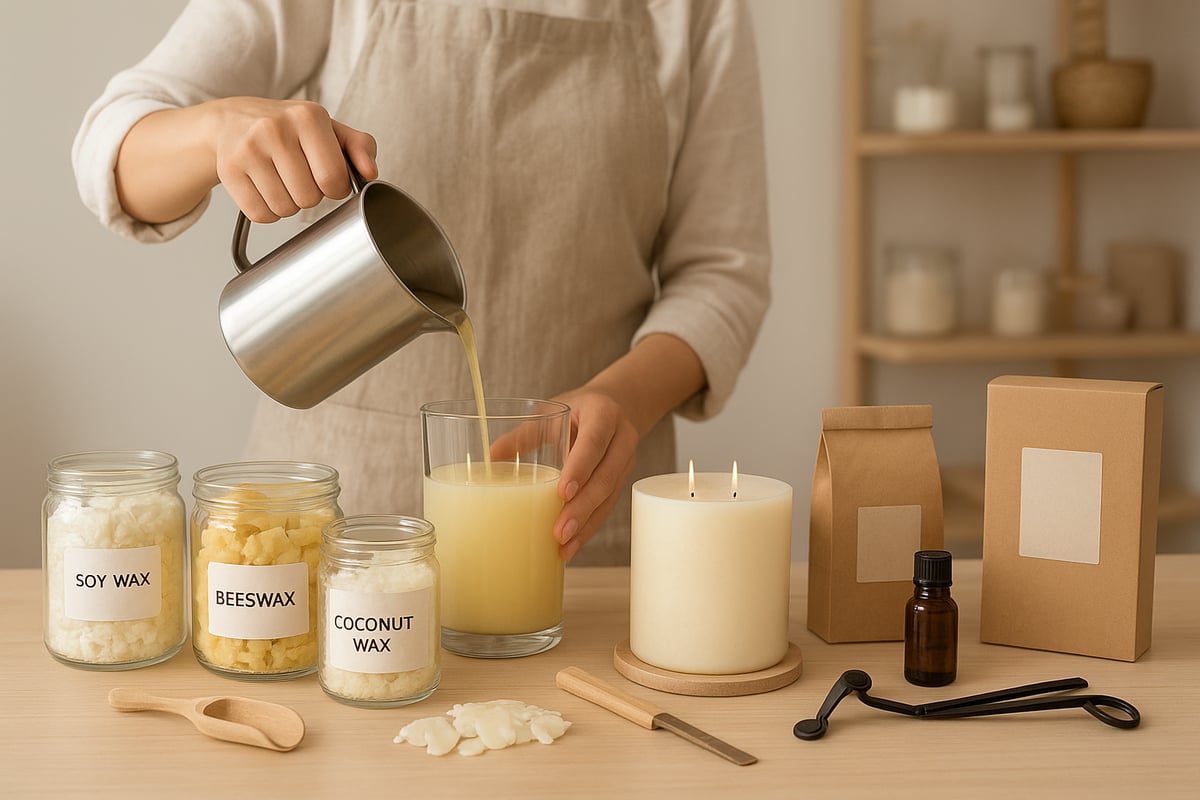
Traditional waxes such as paraffin, soy, and beeswax continue to hold their ground in the wax and candles market. However, 2026 is seeing a surge in innovative wax blends, including coconut, rapeseed, and hybrid options that prioritise sustainability and performance. Soy wax, in particular, remains the top choice for eco-conscious consumers, with recent data from Grüum (2025) confirming its popularity.
The shift towards vegan, cruelty-free, and zero-plastic candle formulations is driving brands to innovate. Many UK makers now offer hand-poured, sustainable soy wax candles, reflecting a broader movement towards responsible production. These changes ensure that wax and candles are not only beautiful but also better for the environment.
| Wax Type | Key Features | 2026 Trend |
|---|---|---|
| Paraffin | Strong scent, cost-effective | Less popular |
| Soy | Renewable, biodegradable, clean burn | Most popular |
| Beeswax | Air purifying, long-lasting | Niche, ethical focus |
| Coconut | Smooth texture, vegan-friendly | Rising |
| Rapeseed | Local, low carbon footprint | Emerging |
Sustainability and Eco-Friendly Practices
Sustainability is at the heart of new trends in wax and candles. Consumers increasingly demand natural, biodegradable waxes that leave a lighter footprint. Brands are responding by reducing plastic packaging and introducing refillable containers, enabling customers to reuse jars and minimise waste.
A standout example is the rise of soy wax candles in recyclable glass jars with minimal packaging. Local sourcing and ethical ingredient selection are also shaping the wax and candles industry in 2026. Artisans are choosing locally grown wax sources and transparent supply chains, reinforcing a commitment to both quality and environmental stewardship.
Design and Scent Innovation
Design in wax and candles is more ambitious than ever. Multi-wick and statement candles have become focal points in home décor, offering both style and superior scent throw. The expansion of scent profiles is another key trend, with brands embracing complex, layered fragrances inspired by nature and wellness.
Leading companies are launching scents like “Garden of Eden” and “Wild Ferns Awakening,” catering to a desire for immersive experiences. For a deeper dive into emerging scent and design trends, see the 2026 Candle Trends Analysis.
Technology and Candle Crafting
Innovation in wax and candles extends to technology. Luxury brands now incorporate smart features such as app-controlled diffusers and temperature sensors to enhance safety and convenience. Improved safety mechanisms and burn performance are setting new industry standards, making candles safer and more user-friendly for every home.
These advancements in wax and candles ensure that the ritual of lighting a candle is both enjoyable and worry-free. Whether used for ambience or relaxation, the experience is now more tailored and secure.
Market Insights and Consumer Preferences
The wax and candles market is experiencing robust growth, particularly in the handmade and sustainable segments. Statistics show double-digit year-on-year growth as consumers seek artisanal quality and ethical choices. Subscription models and discovery sets are gaining popularity, giving regular users the chance to explore new scents and styles with ease.
As preferences shift towards sustainability, craftsmanship, and innovation, wax and candles are becoming a key element of modern living. The trends shaping 2026 promise greater variety and a more personal, responsible candle experience.
Choosing the Right Wax: Types, Benefits, and Considerations
Selecting the ideal wax and candles for your needs is essential for a safe, enjoyable, and sustainable experience. With so many options available in 2026, understanding the key features and suitability of each wax type can help you make informed decisions.
Paraffin Wax: Classic Choice with Modern Drawbacks
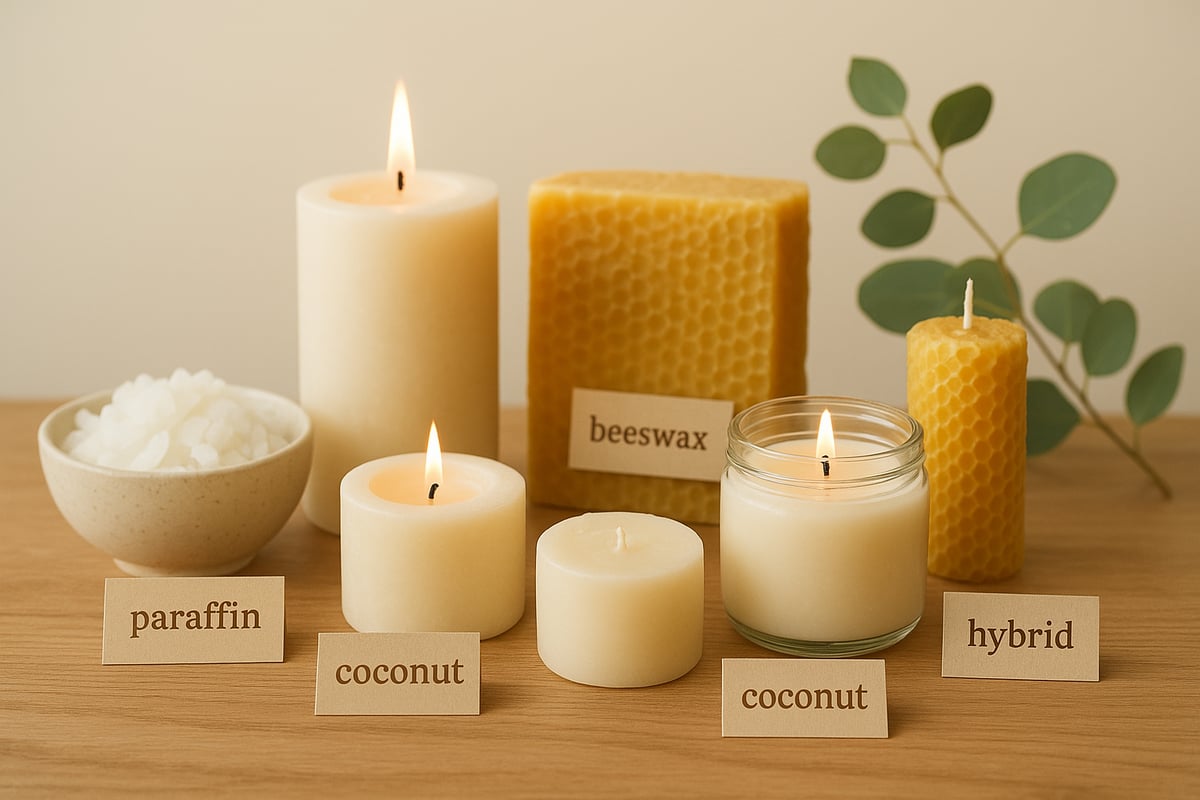
Paraffin remains a popular choice for wax and candles due to its affordability and strong scent throw. It is derived from petroleum, which makes it cost-effective and widely available. However, in 2026, many consumers are reconsidering paraffin because it is non-renewable and linked to environmental concerns.
While paraffin wax and candles provide excellent fragrance diffusion, some studies highlight potential air quality issues when burned in poorly ventilated spaces. Safety standards have improved, but eco-conscious buyers often seek alternatives that align better with sustainable living.
Soy Wax: The Eco-Friendly Favourite
Soy wax and candles have become the go-to option for those prioritising renewable and biodegradable materials. Made from soybeans, this wax burns cleaner and produces less soot, making it a favourite among vegan and sustainable brands. In the UK, 100% hand-poured soy wax and candles are highly sought after for their natural appeal.
While soy wax and candles are ideal for most settings, they can sometimes exhibit frosting and a lighter scent throw compared to paraffin. For a deeper dive into the advantages of soy, visit the Benefits of soy wax candles for further insights.
Beeswax and Other Natural Waxes
Beeswax is valued in wax and candles for its natural air-purifying qualities, hypoallergenic properties, and long burn time. It emits a gentle, honey-like aroma and is often chosen for luxury or wellness-focused products. However, ethical considerations regarding bee welfare have driven demand for vegan alternatives such as rapeseed and coconut wax.
These emerging options offer similar benefits, supporting the shift towards more sustainable wax and candles in 2026. Hybrid blends combining natural waxes are also gaining ground for their unique performance and eco credentials.
Blended Waxes: Performance and Scent
Blended wax and candles are crafted to optimise burn quality, scent throw, and texture. Manufacturers mix waxes like vegetable and paraffin or combine soy with coconut to enhance stability and fragrance diffusion. This approach addresses some limitations of single-source wax and candles by offering a tailored experience.
For instance, certain blends are engineered to resist frosting or improve scent release, making them ideal for statement or large-format candles. Blended wax and candles are especially popular in premium ranges for their consistent results.
Selecting Wax for Different Candle Types
Choosing the right wax and candles depends on the form and function. For tins and jars, soy or blended waxes ensure a clean, even burn. Pillar candles often use beeswax or hard blends for structural integrity, while wax melts favour soy or coconut for easy fragrance release.
Gel wax is a unique choice for decorative and novelty candles, providing transparency and creative possibilities. Matching wax and candles to the intended use ensures optimal performance and customer satisfaction.
Health, Safety, and Allergen Considerations
Health and safety are central when selecting wax and candles, especially for those with fragrance sensitivities. Demand for fragrance-free and pure ambience candles is on the rise, addressing the needs of allergy sufferers. Always review ingredients and opt for reputable brands to avoid potential allergens.
By considering these factors, you can choose wax and candles that align with your lifestyle, wellbeing, and environmental values.
Candle Scent Selection: Fragrance Families and Mood Enhancement
Selecting the perfect fragrance for your wax and candles is a journey in personalisation and ambience. The right scent can transform any space, making it inviting, calming, or energising. In 2026, new fragrance families and innovative blends give you more choices than ever before.
Understanding Fragrance Families
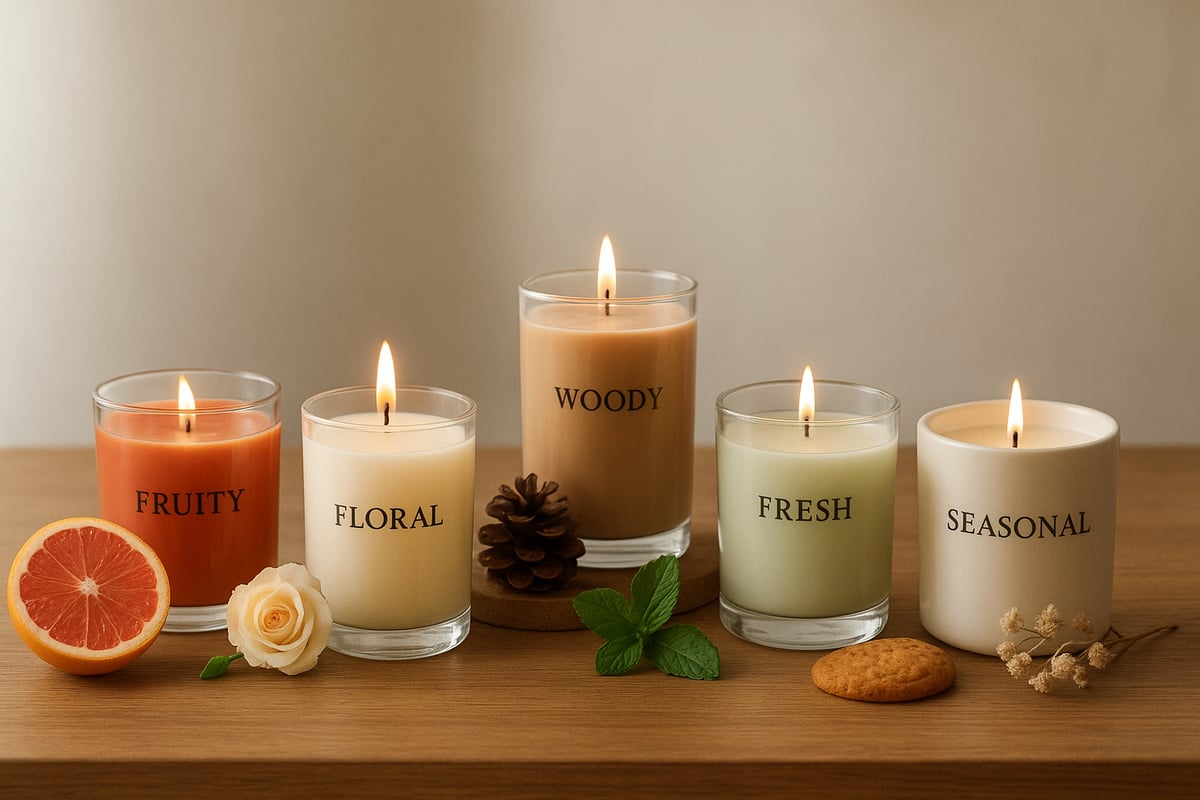
Fragrance families are essential for navigating the world of wax and candles. The main categories include:
- Fruity: Think zesty citrus or ripe berries, like “Spicy Naranja.”
- Floral: Classic rose, jasmine, or unique blends such as “Land of Nod.”
- Woody: Rich sandalwood, cedar, or “Forgotten Woodland.”
- Fresh: Clean linen, ocean breeze, or crisp green notes.
- Gourmand: Sweet vanilla, caramel, or baked treats.
- Seasonal: Scents crafted for winter or autumn, like “Winter Scents.”
Understanding these families helps you match wax and candles to your mood and setting. For those seeking eco-conscious options, explore natural and sustainable candles that offer both quality fragrance and ethical sourcing.
Scent and Mood: The Science of Aromachology
The link between scent and mood is rooted in aromachology, the study of how fragrances impact our emotions and wellbeing. With wax and candles, you can create a sanctuary for relaxation, focus, or energy.
For instance, lavender and chamomile promote calm, while citrus and mint boost alertness. According to an industry survey in 2025, 70 percent of consumers choose wax and candles specifically for mood enhancement. This trend continues to shape scent development, offering targeted blends for stress relief, sleep, and invigoration.
Layering and Combining Scents
Personalising your space with wax and candles is easier when you layer and combine scents. Try mixing complementary fragrances, such as a woody candle with a fresh or floral note, to create depth and complexity.
Discovery sets are a practical option for experimenting with combinations before committing to a full-size candle. This approach allows you to curate a unique home atmosphere, adapting scents for different rooms or occasions.
Seasonal and Limited-Edition Scents
Many brands release seasonal collections to celebrate the changing year. Wax and candles for winter might feature pine, spice, or warm amber, while spring offers floral and green notes. Favourites like “Winter Scents” and “Autumn - Darkest Wish” showcase how limited editions become customer staples.
Seasonal scents add a sense of occasion and nostalgia to your space, making your wax and candles feel fresh all year round.
Scent Strength and Throw
Scent strength, or “throw,” determines how effectively a candle’s fragrance fills a room. This is influenced by the wax type, wick size, and oil concentration. Soy and blended wax and candles often deliver a balanced throw, ideal for most homes.
Choose stronger scents for larger, open-plan areas, while subtle options work best in bedrooms or bathrooms. Matching the right wax and candles to your space ensures a consistent and enjoyable fragrance experience.
Expert Candle Burning and Care Techniques
Mastering the art of burning wax and candles not only enhances your home ambience but also ensures safety and longevity. Whether you are a seasoned enthusiast or new to the world of wax and candles, following expert techniques can dramatically improve your experience. This section explores the essential steps for burning, caring for, and troubleshooting your favourite wax and candles.
Proper Candle Burning Steps
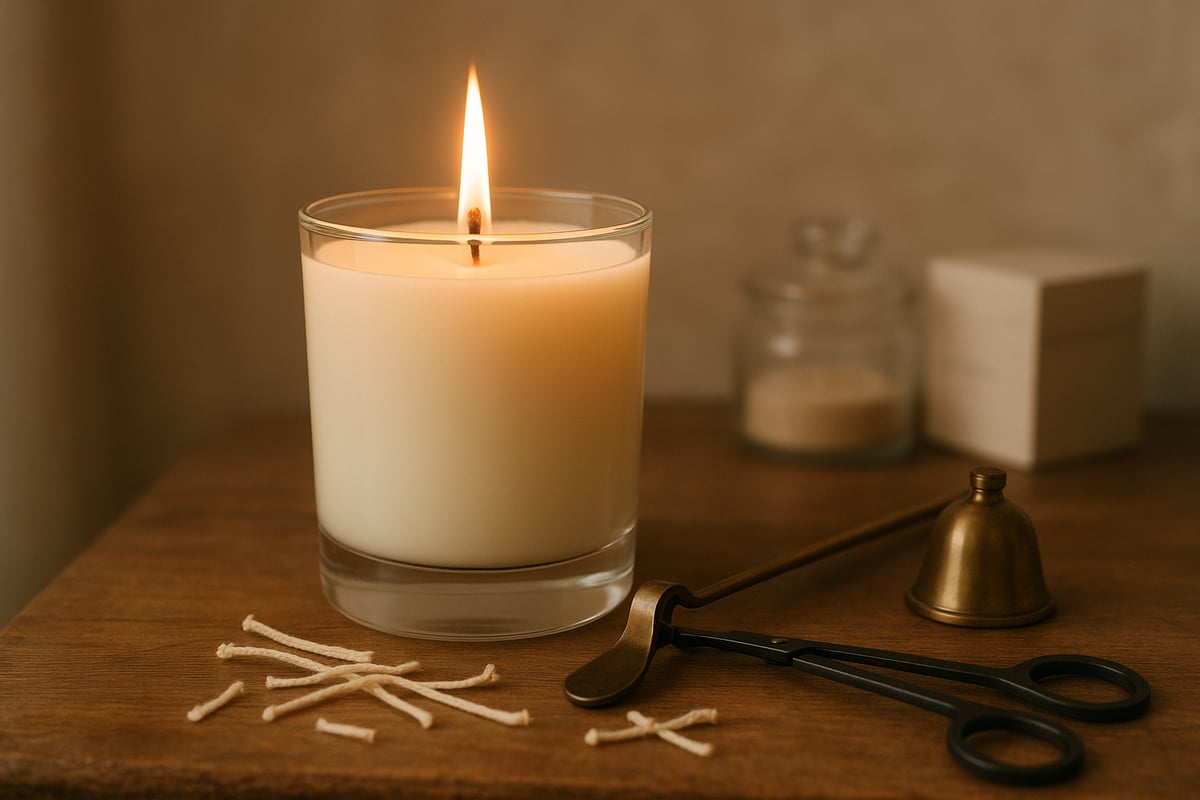
Starting your wax and candles journey with the right burning technique is crucial. Always allow the first burn to create a full melt pool across the surface. This helps prevent tunnelling, where wax is wasted and the candle burns unevenly. For each use, burn your candle for one hour per 2.5cm diameter, but never exceed four hours at a time.
Trim the wick to 3-5mm before each lighting. This reduces smoke and improves scent throw. According to troubleshooting guides, up to 80% of candle issues arise from improper first burns. For detailed advice, visit these Candle care and burning tips to perfect your technique and get the best results from your wax and candles.
Safety Tips for Home Use
Safety should always be a priority when enjoying wax and candles at home. Place candles on stable, heat-resistant surfaces and keep them away from drafts, pets, and children. Never leave burning candles unattended, even for a short period.
Extinguish candles using a snuffer rather than blowing them out, as this minimises smoke and hot wax splatter. Reports indicate a rise in home fragrance accidents due to neglecting basic safety routines. Always keep candles within sight and ensure flammable materials are out of reach to enjoy wax and candles with peace of mind.
Maximising Candle Longevity
To get the most from your wax and candles, proper storage and handling are essential. Store candles away from sunlight, heat, and humidity to prevent fading and warping. Rotate your candles regularly to ensure even burning and avoid creating deep wells.
Using lids or covers when not in use helps preserve the scent and keeps dust away. Simple habits like these extend the life of your wax and candles, maintaining their quality and fragrance for every occasion.
Troubleshooting Common Candle Problems
Even with the best care, wax and candles can develop issues such as tunnelling, smoking, or uneven burns. Tunnelling often results from short burns, while excessive smoke may indicate a wick that is too long. If you notice wax residue or a wick drowning in melted wax, gently drain excess wax and relight after trimming.
For persistent problems, consult brand troubleshooting guides or customer support. Addressing these concerns promptly ensures your wax and candles remain both beautiful and functional.
Cleaning and Repurposing Candle Containers
Once your wax and candles have finished burning, containers can be cleaned and creatively reused. To remove leftover wax, place the container in the freezer for a few hours, then gently pop out the residue. Wash with warm, soapy water before repurposing.
Creative ways to reuse candle containers:
- Planters for small succulents or herbs
- Storage for office supplies or jewellery
- Decorative holders for bathroom essentials
Repurposing not only reduces waste but also gives your wax and candles a second life in your home.
DIY Candle Making: Step-by-Step Guide for Beginners
Starting your journey with wax and candles at home is both rewarding and creative. With the right supplies and a little patience, you can craft bespoke home fragrances and unique gifts. Here is a clear, beginner-friendly guide to making your own candles with confidence.
Essential Supplies and Tools
To begin making wax and candles, gather these essentials:
- Candle wax: soy, beeswax, or coconut are ideal for beginners.
- Fragrance oils or pure essential oils for scent.
- Wicks: cotton or wood, sized for your container.
- Heat-proof containers or moulds.
- Double boiler or melting pot.
- Thermometer to monitor wax temperature.
- Stirring sticks and dyes for colour (optional).
Sourcing high-quality materials ensures your wax and candles burn cleanly and safely. Always check that your containers are heat-resistant and that wicks are lead-free for the best results.
Step-by-Step Candle Making Process
Creating wax and candles at home is straightforward with a little practice. Here are the key steps:
- Measure the correct amount of wax for your containers.
- Melt the wax gently using a double boiler, monitoring temperature closely.
- Add fragrance and dye when the wax cools slightly, typically around 65°C.
- Secure the wick in the centre of your container and slowly pour in the melted wax.
- Allow the candle to cool undisturbed for several hours, then trim the wick to about 5mm.
For more detailed instructions, visit this Candle making step-by-step guide to expand your knowledge and technique.
Safety Precautions and Best Practices
Safety is crucial when working with wax and candles. Use gloves to protect your skin, keep your workspace well ventilated, and always work on heat-resistant surfaces.
Never leave melting wax unattended. Keep children and pets away from your workspace. Always follow manufacturer guidance for temperatures and curing times to prevent accidents.
Troubleshooting DIY Mistakes
Common issues when making wax and candles include sinkholes, frosting, or poor scent throw. Sinkholes can be fixed by topping up with a small amount of melted wax.
If your candles frost or develop white patches, try pouring at a slightly lower temperature. Weak scent throw may be improved by using the recommended amount of fragrance oil and allowing the candle to cure for at least 48 hours.
Personalising Candles
Personalising wax and candles makes your creations special. Experiment with different moulds for unique shapes, layer colours for a marbled effect, or create custom labels for gifts.
You can also blend fragrances to craft signature scents. With practice, your wax and candles will reflect your style and enhance any space.
The Future of Wax and Candles: Innovations and Consumer Insights
The future of wax and candles is rapidly evolving, blending tradition with cutting-edge innovation. In 2026, consumers are seeking not only ambience but also smarter, safer, and more sustainable ways to enjoy their favourite wax and candles. Let’s explore the key trends shaping the next generation of home fragrance.
Smart Candle Technology and Safety
Technology is transforming wax and candles, making them safer and more interactive. App-controlled candles allow users to adjust scent and lighting with ease. Temperature sensors and self-extinguishing mechanisms are becoming standard in premium brands, reducing fire risks.
Updated safety regulations, such as those outlined in the ASTM F2601-25 Fire Safety Standard, are driving innovation and ensuring consumer protection. These advancements make enjoying wax and candles at home more secure than ever.
Sustainability and Circular Economy
Sustainability is at the forefront of the wax and candles industry. Brands are embracing refillable systems, wax recycling programmes, and biodegradable packaging. Consumers increasingly demand transparency in sourcing and ethical practices, prompting companies to use locally-sourced ingredients.
Circular economy models, where containers are returned, refilled, or repurposed, are gaining popularity. This shift not only reduces waste but also aligns with the values of environmentally-conscious buyers who love wax and candles.
Personalisation and Custom Scents
The desire for unique home experiences has led to a surge in personalised wax and candles. Many brands now offer bespoke fragrance development, allowing individuals to choose or blend scents that reflect their personality or mood.
Artisan producers are at the forefront, creating limited-edition collections and custom blends for gifting or special occasions. This trend highlights the versatility and creative potential of wax and candles in 2026.
Market Growth and Trends
The wax and candles market is experiencing robust growth, with handmade and sustainable products leading the surge. Subscription boxes and discovery sets offer consumers regular access to new scents and styles, supporting exploration and brand loyalty.
According to the Candle Market Growth Forecast 2026-2035, the industry is projected to expand by 15% in 2026, fuelled by demand for quality, sustainability, and innovation. These insights underscore the dynamic future of wax and candles.
Home Fragrance Beyond Candles
Wax and candles are now part of a broader home fragrance ecosystem. Diffusers, wax melts, and room sprays complement traditional candles, enabling layered scent experiences throughout the home.
Brands are expanding their offerings to include holistic solutions, catering to consumers who want to personalise every corner of their living space. This integration ensures wax and candles remain central to modern home fragrance trends.
As we've explored the latest trends and essential tips for elevating your wax and candle experience in 2026, now is the perfect time to put your new knowledge into practice. If you're ready to embrace the warmth and artistry of handcrafted candles—especially those inspired by Scotland's rich landscapes—you'll love the seasonal scents and sustainable craftsmanship from Love Scottish. Whether you're seeking that inviting ambience for special occasions or looking to refresh your home fragrance for the festive season, their range offers something truly unique. Discover your next favourite scent and Shop Christmas Candles today.