

Home Made Candles Guide: Craft Your Own Glow in 2026
Imagine transforming your space with the soft glow and unique fragrance of home made candles, crafted by your own hands. This guide is designed to help you create beautiful, safe, and personalised home made candles, no matter your experience level in 2026.
Discover how to select the right materials, master step-by-step techniques, customise scents and colours, troubleshoot common challenges, and find creative inspiration. As DIY home fragrance grows in popularity, you can enjoy the health and environmental benefits, create meaningful gifts, and experience the satisfaction of a relaxing, rewarding hobby. Ready to begin your journey? Let us show you how.
Why Make Homemade Candles in 2026?
Interest in home made candles is soaring across the UK, with more people seeking creative, hands-on hobbies that add warmth and personality to their living spaces. The joy of crafting something unique, paired with the growing desire for healthier and more sustainable lifestyle choices, makes home made candles the perfect project for 2026.
The Rise of DIY Home Fragrance
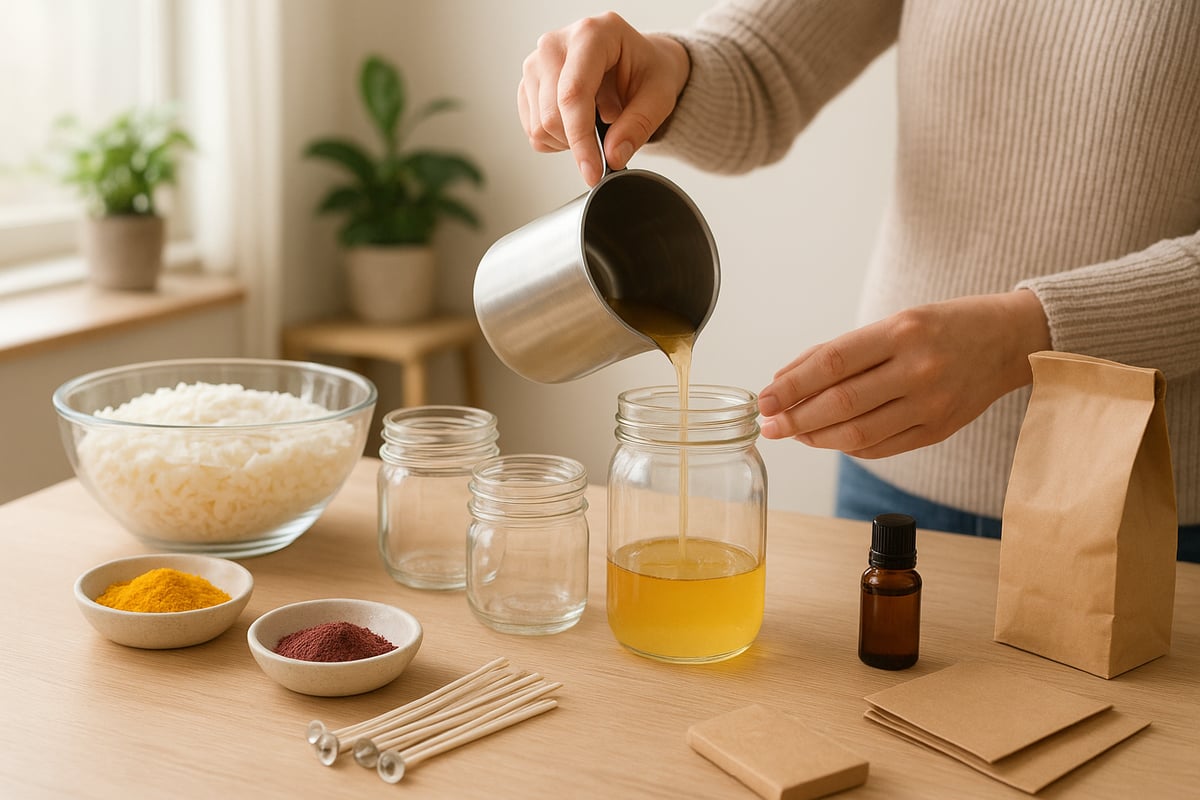
The UK has witnessed a remarkable surge in home based hobbies since the pandemic, and home made candles have become a standout favourite. Artisan candles with bespoke scents and styles are in high demand, reflecting a shift towards personal expression and comfort at home. According to recent UK home fragrance market growth statistics, the home fragrance market is projected to grow by 6% in 2026, underlining the popularity and economic potential of home made candles.
Benefits of Homemade Candles
Home made candles offer several advantages over shop bought alternatives:
- Full control over ingredients, ensuring a cleaner, healthier burn.
- Customisation of scent, colour, and style to suit any décor or mood.
- Significant cost savings, especially when compared to premium brands.
With home made candles, you can avoid paraffin, phthalates, and synthetic dyes, making your home environment safer and more inviting.
Sustainability and Eco-Friendly Choices
Sustainability is a core reason why many choose home made candles. Natural waxes like soy, beeswax, and rapeseed support eco-friendly living, as they are biodegradable and sourced responsibly. Many UK crafters are turning to rapeseed wax for its local sourcing and low environmental impact. Reusing containers further reduces waste, and choosing minimal or recycled packaging helps support a greener planet. For more on sustainable wax options and sourcing in the UK, see Sustainable candle making materials UK.
Gift-Giving and Personal Touch
Home made candles make thoughtful, personalised gifts for any occasion. You can tailor scents, colours, and packaging to suit the recipient, creating something truly meaningful. Whether for birthdays, holidays, or special events, a home made candle adds a heartfelt touch that shop bought gifts simply cannot match.
Mindfulness and Wellness
Candle making is not just productive, it is also deeply calming. The process encourages mindfulness, offering a creative escape from daily stress. When using natural fragrance oils, your home made candles can also bring aromatherapy benefits, supporting relaxation and well being.
Economic and Creative Opportunities
For some, home made candles are more than a hobby. Many turn their skills into a side income by selling at craft fairs or online. The craft fosters new abilities and creative expression, making it a rewarding pursuit both personally and professionally.
Essential Materials and Tools for Candle Making
Crafting home made candles begins with understanding the essential materials and tools. Whether you are starting a new hobby or elevating your skills, the right supplies ensure safety, quality, and creative satisfaction.
Choosing the Right Wax
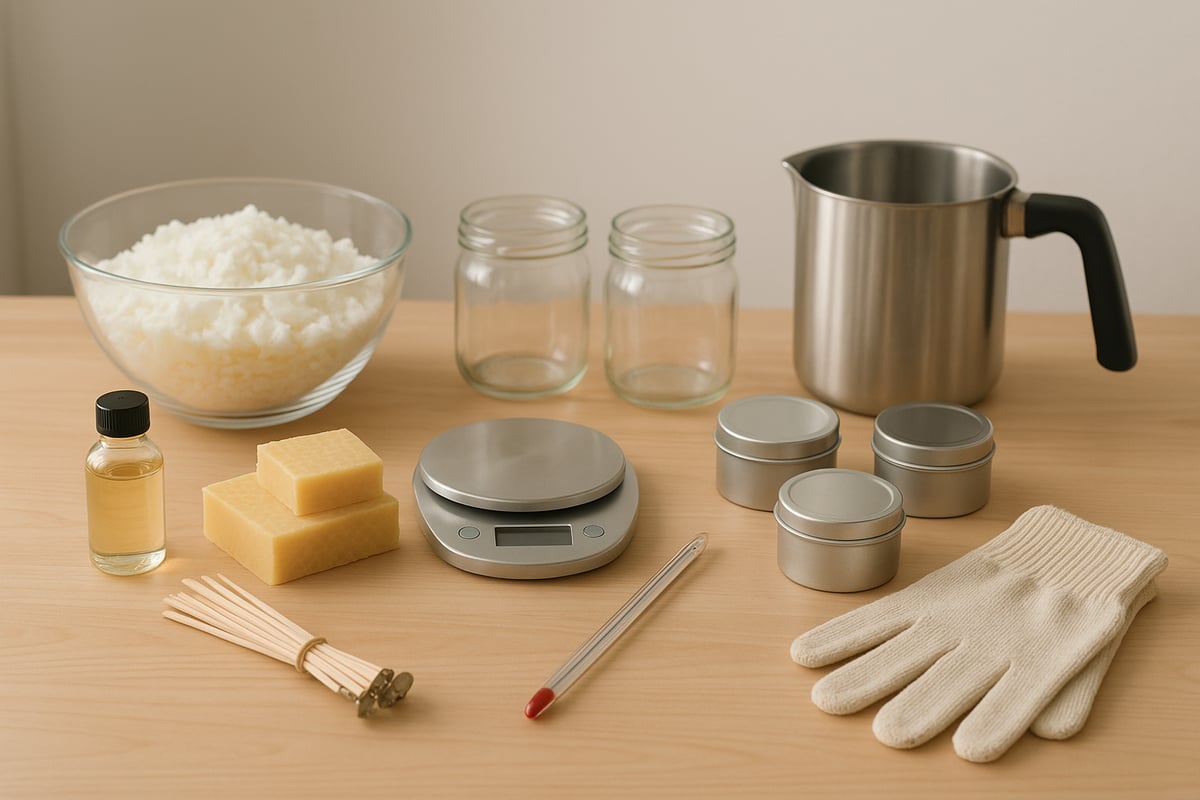
Selecting the best wax is fundamental for home made candles. Popular options include soy, beeswax, rapeseed, and coconut wax. Each has unique properties. Soy wax is favoured for its clean burn and excellent scent throw, making it ideal for beginners. Beeswax offers a natural aroma and long burn time, while rapeseed is praised for its sustainability and local sourcing in the UK. Coconut wax blends well with other waxes for a creamy finish. For a deeper dive into the characteristics of each, see Choosing the best candle wax.
| Wax Type | Pros | Cons |
|---|---|---|
| Soy | Clean, easy, affordable | Can frost, soft texture |
| Beeswax | Natural, long burn | Subtle scent, pricier |
| Rapeseed | Sustainable, local | Less common in shops |
| Coconut | Smooth, blends well | Expensive, softer texture |
Selecting Containers
The container you choose impacts both safety and aesthetics in home made candles. Opt for glass jars, metal tins, or upcycled items like jam jars and wine bottles. Always ensure containers are heat-resistant and free from cracks. Avoid plastic-lined or thin glass, as these may break or melt. Mason jars and thick-walled canning jars are especially recommended for their durability and classic look.
Wicks and Their Importance
Wicks are crucial for performance and safety. Cotton wicks are versatile and work well with most waxes, while wooden wicks create a gentle crackle and modern appeal. The wick size should match the container diameter, preventing tunnelling or overheating. For standard 7–7.5 cm jars, try ECO 12 or Wedo VRL 22 wicks. Proper wick placement and sizing result in an even, steady burn.
Fragrance and Colour Additives
Scent and colour transform home made candles from simple to spectacular. Fragrance oils are designed for candle use and offer strong, lasting scents. Essential oils provide natural aromatherapy benefits, but not all are suitable for candles, so always check safety data. Colour chips create vibrant hues, while natural tints like turmeric or beetroot deliver subtle tones. The right additives enhance both performance and personalisation.
Tools and Equipment
A few core tools make the process smooth and safe. Use a double boiler or melting pot for controlled wax melting. Digital scales guarantee accurate measurements. Thermometers help monitor ideal temperatures for each wax type. Wick holders, such as chopsticks or purpose-made devices, keep wicks centred. Safety gear, including gloves and aprons, protects you from spills and hot wax.
Sourcing Materials in 2026
Finding quality supplies is easier than ever. Online craft shops, local suppliers, and eco-friendly stores offer a diverse selection for home made candles. In the UK, sustainable rapeseed wax and phthalate-free fragrance oils are increasingly available. Upcycling containers and choosing renewable materials support both creativity and environmental responsibility. Always check product descriptions for sourcing and safety information before purchasing.
Step-by-Step Guide: Making Your First Homemade Candle
Ready to fill your home with the soft glow and inviting aroma of home made candles? This step-by-step guide will walk you through the process, ensuring safety, creativity, and perfect results. Whether you are a beginner or looking to refine your technique, follow along to craft beautiful home made candles tailored to your style.
Step 1: Preparing Your Workspace and Materials
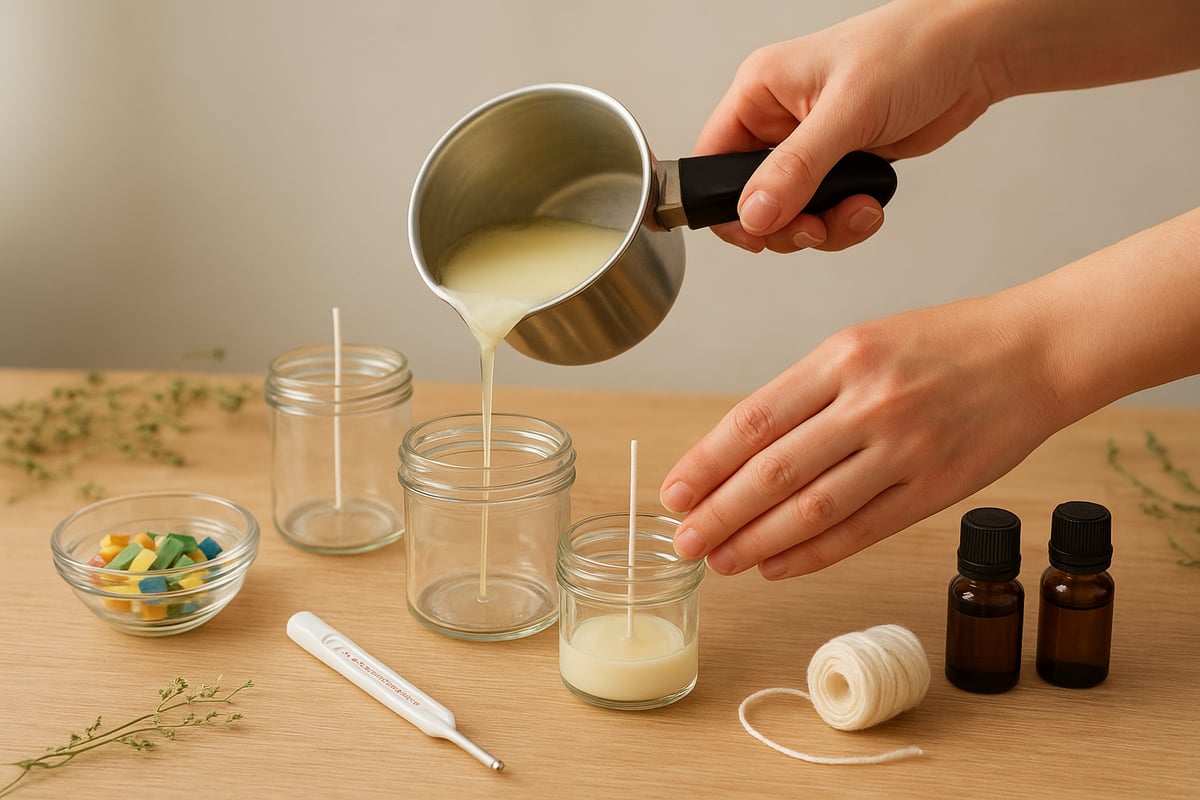
Begin by selecting a flat, well-ventilated area free from distractions. Lay down newspaper or a silicone mat to catch spills. Gather all your materials for home made candles: wax, wicks, containers, fragrance, colour, thermometer, melting pot, and tools.
Organisation is key for home made candles. Arrange your supplies in easy reach and ensure your containers are clean, dry, and free from chips. This prevents contamination and ensures every batch of home made candles is safe to use.
A clutter-free space reduces risk and helps you focus on crafting quality home made candles.
Step 2: Measuring and Melting the Wax
Accurate measurement is essential for consistent home made candles. Use a digital scale to weigh your wax. As a rule, 100g of wax fills a small 8oz jar. Weigh extra to allow for topping up if needed.
Melt the wax using a double boiler. This gentle method prevents scorching, which can ruin home made candles. Heat the wax to the recommended temperature for your chosen type, usually between 70°C and 80°C for soy wax.
If using a microwave, melt in short bursts, stirring in between. Monitor the temperature closely. Avoid overheating, as this affects the scent and quality of home made candles.
Step 3: Preparing and Securing the Wick
Choose a wick suitable for your wax and container size. For most home made candles, a pre-tabbed cotton or wood wick is ideal. Secure the wick to the centre of the container base using a glue dot or hot glue.
Use a wick holder, chopstick, or peg to keep the wick upright and centred until the wax sets. This step is crucial for even burning. A misaligned wick can cause tunnelling or uneven melting in home made candles.
Double-check that your wick is straight and firmly attached. This ensures your home made candles burn safely and efficiently every time.
Step 4: Adding Fragrance and Colour
Once the wax has melted and cooled slightly (usually to 65°C for soy), add fragrance oil or essential oil. For home made candles, the typical fragrance load is 8 to 10 percent by wax weight. Always check your supplier's guidelines for maximum safe usage.
Stir gently for at least two minutes to ensure even distribution. For colour, add chips or natural tints like turmeric. Mix until the colour is uniform. Test a drop on parchment to see the final shade.
For more practical tips on scent and colour in home made candles, see these candle making tips and advice.
Step 5: Pouring the Wax
Let the wax cool to its ideal pour temperature, usually 60°C to 65°C for soy. Pour slowly into your container, avoiding the sides to minimise air bubbles. For home made candles, slow pouring helps achieve a smooth surface.
Fill to about 1cm below the rim. If you notice a dip or sinkhole as the wax sets, reserve a small amount for a second pour. This technique is common in professional home made candles for a flawless finish.
Leave the container undisturbed while the wax solidifies. Quick handling can cause cracks or uneven tops in home made candles.
Step 6: Setting, Curing, and Trimming
Allow your home made candles to cool at room temperature. Avoid moving them, as this can cause imperfections. Once solid, trim the wick to 5mm for a clean, safe burn.
Curing is crucial for scent throw and burn quality. Store your home made candles with lids on in a cool, dark place for at least one week. This allows the fragrance to bind fully with the wax.
Patience pays off. Properly cured home made candles give a stronger scent and longer burn time.
Step 7: Decorating and Labelling
Now the creative part: decorate your home made candles with ribbons, dried flowers, or custom labels. If giving as gifts or selling, include safety information and allergen details.
Personal touches make your home made candles unique and memorable. Choose sustainable packaging for an eco-friendly finish.
Example Recipe: Scented Soy Jar Candle
Ingredients:
- 100g soy wax
- 10g fragrance oil
- Cotton wick (ECO 12 for 7cm jar)
- Glass jar
Steps:
- Measure and melt wax.
- Secure wick in jar.
- Add fragrance at 65°C, stir.
- Pour wax, cool, trim wick.
- Cure for 1 week.
Troubleshooting tip: If your home made candles develop sinkholes, top up with leftover melted wax.
Customising Your Candles: Scents, Colours, and Styles
Personalising your home made candles transforms a simple craft into a creative expression. Whether you are blending signature scents, experimenting with colours, or choosing unique containers, each decision shapes a candle that reflects your style and mood.
Scent Blending and Seasonal Inspiration
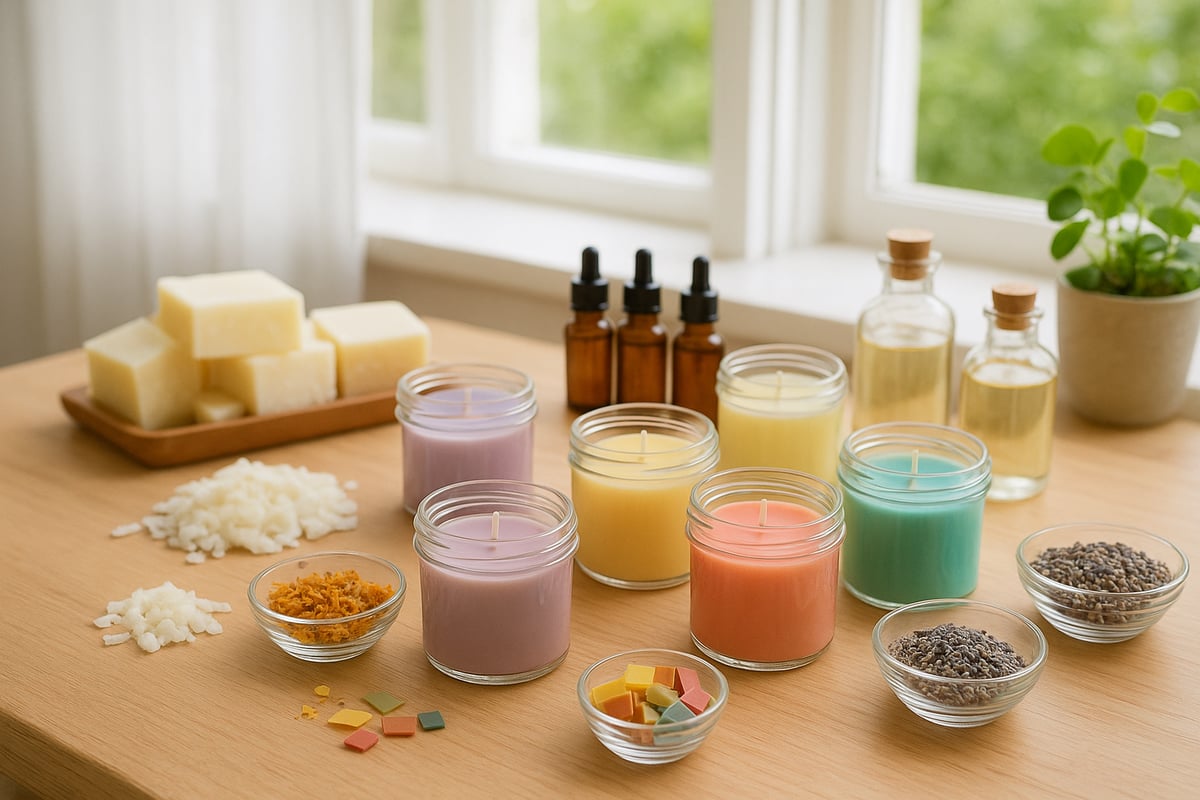
Scent is at the heart of home made candles. Start by exploring fragrance oils or essential oils, and do not hesitate to experiment. Blending citrus with spice creates festive warmth, while a mix of lavender and eucalyptus offers relaxation.
Popular scent profiles for 2026 include spiced orange, winter cranberry, and Scottish pine. Layering different oils can result in unique, signature blends. For more guidance, you might find Fragrances for candle making helpful when selecting and combining scents that suit your preferences.
Colour Techniques and Trends
Colour adds a visual dimension to home made candles, allowing you to match décor or evoke a particular mood. Use colour chips for even, vibrant shades, or experiment with natural tints like turmeric for gold or beetroot for rose. Ombre and marbled effects are on trend, achieved by pouring wax in stages or swirling colours before setting.
Natural colourants may slightly affect burn quality, so always test small batches first. With the right technique, your candles will not only smell wonderful but look stunning as well.
Container and Wick Innovations
Choosing the right vessel elevates home made candles from functional to decorative. Upcycling is increasingly popular, with teacups, vintage tins, and wine bottles making charming, eco-conscious choices. Thick-walled glass or metal containers ensure safety and durability.
Wick selection is equally important. Wooden wicks offer a modern crackling effect, while cotton wicks provide a classic, steady burn. Match wick size to your chosen container to avoid tunnelling or overheating.
Decorative Touches
Add personality to your home made candles with decorative elements. Dried botanicals, such as lavender or rose petals, can be embedded for a natural, artisanal finish. Eco-friendly glitter or wax embeds introduce sparkle and fun.
Always ensure that any additions are safely away from the flame to prevent hazards. Creative packaging, like reusable jars or recycled papers, enhances both presentation and sustainability.
Themed and Gift Candles
Customisation shines when home made candles are crafted as gifts. Personalise for weddings, birthdays, or holidays with tailored scents and labels. Consider packaging options like reusable gift boxes or eco-friendly wraps for a professional touch.
Adding a thoughtful message or recipient’s name on the label creates a memorable, heartfelt present. Gift-worthy candles are not only beautiful but also meaningful.
Trends for 2026
Looking ahead, the demand for vegan, sustainable, and locally inspired home made candles continues to rise. Scottish-inspired scents and styles are particularly popular, reflecting a shift towards regional identity and natural ingredients. Innovations in wax blends and eco-conscious packaging are shaping the market, making it an exciting time for candle makers.
Whether you are crafting for relaxation, décor, or gifting, customisation ensures every candle is uniquely yours.
Troubleshooting and Safety Tips for Homemade Candles
Making home made candles is rewarding, but even experienced crafters face challenges. Understanding common issues and prioritising safety will help you achieve beautiful, safe results every time.
Common Candle Making Problems
Home made candles can sometimes develop tunnelling, where only the centre burns, or sinkholes that appear as the wax cools. Frosting, a white crystalline layer, is common with soy wax.
To fix tunnelling, ensure your wick size matches your container. Pour wax at the recommended temperature to minimise sinkholes. Gently heat the surface with a hairdryer to smooth uneven tops. For weak scent throw, check your fragrance load and consider switching wax types.
Wick Issues
Wicks are essential for safe, even burning in home made candles. A flame that is too high or low often signals the wrong wick size.
Trim wicks to 5mm before each burn to control soot and smoking. Choose the right material and thickness for your wax and container. If you notice sooting, switch to a lower soot cotton or wood wick, and ensure your candle is not in a draught.
Container and Burn Safety
Selecting the right container keeps home made candles safe. Use only heat-resistant glass, metal, or ceramic that is free from chips or cracks.
Always follow safe burning practices: never leave a lit candle unattended, keep away from flammable objects, and place on a stable, heatproof surface. For more detailed guidance, consult Candle care and safety advice for best practices.
Fragrance and Allergen Safety
When making home made candles, use IFRA-compliant fragrance oils to ensure safety. Always label allergens if gifting or selling your candles.
Wear gloves when handling fragrance oils and avoid direct skin contact. Work in a well-ventilated area to reduce inhalation risks.
Environmental and Disposal Tips
Support sustainability by cleaning and reusing containers after your home made candles are finished. Dispose of leftover wax and fragrance oils safely, following local regulations.
- Let wax cool and solidify before removal.
- Wipe out residue with paper towels.
- Recycle or repurpose jars and tins.
Resources for Further Learning
Expand your skills in home made candles by exploring books, online tutorials, and local UK workshops. Community candle-making groups offer support and inspiration for troubleshooting and creative growth.
Creative Inspiration: Advanced Techniques and Trends for 2026
Explore the world of advanced home made candles with techniques that bring artistry and sustainability to your creations. Whether you want to elevate your candle-making skills or stand out in the growing market, these trends and ideas for 2026 will inspire every enthusiast.
Layered and Ombre Candles
Layered and ombre home made candles are visually striking and offer endless creative possibilities. To achieve crisp layers, allow each colour pour to cool to about 45°C before adding the next. For a smooth ombre effect, gradually blend in more dye with each layer, keeping pour temperatures consistent. Patience is key, as rushing can cause colours to bleed. Experiment with seasonal palettes, from soft pastels in spring to rich jewel tones for winter. This technique lets you craft candles that are both functional and a true centrepiece.
Botanical and Embedded Candles
Botanical home made candles bring nature indoors with dried flowers, herbs, or decorative elements suspended in wax. Always use botanicals that are fully dried to avoid moisture issues. Place them along the edges of the container or embed them in layers for a floating effect. Popular choices include lavender, rose petals, and rosemary. Remember to keep embeds away from the wick to ensure a safe, clean burn. These candles make unique gifts and add a bespoke touch to any room, blending fragrance and visual artistry.
Scented Wax Melts and Tealights
Wax melts and tealights present a versatile alternative to traditional home made candles. Wax melts are simple to make: pour scented wax into silicone moulds for easy release and custom shapes. They deliver flameless fragrance, ideal for homes with children or pets. Tealights, on the other hand, are perfect for sampling new scents or creating a warm ambiance in bulk. Both options allow for creative experimentation with colours and fragrances, making them popular choices for personal use or thoughtful gifts.
Upcycling and Eco-Conscious Candle Making
Eco-conscious candle making is a defining trend for home made candles in 2026. Upcycle containers like teacups, jam jars, or wine glasses for unique vessels, reducing waste and adding character. Choose renewable waxes such as soy or rapeseed, and opt for natural dyes and phthalate-free fragrance oils. For more on sustainable approaches, see sustainable candle making techniques. Zero-waste packaging and refill kits are gaining traction, making it easier to maintain an eco-friendly candle-making routine.
Personal Branding and Gifting Ideas
Personal branding with home made candles allows you to develop signature scent blends or themed collections for special occasions. Customise labels, packaging, and even vessel shapes to reflect your style or the needs of clients. For gifting, consider seasonal scents or bespoke designs for weddings, birthdays, or corporate events. These personalised touches add value and make your creations memorable, whether for friends, family, or customers.
Future Trends in Candle Making
Looking ahead, the home made candles market is shifting towards plant-based waxes, vegan-friendly ingredients, and locally inspired scents. Rapeseed wax, in particular, is growing in popularity across the UK due to its sustainability and excellent performance. Scottish-inspired fragrances and natural botanicals are also set to trend, reflecting a broader move towards authenticity and eco-conscious living. By embracing these trends, makers can stay ahead and appeal to a discerning, environmentally aware audience.
As you explore the world of homemade candles, you’ll discover how creativity and tradition blend seamlessly—especially when you draw inspiration from Scotland’s own Love Scottish. Whether you’re customising scents, experimenting with eco-friendly waxes, or simply enjoying the mindful process, candle making offers both relaxation and a touch of artistry to your home. If you’re looking for festive ideas or want to experience expertly crafted seasonal fragrances while perfecting your skills, why not take a look at our beautifully hand poured collection and Shop Christmas Candles? Let your next creation be inspired by the warmth and character of Scotland.