

The Expert Guide to Wax for Making Wax Melts 2026
Wax melts have become a must-have in UK homes, offering a stylish and safe way to enjoy bespoke scents. With more people seeking creative and eco-friendly options, the search for the perfect wax for making wax melts is more popular than ever.
Choosing the right wax is crucial, impacting scent throw, home safety, and environmental impact. Many are unsure which wax suits their needs as new ingredients and trends emerge.
This expert guide will help you master every aspect of wax for making wax melts in 2026. Discover wax types, selection tips, best practices, and the latest industry trends.
Understanding Wax Melts: Basics and Benefits
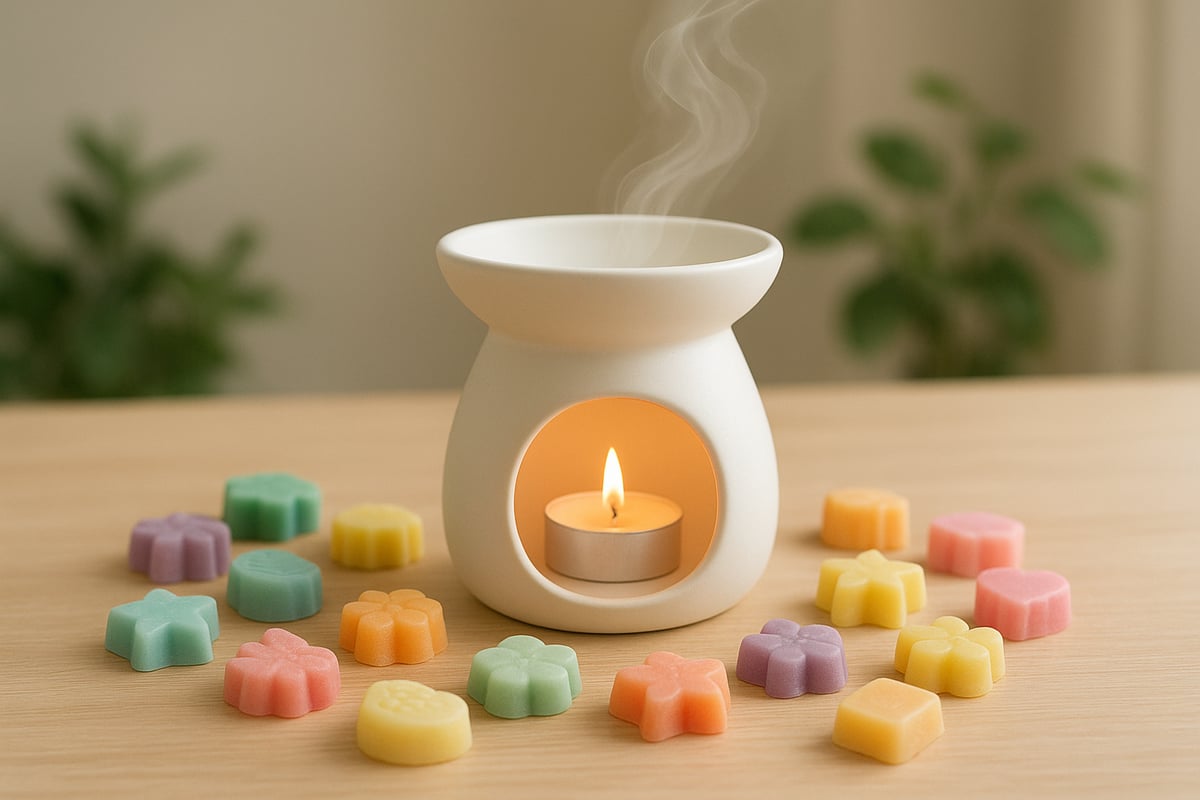
Wax melts have become a staple in British homes, offering a modern approach to home fragrance. Unlike candles, which use a wick and flame, wax melts are small pieces of scented wax designed for use in a warmer. When heated, they slowly release fragrance into the air, creating a welcoming atmosphere without the need for an open flame.
What Are Wax Melts and How Do They Work?
Wax melts are solid, scented pieces of wax, typically shaped into small cubes or decorative forms. Unlike traditional candles, wax for making wax melts is specifically formulated to be used in a warmer, where it gently heats and releases fragrance. This process does not involve a wick or a direct flame, making the experience safer and more controlled.
When placed in a warmer, wax for making wax melts liquefies at a low temperature, allowing the fragrance oils to disperse steadily throughout the room. This method provides a longer-lasting scent experience compared to most candles.
The UK wax melts market has experienced significant growth in recent years. According to Scented wax melts in the UK, there is increasing consumer interest in quality, artisanal home fragrance products. In 2025, market data showed a notable rise in demand, with wax melts now rivaling candles in popularity among British households.
Key Benefits of Wax Melts
The appeal of wax melts lies in their unique combination of safety, versatility, and value. Since wax for making wax melts does not require an open flame, it reduces fire risks and is suitable for homes with children or pets.
Customisation is another major advantage. Users can blend different scents or control the intensity by adjusting the amount of wax for making wax melts used in the warmer. This flexibility allows for a personalised fragrance experience tailored to individual preferences.
Wax melts are also cost-effective. A single melt can provide hours of fragrance, and there is minimal waste compared to traditional air fresheners or candles. Many brands now offer eco-friendly options, using biodegradable or plant-based wax for making wax melts, making them a sustainable choice for environmentally conscious consumers.
Key benefits include:
- No open flame, increasing safety
- Easy to customise scent and strength
- Affordable, with long-lasting use
- Environmentally friendly alternatives available
Wax Melts in 2026: Trends and Innovations
Looking ahead to 2026, the wax for making wax melts market is evolving rapidly. There is a clear shift towards natural, vegan, and sustainable waxes, with more producers opting for plant-based ingredients and ethical sourcing.
Consumers are seeking out artisanal and bespoke wax melts, favouring unique shapes, colours, and locally inspired fragrances. Scottish and regional scents are particularly popular, reflecting a desire for authenticity and origin stories in home fragrance.
Popular scent families in 2026 include fresh botanicals, comforting gourmand blends, and mood-boosting citrus notes. As the market matures, innovations in wax for making wax melts are expected to focus on enhanced scent throw, eco-friendly packaging, and refillable systems, catering to both lifestyle and sustainability preferences.
Types of Wax for Making Wax Melts
Choosing the right wax for making wax melts is essential for achieving the best fragrance, safety, and sustainability. Each wax type offers unique properties that influence scent throw, eco-friendliness, and overall performance. In 2026, understanding these differences is vital for both hobbyists and businesses.
Paraffin Wax: Pros, Cons, and Modern Usage
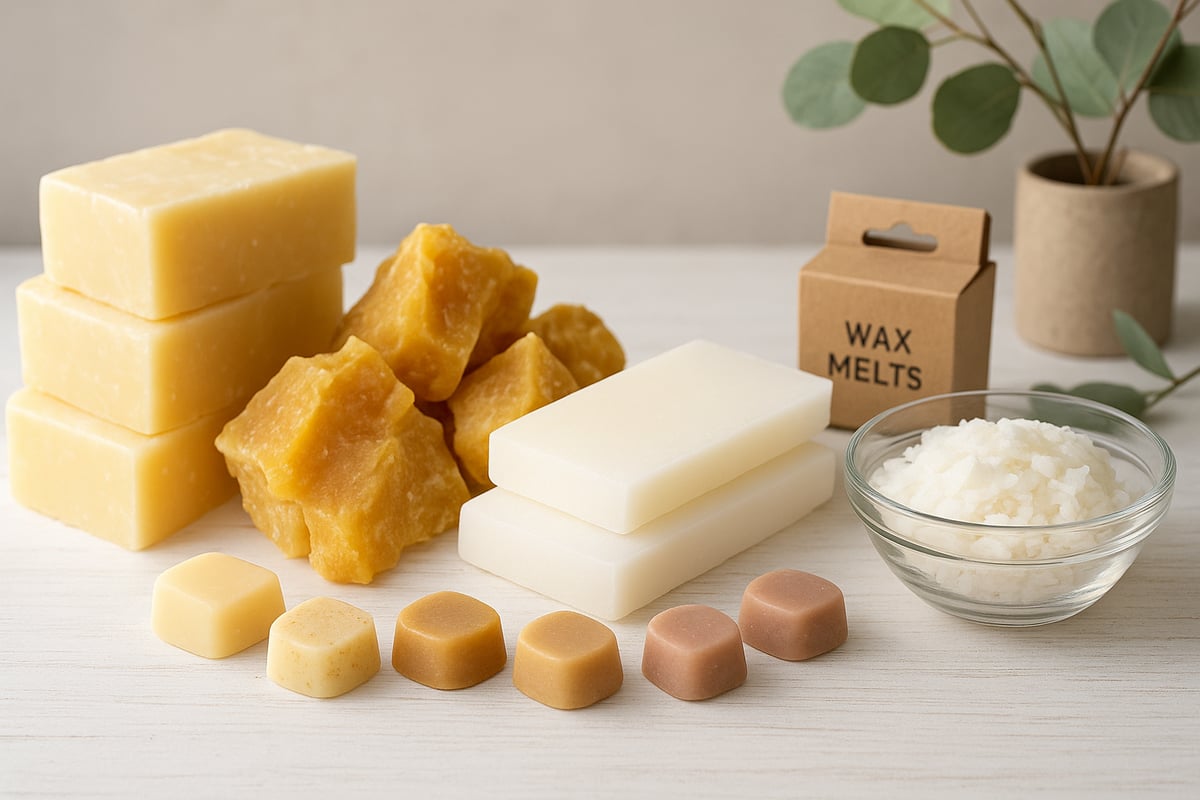
Paraffin wax has long been a staple in the world of wax for making wax melts due to its strong scent throw and vibrant colour retention. This petroleum-derived wax is affordable and easy to work with, making it popular for large-scale production.
Advantages:
- Excellent scent throw and colour vibrancy
- Low cost and wide availability
- Consistent texture, ideal for moulds
Disadvantages:
- Derived from non-renewable resources
- Linked to indoor air quality concerns
- Environmental impact and shifting consumer perception
In 2026, the use of paraffin wax for making wax melts is declining as more consumers seek sustainable alternatives. Recent market data reveals a notable reduction in paraffin-based products. For a detailed comparison of wax types, see the Types of wax for candle making guide.
Soy Wax: The Leading Eco-Friendly Choice
Soy wax has become the leading eco-friendly option for wax for making wax melts. Made from renewable soybeans, it is biodegradable and offers a clean, smooth finish. Artisans and private labels favour soy wax for its sustainable profile and reliable scent performance.
Benefits:
- Renewable and biodegradable
- Excellent scent throw, especially in melts
- Smooth texture for easy mould release
Soy wax now dominates 60% of wax melt production in the UK, reflecting consumer preferences for greener choices. Its lower melting point also makes it safer for home use. Many small businesses use soy wax for making wax melts to support their brand’s eco-conscious values.
Beeswax: Natural Luxury with Unique Qualities
Beeswax is a premium ingredient in wax for making wax melts, known for its subtle honey aroma and air-purifying properties. It is a natural choice for those seeking luxury and a unique sensory experience.
Distinctive Features:
- Naturally scented with a delicate honey note
- Air purifying, releasing negative ions
- Hard, long-lasting structure
However, beeswax is more expensive and offers a gentler scent throw compared to other options. Its niche appeal makes it popular in high-end and artisanal wax melts for making wax melts, where quality and natural sourcing are paramount.
Rapeseed, Coconut, and Blended Waxes
Rapeseed wax, coconut wax, and blended waxes are gaining traction in the wax for making wax melts market, especially among eco-focused brands. Rapeseed wax is produced in Europe, boasts a low carbon footprint, and supports local agriculture.
Key Attributes:
- Rapeseed: Sustainable, locally sourced, and biodegradable
- Coconut: Smooth texture, slow melt, high scent retention
- Blends: Combine benefits for improved performance and sustainability
Artisan makers often use blends to balance scent throw, texture, and environmental impact. These innovative blends are shaping the future of wax for making wax melts in 2026.
Palm and Other Waxes: Sustainability Concerns
Palm wax and some other exotic waxes have seen reduced use in wax for making wax melts due to sustainability concerns. Palm wax production is often associated with deforestation and ethical issues, prompting many brands to seek alternatives.
Considerations:
- Environmental impact from unsustainable sourcing
- Declining popularity among eco-aware consumers
- Certifications available but less trusted by some buyers
In 2026, the wax for making wax melts market is shifting towards more transparent and responsibly sourced ingredients. Brands are prioritising renewable, traceable options to meet consumer demand for ethical products.
Comparison Table: Common Waxes for Wax Melts
| Wax Type | Scent Throw | Eco-Friendly | Cost | Texture |
|---|---|---|---|---|
| Paraffin | Strong | No | Low | Smooth |
| Soy | Excellent | Yes | Medium | Creamy |
| Beeswax | Subtle | Yes | High | Hard |
| Rapeseed | Good | Yes | Medium | Firm |
| Coconut | High | Yes | Medium | Soft |
| Palm | Moderate | No* | Low | Crystalline |
*Eco-friendly only if certified sustainable.
How to Choose the Right Wax for Wax Melts
Selecting the ideal wax for making wax melts can seem daunting, given the variety of options and evolving trends in 2026. Your choice directly impacts scent throw, product safety, and environmental footprint. Understanding the key factors will help you make an informed decision that suits your needs, whether you're a hobbyist or a growing business.
Key Selection Criteria
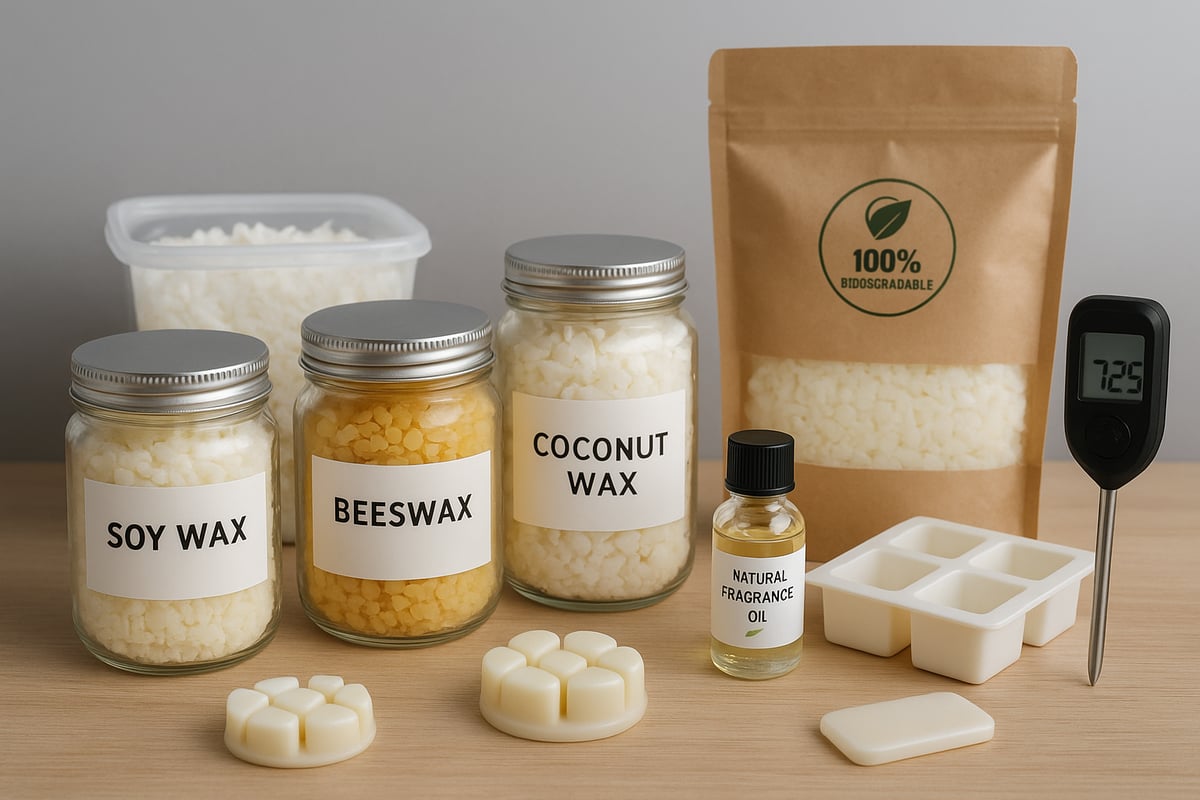
When evaluating wax for making wax melts, several key attributes should guide your choice:
- Fragrance Load: The capacity of a wax to hold and release fragrance oils determines scent strength and longevity.
- Melting Point: Select a wax with a melting point compatible with your chosen warmer and local climate, ensuring safe and effective use.
- Texture and Appearance: Smooth, creamy waxes produce visually appealing melts and are easier to work with.
- Mould Release: A wax that releases cleanly from moulds saves time and reduces waste.
Here's a quick comparison of popular wax types:
| Wax Type | Fragrance Load | Melting Point | Texture/Smoothness |
|---|---|---|---|
| Soy | High | Medium | Smooth |
| Beeswax | Medium | High | Firm |
| Rapeseed | High | Low | Soft |
| Coconut | Very High | Low | Creamy |
Assessing each quality ensures your wax for making wax melts performs well both aesthetically and functionally.
Safety and Health Considerations
Safety is paramount when choosing wax for making wax melts, especially for use in family homes. Always check for allergen information and ensure products comply with UK and EU labelling regulations. A low-emission wax helps maintain healthy indoor air quality.
Many consumers now seek vegan and cruelty-free options. Look for waxes with clear certifications, as these meet rigorous standards for ethical sourcing and manufacturing.
Using the right wax for making wax melts also reduces the risk of irritation or adverse reactions, making your products suitable for a wider audience.
Sustainability and Ethical Sourcing
Sustainability has become a defining factor in selecting wax for making wax melts. Choose waxes derived from renewable resources and those that are biodegradable. Certifications such as RSPO (for palm alternatives), Fairtrade, and Soil Association Organic indicate responsible sourcing.
Consumer demand for transparency and traceability is growing. Eco-conscious buyers appreciate brands that disclose sourcing practices and environmental impact. As highlighted in the Sustainability in Fragrance Wax Melts report, the shift towards sustainable waxes is shaping the future of the market and influencing purchasing decisions.
Cost and Availability in 2026
Budget remains an important factor when selecting wax for making wax melts. Prices differ significantly between types. Soy and rapeseed waxes, now more prevalent due to local production, often present a balance of cost and performance. Beeswax and coconut wax tend to be pricier, reflecting their unique properties and supply chain complexities.
Recent supply chain changes, shaped by Brexit and global trade shifts, have encouraged UK makers to prioritise locally sourced waxes. This move not only stabilises prices but also supports regional economies.
Choosing a cost-effective wax for making wax melts does not mean compromising on quality or sustainability.
Matching Wax to Your Brand or Personal Preferences
Your brand identity or personal ethos should influence your choice of wax for making wax melts. Artisanal producers may favour unique blends or premium waxes that tell a story, while mass-market brands might prioritise consistency and scalability.
Consider how the wax aligns with your values—such as supporting local agriculture, prioritising vegan ingredients, or celebrating regional scents. Small business case studies show that leveraging distinctive wax blends can set your products apart in a crowded market.
Ultimately, the right wax for making wax melts should reflect both your practical requirements and the narrative you wish to share with your customers.
Step-by-Step Guide: Making Wax Melts with the Best Wax
Creating your own wax melts is both rewarding and straightforward when you follow the right steps. Whether you are a beginner or an experienced crafter, using the best wax for making wax melts ensures optimal results, from scent throw to finish. Below, explore each stage of the process, including equipment, ingredient preparation, and packaging, all tailored for 2026's standards.
Step 1: Gathering Materials and Equipment
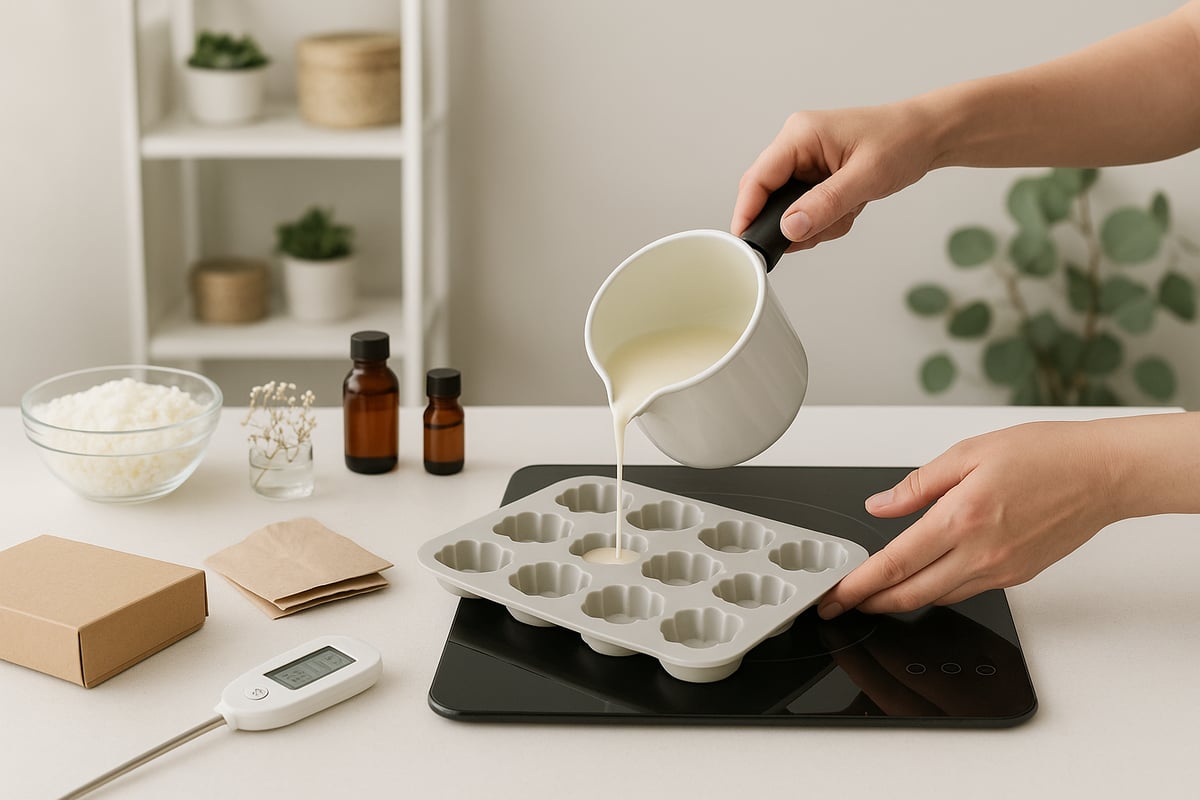
To start, assemble all the essential tools and ingredients needed for wax for making wax melts. Having everything ready ensures a smooth workflow and safer crafting experience.
Essential Tools:
- Melting pot or double boiler
- Digital thermometer
- Heat-resistant spatula
- Silicone or polycarbonate moulds
- Safety gloves and protective eyewear
Ingredients:
- High-quality wax for making wax melts (soy, beeswax, rapeseed, or blends)
- Fragrance oils, essential oils, or natural botanicals
- Optional: colourants, mica, or dried flowers
When selecting your wax for making wax melts, prioritise sustainability and ingredient quality. For those interested in eco-friendly and natural options, consult the All natural wax melts guide for detailed insights into responsible wax choices.
Set up your workspace on a stable, heat-proof surface with good ventilation. Lay out your tools within easy reach and keep a fire extinguisher nearby for safety.
Step 2: Measuring and Preparing Ingredients
Accurate measurement is vital for the best wax for making wax melts. Begin by weighing your chosen wax and fragrance oils using digital scales for precision.
Standard Ratios for Popular Waxes:
Soy Wax:      100g wax + 8–10g fragrance oil
Beeswax:      100g wax + 6–8g fragrance oil
Blends:       Adjust based on manufacturer guidance
Calculate the total volume you need based on your mould size and batch quantity. Always read manufacturer instructions for your specific wax for making wax melts, as different waxes have unique fragrance load capacities.
Prepare all additives in advance. If using botanicals or colourants, portion them before melting begins. This preparation streamlines the process and ensures even distribution throughout your wax for making wax melts.
Take care to label all containers, especially if making multiple scents or batches. This step helps prevent mix-ups and ensures compliance with safety standards later.
Step 3: Melting and Mixing the Wax
Begin by gently heating your wax for making wax melts using a double boiler or melting pot. Avoid direct heat, as this can scorch the wax or affect fragrance quality.
Monitor the temperature closely with a digital thermometer. Most soy wax for making wax melts melts between 70–80°C, while beeswax requires a slightly higher temperature. Stir occasionally to promote even melting and prevent hot spots.
Once fully melted and clear, it's time to add colourants if desired. Sprinkle mica or liquid dye into the wax for making wax melts while stirring steadily. Ensure all additives dissolve completely for a smooth finish.
If you are using botanicals, add them now, but avoid overloading the wax for making wax melts, as this can affect performance and appearance. Consistent mixing is crucial for achieving even colour and texture throughout the batch.
Step 4: Adding Fragrance and Pouring into Moulds
Timing is key when adding fragrance to your wax for making wax melts. Wait until the wax cools to the optimal fragrance temperature, usually between 60–65°C for soy and most blends.
Add fragrance oil slowly, stirring gently for at least two minutes to ensure thorough incorporation. This step maximises scent throw and prevents fragrance from evaporating too quickly.
Pour the scented wax for making wax melts carefully into clean, dry moulds. Use a steady hand to avoid spills and bubbles. For best results, tap the moulds lightly to release trapped air and create a smooth surface.
If you wish to layer colours or create marble effects, pour in stages and use a skewer to swirl the wax for making wax melts. This technique adds visual interest without compromising performance.
Step 5: Cooling, Unmoulding, and Curing
Allow your wax for making wax melts to cool undisturbed at room temperature. Avoid moving moulds during this phase, as it can cause surface imperfections or cracks.
Typical Cooling Times:
- Soy wax: 2–3 hours
- Beeswax and blends: 3–4 hours
Once completely set, gently unmould your wax for making wax melts. If you encounter resistance, place the moulds in the fridge for a few minutes to help release the melts.
For optimal scent performance, cure your wax for making wax melts for at least 48 hours before use. This curing period allows fragrance and wax to bind, resulting in stronger, longer-lasting scent throw.
Should you notice frosting, sweating, or cracks, adjust your pouring temperature or curing environment. These issues are common and often resolved with minor process tweaks.
Step 6: Packaging and Storing Wax Melts
Quality packaging preserves the freshness and scent of your wax for making wax melts. Choose packaging that is airtight, eco-friendly, and aligns with your brand values.
Popular Packaging Options:
| Option | Features | Eco Rating |
|---|---|---|
| Glass jars | Reusable, premium look | High |
| Biodegradable bags | Compostable, lightweight | Very high |
| Recyclable boxes | Customisable, sturdy | High |
Label each pack of wax for making wax melts with fragrance details, allergen info, and safety instructions to comply with CLP regulations.
Store wax for making wax melts in a cool, dry location away from direct sunlight. Proper storage prevents premature melting and preserves fragrance intensity, ensuring your wax for making wax melts perform at their best when used.
Advanced Tips and Troubleshooting for Wax Melt Makers
Creating the perfect wax for making wax melts requires more than just choosing quality ingredients. Even experienced makers encounter challenges as they strive for strong scent throw, flawless appearance, and consistent performance. This section shares expert strategies and troubleshooting advice to help you master the craft and elevate your results in 2026.
Enhancing Scent Throw and Longevity
Maximising scent performance is central to choosing wax for making wax melts. To achieve a robust fragrance that lasts, start by selecting a wax type with a high fragrance load capacity. Soy wax and coconut blends are especially effective for holding scent.
Consider these tips to boost scent throw:
- Use high quality, concentrated fragrance oils suitable for wax melts.
- Allow wax to cool slightly before adding fragrance, ensuring optimal binding.
- Test different ratios, as excessive oil can sometimes weaken performance.
- Cure finished melts for at least 48 hours to develop full scent.
Blending essential oils or using fixatives, such as benzoin resin, can further enhance depth. For more on soy wax benefits, read this Soy wax for melts and candles guide.
Common Wax Melt Problems and Solutions
Even with the best wax for making wax melts, issues like poor scent throw, surface frosting, or cracking can arise. Identifying and solving these problems ensures a high quality product.
| Problem | Cause | Solution |
|---|---|---|
| Weak scent | Low fragrance load, poor oil quality | Increase load, use premium oil |
| Frosting | Rapid cooling, soy wax crystallisation | Cool gradually, stir gently |
| Cracking | Pouring too hot, quick temperature drops | Lower pour temp, insulate moulds |
| Sweating | Excess fragrance, humid storage | Reduce oil, store in cool, dry place |
If mould release is difficult, use flexible silicone moulds and allow melts to fully set before removing. Regularly review your process to catch any recurring issues with your wax for making wax melts.
Experimenting with Colours, Shapes, and Additives
Innovation is thriving in wax for making wax melts, with makers exploring new colours, shapes, and finishes. Safe, cosmetic grade dyes and micas produce vibrant hues, while botanicals and biodegradable glitter add visual interest.
Popular trends in 2026 include:
- Geometric, marble, and layered wax melt designs
- Incorporating dried flowers or herbs for texture
- Novelty shapes inspired by local culture, such as Scottish thistles
Always test additives for compatibility with your chosen wax for making wax melts. Avoid overloading with botanical elements, as this can affect mould release and scent performance.
Scaling Up: From Hobbyist to Small Business
Transitioning from hobbyist to business with wax for making wax melts involves scaling production, ensuring compliance, and building a brand. Bulk sourcing of wax and fragrance oils is essential for cost management.
Stay informed about UK regulations on labelling, allergens, and product safety. Packaging should protect the melts, maintain fragrance, and reflect your brand identity.
According to recent UK Wax Melts Market Growth Statistics, demand continues to rise, offering opportunities for both established brands and newcomers. Focus on quality, consistency, and customer engagement to stand out in a crowded market.
Future Trends in Wax for Wax Melts: 2026 and Beyond
The landscape of wax for making wax melts continues to evolve rapidly as we move into 2026 and beyond. With consumer expectations shifting towards sustainability, innovation, and safety, the next wave of advancements is set to reshape the industry. Let us explore the key future trends that will define the market for wax for making wax melts over the coming years.
Innovations in Wax Technology
Innovation is at the heart of the future of wax for making wax melts. Manufacturers are investing in the development of new plant-based and synthetic waxes designed to meet rising demands for sustainability and performance. Expect to see lab-created waxes with custom melting points, allowing for more precise scent release and improved safety.
The integration of enhanced scent retention technologies is also becoming standard. This means wax for making wax melts will deliver longer-lasting fragrance experiences. Many of these new formulations focus on eco-friendly ingredients, minimising environmental impact without compromising quality.
Significant growth in vegan and cruelty-free waxes is being driven by consumer awareness. For an in-depth look at this trend, see the Vegan Wax Market Trends and Forecast, which explores the rise of plant-based options and their applications in the home fragrance sector.
Sustainability and Consumer Preferences
Sustainability is now a non-negotiable factor in the selection of wax for making wax melts. UK consumers are increasingly seeking zero-waste and plastic-free packaging, with many brands responding through innovative, refillable, and reusable wax melt systems.
Recent data shows that 75 percent of UK consumers prefer eco-friendly wax melt products. This shift is not just about packaging but also about the sourcing of raw materials. Locally produced waxes, such as rapeseed, are gaining traction due to their low carbon footprint and traceability.
Brands are also exploring biodegradable blends and compostable packaging to further reduce environmental impact. The future of wax for making wax melts will be shaped by transparent supply chains and a clear commitment to sustainable practices.
Market Outlook and Business Opportunities
The outlook for wax for making wax melts is exceptionally positive. Market analysts project robust growth between 2026 and 2030, driven by innovation and changing consumer habits. Small brands and bespoke producers are well-positioned to capitalise on this growth by offering unique blends and locally inspired fragrances.
There is a growing trend of collaboration between artisans and established fragrance houses, resulting in distinctive, high-quality wax melts. The demand for customisation and storytelling is pushing brands to differentiate through their choice of wax and scent profiles.
As the market expands, opportunities abound for businesses willing to invest in research, sustainable sourcing, and creative branding. The next few years promise a dynamic, competitive environment for those specialising in wax for making wax melts.
Regulatory and Safety Developments
Regulatory frameworks for wax for making wax melts are evolving to address both consumer safety and environmental concerns. The UK and EU are updating fragrance and labelling laws, with stricter requirements on allergen disclosure and product traceability.
Environmental regulations are also impacting the sourcing and composition of wax. For example, the use of paraffin wax is increasingly scrutinised due to health and sustainability questions, as detailed in the Paraffin Wax Market Analysis Report.
Producers must stay informed of these changes to ensure compliance and maintain consumer trust. Preparing for future regulations will be essential for anyone working with wax for making wax melts, especially as transparency and safety become industry standards.
As you've explored the ins and outs of choosing the perfect wax for your wax melts in 2026, you can see how much the right ingredients and craftsmanship matter. At Love Scottish, we bring together years of expertise in scent creation and traditional hand pouring, ensuring every product captures the unique spirit of Scotland. If you're feeling inspired to elevate your home fragrance or want to experience expertly crafted scents for yourself, why not take a look at our festive collection? Discover beautifully scented seasonal favourites here:
Shop Christmas Candles