

The Essential Guide to Wax for Wax Melts in 2026
Are you ready to transform your home’s ambience with wax melts, but unsure which wax for wax melts will give you the best results in 2026?
This essential guide is designed to simplify your choices, offering expert advice to help you select the perfect wax for scent, safety, and sustainability.
Discover the latest wax options, innovative blends, and eco-friendly trends shaping the future of wax melts. Learn what makes each type unique and gain step-by-step guidance to ensure your home fragrance journey is both rewarding and future-proof.
Understanding Wax Melts and Their Appeal
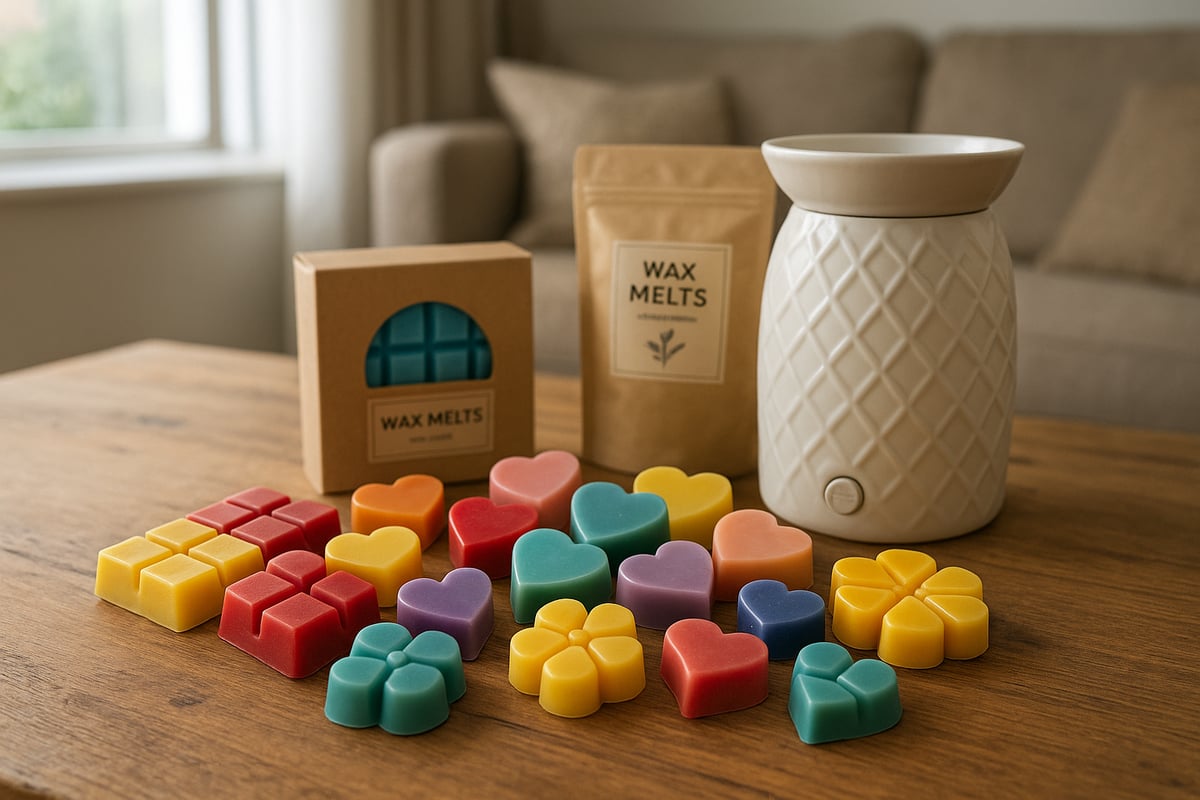
Wax melts have become a defining trend in UK home fragrance, offering a modern way to scent living spaces without the open flame of traditional candles. Over the past decade, wax for wax melts has evolved from a niche craft to a mainstream favourite, captivating both casual users and scent enthusiasts.
The Evolution of Wax Melts
Wax melts first gained traction as a safer, flameless alternative to candles, especially in homes with children or pets. Unlike candles, they do not burn a wick; instead, they gently melt in a warmer, releasing fragrance steadily into the air.
This difference brings several unique advantages:
- No open flame, reducing fire risk
- Customisable scents and shapes
- Easy to blend and layer fragrances
- Reusable and often longer-lasting than candles
The UK market for wax for wax melts has seen extraordinary growth, with home fragrance sales continuing to rise. According to recent UK wax melts market growth reports, demand has surged, driven by eco-conscious consumers and a desire for bespoke, artisan products.
Wax melts are now viewed as a sustainable home living choice. Many brands emphasise plant-based ingredients, minimal packaging, and cruelty-free practices. In 2026, consumers are seeking not just beautiful scents, but also ethical sourcing and environmental responsibility.
The appetite for custom and artisan wax melts has expanded, with buyers favouring unique blends, hand-poured batches, and locally inspired fragrances. This shift reflects a broader trend towards personalisation and mindful consumption.
How Wax Type Impacts Performance
The choice of wax for wax melts is crucial, as it directly affects the scent throw, burn time, and visual appeal of the product. Each wax type brings distinct properties that influence the user experience.
For example, soy wax offers a slow, gradual scent release, making it ideal for those who prefer a subtle, lingering aroma. Paraffin wax, in contrast, is known for its powerful scent throw and vibrant colour retention, but it is less sustainable.
Key performance factors include:
- Scent throw and fragrance compatibility: Some waxes pair better with essential oils, while others excel with synthetic fragrances.
- Burn time and melting point: A lower melting point, like that of soy wax, ensures a gentle release, whereas beeswax or paraffin may last longer but require higher temperatures.
- Mould release and ease of handling: The composition of wax for wax melts determines how easily finished products pop out of moulds, impacting production efficiency.
- Appearance and colour retention: Waxes like gel or palm can offer unique finishes, from transparency to crystalline effects.
Consumer surveys in 2026 highlight a strong preference for natural, plant-based waxes, with many users citing health, safety, and environmental reasons for their choices. Ultimately, selecting the right wax for wax melts ensures a balance of fragrance quality, safety, and sustainability.
Types of Wax for Wax Melts in 2026
Choosing the right wax for wax melts is essential for achieving the perfect scent, appearance, and eco-profile. In 2026, makers and consumers have more options than ever, each with unique advantages and considerations. Let us explore the main types of wax for wax melts and what sets them apart in the current market.
Soy Wax
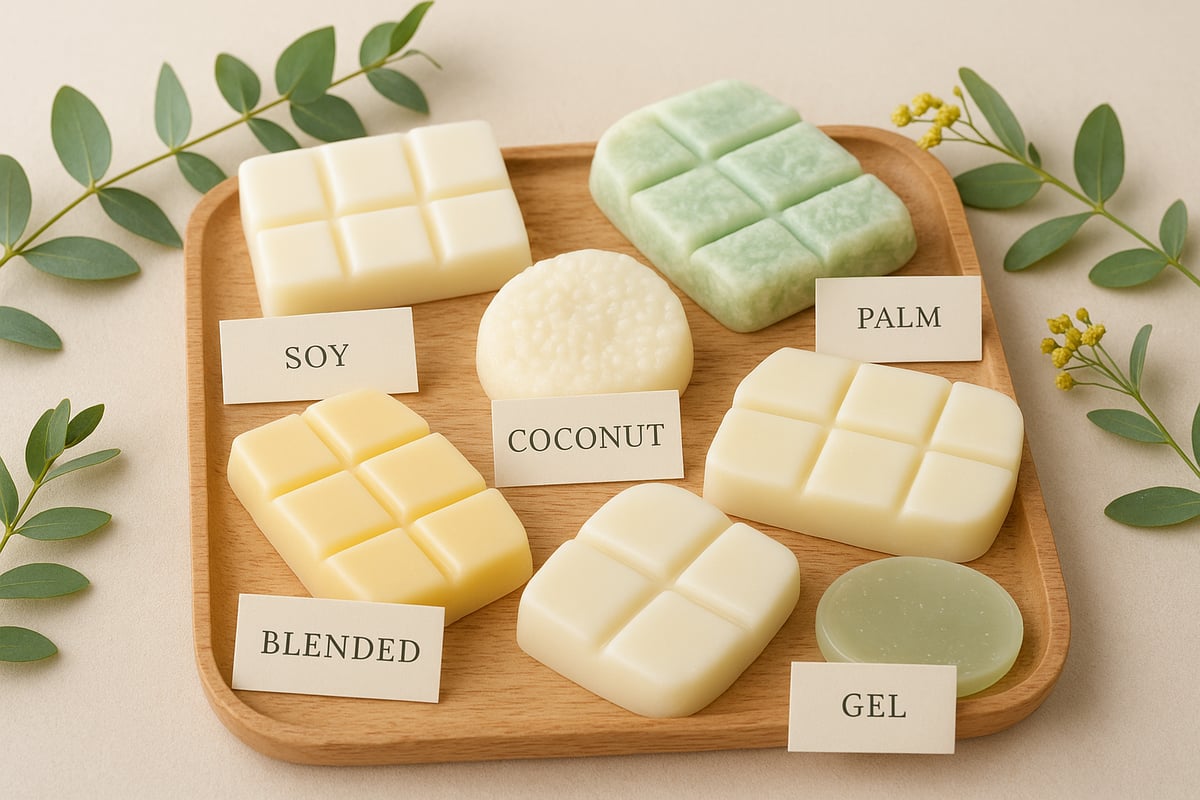
Soy wax for wax melts is derived from soybeans, making it a leading choice for those seeking a natural and biodegradable option. Its lower melting point allows for a gradual and consistent scent release, which is highly valued by both artisans and eco-conscious consumers.
Golden Wax 494 and KeraSoy Pillar KW4120 are popular examples, widely used for their reliable performance. In 2025, soy wax was the most popular choice for UK wax melt makers, reflecting its clean burn, strong scent throw, and ease of colouring. However, it can be soft, sometimes requiring blending for added firmness.
For a deeper look at the differences between waxes, you might find this Wax for candle making explained guide helpful.
Beeswax
Beeswax for wax melts is harvested from honeycombs, offering a natural and renewable resource. It has a high melting point, which results in a longer, slower fragrance release. Beeswax naturally emits a subtle, sweet aroma, adding depth to any fragrance blend.
This wax for wax melts is often used in premium and luxury melts, thanks to its clean properties and beautiful natural colour. Be mindful that beeswax can cause allergic reactions for some individuals, so always check ingredients if you have sensitivities. Its market share in artisan melts is small but growing, catering to those who value purity and tradition.
Coconut Wax
Coconut wax for wax melts is celebrated for its sustainability and scent retention. It is typically blended with soy for added stability, as pure coconut wax is too soft to use alone. Coconut blends offer a low melting point, which enhances fragrance diffusion while providing a smooth, creamy finish.
In 2026, sustainable sourcing is a top trend, making coconut wax a favourite for premium, soft-textured wax melts. While its eco-friendly credentials are strong, remember that blends are usually required for firmness and usability.
Palm Wax
Palm wax for wax melts stands out with its slow burn and strong scent throw. Its distinctive crystalline appearance adds visual appeal, making it popular for decorative and long-lasting melts. However, sustainability concerns around palm oil production have led to a decline in its use.
In response, RSPO-certified palm waxes are becoming more common, offering assurance of ethical sourcing. As eco-awareness grows, more makers are seeking alternatives, but palm wax remains a choice for those prioritising burn time and unique aesthetics.
Paraffin Wax
Paraffin wax for wax melts is a classic, cost-effective option, known for its excellent scent throw and ability to hold vibrant colours. It has a high melting point and is widely used in commercial wax melts due to its affordability and performance.
However, paraffin is non-renewable and not biodegradable, raising environmental and health concerns. Some consumers are shifting away from paraffin because of its emission of volatile organic compounds (VOCs), but it remains a popular choice for those prioritising value and bold fragrance.
Gel Wax
Gel wax for wax melts offers a transparent base, perfect for creative and colourful designs. Its high melting point leads to long-lasting melts, and its unique look appeals to those who enjoy novelty and decorative home fragrance options.
Made from mineral oil, gel wax is not considered eco-friendly and can release toxins when heated. As a result, its use is limited to niche markets, where visual impact is the main priority over sustainability.
Blended and Innovative Waxes in 2026
In 2026, the market for wax for wax melts is seeing a surge in blended and innovative waxes. Popular combinations include soy-coconut and soy-beeswax blends, offering improved scent throw, better mould release, and enhanced sustainability.
Plant-based innovations are on the rise, with biodegradable additives and vegan-friendly blends leading the way. Custom blends are particularly popular among private label and artisan brands, giving makers more control over performance and eco-credentials.
Comparison Table: Key Properties of Wax for Wax Melts
| Wax Type | Scent Throw | Melting Point | Sustainability | Appearance | Notable Use |
|---|---|---|---|---|---|
| Soy | Strong | Low | High | Opaque, smooth | Artisan, eco-friendly |
| Beeswax | Subtle | High | Medium | Yellow, natural | Luxury, hypoallergenic |
| Coconut | Moderate | Low | High | Creamy, smooth | Premium, blended |
| Palm | Strong | Medium | Varies | Crystalline | Decorative, long-lasting |
| Paraffin | Very strong | High | Low | Bright colours | Commercial, value |
| Gel | Moderate | High | Low | Transparent | Novelty, decorative |
| Blended | Custom | Custom | High | Varies | Artisan, private label |
With all these options, selecting the ideal wax for wax melts in 2026 means balancing scent, sustainability, and style. Whether you are a hobbyist or a professional, focusing on the unique strengths of each wax type will help you achieve the best results.
Key Factors in Choosing the Right Wax
Selecting the ideal wax for wax melts is more than a matter of preference. Each type of wax delivers unique benefits, challenges, and qualities that determine the overall experience. To make an informed choice, it is essential to consider the following key factors, ensuring your wax for wax melts aligns with your needs and values.
Scent Throw and Fragrance Compatibility
The scent throw of wax for wax melts refers to how effectively it disperses fragrance throughout a space. Soy wax offers a smooth, gradual release, perfect for subtle, lingering aromas. Paraffin, on the other hand, is prized for its powerful scent throw, making it popular for bold fragrances.
Wax for wax melts must also be compatible with your chosen fragrance oils. Soy wax pairs especially well with essential oils, while paraffin works best with synthetic blends. Always check the recommended fragrance load for your wax to avoid issues like sweating or poor scent diffusion.
Mould Release and Ease of Use
Efficient mould release is essential when working with wax for wax melts. Waxes like soy and coconut are known for their natural shrinkage, making demoulding straightforward. However, paraffin’s rigidity ensures shapes hold well and release cleanly.
Additives such as Vybar 3451 can improve release and texture, especially in commercial production. When choosing wax for wax melts, consider whether you need additives for easier handling or if you prefer a pure, natural blend. Ease of use impacts both the final appearance and the speed of production.
Melting Point and Burn Time
Melting point plays a significant role in the performance of wax for wax melts. Soy wax melts at a lower temperature, providing a gentle, controlled fragrance release that is safe for most home warmers. Paraffin and beeswax have higher melting points, offering longer-lasting melts but requiring higher heat for effective scent release.
Burn time is also influenced by wax type. A higher melting point can prolong the life of your wax for wax melts, but may not be compatible with all warmers. Consider your home environment and warmer type to ensure the wax you select performs optimally.
Appearance and Colour Retention
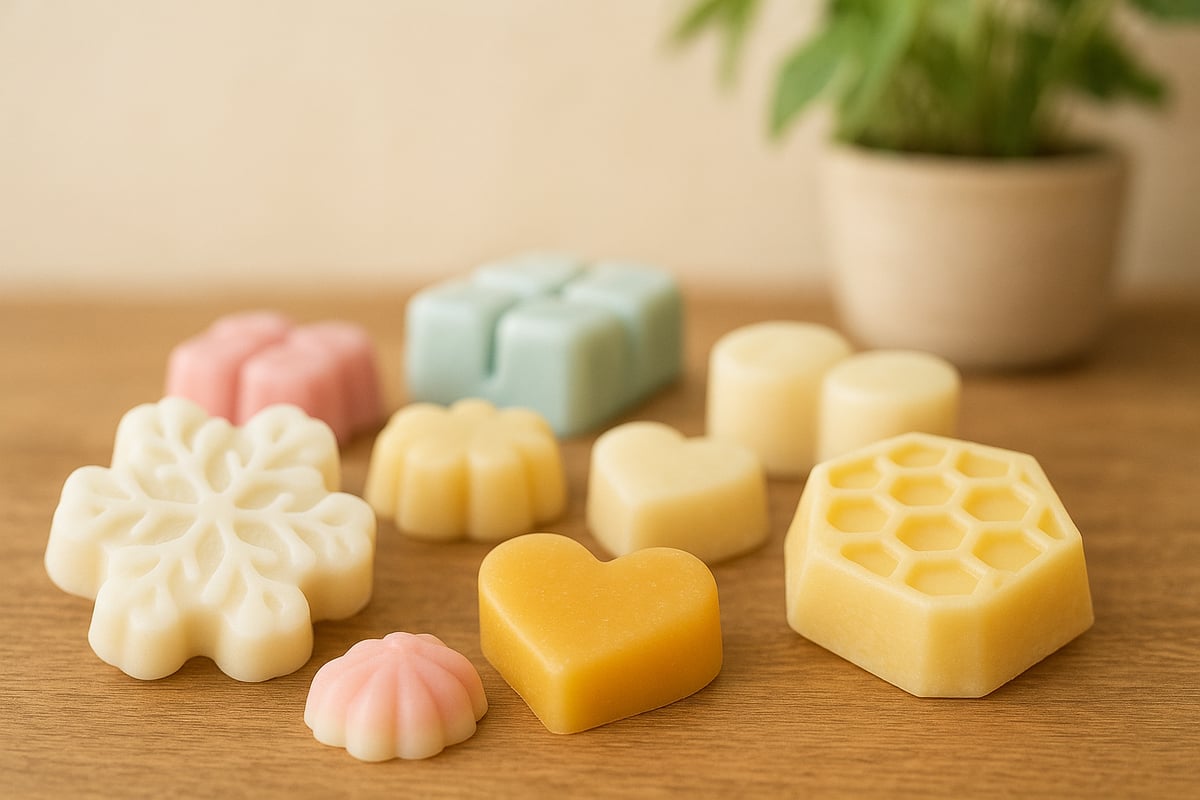
Aesthetics are vital when it comes to wax for wax melts. Soy wax delivers a smooth, creamy finish and takes dyes well, resulting in vibrant colours. Palm wax creates a crystalline effect, adding visual interest to decorative melts.
Gel wax offers complete transparency, ideal for novelty designs, while paraffin ensures a glossy, professional look. Colour retention is influenced by both wax and dye quality, so select a wax for wax melts that matches your design goals and maintains its appearance over time.
Sustainability and Eco-Friendliness
Sustainability is increasingly important in the choice of wax for wax melts. Plant-based options such as soy, coconut, and RSPO-certified palm are favoured for their renewable origins and lower environmental impact. Certifications like vegan, cruelty-free, and organic provide further assurance.
For a deeper dive into sustainable choices, the Sustainable wax options for melts guide offers valuable insights on natural and eco-friendly wax types. Choosing the right wax for wax melts ensures your home fragrance is both enjoyable and environmentally responsible.
Cost and Availability
Budget and ease of sourcing are practical considerations when selecting wax for wax melts. Soy and paraffin are widely available and cost-effective for both hobbyists and large-scale makers. Beeswax and coconut wax, while premium, offer unique benefits and are often used in artisan melts.
Bulk buying can reduce costs, but always assess the quality and origin of the wax. Accessibility varies by region, so choose wax for wax melts that meets your needs and is readily available in your area.
Step-by-Step Guide: Making Wax Melts with the Best Wax
Ready to create your own stunning wax melts? This step-by-step guide will lead you through the entire process, ensuring you choose the best wax for wax melts and achieve professional results every time.
Step 1: Selecting Your Wax and Fragrance
The foundation of any quality wax melt is the wax itself. Choosing the right wax for wax melts affects scent throw, burn time, and eco-credentials. Popular options in 2026 include soy, coconut, beeswax, and premium blends, each offering unique benefits for home fragrance.
Think about the scents you wish to use. Some waxes blend better with essential oils, while others excel with synthetic fragrances. Blending different waxes can enhance performance, giving you the best of both worlds.
For a tailored experience, match your wax for wax melts to your fragrance type and personal sustainability priorities.
Step 2: Preparing Materials and Workspace
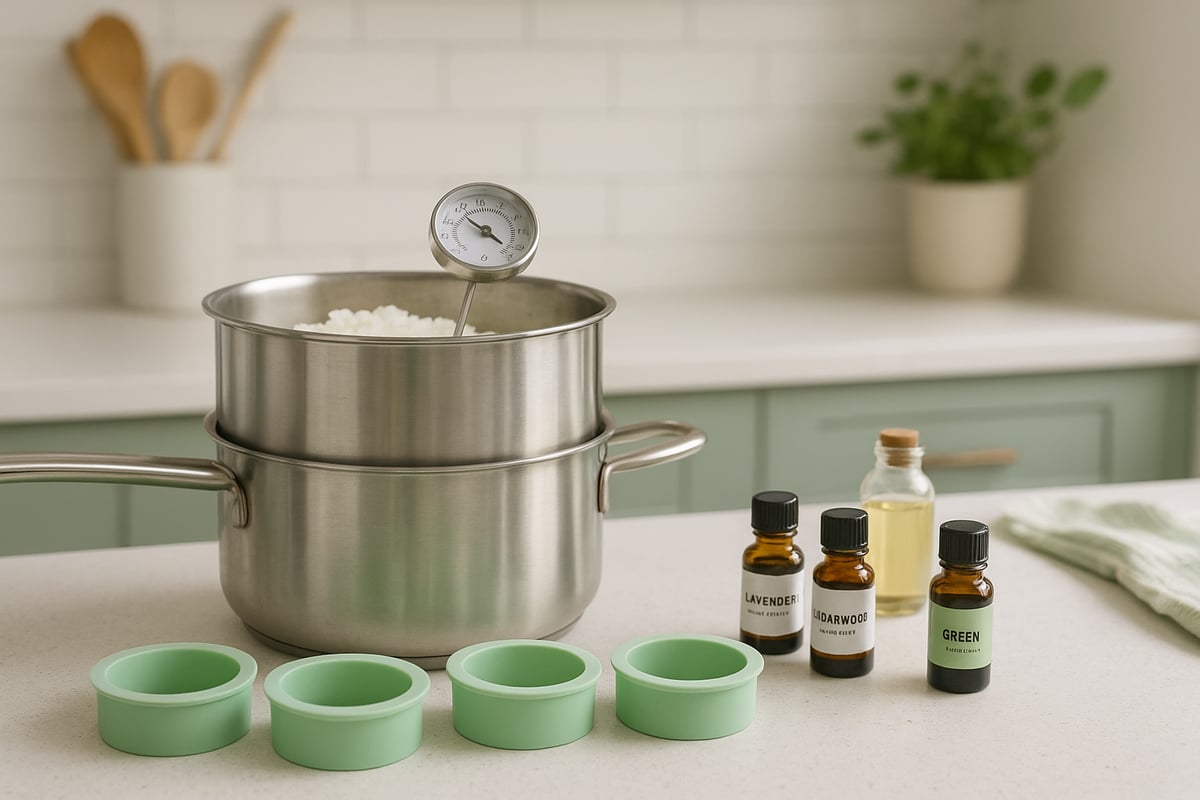
Before you begin, gather all necessary tools to ensure a smooth process. Working with wax for wax melts requires precision and safety.
Essentials include:
- A double boiler or wax melter
- Digital thermometer
- Silicone or polycarbonate moulds
- Stirring utensils
- Accurate scales
- Protective gloves and apron
- Fragrance oils and dyes
Set up your workspace in a well-ventilated, clutter-free area. Always keep your work surface clean and have a damp cloth ready for spills. Safety comes first when handling hot wax for wax melts.
Step 3: Melting and Mixing
Each type of wax for wax melts melts at a different temperature. For example, soy wax typically melts at around 70°C, while paraffin may require closer to 80°C. Beeswax and coconut blends may differ, so always refer to manufacturer guidelines.
Here is a quick reference table:
| Wax Type | Melting Point (°C) |
|---|---|
| Soy | 70 |
| Paraffin | 80 |
| Beeswax | 62–65 |
| Coconut | 45–50 (blended) |
Add your chosen fragrance and dye when the wax cools slightly, usually between 60–65°C for soy. This helps retain maximum scent. For detailed melting advice, see the melt point of soy wax for optimal results.
Step 4: Pouring and Setting
Pour your wax for wax melts slowly and steadily into prepared moulds. This minimises air bubbles and ensures a smooth surface. Fill each cavity nearly to the top, leaving a small gap for expansion.
Allow the wax to set undisturbed at room temperature. Cooling times vary by wax for wax melts, but most require at least a few hours. Avoid moving the moulds until the wax is fully solidified to maintain shape and sheen.
Step 5: Demoulding and Curing
Once your wax for wax melts has fully set, gently flex the moulds to release the melts. If you experience resistance, place the mould in the fridge for a few minutes to help with release.
Curing is crucial for optimal scent. Soy wax usually needs 24–48 hours, while paraffin-based wax for wax melts can be used within a few hours. Store your finished melts in airtight containers away from direct sunlight to preserve fragrance and appearance.
Step 6: Troubleshooting Common Issues
If your wax for wax melts develops frosting, sweating, or cracking, small adjustments can make a big difference. Frosting often occurs with soy wax and can be reduced by pouring at slightly lower temperatures.
Sweating may result from excess fragrance oil—use precise measurements. Cracking can stem from rapid cooling, so let your wax for wax melts cool gradually at room temperature.
For best results, keep detailed notes on your process and adjust ratios or temperatures as needed. Experimentation will help you master the art of wax for wax melts.
Trends and Innovations in Wax Melts for 2026
The world of wax for wax melts is evolving rapidly in 2026, driven by consumer demand for sustainability, customisation, and superior performance. New technologies and market shifts are shaping how we experience home fragrance, making it essential to stay informed about the latest trends.
Eco-Friendly and Sustainable Wax Choices
Sustainability is at the forefront when selecting wax for wax melts in 2026. Consumers are increasingly choosing biodegradable, plant-based waxes such as soy and coconut blends. These options offer a cleaner burn and a reduced environmental footprint.
There is a significant move towards vegan and cruelty-free waxes, with brands prioritising certified ingredients and transparent sourcing. For a deeper dive into the benefits and options available, explore this all natural wax melts guide which details eco-conscious choices and their impact on home fragrance.
Technological Advances in Wax Formulation
Innovation in wax for wax melts is transforming the market. Advanced additives are now used to improve scent throw and stability, ensuring fragrances last longer and disperse more effectively.
Smart waxes are making an entrance, featuring properties like colour-changing effects or self-extinguishing abilities for added safety. Formulators are also experimenting with new plant-based ingredients to enhance both performance and sustainability.
These advances mean that wax for wax melts is not only more effective but also safer and more versatile than ever before.
Customisation and Personalisation
Customisation is a defining trend for wax for wax melts in 2026. Consumers can now design bespoke scents, select unique shapes, and add natural botanicals or eco-glitters to their melts.
Artisan makers are offering private-label solutions and limited-edition collections, allowing customers to align their home fragrance with personal tastes or seasonal themes. This shift towards personalisation ensures every wax melt experience feels unique and special.
Market Data and Consumer Preferences
Market research shows a rising preference for natural wax for wax melts, with UK buyers increasingly favouring plant-based and locally made options. According to the latest global wax melts market analysis, the sector is experiencing strong growth, fuelled by demand for sustainable and customisable products.
Statistics indicate that over 70% of buyers now prioritise eco-friendly ingredients and artisan craftsmanship, highlighting a clear shift in consumer values.
Regulatory and Safety Updates
Regulation is evolving alongside innovation in wax for wax melts. Updated CLP labelling requirements ensure all products disclose allergens and safety information, protecting both makers and users.
There is also a growing emphasis on rigorous safety testing, particularly as new fragrance additives and wax blends enter the market. Transparency and compliance are now essential for brands wishing to earn consumer trust and stand out in a competitive landscape.
Sustainability and Ethical Considerations in Wax Selection
Selecting the right wax for wax melts is no longer just about fragrance or appearance. In 2026, sustainability and ethical choices are at the heart of consumer decision-making. Understanding these considerations helps ensure your wax for wax melts aligns with your values and delivers a cleaner, greener home fragrance experience.
Environmental Impact of Wax Production
The environmental footprint of wax for wax melts is shaped by how each wax is sourced and processed. Soy wax, for example, is plant-based and biodegradable, but large-scale soy farming can lead to monoculture and land use challenges. Beeswax is renewable but depends on healthy bee populations and ethical beekeeping.
Coconut wax is praised for its sustainability, as coconuts grow quickly and require fewer pesticides. Palm wax, while known for a strong scent throw, has been linked to deforestation unless certified by the RSPO. Paraffin wax relies on petroleum, making it non-renewable and high in carbon emissions.
Recent advances in sustainable farming and transparent RSPO certification are helping to address sourcing concerns. When choosing wax for wax melts, look for brands that prioritise responsible sourcing and reduced carbon impact. According to Europe wax melts market trends, the demand for eco-friendly waxes is driving innovation in greener production across the continent.
Health and Indoor Air Quality
The type of wax for wax melts you use directly affects your home's air quality. Paraffin wax can emit volatile organic compounds (VOCs) when melted, which some consumers wish to avoid. Gel wax, made from mineral oil, may release toxins under high heat.
Natural waxes, such as soy, coconut, and beeswax, tend to offer a cleaner burn with fewer emissions. However, beeswax may cause allergies in sensitive individuals, and certain fragrance additives can also trigger reactions.
Consumers increasingly seek non-toxic, hypoallergenic wax for wax melts to create a safe indoor environment. Reading product labels and choosing waxes tested for emissions is essential for peace of mind.
Certifications and Labelling
Certifications provide assurance about the ethical and environmental standards of wax for wax melts. Key certifications to look for include:
- RSPO (Roundtable on Sustainable Palm Oil) for sustainable palm wax
- Vegan and cruelty-free labels for plant-based and animal-friendly options
- Organic certification for waxes grown without harmful chemicals
Transparent ingredient labelling builds consumer trust, allowing you to make informed choices about the wax for wax melts you bring into your home. Always check for clear, honest information on packaging and company websites.
Supporting Local and Artisan Producers
Choosing locally made wax for wax melts supports small-batch makers and reduces the carbon footprint associated with long-distance transport. Artisan producers often use traditional techniques and focus on high-quality, sustainable ingredients.
Supporting these businesses boosts local economies and encourages ethical production practices. For example, browsing a wax melt collection overview can offer insight into the variety and craftsmanship available from regional brands. This approach also helps foster a connection between consumers and the makers behind their favourite scents.
Waste Reduction and Packaging Innovations
Sustainability in wax for wax melts extends beyond the wax itself. Packaging innovations are transforming the market, with a shift towards plastic-free, recyclable, and compostable materials. Many brands are now exploring refillable packaging and zero-waste solutions to further reduce environmental impact.
Ethical consumerism is on the rise, with recent data showing that 60% of UK buyers prioritise eco-friendly home fragrance products. These trends are pushing the industry to adopt greener practices at every stage, from sourcing to packaging.
By selecting wax for wax melts from brands that champion sustainability, you contribute to a cleaner planet and support the movement towards conscious, responsible home fragrance.
As you navigate the exciting world of wax melts and discover the best waxes for scent, sustainability, and style, it is only natural to want to experience these benefits first-hand in your own home. At Love Scottish, we pour our expertise and passion into every bespoke fragrance, using carefully chosen, eco friendly waxes that capture the essence of Scotland. If you are ready to bring warmth and character into your space, especially as the festive season approaches, why not explore our hand poured Christmas collection and find a scent that feels truly special this year
Shop Christmas Candles