

6 Surprising Facts About the Wax of Candle in 2026
When was the last time you considered the wax of candle as more than just a means to an end? Despite being the core of every candle, it often goes unnoticed in our daily lives. Yet, in 2026, groundbreaking innovations and scientific research have revealed astonishing truths about this essential material.
If you are passionate about home fragrance, crafting, or making eco-conscious choices, prepare to be surprised. Science-backed discoveries are transforming how we understand the wax of candle, reshaping both the industry and your home environment.
Keep reading to uncover six unexpected facts that will help you select better candles, improve air quality, and make smarter purchases. From sustainability breakthroughs and health impacts to technological leaps, the next sections will change the way you see every glowing flame.
The Evolution of Candle Wax: Past, Present, and Future
The wax of candle has shaped rituals, homes, and atmospheres for centuries. As we trace its journey from ancient civilisations to the innovations of 2026, the story reveals how science, culture, and sustainability have continually redefined what goes into every flickering flame.
Historical Origins and Traditional Uses
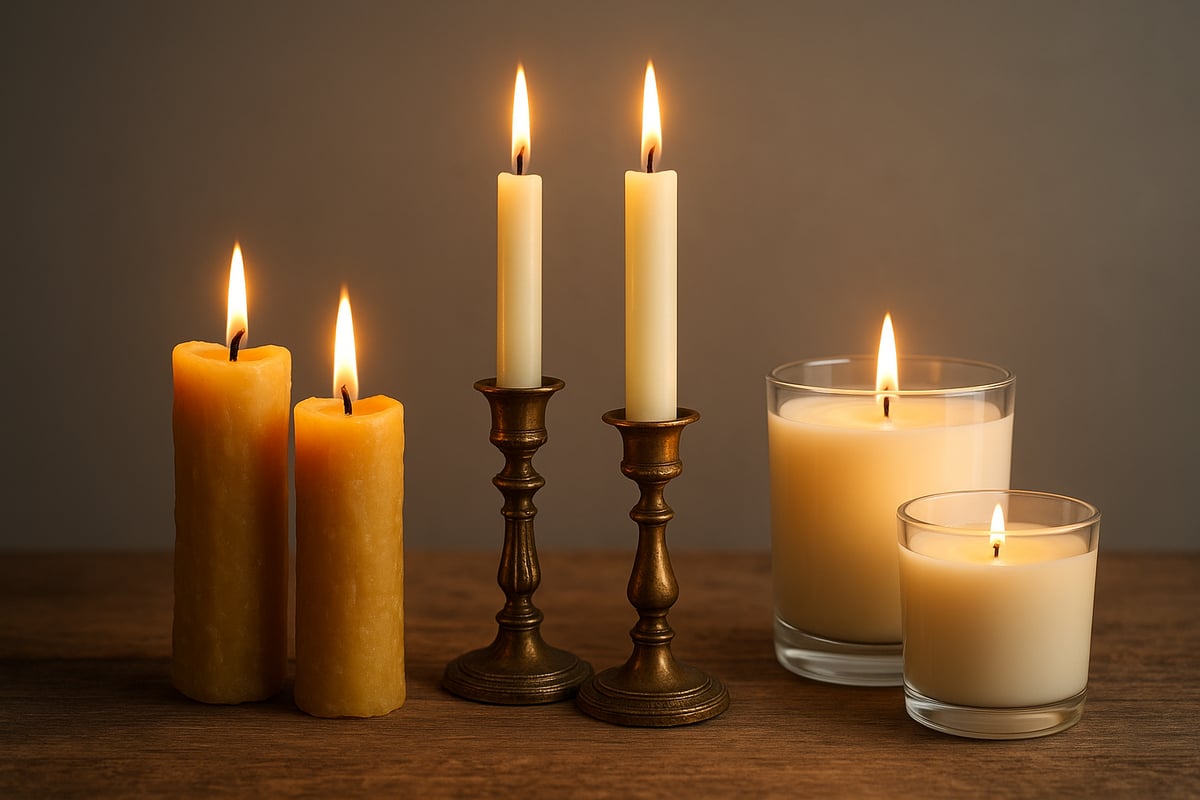
Long before the modern wax of candle, ancient societies relied on natural sources. Beeswax was treasured by Egyptians and Romans for its clean burn and pleasant scent. Tallow, rendered from animal fat, became the staple in medieval Europe, lighting homes and churches despite its smoky odour.
With the development of paraffin wax in the 19th century, the wax of candle became more accessible. Paraffin, derived from petroleum, quickly dominated the market due to its affordability and consistent performance. Candles played roles in religious ceremonies, festive rituals, and as essential household items.
Traditional candle making involved hand-dipping or moulding, a stark contrast to the automated, precision-controlled processes of today. The wax of candle has always reflected the resources and values of its time.
Modern-Day Wax Types and Innovations
Today, the wax of candle landscape is driven by sustainability, performance, and consumer health. Plant-based waxes like soy, coconut, and rapeseed have become popular for their renewable origins and clean-burning qualities. Palm wax is still used, though its production is now scrutinised for environmental impact.
Blended waxes combine the strengths of different materials, improving burn time, scent throw, and eco-friendliness. Gel wax, with its translucent appearance, has captured the decorative and novelty candle market.
According to recent studies, soy wax accounts for over 60% of home candle sales. The demand for non-toxic, clean-burning options has never been higher. For a deeper look at how these changes have shaped the industry, see this guide to candle making and wax types.
Looking Ahead: Candle Wax in 2026
By 2026, the wax of candle is set to become even more sustainable. Advances in biotechnology are producing lab-grown waxes with customisable properties. Biodegradable options and ethical sourcing are now industry standards.
Consumer awareness and new regulations are driving transparency. Circular economy practices such as wax recycling and upcycling are gaining traction. Experts predict that the wax of candle will continue to evolve, prioritising both environmental health and user experience.
The wax of candle stands at the intersection of tradition and innovation, promising a future where every candle tells a story of progress and responsibility.
6 Surprising Facts About the Wax of Candle in 2026
Candle enthusiasts and newcomers alike are often surprised by how much the wax of candle shapes their experience. In 2026, innovations and scientific research have completely changed what we know about the wax of candle, from its environmental impact to its role in wellbeing. Let us explore six remarkable facts that will transform your view of the wax of candle, helping you make better choices for your home and the planet.
1. Candle Wax is Now More Sustainable Than Ever
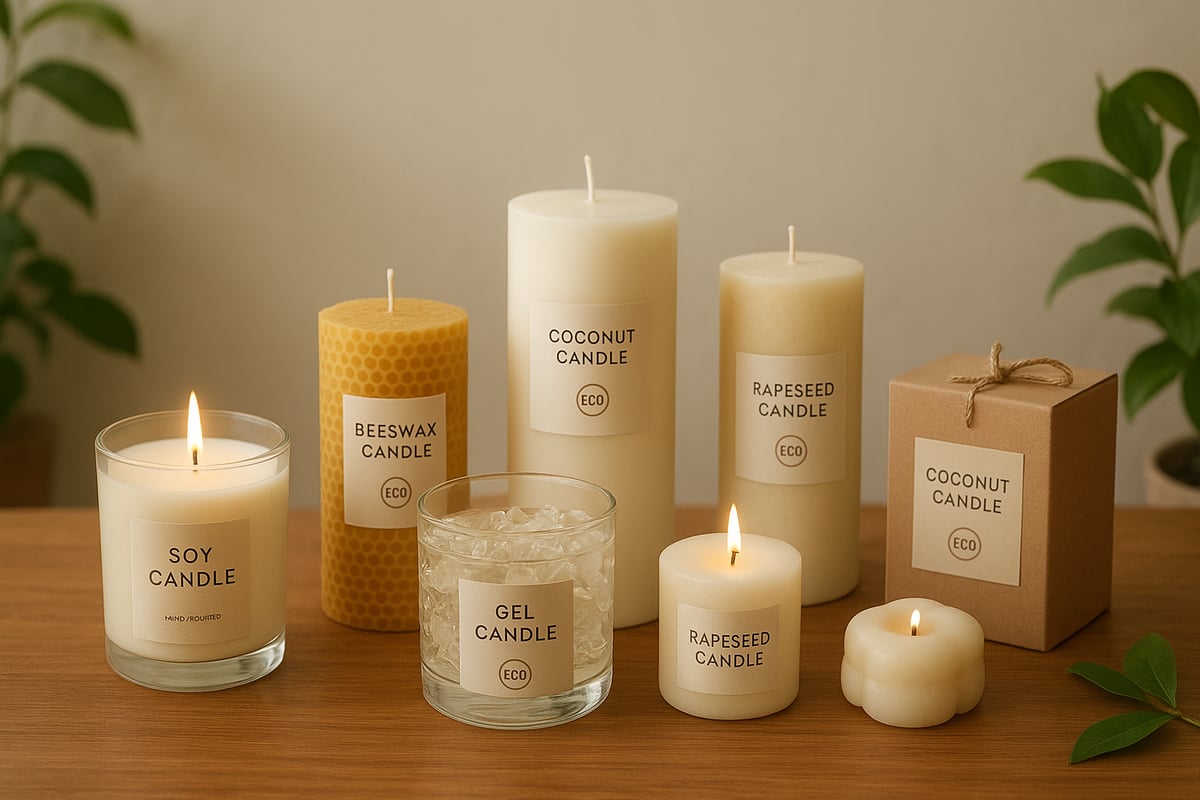
The wax of candle has undergone a dramatic transformation, with sustainability now at its core. In 2026, the majority of candle makers use plant-based and biodegradable waxes, responding to growing eco-consciousness among consumers. Soy, coconut, and rapeseed waxes are sourced from renewable crops, with ethical agriculture practices ensuring minimal impact on wildlife and local communities.
Palm wax, a once controversial option, is now strictly regulated. Producers are required to follow fair trade guidelines and prove their wax of candle is not contributing to deforestation. Circular economy practices are gaining traction, with many brands recycling and upcycling wax of candle from used products into new creations.
A striking example of this shift is that over 75% of new candle launches now feature certified sustainable wax. The use of paraffin wax, which is petroleum-based, has dropped by 40% since 2020. This change has significantly reduced the carbon footprint of the wax of candle, with positive effects on both the environment and indoor air quality.
If you are curious about the specific benefits of plant-based options, you may find this Soybean wax candle benefits guide helpful. It explains how soybean wax aligns with eco-friendly values and delivers a cleaner burn.
Today, choosing a candle means considering not only scent and style, but also the source and lifecycle of the wax of candle. This awareness empowers you to make choices that support both your wellbeing and the planet.
2. Wax Composition Directly Affects Indoor Air Quality
Recent research has made it clear: the wax of candle you select can have a profound impact on the air you breathe. Scientific studies in 2026 have shown that different waxes emit varying levels of soot, volatile organic compounds (VOCs), and particulates. Paraffin wax, for example, is known to release more indoor pollutants compared to its plant-based counterparts.
Beeswax and soy wax have been shown to produce fewer toxins and less soot when burned. This means that the wax of candle made from these ingredients is a healthier option for homes, especially where children, pets, or allergy sufferers are present. In fact, homes using plant-based wax of candle report 30% fewer air quality complaints compared to those using paraffin-based products.
The European Union and the UK have introduced new regulations, requiring clearer labelling of wax of candle ingredients. This transparency helps consumers make informed decisions about what they bring into their homes.
If you are seeking tips for cleaner burning, consider these points:
- Choose candles made from beeswax, soy, or rapeseed wax.
- Look for labels indicating non-toxic or low-VOC wax of candle.
- Avoid candles with heavy artificial scents or dyes, as these can increase emissions.
Ultimately, understanding the composition of the wax of candle allows you to create a healthier living environment for your family.
3. Technological Advances Have Transformed Candle Wax Properties
The wax of candle in 2026 is not just about tradition; it is about innovation. Modern candle makers have embraced technology to engineer wax blends that burn longer, cleaner, and more evenly. Nanotechnology is now commonly used to enhance scent diffusion and colour retention within the wax of candle, ensuring that both fragrance and appearance last throughout the candle’s life.
One of the most exciting developments is the rise of smart candles. These innovative products integrate sensors into the wax of candle, monitoring burn safety and performance. For example, gel waxes are now formulated to safely suspend botanicals and decorative items, without compromising the integrity or safety of the wax of candle.
Statistical data reveals that the average burn time of premium candles has increased by 20% since 2023. Candle makers are also innovating with wick designs to optimise combustion for different wax blends, further improving the experience.
Technology has brought a new level of customisation to the wax of candle, allowing artisans to experiment with textures, colours, and scent profiles. This fusion of science and creativity is redefining what consumers can expect from the wax of candle, making each candle a unique work of art.
4. Candle Wax Can Influence Mood and Wellbeing
It may surprise you, but the wax of candle plays a significant role in mood and wellbeing. Recent studies have shown that the type of wax used can amplify or soften the effects of aromatherapy, as certain waxes interact differently with fragrance oils.
Beeswax and soy wax candles are particularly valued for their ability to reduce stress and promote restful sleep. The wax of candle made from coconut enhances fragrance throw, creating a more immersive and relaxing environment. Wellness brands now market the wax of candle as part of a holistic approach to self-care, recognising its influence on emotional health.
A 2026 consumer survey found that 68% of people choose the wax of candle specifically for its emotional benefits. The popularity of natural waxes is closely linked to the rise in mindfulness and mental health awareness, as consumers seek products that align with their wellbeing goals.
If you are looking to harness the mood-boosting powers of the wax of candle, consider these recommendations:
- Choose beeswax for calming, purifying effects.
- Opt for coconut or soy wax to enhance fragrance diffusion and relaxation.
- Select scents that align with your desired emotional state, such as lavender for sleep or citrus for energy.
The wax of candle is now more than just a functional element; it is an important part of your daily wellness routine.
5. Not All “Natural” Wax is Created Equal
The term “natural” is everywhere in the candle industry, but not all wax of candle labelled as natural is truly eco-friendly or sustainable. Greenwashing has become a concern, with some brands using vague claims to appeal to conscious consumers.
There are important distinctions between “natural”, “organic”, and “sustainable” when it comes to the wax of candle. For example, some plant-based waxes, like palm, can have hidden environmental costs if not sourced responsibly. Certifications such as RSPO, USDA Organic, and Fair Trade provide assurance that the wax of candle meets strict environmental and ethical standards.
A notable fact is that rapeseed wax grown in the UK or EU has a much smaller carbon footprint than imported soy. However, research shows that 40% of consumers misidentify paraffin blends as “natural” wax of candle.
To make informed choices, always read labels carefully and ask questions about the source and certifications of the wax of candle. Trusted brands will be transparent about their ingredients and sourcing practices.
Knowing what is truly in your wax of candle empowers you to support brands that align with your values and helps protect the environment.
6. Wax Blends are Customised for Performance and Scent
Candle makers in 2026 have elevated the art of blending, creating proprietary mixtures that optimise the performance and scent of the wax of candle. These blends bring together the best attributes of various waxes, such as the stability of paraffin, the clean burn of soy, and the fragrance throw of coconut.
Luxury brands use blends of wax of candle to achieve unique textures and scent profiles that stand out in a crowded market. Blends are also tailored for different types of candles, such as pillars, containers, votives, and wax melts, ensuring the wax of candle performs optimally for each use.
In the current market, over 50% of candles feature blended wax formulas. The advantages are clear:
- Reduced tunnelling and more even burning
- Enhanced fragrance diffusion
- Improved safety and burn consistency
If you are shopping for candles, look for information about the blend of wax of candle used. Understanding the synergy between wax types can help you select products that deliver the best experience for your needs.
Wax blends are not only about performance; they reflect the creativity and expertise of modern candle makers, offering you more choices than ever before.
The Science Behind Candle Wax: Chemistry, Safety, and Performance
Understanding the science behind the wax of candle is essential for anyone seeking safer, cleaner, and more enjoyable home fragrance. The wax of candle is not just a fuel source, but a complex blend of chemistry and engineering that determines burn quality, scent, and even indoor air safety.
Chemical Composition and Physical Properties
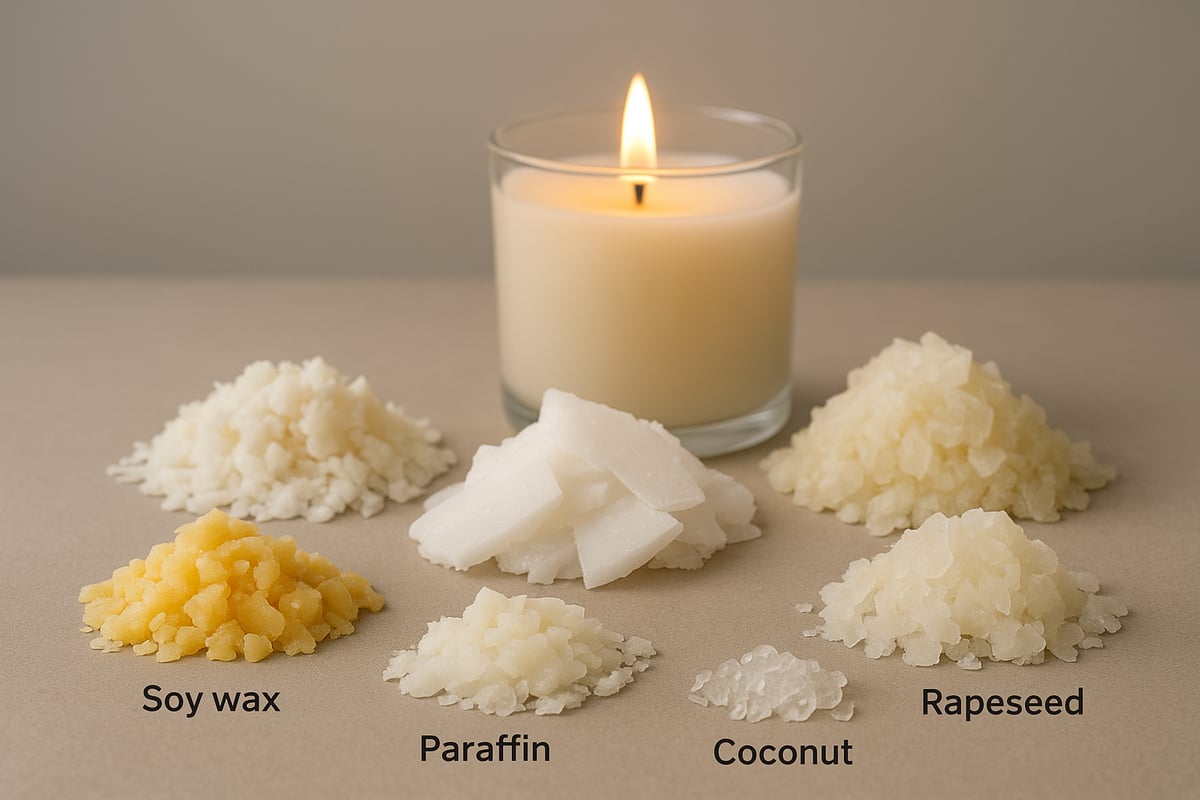
The wax of candle comes in many forms, each with distinct chemical structures. Paraffin wax, derived from petroleum, is primarily a mixture of saturated hydrocarbons. Soy and rapeseed waxes are hydrogenated vegetable oils, while beeswax is a natural secretion from honeybees rich in esters and fatty acids. Coconut wax, another plant-based option, is valued for its creamy texture and clean burn. Gel wax, made from mineral oil and polymer resin, offers clarity and flexibility for decorative candles.
Physical properties such as melting point and hardness have a direct impact on the wax of candle performance. For example, beeswax melts at a higher temperature than soy, resulting in a slower, brighter burn. Soy wax, with a lower melting point, is ideal for container candles and disperses fragrance efficiently.
| Wax Type | Melting Point | Scent Throw | Burn Time | Notable Feature |
|---|---|---|---|---|
| Paraffin | 46–68°C | Strong | Moderate | Widely available |
| Soy | 49–54°C | Good | Long | Eco-friendly |
| Beeswax | 62–65°C | Mild | Long | Air-purifying |
| Coconut | 35–38°C | Excellent | Moderate | Superior scent throw |
| Gel | 82–95°C | Variable | Long | Transparent, flexible |
| Rapeseed | 50–55°C | Good | Long | Low carbon footprint |
Additives, Safety, and Performance
The wax of candle often contains additives to enhance stability, colour, and scent. Stabilisers prevent oxidation, dyes create vibrant appearances, and fragrance oils deliver appealing aromas. However, not all additives are created equal. Some may increase soot or release volatile organic compounds (VOCs) during burning.
Recent advances focus on cleaner formulations, with many brands now disclosing ingredients for transparency. Safety standards have tightened in 2026, pushing manufacturers to adopt non-toxic additives and to clearly label their products. Innovations in wick design and compatibility with new wax blends further reduce the risk of tunnelling or incomplete combustion.
For a deeper look at what makes the wax of candle high quality, including insights on performance and safety, you can explore this Good quality candle wax explained guide.
Burn Times, Scent Throw, and Industry Innovations
Different waxes offer unique performance characteristics. Soy and rapeseed waxes are known for their slow, steady burns and minimal soot, making them popular among eco-conscious consumers. Beeswax, with its natural air-purifying properties, remains a favourite for those sensitive to indoor air quality.
Gel wax allows for creative designs, suspending botanicals and decorative elements without compromising burn safety. Technological advances have led to waxes that retain colour and fragrance longer, ensuring a consistent experience from the first to the last burn.
Safety Tips and Maximising Wax Performance
To optimise the wax of candle experience at home, always trim wicks to 5mm before lighting, burn candles away from draughts, and never leave them unattended. Choose candles with clear labelling and reputable certifications. By understanding the science behind the wax of candle, you can make safer choices and enjoy a cleaner, more fragrant home.
Candle Wax Trends in 2026: What Consumers Need to Know
The wax of candle has become a focal point for innovation and consumer choice in 2026. As people seek products that align with their values, the candle market now offers more options than ever before. Understanding the latest trends can help you navigate this evolving landscape and make better choices for your home and wellbeing.
Emerging Trends in the Wax of Candle Market
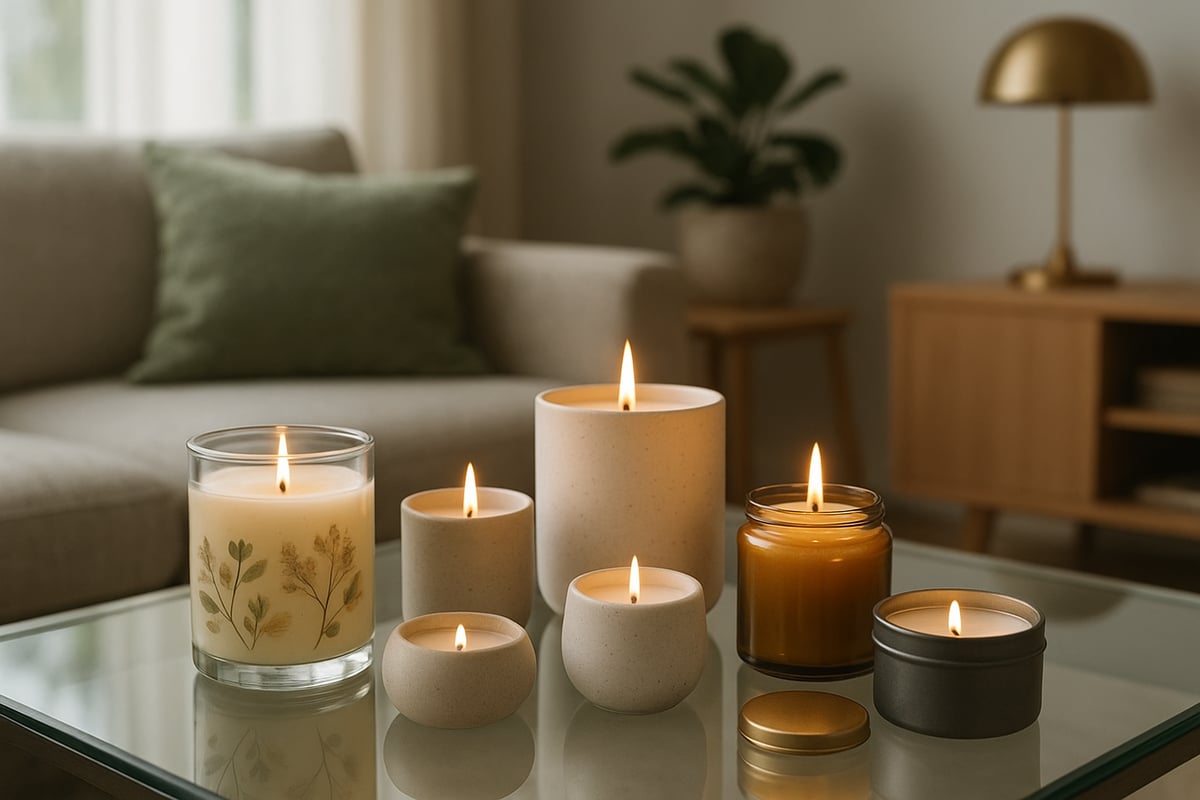
In 2026, eco-friendly and sustainable waxes are leading the wax of candle industry. Soy, coconut, and rapeseed blends are highly sought after for their clean-burning qualities and renewable sourcing. Consumers are also drawn to artisanal and small-batch candles, often featuring unique wax blends and limited-edition scents.
Refillable and reusable candle vessels have gained popularity, reducing waste and offering a more sustainable approach to home fragrance. Social media continues to shape trends, with influencers showcasing innovative wax of candle designs and sharing tips for mindful purchasing. According to recent Candle Market Size and Trends Analysis, plant-based waxes now dominate the market, reflecting a significant shift in consumer preferences.
Spotting Quality and Predicting the Future
Quality in the wax of candle is defined by several factors. Look for candles with clear ingredient labelling, certifications for sustainable sourcing, and robust packaging that protects the wax and scent. Brands that invest in transparency and responsible production are more likely to deliver both performance and peace of mind.
Looking ahead, expect continued growth in biodegradable waxes, innovative blends, and customisable options. Biotechnology and green chemistry are set to drive further advancements, making the wax of candle even safer and more environmentally friendly in the years to come.
Actionable Tips for Choosing the Best Wax of Candle
- Check for sustainability certifications and transparent wax sourcing.
- Opt for refillable vessels or candle refills when available.
- Prioritise natural waxes and avoid poorly labelled blends.
- For more guidance on natural choices, explore this Guide to natural candles.
Staying informed about the latest in the wax of candle market enables you to make choices that benefit both your home and the planet.
After exploring how the world of candle wax is evolving—from sustainable innovations to the science behind every burn—you now know just how much goes into crafting the perfect candle experience. If you’re feeling inspired to bring these discoveries home and want to experience expertly blended fragrances that celebrate Scottish creativity, why not explore our seasonal collection? Our candles are thoughtfully crafted with the very wax advancements and artistry we’ve discussed. Treat yourself or someone special to a sensory journey that’s both mindful and memorable. You can discover our festive range here:
Shop Christmas Candles