

Candle Melts Wax Guide: Expert Tips for 2026
Transform your home with the power of candle melts wax in 2026. As the must-have trend for home fragrance, candle melts wax offers a modern, safe, and highly customisable way to scent your space.
This expert guide explores everything you need to know, from choosing the perfect wax and burner to optimising fragrance, safety, and sustainability.
Understand the science and artistry behind wax melts, create bespoke scents tailored to your lifestyle, and follow our proven advice for the ultimate wax melt experience. Let us help you unlock the full potential of home fragrance this year.
Understanding Candle Melts: What They Are and How They Work
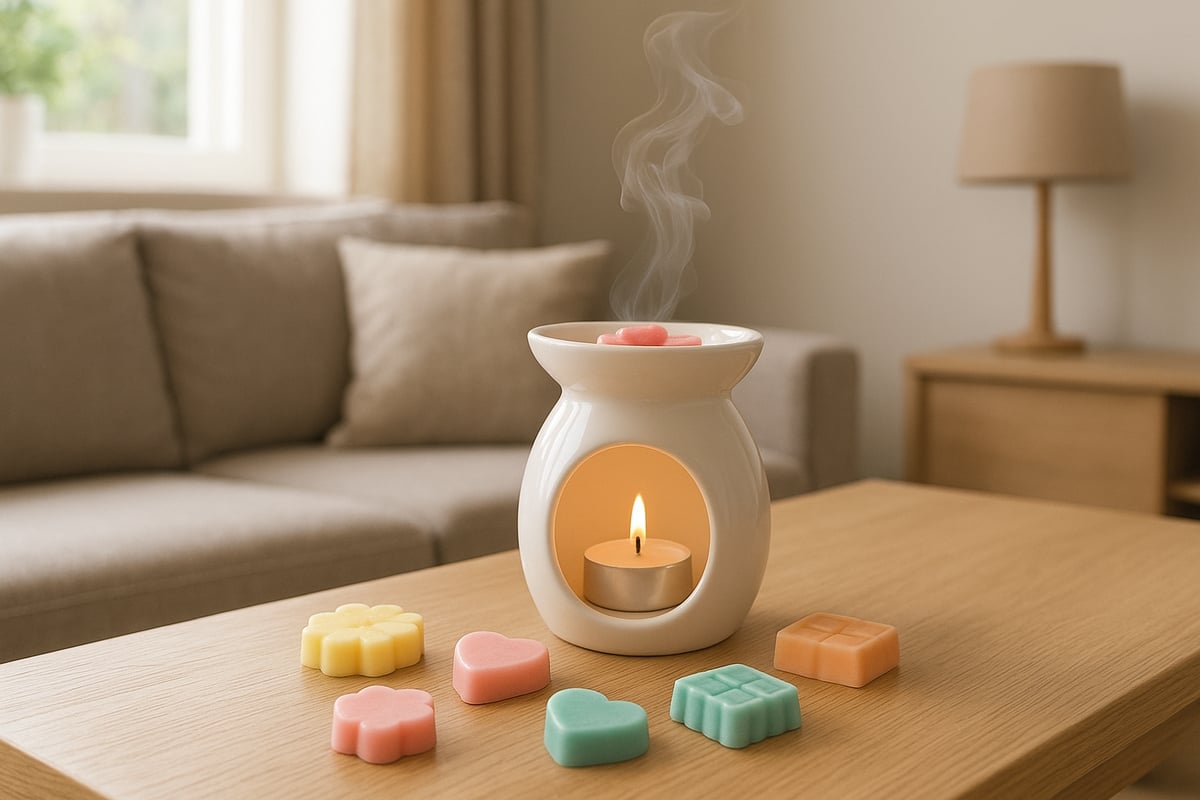
Candle melts wax has become a staple in British homes, offering a modern twist on traditional home fragrance. These small, scented pieces of wax are designed to be gently heated, releasing fragrance without the need for a wick or open flame. The origins of candle melts wax can be traced back to the early 2000s, when artisan makers began experimenting with new ways to diffuse scent. Over the past decade, their popularity has soared, with the UK market seeing a notable shift towards these innovative products.
Unlike standard candles, candle melts wax does not require burning. Instead, it is placed in a specially designed burner, where it melts at a controlled temperature. This method provides a clean, efficient way to fill your space with fragrance. Compared to diffusers, which use reeds or ultrasonic technology, wax melts offer a bolder scent throw and greater flexibility in changing aromas. This versatility appeals to consumers seeking both variety and intensity in their home scents.
The key to how candle melts wax works lies in the science of melting and scent diffusion. As the wax is gently heated, its molecules loosen, allowing the embedded fragrance oils to evaporate and disperse into the air. The rate of scent release depends on the wax type, burner temperature, and oil concentration. This process ensures a consistent and long lasting aroma, making candle melts wax an ideal choice for those looking to personalise their environment.
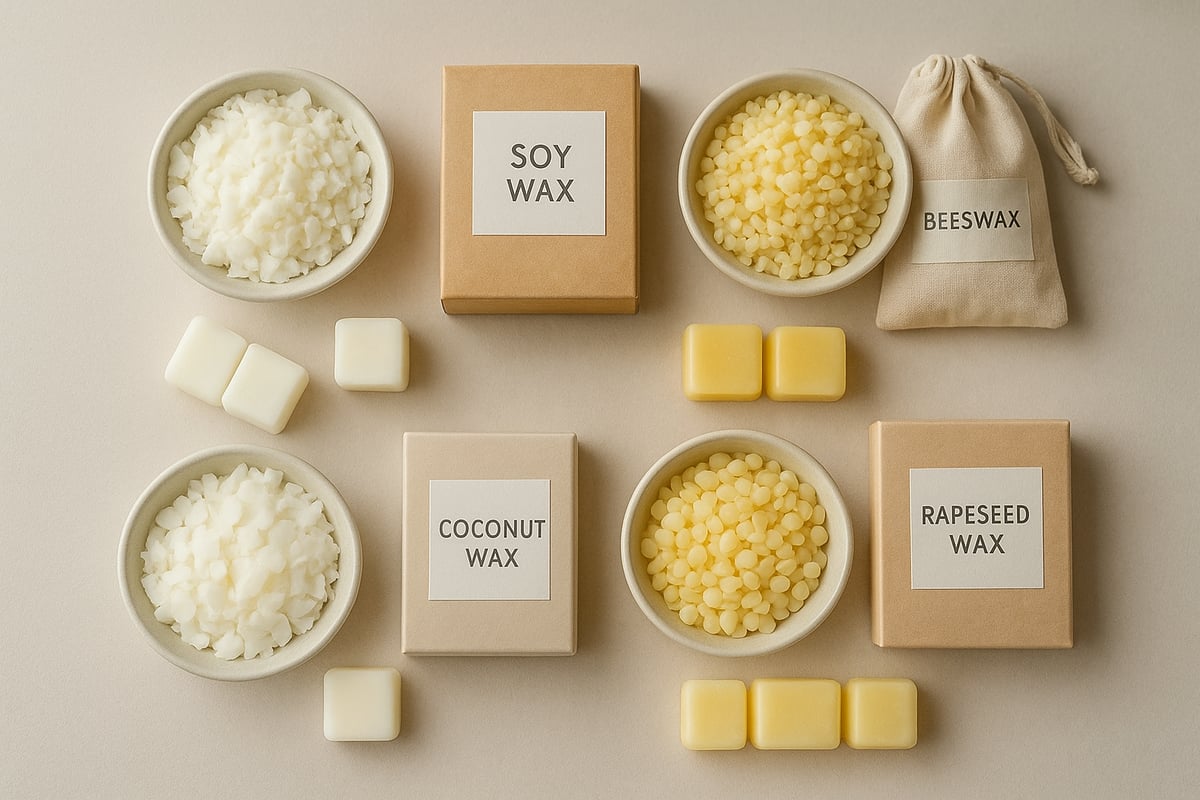
There are several common types of wax used in candle melts wax. Paraffin wax, once the industry standard, is prized for its affordability and strong scent throw. However, soy wax has gained popularity for its natural origins and clean burn. Beeswax, coconut, and rapeseed waxes are also used, each offering unique benefits in terms of melt point, scent diffusion, and eco friendliness. Many UK brands are now blending coconut and rapeseed waxes to achieve optimal performance and sustainability.
The surge in demand for candle melts wax is driven by shifting consumer preferences. Shoppers are prioritising convenience, safety, and sustainability, leading to a 20% year on year growth in the UK wax melt market since 2020. According to recent market data, natural waxes and botanical blends are forecast to dominate the sector by 2026. For a deeper dive into the benefits and usage of scented wax melts, explore this Scented melts guide.
Safety is another major advantage of candle melts wax over traditional candles. With no open flame, the risk of fire is significantly reduced, making them safe for households with children and pets. Additionally, wax melts produce minimal soot and residue, helping to maintain indoor air quality.
Leading brands in the UK, such as artisan makers and established home fragrance companies, have expanded their ranges to include diverse candle melts wax offerings. From luxury botanical collections to seasonal blends, the market now caters to every preference. Sales data from 2025 indicates that wax melts account for nearly half of all home fragrance purchases, highlighting their growing influence and appeal.
Choosing the Right Wax: Types, Qualities, and Scent Performance
Selecting the ideal candle melts wax is crucial for achieving the best fragrance experience in your home. The type of wax directly affects scent throw, burn quality, and even your environmental footprint. In this section, we explore how to choose the best candle melts wax for your needs, examine the role of fragrance oils, and decode ingredient labels for safer, more sustainable choices.
Natural vs Synthetic Waxes: What’s Best for Candle Melts?
When choosing candle melts wax, understanding the difference between natural and synthetic options is essential. Natural waxes such as soy, beeswax, coconut, and rapeseed have become increasingly popular due to their cleaner burn, lower environmental impact, and gentle scent release. Synthetic waxes, typically paraffin-based, are derived from petroleum and often deliver a strong, immediate scent throw.
Wax Type Comparison Table
| Wax Type | Scent Throw | Melting Point | Allergen Risk | Environmental Impact |
|---|---|---|---|---|
| Soy | Moderate | Medium | Low | Biodegradable |
| Beeswax | Subtle | High | Possible | Sustainable |
| Coconut | Strong | Low | Low | Renewable |
| Rapeseed | Moderate | Medium | Low | Local, eco-friendly |
| Paraffin | Strong | Medium | Low | Non-renewable |
Natural candle melts wax often appeals to those with allergies or sensitivities, as it typically contains fewer additives and synthetic fragrances. With consumer awareness rising, the demand for eco-friendly waxes is expected to grow in 2026. For a deeper dive into natural wax choices, you can explore all natural wax melts and their unique benefits.
Botanical blends, like coconut and rapeseed, are gaining attention for their excellent scent throw and sustainable sourcing. As market trends show, natural candle melts wax now represents a significant share of UK home fragrance products.
Fragrance Oils and Essential Oils: Impact on Scent and Safety
The scent profile of your candle melts wax is shaped by the oils used. Fragrance oils are synthetic or blended oils designed for strong, long-lasting aromas, while essential oils are derived from plants and offer a more natural, subtle scent.
Fragrance oils in candle melts wax often deliver a consistent scent throw and are available in a wide range of unique blends, from seasonal spices to fresh florals. Essential oils, while highly valued for their purity, sometimes have a shorter scent duration but are preferred by those seeking non-toxic, phthalate-free options.
When evaluating candle melts wax, consider that some fragrance oils are formulated to be safer and more stable at high temperatures. Always check that your chosen wax melts are free from harmful additives. In 2026, trends indicate a shift towards complex, layered scent blends using both oil types to create unique home fragrance experiences.
Popular collections include winter-inspired notes, floral bouquets, and even bespoke blends tailored to individual preferences. By understanding the difference between these oils, you can choose candle melts wax that aligns with your scent and safety priorities.
How to Read Ingredient Labels and What to Avoid
Deciphering ingredient labels on candle melts wax products is vital for making informed, safe, and sustainable choices. Start by examining the packaging for a clear list of wax types, fragrance sources, and any additives.
Red Flags to Avoid:
- Parabens
- Synthetic dyes
- Harmful additives like phthalates
Look for certifications that indicate eco-consciousness, such as biodegradable, vegan-friendly, or cruelty-free logos. Some UK brands now use biodegradable packaging and pure cellulose wraps, reducing waste and supporting sustainability.
When selecting candle melts wax, prioritise products with transparent ingredient lists and minimal synthetic content. This is especially important for those with allergies or sensitivities. Choosing certified, responsibly packaged wax melts ensures your home fragrance routine is both safe and eco-friendly.
By understanding the labels and making informed choices, you can enjoy candle melts wax that is as kind to your home as it is to the environment.
Selecting and Using Wax Melt Burners: A Step-by-Step Guide
Selecting the ideal burner for your candle melts wax experience is essential for both performance and safety. The right setup enhances fragrance, maximises scent longevity, and ensures a safe environment for your home. Let us guide you through the main burner types, explain how to use them, and share the best practices for 2026.
Types of Wax Melt Burners: Electric vs. Tealight
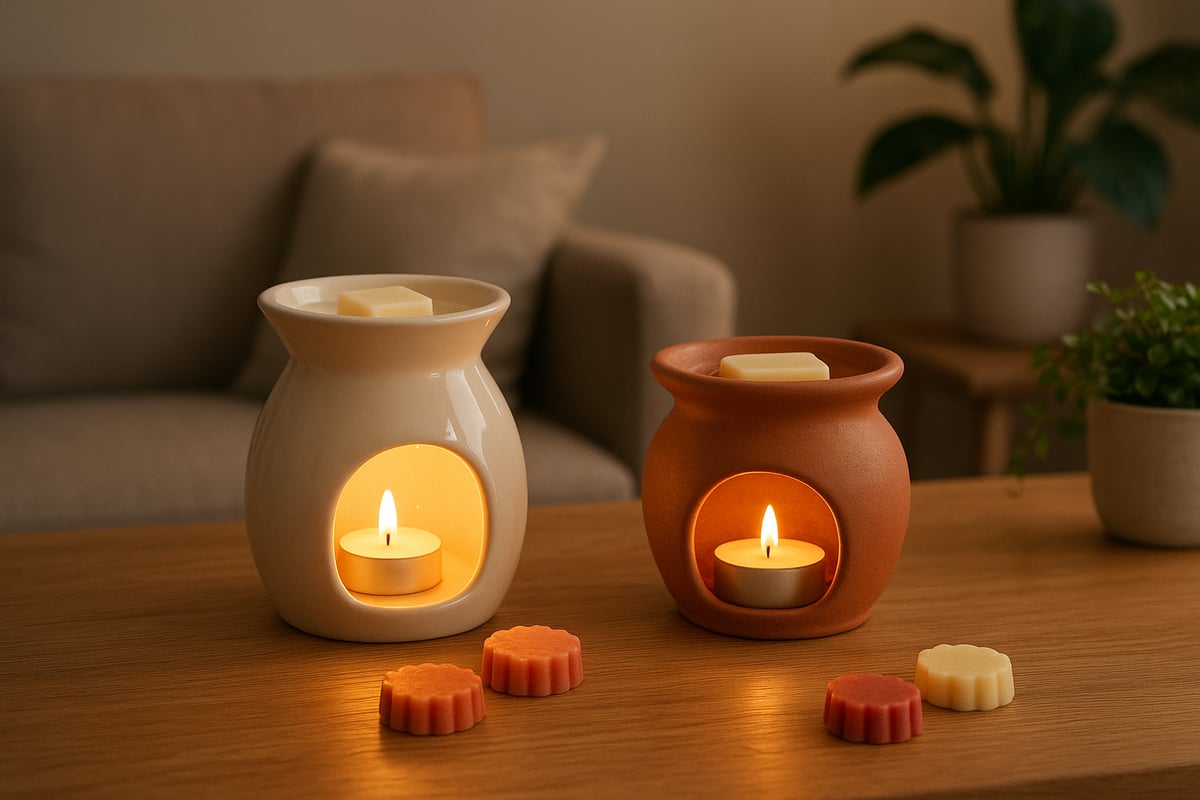
Choosing between electric and tealight burners can influence your candle melts wax enjoyment. Electric burners offer convenience and a steady heat source. They are ideal for homes with children or pets, as there is no open flame. Tealight burners, on the other hand, use a small candle to heat the wax. This traditional method creates a cosy atmosphere and is often more affordable.
| Feature | Electric Burner | Tealight Burner |
|---|---|---|
| Heat Source | Electric plate or bulb | Unscented tealight candle |
| Safety | No open flame, safer for homes | Open flame, needs supervision |
| Cost | Higher upfront, lower ongoing | Low upfront, ongoing candle cost |
| Energy Efficiency | Uses electricity, energy-saving | No electricity needed |
| Style Options | Modern designs, adjustable heat | Classic and artisan styles |
When selecting a burner for candle melts wax, consider your room size and decor. Electric burners suit larger spaces and modern interiors, while tealight burners are perfect for small rooms or traditional settings. Always match your burner size to the wax melt dome for optimal results.
How to Use Wax Melts: Step-by-Step Instructions
Proper use of candle melts wax burners maximises scent throw and burn time. Start by preparing your workspace, ensuring a stable, heat-resistant surface away from drafts or flammable items. Place your chosen burner in the centre, then follow these steps:
- Add one wax melt dome (or the recommended amount) to the dish.
- For electric burners, plug in and switch on. For tealight burners, insert an unscented tealight candle and light it.
- Allow the candle melts wax to liquefy fully, which usually takes 10 to 15 minutes.
- Enjoy the gradual fragrance release. For best results, keep the burner on for two to four hours per session.
- When the scent fades, let the wax cool and solidify. Remove the used wax by gently pressing or popping it out, then wipe the dish clean before adding a new melt.
Most quality candle melts wax domes provide up to 20 hours of fragrance per use, depending on burner type and room conditions. If you want to switch scents, wait until the wax is cool before replacing it to avoid mixing aromas.
Safety Tips and Best Practices for 2026
Safety remains a top priority when enjoying candle melts wax at home. Always place your burner on a flat, sturdy surface, away from edges, curtains, or vents. Never leave a lit tealight or heated burner unattended, especially around children or pets.
Ensure your space is well-ventilated to prevent scent overload and maintain air quality. Handle hot wax with care, using a silicone spatula or cotton pad for cleaning once the wax has cooled. Regularly inspect electric burners for damaged cords or bulbs, and replace tealights before they burn out completely.
Following up-to-date candle care and safety tips helps reduce the risk of accidents and keeps your home environment secure. With proper maintenance, candle melts wax burners are a safe, stylish alternative to traditional candles, with fewer incidents reported annually.
Maximising Scent Longevity and Room Coverage
Achieving the ideal fragrance experience with candle melts wax involves a careful balance of science and artistry. Understanding the factors that influence scent throw and duration is essential for creating a welcoming atmosphere in any room.
Whether you seek a gentle background fragrance or a bold, room-filling aroma, the right approach can make all the difference. Let us explore expert strategies to help you get the most from your candle melts wax.
Factors Affecting Scent Throw and Duration
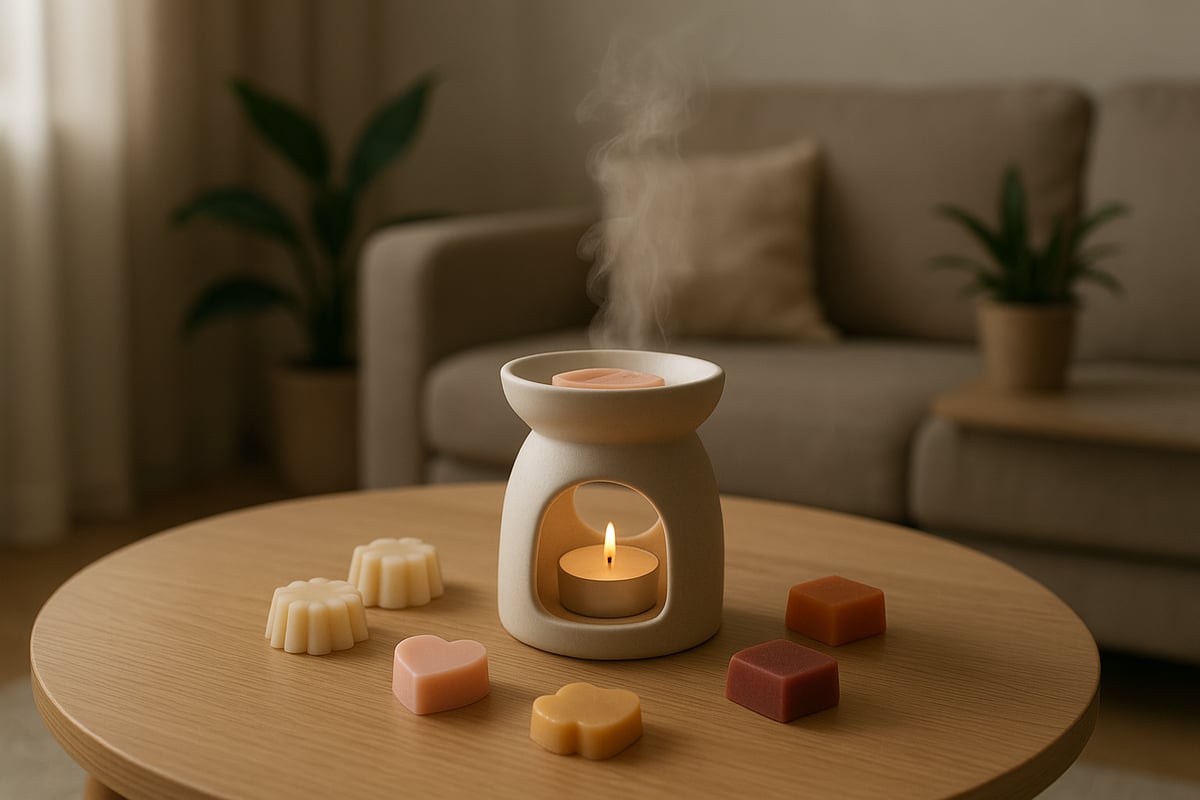
The performance of candle melts wax is shaped by several key factors. Wax type is the first consideration. Soy and coconut blends often deliver a clean, consistent scent, while paraffin wax may provide a stronger initial throw but can fade quickly. Botanical waxes, such as rapeseed, offer a balance of longevity and eco-friendliness.
Oil concentration is another critical aspect. A higher percentage of fragrance or essential oils usually results in a more robust scent, but excessive oil can affect how evenly candle melts wax performs. Burner temperature also plays a significant role. Electric burners offer steady, controlled heat, which helps maintain even scent diffusion, while tealight burners can fluctuate, impacting both throw and duration.
Room size and airflow must not be overlooked. An open-plan living space may require more than one burner or a larger dome of candle melts wax for full coverage. Placement is equally important. Positioning your burner away from windows or vents avoids rapid scent dissipation.
For a quick comparison:
| Wax Type | Scent Throw | Duration | Eco-friendly |
|---|---|---|---|
| Soy | Moderate | Long | Yes |
| Paraffin | Strong | Short | No |
| Coconut | Moderate | Long | Yes |
| Rapeseed | Moderate | Long | Yes |
Competitor data shows average scent duration per melt ranges from 16 to 24 hours, with botanical blends maintaining their fragrance longer than standard paraffin options. By understanding these factors, you can maximise the fragrance impact of your candle melts wax.
Tips for Layering and Mixing Scents
Customising your home fragrance is easy with candle melts wax. Layering scents allows you to create unique blends tailored to your mood or the season. Begin by selecting complementary wax melts, such as floral and citrus for spring, or spice and wood for autumn.
Break your wax melts into smaller pieces, then combine two or three varieties in your burner. This not only personalises your fragrance but also keeps your environment dynamic and interesting. Many brands now offer “Pick Your Own” boxes, giving you flexibility to experiment with scent pairings.
For inspiration, browse a wax melt collection to discover seasonal blends and bestsellers. Mixing scents with candle melts wax is an enjoyable way to refresh your space and express your individuality.
Refreshing and Reusing Wax Melts
Knowing when to replace your candle melts wax is key to maintaining a vibrant fragrance. If you notice the scent has faded or is barely noticeable after a session, it is time to swap it out. To refresh a partially used wax melt, try adding a small piece of a new melt to the old one in the burner. This can revitalise the scent and extend its use.
For those who prefer to be eco-conscious, used candle melts wax can be repurposed. Once fragrance is gone, collect the wax and use it as a firelighter for barbecues or fireplaces. Some crafters even reuse old wax to make wax sachets for drawers and wardrobes.
By following these tips, you ensure your candle melts wax experience is both economical and sustainable, while keeping your home beautifully scented.
Troubleshooting Common Candle Melt Issues
Even the best candle melts wax can sometimes present challenges. Understanding typical issues and their solutions helps you achieve the ideal fragrance experience every time.
Weak Scent Throw: Causes and Solutions
If your candle melts wax does not fill the room with fragrance, several factors may be at play. The type of wax, quality of oils, and burner temperature all impact scent throw. Using a burner not suited to the melt size, or placing it in a draughty area, can weaken the aroma. Choose high-quality, well-formulated melts and ensure your burner is operating at the recommended temperature for optimal results.
Wax Not Melting Evenly
Uneven melting is a common complaint with candle melts wax. This issue often arises from using the wrong burner type or an uneven surface. Electric burners may provide steadier heat, while tealight burners can sometimes create hot spots. Make sure the burner dish is clean and level, and always follow manufacturer guidelines for wax quantity.
Residue or Staining in Burners
After several uses, some candle melts wax can leave residue or stains in your burner. This is especially true with coloured or heavily scented melts. To prevent build-up, allow the wax to cool and harden, then gently remove it with a soft tool. Clean the burner regularly with warm, soapy water, ensuring it is completely dry before the next use.
Allergies or Sensitivities: Choosing the Right Wax and Oils
Users with allergies or sensitivities may react to certain candle melts wax ingredients. Look for products labelled as hypoallergenic or free from common irritants such as parabens and synthetic dyes. Natural waxes and pure essential oils are often better tolerated. Always check ingredient labels and choose reputable brands that cater to sensitive users.
Burn Time Discrepancies: Product Claims vs Reality
Sometimes, the actual burn time of candle melts wax does not match marketing promises. Factors such as room temperature, burner type, and air flow can all affect longevity. Reading customer reviews and consulting market data can help set realistic expectations. According to recent Fragrance Wax Melts Market Size & Share 2026–2035 analysis, the most reported issues relate to scent duration and residue, highlighting the importance of choosing quality products.
By understanding these common problems and their solutions, you can enjoy consistent, safe, and satisfying results from your candle melts wax.
Eco-Friendly and Sustainable Wax Melt Choices for 2026
Eco-friendly choices are driving the future of home fragrance. In 2026, consumers are prioritising sustainability in every aspect of their candle melts wax experience. This shift means more attention on ingredients, packaging, and the brands behind each product.
The Rise of Sustainable Candle Melts Wax
The demand for sustainable candle melts wax has surged. Shoppers are moving away from paraffin, a petroleum by-product, in favour of plant-based waxes such as coconut, rapeseed, and soy. These options are biodegradable and renewable, making them better for the planet.
According to recent competitor marketing data, over 60% of UK consumers now prefer wax melts made from natural sources. This trend is also reflected in the rise of botanical blends, often made locally and packaged in recyclable or compostable materials.
Comparing Wax Types: Plant-Based vs Paraffin
Choosing the right candle melts wax involves understanding the environmental impact of each type. The table below summarises the key differences:
| Wax Type | Renewable | Biodegradable | Soot Output | Typical Packaging |
|---|---|---|---|---|
| Paraffin | No | No | High | Plastic or composite |
| Soy | Yes | Yes | Low | Paper, cellulose, glass |
| Rapeseed | Yes | Yes | Very Low | Biodegradable, compostable |
| Coconut | Yes | Yes | Very Low | Compostable, eco-friendly |
Plant-based waxes not only burn cleaner but also support sustainable farming. Rapeseed and coconut waxes are especially popular for their low carbon footprint and strong scent throw.
Responsible Disposal and Eco Packaging
Proper disposal of candle melts wax is essential. Used wax can often be composted if it is plant-based and free from synthetic additives. Many brands now offer biodegradable or recyclable packaging, reducing landfill waste.
Some eco-conscious consumers repurpose spent wax melts as firelighters or for crafts, extending the life cycle of each product. Look for companies highlighting their packaging innovations and commitment to reducing plastic use.
Supporting Local and Artisan Makers
Supporting local and artisan brands helps lower the carbon footprint associated with shipping and mass production. Handmade UK botanical wax melts, often crafted in small batches, typically feature eco packaging and responsibly sourced ingredients.
Artisan makers are also at the forefront of innovation, offering unique blends and seasonal scents. For insight into the latest sustainable fragrance trends, see The Biggest Fragrance Trends for 2026.
What to Look for in a Sustainable Candle Melts Wax in 2026
When shopping for sustainable candle melts wax, keep these tips in mind:
- Check for plant-based, biodegradable waxes.
- Look for recycled or compostable packaging.
- Avoid paraffin and synthetic additives.
- Support local or artisan producers.
- Seek products with transparent sourcing and environmental certifications.
As the market grows, eco-friendly choices will become the standard for candle melts wax enthusiasts. By making informed decisions, you can enjoy a beautifully fragranced home while caring for the planet.
The Future of Candle Melts: Trends and Innovations
The future of candle melts wax is set to redefine the way we experience home fragrance. As we approach 2026, innovation and creativity are driving a new era in the market. Home fragrance enthusiasts can look forward to a wave of exciting changes, from unique scent profiles to technological advancements that elevate the ambience of any space.
Scent Innovation and Limited Editions
One of the most anticipated developments in candle melts wax is the rise of innovative scent profiles. Limited edition releases are set to become more frequent, with brands experimenting with botanical infusions, exotic blends, and even nostalgic scents inspired by seasonal trends.
Consumers will see collections that capture moments, places, or moods, allowing for a truly personalised fragrance experience. The ability to mix and layer scents will also grow, giving users more control over the aroma in their homes.
Wax Technology and Smart Home Integration
Advances in wax formulation are leading to longer-lasting, cleaner-burning candle melts wax. New blends, such as coconut and rapeseed, are being engineered for optimal scent throw and minimal residue.
Smart home integration is also on the horizon. Electric burners with app control are emerging, letting users schedule fragrance sessions or adjust intensity remotely. As these innovations become more common, safety will remain a priority. For those embracing new technology, it is wise to stay informed by consulting resources like the Candle Fire Safety Pamphlet for best practices.
Customisation, Artisan Brands, and Market Growth
Personalisation will be at the heart of the next generation of candle melts wax. DIY kits, bespoke scent options, and interactive experiences will let users craft their own signature fragrances.
Artisan and private-label brands are shaping trends, offering small-batch, eco-friendly products that appeal to conscious consumers. Market data suggests the UK wax melt market will continue to grow, with sustainability and innovation as key drivers. Expect new materials, smarter devices, and scents tailored to every lifestyle in the years ahead.
As you’ve explored the expert tips and innovative trends set to define wax melts in 2026, you can see how the right scent truly transforms a space. Whether you’re drawn to the artistry of bespoke fragrances or the sustainable touch of botanical waxes, enhancing your home with carefully crafted melts is a rewarding experience. If you’re inspired to bring seasonal warmth into your living room, why not take a look at our specially curated festive collection? Discover unique aromas that capture the spirit of the season—Shop Christmas Candles and make your home feel even more inviting this winter.