

Essential Candle Wax Guide: Choosing the Best for 2026
Did you know that your choice of candle wax can dramatically affect the way your home feels, smells, and even the air you breathe? In 2026, the world of candle wax is evolving, with new innovations and eco-friendly options offering more variety than ever before.
Whether you are a DIY hobbyist searching for the perfect project or someone seeking a luxurious ambience, this guide will help you navigate the essential factors behind candle wax selection. Discover the latest types, important performance features, and sustainability trends so you can make a confident, informed decision for your next candle.
The Fundamentals of Candle Wax: What You Need to Know
Choosing the right candle wax is the foundation of successful candle making, whether you are a hobbyist or a professional. To make informed decisions, it is essential to understand the basics of candle wax, how it affects performance, the different types available, and the main factors to consider before selecting the best fit for your needs.
What Is Candle Wax?
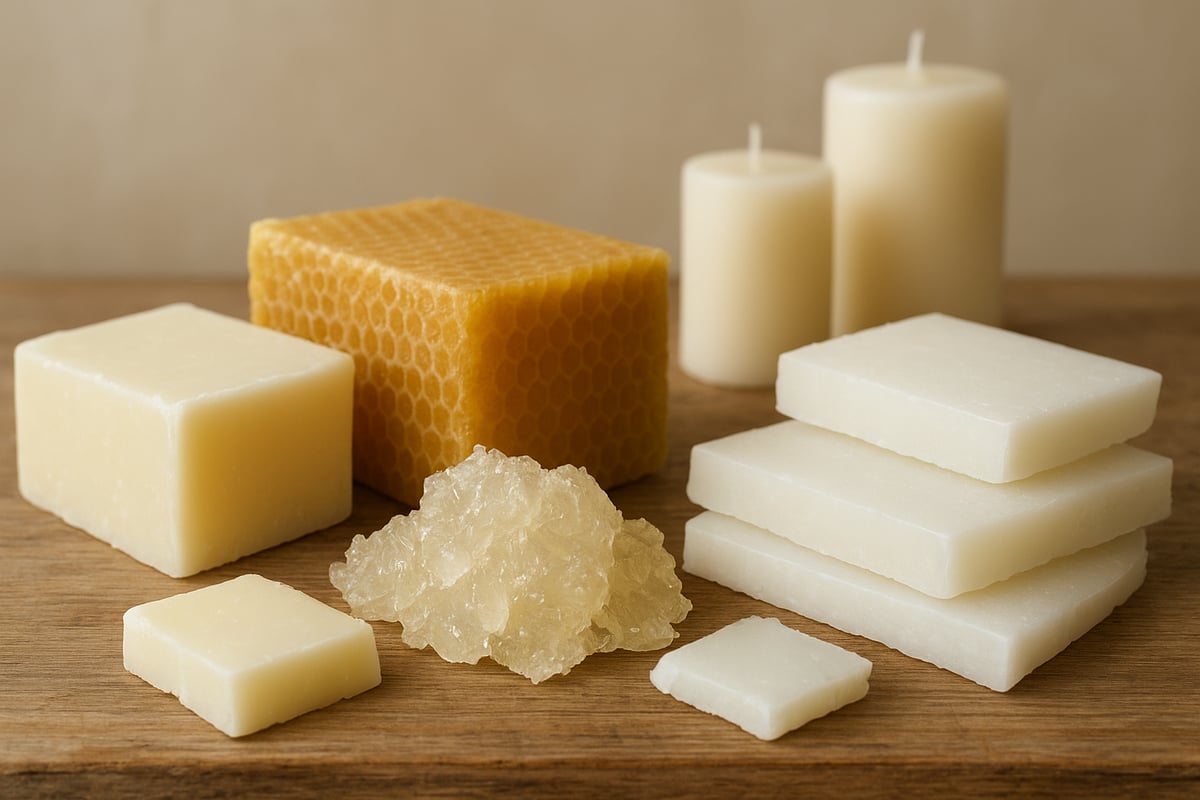
Candle wax is the primary fuel that sustains a candle’s flame, acting as both an energy source and a carrier for scent and colour. The earliest candle waxes included tallow and beeswax, widely used in ancient civilisations for both light and ritual. Over centuries, the development of new candle wax types, such as paraffin in the 19th century, revolutionised production.
Physically, candle wax is a solid at room temperature but melts easily when heated, allowing it to feed the wick and produce a steady burn. Chemically, waxes are composed of hydrocarbons, making them ideal for slow, controlled combustion. The choice of candle wax influences everything from scent diffusion to the visual appeal of the finished product.
For example, beeswax was prized in ancient temples for its clean burn and subtle aroma, while paraffin became the standard for mass-produced candles in the modern era. Understanding these fundamentals ensures you select a candle wax that meets your expectations and needs.
How Candle Wax Impacts Performance
The type of candle wax used directly affects key aspects of candle performance. Burn time varies significantly: harder waxes like beeswax last longer, while softer waxes may burn more quickly. Flame stability is also linked to the wax’s melting point and composition. Scent throw, or how well a candle disperses fragrance, depends on the wax’s ability to hold and release oils.
Colour and finish are influenced by how well the candle wax blends with dyes or pigments. Some waxes, such as soy, are more compatible with natural additives, while paraffin excels in vibrant colour retention. For instance, soy wax is favoured for its superior scent throw in container candles, whereas paraffin is often chosen for its strong fragrance in melts.
Professional candle makers carefully match wax properties to their intended use, seeking the right balance of burn quality, scent, and visual appeal. This attention to detail is why the selection of candle wax is a critical step in the craft.
Candle Wax Types: An Overview
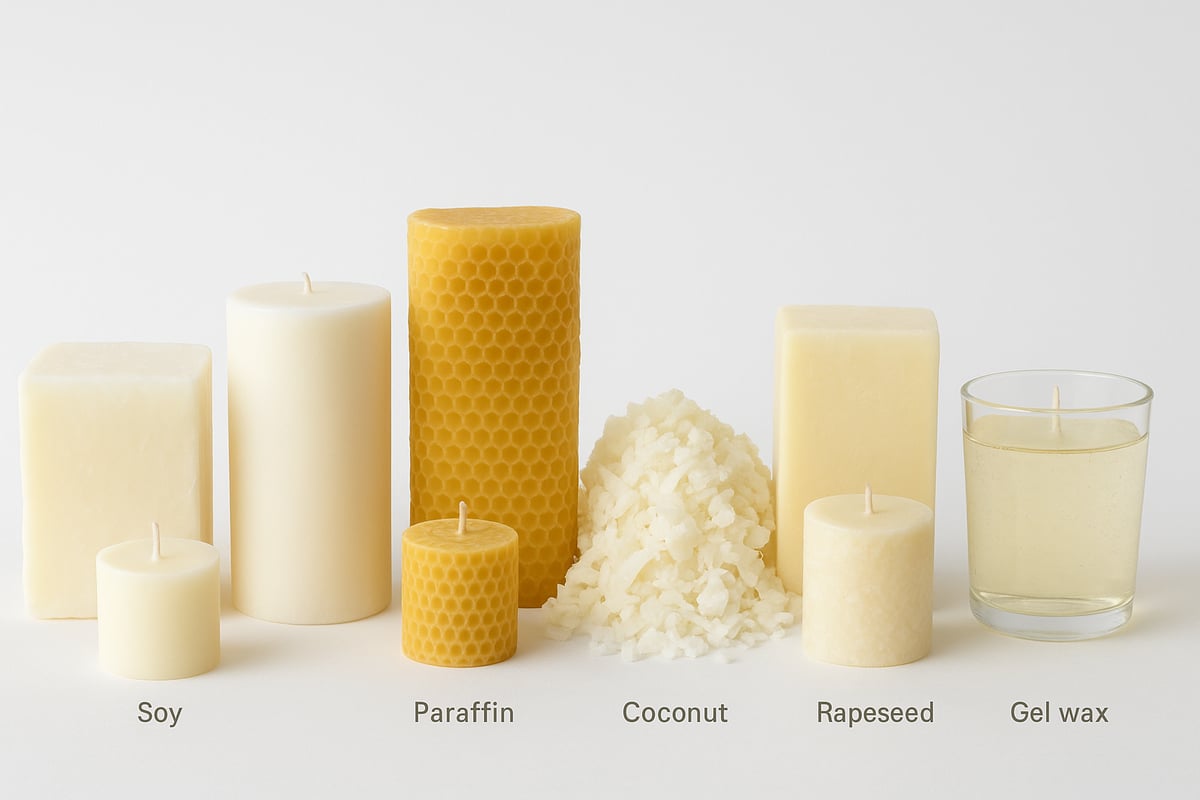
There are two main categories of candle wax: natural and mineral. Natural waxes include soy, beeswax, coconut, and rapeseed, all derived from plants or animals. Mineral waxes, such as paraffin, are petroleum-based and have been dominant in the industry for decades.
Common candle wax types include:
- Soy wax: natural, renewable, and popular for containers
- Paraffin wax: versatile and cost-effective
- Beeswax: traditional, luxury, and eco-friendly
- Blends: combine multiple waxes for optimal performance
- Gel wax: unique visual effects and novelty uses
Emerging waxes in 2026, like coconut and rapeseed, are gaining traction due to their sustainability and performance. According to recent market data, soy wax’s share continues to rise, reflecting the shift toward natural options. Each candle wax brings unique benefits and trade-offs, so understanding the differences is essential for making the right choice.
Key Factors to Consider Before Choosing
Before selecting candle wax, consider the intended use:
- Container, pillar, tealight, or wax melt
- Desired scent strength and burn time
- Eco-friendliness and sustainability
- Allergen concerns and air quality
- Cost and local availability
Your priorities will shape what is considered the “best” candle wax for your project. For example, if you prioritise eco-friendly sourcing, rapeseed or soy may be ideal. For those sensitive to allergens, beeswax or additive-free options could be preferable. Cost and sourcing options also play a role, especially for large-scale makers.
To make a truly informed decision, explore resources on choosing good candle wax and weigh your personal values, budget, and intended outcomes. Ultimately, understanding these factors empowers you to select a candle wax that delivers both performance and peace of mind.
In-Depth Guide to Candle Wax Types in 2026
Choosing the right candle wax can feel overwhelming with so many new and traditional options available. In this in-depth guide, we explore each major type of candle wax, their benefits, drawbacks, and the latest innovations for 2026. For a comprehensive overview, you can also explore the Types of wax for candle making to deepen your understanding.
Paraffin Wax: Classic Choice, Modern Debate
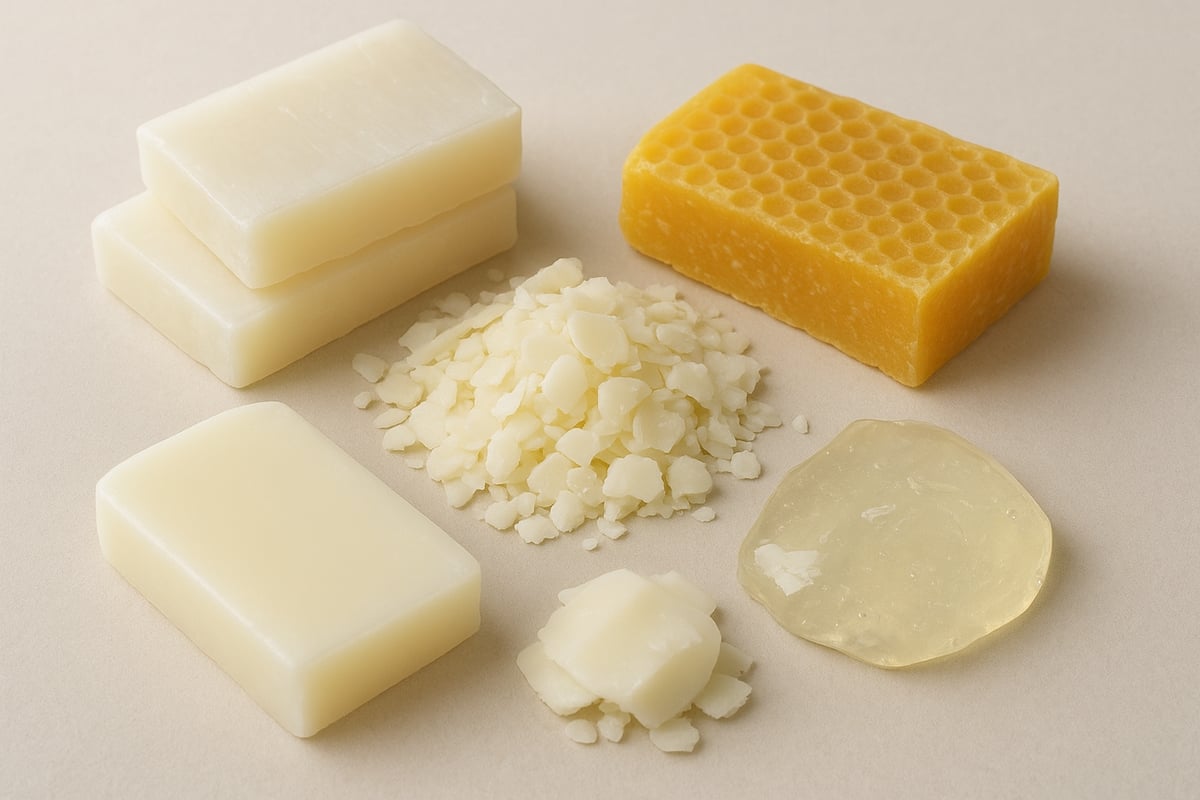
Paraffin wax remains the most widely used candle wax globally. It is derived from petroleum, making it a mineral-based wax with a long history in both commercial and home candle making. Paraffin wax is prized for its affordability, strong scent throw, and versatility. It delivers a clean, odourless burn when properly refined, making it suitable for pillars, containers, and wax melts.
Despite its strengths, paraffin wax faces concerns about sustainability and potential toxins. Some consumers are wary of its petroleum origins and possible air quality impacts. Still, paraffin wax is often chosen for its reliability and is even used in gel wax blends for decorative effects. It remains a staple, especially for those prioritising cost and performance.
Soy Wax: The Natural Favourite
Soy wax is a leading natural candle wax, made from hydrogenated soybean oil. Its popularity has surged due to its renewable nature, clean-burning properties, and low soot production. Soy wax offers a creamy texture and excellent scent throw, making it a favourite for container candles and eco-conscious makers.
This candle wax is especially valued in the UK and EU markets, where demand for sustainable options is high. It is also considered allergy-friendly, providing an alternative to other waxes for sensitive users. Challenges include occasional frosting and difficulties with scent retention, but many find the benefits outweigh these minor drawbacks.
Beeswax: Traditional Luxury
Beeswax is the original candle wax, produced by honeybees and prized for centuries. It is entirely natural, sustainable, and known for burning longer and cleaner than many alternatives. Beeswax emits a subtle, natural honey scent that adds a touch of luxury to any candle.
Often used for premium pillar and taper candles, beeswax appeals to those seeking an eco-friendly and traditional option. However, it comes at a higher cost and holds a niche market share. Some individuals may have allergen concerns with beeswax, but for many, it remains the gold standard for luxury candle wax.
Coconut & Rapeseed Waxes: Rising Stars
Coconut wax and rapeseed wax are gaining traction as innovative, sustainable choices in the candle wax landscape. Coconut wax is celebrated for its slow burn, superior scent throw, and eco-friendly credentials. Rapeseed wax, grown mainly in Europe, boasts a low carbon footprint and is often blended with soy for improved performance.
Luxury brands are turning to coconut-soy blends for their creamy texture and strong fragrance release. Both waxes are increasingly popular among eco-conscious consumers, although they can be costlier and less widely available than traditional options. These candle waxes are set to shape the industry in 2026.
Gel Wax and Blended Waxes
Gel wax stands out for its translucent appearance and is made from mineral oil and polymer resin. It is ideal for decorative or novelty candles, allowing for creative designs and embedded objects. Blended waxes combine the strengths of different bases, such as soy-paraffin or vegetable-paraffin, to optimise scent throw, stability, and burn quality.
Blending candle wax enables makers to customise products for specific uses, like melts or pillars. Vegetable and paraffin blends are common, offering a balance between performance and cost. Blends help address the limitations of single wax types, making them popular for both hobbyists and professionals.
Specialty and Innovative Waxes in 2026
The candle wax market in 2026 features exciting innovations. New plant-based waxes such as olive and sunflower are emerging, providing more biodegradable and eco-friendly choices. Bio-based and additive-free waxes address allergen concerns and appeal to health-conscious buyers.
Stearic acid is often used to improve hardness and longevity in candles. The demand for vegan, cruelty-free, and sustainable candle wax is rising, with projections showing increased adoption of alternative waxes. These advancements reflect a market that values both performance and environmental responsibility.
Comparing Candle Wax Types: Pros, Cons & Best Uses
Choosing the right candle wax can feel overwhelming given the many options available. Each wax type brings its own pros, cons, and best uses. Below, we break down the key differences to help you find the perfect match for your needs.
Performance Comparison Table
When comparing candle wax types, it is important to look at several performance factors. Burn time, scent throw, soot production, and texture play a major role in the final candle experience. Here is a table to help you visualise the main differences:
| Wax Type | Burn Time | Scent Throw | Soot Production | Texture | Best Use |
|---|---|---|---|---|---|
| Paraffin | Moderate | Strong | Moderate | Smooth | Pillars, containers |
| Soy | Long | Good | Low | Creamy | Containers |
| Beeswax | Longest | Subtle | Very Low | Firm | Pillars, tapers |
| Coconut/Rapeseed | Long | Excellent | Very Low | Soft/Blendable | Luxury, blends |
| Gel | Variable | Variable | Low | Jelly-like | Decorative |
Candle wax selection is never one-size-fits-all. For instance, soy offers a great scent throw and long burn, while paraffin stands out for its affordability and versatility.
Scent Throw and Fragrance Compatibility
The type of candle wax you choose directly impacts scent throw and fragrance compatibility. Paraffin wax is known for maximising scent diffusion, making it a favourite for those seeking strong aromas. Soy wax, while clean-burning, also delivers an excellent scent profile, particularly for essential oil-based candles.
Blends like coconut-soy can enhance scent throw even further, making them popular for premium candles. For those interested in more details on the advantages of soy, you might find Soy wax candle benefits a useful resource.
Consumer preference often leans towards candles with strong, pleasant fragrances. Choosing a candle wax that pairs well with your chosen oils ensures consistent results.
Burn Quality and Safety
Burn quality and safety are essential considerations for any candle wax. Beeswax is renowned for its clean, soot-free burn, making it ideal for allergy-sensitive users or those prioritising indoor air quality. Soy wax also produces minimal soot and burns evenly, reducing the risk of tunnelling or pooling.
Paraffin, if not formulated or wicked correctly, may generate moderate soot. Gel wax requires careful wick selection to avoid uneven burns. Always check for safety certifications and ensure proper wick compatibility with your chosen candle wax.
Prioritising burn quality helps create a safer environment, especially in homes with children or pets.
Environmental Impact and Sustainability
Sustainability is at the forefront of the candle wax market. Soy, coconut, and rapeseed waxes are derived from renewable sources and offer a lower carbon footprint compared to mineral-based paraffin. Beeswax is natural and biodegradable, but its production is limited and can be more expensive.
Certifications such as RSPO, vegan, or cruelty-free labels are increasingly common. Rapeseed wax, grown in Europe, is especially valued for its eco credentials. As demand for eco-friendly candles rises, the choice of sustainable candle wax becomes even more significant.
Choosing responsibly sourced candle wax supports environmental goals and aligns with consumer trends.
Cost, Accessibility, and Practicality
Cost and accessibility vary widely among candle wax types. Paraffin remains the most affordable and is readily available in bulk, making it the go-to option for large-scale producers. Soy wax is slightly more expensive but offers great value for home crafters and small businesses.
Coconut and rapeseed waxes, while growing in popularity, may be pricier and less accessible in some regions. Beeswax is the premium choice, reflecting its higher cost and niche market share. When selecting a candle wax, balance your budget, values, and intended use to achieve the best outcome.
Practicality also includes storage and handling. Some waxes, like soy, require more care to prevent spoilage, while paraffin is known for its stability.
How to Select the Best Candle Wax for Your Needs in 2026
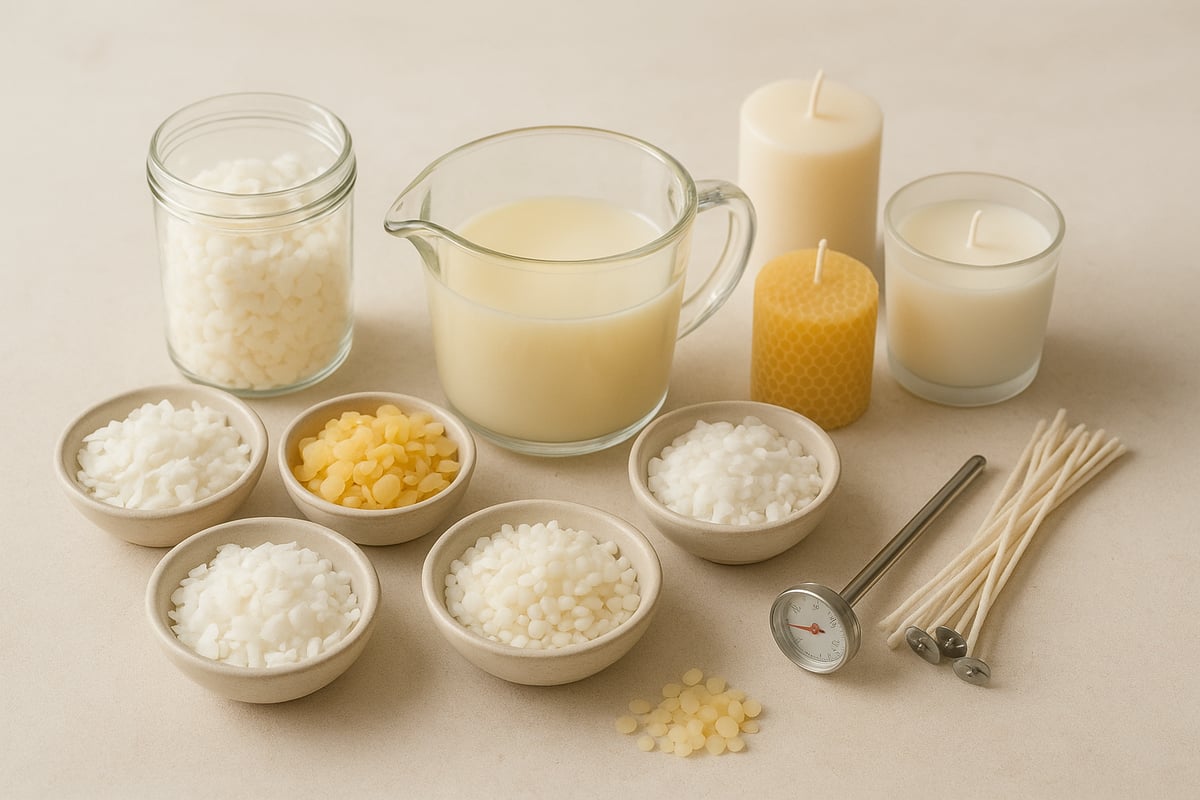
Choosing the right candle wax can feel overwhelming, given the range of options available in 2026. To make the process easier, follow these five clear steps. Each stage will help you narrow down your choices and find the ideal candle wax for your unique needs.
Step 1: Define Your Candle’s Purpose
Start by clarifying what type of candle you want to create. Are you planning container candles, sturdy pillars, delicate tealights, wax melts, or artistic novelties? Your intended use will shape your candle wax decision.
For example, container candles often perform best with soy or coconut blends, as these waxes adhere well to glass and offer a smooth finish. Pillar candles, on the other hand, require a wax with higher structural integrity, such as beeswax or a blended wax with added hardness.
Ask yourself:
- What shape and style is your candle?
- Do you prioritise scent, burn time, or aesthetics?
- Will the candle be decorative or functional?
Matching the candle wax to your project ensures optimal performance and satisfaction.
Step 2: Consider Scent and Additives
The fragrance profile of your candle is a major factor. Some candle wax types excel at holding and releasing scent, while others may require additives to boost performance. For instance, soy wax is a favourite for essential oil candles because it offers a clean scent throw, but it may need help retaining vibrant colours.
Think about:
- Which fragrance oils or essential oils will you use?
- Do you want to add dyes, botanicals, or glitter?
- Will you include additives like stearic acid for hardness or stability?
Testing different combinations can reveal which candle wax and additive blend brings out the best in your chosen scent and style.
Step 3: Evaluate Sustainability and Health Factors
Sustainability and health concerns are more important than ever. Consider if you or your customers have allergies or sensitivities to certain candle wax ingredients. For example, beeswax is hypoallergenic and produces minimal soot, making it a wise choice for those with respiratory concerns.
Check for:
- Allergen risks from animal or plant sources
- Soot production and indoor air quality
- Eco-labels and certifications like vegan, cruelty-free, or RSPO
Consumers are increasingly seeking non-toxic, sustainable candle wax options, so factor these priorities into your selection.
Step 4: Assess Budget and Sourcing
Budget can play a deciding role in your candle wax choice. Calculate your project scale and whether you need to buy in bulk or smaller quantities. Paraffin remains a cost-effective option for mass production, while premium waxes may suit luxury lines.
When sourcing, always look for reputable suppliers who offer quality assurance and transparent origin. For more guidance on finding reliable sources, see Where to order candle wax.
Consider:
- Price per kilogram and minimum order sizes
- Supplier reputation and customer reviews
- Storage and handling requirements for each candle wax
Investing in quality materials will save time and money in the long run.
Step 5: Test and Experiment for Best Results
Even with research, practical testing is essential. Make small test batches with your chosen candle wax, fragrances, and additives. Observe the burn quality, scent throw, and appearance.
Keep detailed notes:
- How does the candle wax behave with different wicks?
- Does the surface finish meet your expectations?
- Is the scent strong and lasting?
Adjust your approach based on these experiments. Continuous improvement is key for both beginners and seasoned candle makers.
Trends and Innovations in Candle Wax for 2026
The candle wax industry is experiencing a period of rapid innovation and transformation as we approach 2026. Consumers and manufacturers are driving significant changes in sustainability, formulation, and safety. Let us explore the most influential trends shaping the future of candle wax.
Sustainability and Eco-Conscious Choices
Sustainability is now at the heart of candle wax innovation. The surge in demand for plant-based and biodegradable waxes has prompted a shift away from traditional mineral waxes. Rapeseed wax, grown locally in Europe, is gaining popularity for its low carbon footprint and renewable qualities.
Consumers are also seeking candles with minimal environmental impact. Brands are responding by sourcing candle wax locally, reducing transport emissions, and prioritising biodegradable packaging. This eco-focused approach ensures the entire candle wax lifecycle supports a cleaner planet.
Advances in Wax Formulation and Performance
Recent advances in candle wax formulation are revolutionising product performance and user experience. Manufacturers are developing new blends that combine the best properties of different waxes, resulting in improved scent throw and longer burn times.
Innovative options such as allergen-free and additive-free candle wax are now available, catering to health-conscious users. Smart waxes are emerging, offering features like colour-changing effects or self-extinguishing properties. Additives such as stearic acid are being used to create harder, more durable candles, responding directly to consumer feedback.
Consumer Preferences and Market Insights
Consumer preferences are evolving rapidly in the candle wax market. There is a growing demand for vegan, cruelty-free, and sustainable candles, with luxury and bespoke products gaining traction. Coconut-soy blends, for example, are becoming the hallmark of premium brands.
According to the Wax Market Size, Growth, Share & Forecast Report 2025-2031, the candle wax sector is set for continued growth, especially in the UK and EU. This data reflects the shift towards personalisation and storytelling in candle branding, with consumers valuing both performance and provenance.
Regulatory and Safety Developments
Regulation is playing an increasingly important role in the candle wax landscape. New standards are being established to govern emissions and labelling, ensuring products meet safety and environmental criteria. Certifications such as CLP, REACH, and IFRA compliance are now essential for reputable brands.
For instance, stricter limits on soot and volatile organic compounds (VOCs) are being introduced for indoor candles. Buyers in 2026 should look for clear labelling and certification on their chosen candle wax products to ensure compliance and peace of mind.
Expert Tips for Working with Candle Wax
Working with candle wax is both an art and a science. Achieving professional results requires careful attention to detail, from the melting stage to storage and sourcing. Here are expert strategies to help you create high-quality candles every time.
Mastering the Melting and Pouring Process
Precise temperature control is the cornerstone of working with candle wax. Each type of wax has a specific melting point, and exceeding this can result in scorching, poor scent throw, or discolouration.
- Always use a thermometer to monitor temperature.
- Melt candle wax gently using a double boiler to prevent hotspots.
- Stir steadily to ensure even heat and a smooth blend.
For example, soy candle wax is sensitive to high temperatures and can develop frosting if overheated. Pouring at the recommended temperature helps achieve a flawless finish. Practice patience, as rushing this stage often leads to imperfections in the final product.
Troubleshooting Common Candle Wax Issues
Even experienced makers encounter challenges when working with candle wax. Common problems include frosting, sinkholes, cracking, and scent throw issues.
- Frosting appears as white crystals on soy wax, often from rapid cooling.
- Sinkholes can result from improper pouring or trapped air.
- Scent throw may be weak if the fragrance is added at the wrong temperature.
Selecting the correct wick size and type is also vital for each candle wax. Paraffin is prone to tunnelling if the wick is too small. Keeping a troubleshooting log helps identify patterns and refine your technique over time.
Storing and Handling Candle Wax Safely
Proper storage extends the shelf life and maintains the quality of candle wax. Keep wax in a cool, dry place away from sunlight and moisture. Each type has different sensitivities; for example, soy wax is more prone to absorbing odours and humidity than beeswax.
- Store wax in airtight containers to prevent contamination.
- Label containers with purchase date and wax type.
- Clean up spills promptly to avoid slips and hazards.
Safe handling is crucial, especially if you are concerned about indoor air quality. For more on this topic, see the Impact of scented candle use on indoor air quality, which explores how burning candles can affect your living environment.
Sourcing Quality Wax and Supplies
Choosing reputable suppliers ensures you receive consistent, high-grade candle wax. Look for certifications such as RSPO, vegan, or cruelty-free labels, especially if sustainability is a priority.
- Compare bulk and small-batch buying options.
- Request samples to test performance before large orders.
- Verify supplier credentials and customer reviews.
If you are interested in plant-based alternatives, the Soybean Candles for Healthy Life and Well Being project highlights the benefits of soy candle wax for health and the environment. Investing in quality materials pays off with better results and safer, cleaner-burning candles.
Frequently Asked Questions About Candle Wax
Choosing the right candle wax often leads to a series of questions, especially with so many options and trends emerging in 2026. Below, we answer the most common queries to help you make informed choices, whether you are new to candle making or refining your craft.
Which Wax Is Best for Beginners?
For those starting with candle wax, soy and paraffin are the most accessible choices. Both types melt easily, require minimal specialist equipment, and are widely available in craft shops and online. Soy candle wax is popular for its clean burn and forgiving nature, making it ideal for learning. Paraffin offers consistent results and is often found in starter kits.
Beginners appreciate that these waxes are versatile and respond well to different fragrances and dyes. Choosing the right candle wax at this stage helps build confidence and ensures early success.
Can I Blend Different Candle Waxes?
Blending candle wax types is not only possible but often recommended for customising burn time, scent throw, and texture. Popular blends include soy-paraffin, which balances scent strength and smooth appearance, and coconut-soy, known for luxury candles.
When blending candle wax, test small batches first to find your ideal ratio. Combining waxes can address specific challenges, such as improving scent retention or achieving a desired finish. Experimentation is key to discovering unique results.
Are All Candle Waxes Vegan and Cruelty-Free?
Not all candle waxes are vegan or cruelty-free. Plant-based options like soy, coconut, and rapeseed are suitable for vegan candle makers. However, beeswax is animal-derived and does not meet vegan standards.
Below is a quick comparison:
| Wax Type | Vegan | Cruelty-Free |
|---|---|---|
| Soy | Yes | Yes |
| Coconut | Yes | Yes |
| Rapeseed | Yes | Yes |
| Beeswax | No | Usually* |
*Check for ethical sourcing. For peace of mind, always look for certifications when selecting candle wax.
How Do I Choose the Right Wick for My Wax?
Selecting the right wick for your candle wax is crucial for an even burn and optimal performance. Factors to consider include wax type, candle diameter, and fragrance load. Soy wax often pairs well with cotton or wooden wicks, while paraffin can suit a range of wick sizes and materials.
Testing different wicks with your chosen candle wax ensures you avoid issues like tunnelling or excess soot. Consult supplier guides or use wick-sizing charts for best results.
What’s the Best Way to Store Candle Wax Long-Term?
Proper storage of candle wax extends its shelf life and maintains quality. Store wax in a cool, dry place away from direct sunlight and moisture. Paraffin candle wax is stable and can last several years, while soy and coconut wax are more sensitive to temperature and humidity.
To avoid contamination, keep wax in sealed containers. For those concerned about emissions and indoor air quality when using or storing scented wax, see recent research on real-time evaluation of terpene emissions during scented wax use.
Now that you know how important the right wax is for scent, burn time, and sustainability, you’re ready to make the best choice for your next candle project. Whether you’re drawn to classic beeswax, eco-friendly soy, or innovative blends, the perfect candle can truly transform your space—especially during the festive season. If you want to experience the warmth and artistry of Scottish craftsmanship, why not explore our curated range? You’ll find unique fragrances and hand poured quality that bring a touch of Scotland into your home. Take a look at our collection and Shop Christmas Candles.