

Wax Candle Wax Guide: Expert Tips for 2026
Candle making is thriving in 2026, captivating hobbyists and professionals alike. The surge in creative expression and home ambience trends has made the choice of wax candle wax more crucial than ever. Selecting the right wax impacts everything from scent quality to burn longevity and environmental footprint.
This expert guide will help you navigate the world of wax candle wax with confidence. Discover the latest wax types, their unique properties, and the top trends shaping the industry this year. Whether you are an enthusiast or an experienced maker, you will find practical tips, troubleshooting advice, and a focus on sustainable practices.
Ready to elevate your candle making skills? Read on for in-depth insights and guidance tailored for today’s candle makers.
Understanding Candle Wax Types in 2026
Choosing the ideal wax candle wax is the foundation of modern candle making. In 2026, the range of waxes available is broader than ever, reflecting both technological advances and evolving consumer preferences. Whether you are a seasoned artisan or a hobbyist, understanding these wax types is essential for achieving the perfect burn, scent, and finish.
Natural Waxes: Soy, Beeswax, and More
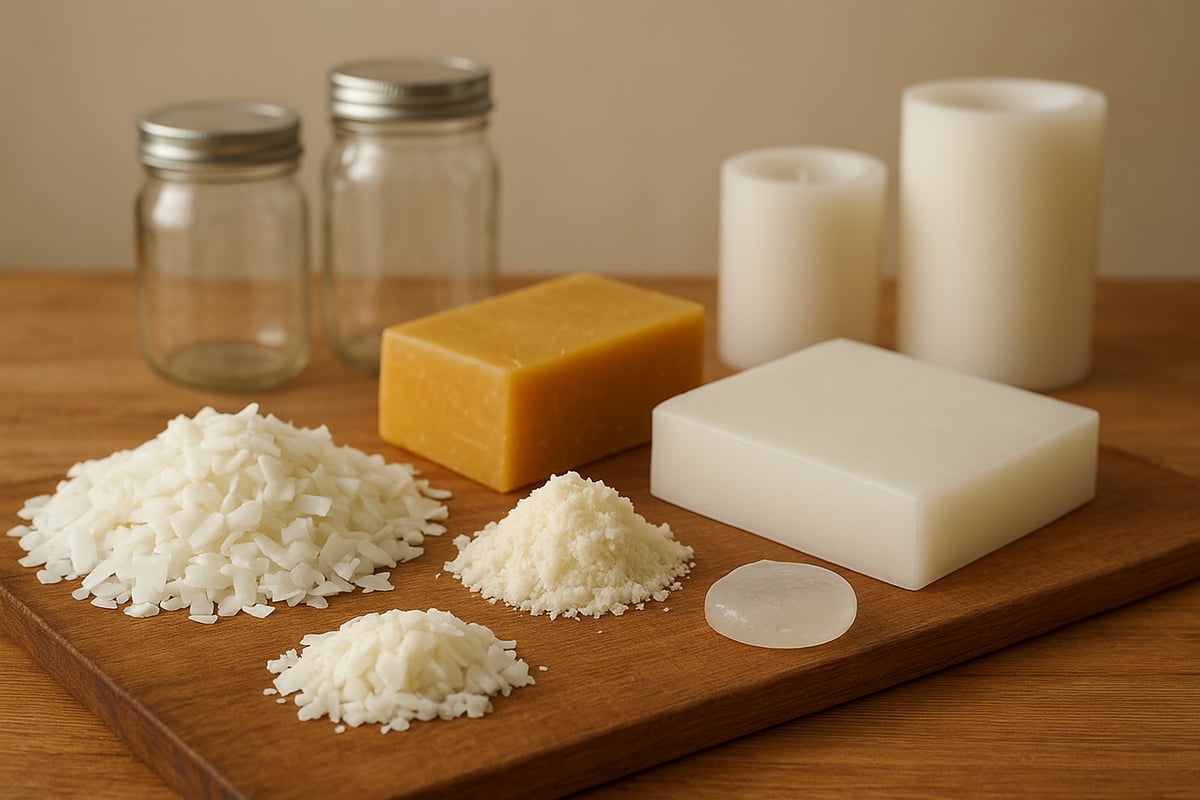
Natural waxes remain at the forefront of the wax candle wax industry. Soy wax leads the market, prized for its clean-burning nature, robust scent throw, and suitability for allergy-sensitive households. This plant-based wax has a creamy appearance and subtle, natural scent, making it a favourite for eco-conscious candle makers.
Beeswax, another timeless choice, boasts a naturally sweet aroma, long burn time, and the unique ability to purify air by releasing negative ions. Coconut and rapeseed waxes are gaining traction in 2026 due to their renewable origins and excellent blending properties. These waxes are fully biodegradable and sourced from sustainable crops, supporting ethical production.
The eco-credentials of soy wax are a key driver of its popularity. Recent data shows a 38% increase in artisan candles using soy wax between 2024 and 2025. The versatility and environmental benefits of natural wax candle wax make it a top choice for those seeking both performance and sustainability.
| Wax Type | Appearance | Scent Throw | Sustainability | Burn Time |
|---|---|---|---|---|
| Soy | Creamy | Strong | High | Long |
| Beeswax | Rustic | Natural | High | Very Long |
| Coconut | Smooth | Subtle | High | Moderate |
| Rapeseed | Soft | Mild | High | Long |
Mineral Waxes: Paraffin and Blends
Mineral waxes, led by paraffin, still dominate the global wax candle wax market. Paraffin wax is derived from petroleum, refined to a high degree for odourless, clean-burning candles. It is favoured for its versatility, excellent scent throw, and the ability to create glossy, vibrant candles.
Blended waxes, combining paraffin with vegetable waxes, are widely used to enhance performance and sustainability. Gel wax, a translucent mineral-based option, is popular in decorative and novelty candles due to its unique visual appeal.
Modern paraffin waxes are carefully purified, making them safe for home use. In fact, paraffin remains the base for 60% of all commercial candles worldwide. Luxury candle brands often use paraffin blends to achieve superior fragrance diffusion and a smooth finish, demonstrating the ongoing relevance of mineral wax candle wax in contemporary candle making.
Emerging Wax Innovations for 2026
The wax candle wax landscape is evolving rapidly with the emergence of innovative, eco-friendly options. Palm-free blends and upcycled plant waxes are leading the charge, responding to growing consumer demand for ethical and sustainable products. Hybrid formulas are engineered for improved scent retention and burn stability, providing more options for candle makers.
In 2026, algae-based waxes are making their debut among select artisan brands, highlighting advancements in alternative sourcing. These new waxes are often allergen-free and cruelty-free, supporting a broader range of users and ethical standards.
Technological progress in wax candle wax production is ensuring better traceability and environmental responsibility across the industry.
Choosing the Right Wax for Your Candle Type
Selecting the right wax candle wax depends on your candle’s design and desired qualities. For container candles, soy wax is an excellent choice due to its lower melt point and strong scent retention. Pillar candles benefit from paraffin blends, which provide structure and an even burn.
Key factors to consider include melt point, compatibility with fragrances and dyes, and the final finish. Always match the properties of your wax candle wax to your chosen candle type for optimal results. For a deeper comparison of wax options and their uses, see this Wax for Candle Making Guide for comprehensive insights.
Key Properties of Candle Wax: What Matters Most
Choosing the right wax candle wax is essential for crafting high-quality candles in 2026. Understanding the properties of each wax type allows you to create products with optimal performance, safety, and appeal.
Burn Time and Scent Throw
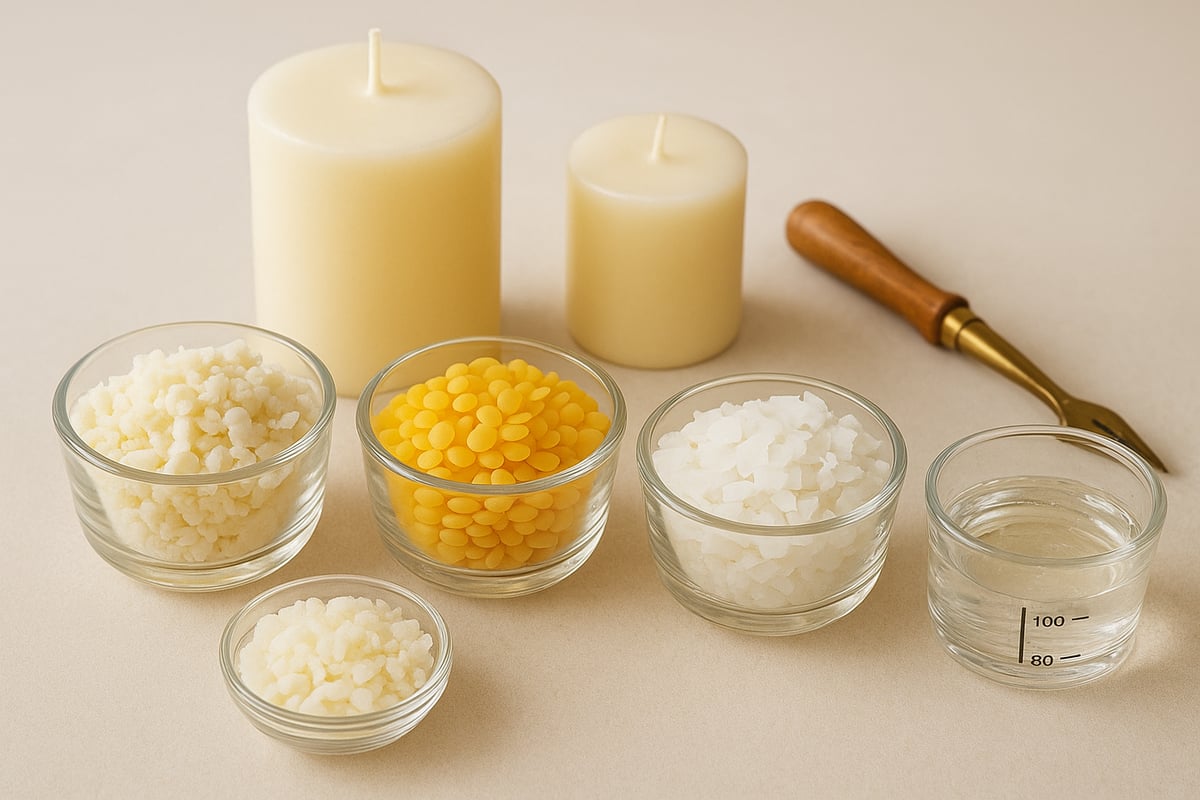
Burn time is a key factor when evaluating wax candle wax. The composition of the wax directly affects how long your candle will last. Soy wax candles are well-known for their extended burn time, with studies showing they can last up to 30% longer than paraffin-based options. Beeswax also offers an impressive burn duration, making it a favourite for luxury and artisan candles.
Scent throw is equally important. There are two types: cold throw, which is the fragrance released when the candle is unlit, and hot throw, which is the scent when the candle is burning. Paraffin wax excels at hot throw, providing a room-filling aroma, while soy wax delivers a balanced scent experience both hot and cold.
For a deeper understanding of what defines a high-quality wax candle wax, you might find Good Candle Wax Explained helpful, as it covers burn and scent performance in detail.
Appearance and Texture
The look and feel of wax candle wax can elevate your finished product. Appearance varies by wax type: soy wax typically results in a creamy, matte finish, ideal for contemporary designs. Paraffin wax produces a smooth, glossy surface, popular in commercial and decorative candles.
Beeswax offers a rustic, luxury appeal with its natural golden hue and distinctive texture. These visual qualities can influence customer perception, so consider the desired look when selecting your wax candle wax. Texture also affects how colour and fragrance integrate, impacting the final result.
Melting Point and Safety
Understanding the melting point of your wax candle wax is crucial for both the production process and the user's safety. Each wax type has a different range: soy wax melts at 76 to 82°C, while paraffin wax melts at 60 to 70°C. Beeswax and gel wax have higher melting points, requiring careful temperature control.
Safety is a primary concern. Always handle wax candle wax with protective equipment and never overheat it, as high temperatures can pose risks. Gel wax, for example, must be melted at higher temperatures, so extra caution is needed to avoid burns or fire hazards. Proper handling ensures a safe and efficient candle making experience.
Compatibility with Additives and Colours
The versatility of wax candle wax depends on its ability to interact with additives, dyes, and fragrances. Different waxes absorb and retain colour in unique ways. Soy and paraffin waxes are highly compatible with most commercial dyes, producing vibrant, even hues. Beeswax offers a more subdued palette due to its natural tint.
Fragrance compatibility is equally vital. The right wax candle wax holds and diffuses scent effectively, with additives available to enhance throw or improve adhesion to glass containers. Expert candle makers often experiment with stabilisers and hardeners for consistent results, ensuring that colour and scent remain true from batch to batch.
Environmental and Health Considerations
Modern candle makers are increasingly mindful of the environmental and health impacts of their wax candle wax choices. Natural waxes like soy and coconut are favoured for their low emissions, biodegradability, and renewable sourcing. Beeswax emits negative ions, which can improve indoor air quality.
Allergen content is another key consideration. Soy and coconut waxes are generally well-tolerated by sensitive users. A 2025 UK survey revealed that 72% of consumers prefer eco-friendly wax candle wax for health and sustainability reasons. Choosing the right wax supports cleaner burning and a safer home environment.
Step-by-Step Guide: How to Work with Candle Wax
Mastering the art of working with wax candle wax is crucial for candle makers in 2026. Whether you are a beginner or a seasoned artisan, following a structured approach ensures safety, consistency, and professional results.
Preparation: Setting Up for Success
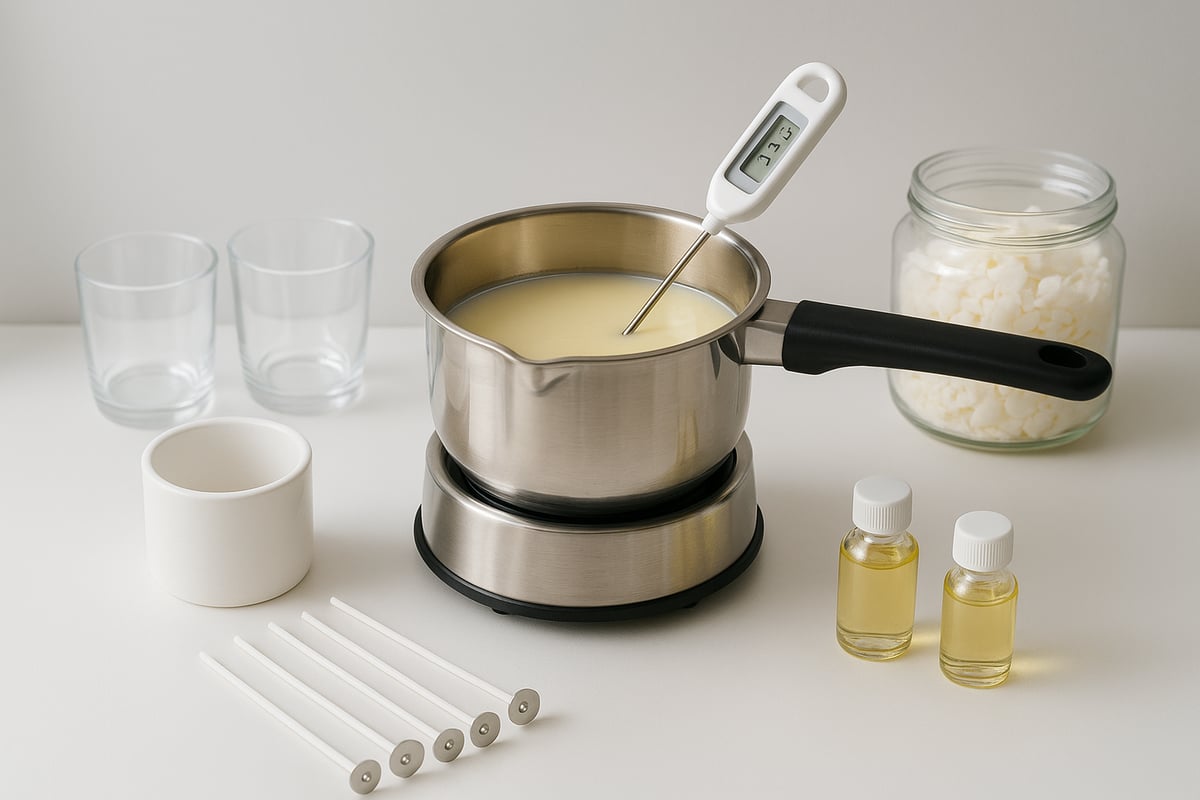
Before you begin, prepare your workspace and gather all necessary materials. For wax candle wax projects, you will need:
- Wax (soy, beeswax, paraffin, or blends)
- Accurate digital scales
- Thermometer
- Double boiler or microwave-safe jug
- Moulds or containers
- Pre-tabbed wicks
- Fragrance oils and dyes (optional)
- Stirring utensils
Set up in a well-ventilated area with protective gear such as gloves and an apron. Clean, clutter-free surfaces help avoid contamination. Measure your wax candle wax precisely, as the correct ratio of wax to fragrance is key. If you are new to the process, following a Candle Making Step-by-Step guide can help ensure you start with best practices.
Melting and Mixing Techniques
Select your melting method based on the wax candle wax type. A double boiler is recommended for even, controlled heating, reducing the risk of overheating. For small batches, a microwave can work but requires extra care to prevent hot spots.
Monitor the temperature closely using a thermometer. Each wax candle wax has an optimal melting point. For example, soy wax typically melts at 76 to 82°C, while paraffin melts at 60 to 70°C. Heat the wax slowly, stirring occasionally for uniform consistency. Avoid exceeding the recommended temperature, as this can affect the wax structure and scent retention.
Once melted, mix thoroughly to ensure a smooth base. Even mixing supports a consistent texture and burn performance.
Adding Fragrance and Colour
Timing is crucial when adding fragrance and dye to wax candle wax. Allow the wax to cool slightly after melting, usually to about 65°C for soy wax, before adding fragrance oils. This temperature helps maximise scent throw and prevents evaporation of delicate notes.
Choose between liquid, chip, or powdered dyes for colouring. Add the dye and stir gently until the colour is even. For best results, stir the wax candle wax slowly but thoroughly, scraping the sides and bottom to distribute additives uniformly.
Remember, excessive fragrance or dye can alter the burn quality. Always follow recommended ratios and test small batches to achieve your desired result.
Pouring and Setting
Prepare your containers or moulds before pouring the wax candle wax. Ensure wicks are centred and fixed in place. Warm the containers slightly to help prevent wet spots and improve the final finish.
Pour the wax candle wax slowly and steadily, keeping the stream close to the centre to minimise bubbles. Fill to the desired level and leave space at the top for expansion. Allow the candles to cool gradually in a draft-free environment for a smooth surface.
If you notice imperfections like sinkholes or uneven tops, use a heat gun to gently smooth the surface after the initial set. Patience during cooling leads to a professional, flawless look.
Troubleshooting Common Issues
Even experienced makers encounter challenges with wax candle wax. Here are common problems and solutions:
| Issue | Cause | Solution |
|---|---|---|
| Sinkholes | Rapid cooling, air pockets | Pour in two stages or refill |
| Frosting | Temperature fluctuations | Adjust pour temp, slow cooling |
| Wet Spots | Container adhesion issues | Preheat containers, use additives |
| Tunnelling | Incorrect wick size/type | Use correct wick, test burns |
| Weak scent | Low fragrance load, wrong wax | Optimise ratios, choose compatible wax |
A 2025 survey found that 40% of beginners report sinkholes as a top frustration. Careful temperature control and thoughtful wax candle wax selection can greatly reduce these issues.
Candle Wax Trends and Innovations in 2026
The world of wax candle wax is evolving rapidly in 2026, driven by sustainability, technology, and changing consumer expectations. Candle makers and enthusiasts are seeking new solutions that combine performance with responsibility. Let us explore the key trends and innovations shaping the future of wax candle wax this year.
Sustainability and Ethical Sourcing
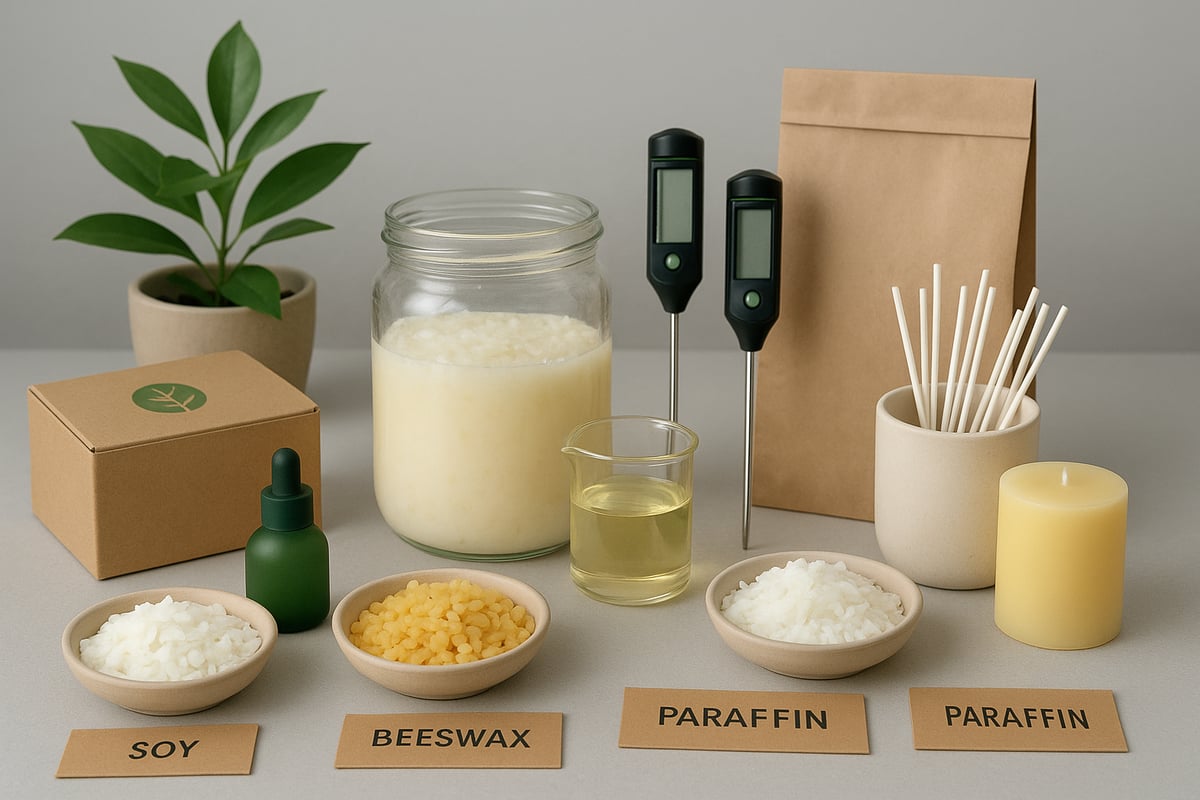
Sustainability is at the heart of wax candle wax innovation in 2026. Candle makers now prioritise palm-free, renewable, and upcycled waxes. Ethical sourcing, including RSPO-certified, vegan, and cruelty-free options, is increasingly important to consumers.
Brands are switching to rapeseed and coconut blends, which offer excellent burn quality and a reduced environmental footprint. These wax candle wax choices not only lower emissions but also support local farmers and circular economies.
Key factors driving this trend include:
- Transparent supply chains
- Biodegradable packaging
- Commitment to eco-friendly production
Wax candle wax made from upcycled plant sources is gaining traction, offering both sustainability and performance.
Technology in Candle Wax Production
Advances in technology are transforming wax candle wax production. Automation and AI-driven processes enable precise blending and refinement, resulting in consistent quality and enhanced candle performance.
Smart additives are now available to improve burn time and scent throw. These innovations allow candle makers to customise wax candle wax formulas for specific applications, from luxury scented candles to allergy-friendly products.
For example, AI-optimised blending can adjust wax properties based on real-time data, ensuring optimal results with every batch. This technological leap forward empowers both small artisans and large manufacturers to meet diverse market demands for wax candle wax.
Customisation and Personalisation
Customisation is a defining trend in wax candle wax this year. DIY kits and bespoke candle options are on the rise, allowing consumers to create unique products tailored to their preferences.
Online platforms offer personalised wax blend recommendations, helping users find the perfect wax candle wax for their needs. In-store experiences now include custom scent and colour blending, giving customers creative control over their candles.
Key personalisation options for wax candle wax include:
- Scent intensity and profile
- Colour selection
- Container and mould shapes
This shift towards customisation ensures that wax candle wax remains relevant and appealing to a diverse audience.
Market Data and Consumer Preferences
Market data reveals a strong shift towards natural and sustainable wax candle wax options. Soy wax sales have surged by 38 percent, while paraffin remains stable and beeswax continues to grow within its niche.
UK buyers are especially eco-conscious, with 72 percent preferring natural waxes. Artisan brands are leading the way in innovative wax candle wax solutions, often focusing on local ingredients and ethical sourcing.
According to Candle market trends and forecasts 2025-2033, segmentation by wax type and product category is shaping the industry, with demand for traceable, high-performance wax candle wax at an all-time high.
Regulatory Updates and Safety Standards
Wax candle wax is now subject to stricter regulations in 2026. New labelling requirements mandate full disclosure of allergens, sources, and composition. This ensures greater transparency and safety for consumers.
Safety testing for wax candle wax includes burn performance, emissions, and product stability. Compliance with EU and UK standards is essential for all candle makers, regardless of scale.
These updates protect consumers and foster trust in wax candle wax products. Brands that prioritise compliance and clear communication are best positioned for success in the evolving marketplace.
Expert Tips for Candle Makers: Maximising Results
Unlocking the full potential of wax candle wax requires both technical skill and creative insight. To help you achieve professional results in 2026, here are expert tips covering scent throw, finish, scaling up, sustainability, and community resources. Each tip ensures you get the most from your wax candle wax, whether crafting at home or building a business.
Mastering Scent Throw and Burn Quality
Achieving the best scent throw and burn quality starts with selecting the right wax candle wax. Different waxes hold and release fragrance in unique ways. For strong scent throw, consider soy or paraffin blends. The right wick size and placement are crucial for even burning. Double-wicking larger containers helps prevent tunnelling and maximises fragrance diffusion.
- Test fragrance loads with your chosen wax candle wax.
- Use fragrance oils compatible with your wax.
- Trim wicks to 5mm before burning for a clean, consistent flame.
For more on soy wax performance, read Soybean Wax Candle Insights for an in-depth look at scent and burn characteristics.
Achieving Professional Finish and Consistency
A flawless finish is the hallmark of expertly crafted wax candle wax products. Temperature control is your best friend. Pour wax when it reaches the optimal temperature for your formula to minimise frosting and sinkholes. Pre-heat containers to reduce wet spots and ensure smooth tops.
- Use a thermometer to monitor wax temperature closely.
- Pour slowly to prevent bubbles.
- Cool candles in a draft-free area for even setting.
If you encounter imperfections, a quick pass with a heat gun can help achieve a polished surface.
Scaling Up: From Hobby to Business
Turning your passion for wax candle wax into a business requires strategic planning. Source bulk wax from reputable suppliers to maintain consistency. Implement quality control checks at each batch. Invest in professional branding and eco-friendly packaging to stand out in the competitive 2026 market.
- Offer refill options to attract eco-conscious customers.
- Track trends and adapt your wax candle wax products.
- Consider market data, such as the global candle market projected to reach USD 16.42 billion by 2034, to inform your business strategy.
Scaling up means balancing creativity with operational excellence.
Sustainable Candle Making Practices
Sustainability is at the core of modern wax candle wax production. Minimise waste by reusing containers and recycling wax scraps. Choose local suppliers and ethically sourced waxes, such as upcycled or plant-based options.
- Incorporate leftover wax into new creations.
- Use recyclable or compostable packaging.
- Highlight eco-friendly practices in your branding.
Sustainable choices not only benefit the environment but also appeal to the growing segment of eco-conscious buyers.
Staying Ahead: Resources and Communities
Staying current in the wax candle wax world means tapping into resources and connecting with fellow makers. Join online forums, attend trade shows, and engage with workshops for the latest techniques and trends. The UK Candle Makers Association offers events and educational materials tailored to all experience levels.
- Participate in social media groups for peer support.
- Enrol in online courses for advanced skills.
- Network at industry events to stay inspired.
Ongoing learning and community involvement help you master wax candle wax and keep your craft evolving.
Frequently Asked Questions about Candle Wax
Navigating the world of wax candle wax can raise many questions, especially as trends and technology evolve. Here, we answer the most frequently asked queries to help both beginners and experienced makers achieve the best results.
What is the best candle wax for beginners?
For most beginners, soy wax is ideal. It is easy to work with, cleans up simply, and is widely available. Soy also produces a clean burn and holds fragrance well, making it a reliable choice for those starting with wax candle wax.
How do I prevent my candles from frosting or cracking?
Frosting on wax candle wax, especially soy, is a natural effect but can be reduced by pouring at slightly lower temperatures and allowing candles to cool slowly. To prevent cracking, avoid moving candles during setting and keep the environment free from drafts.
Which wax gives the strongest scent throw?
Paraffin wax is known for delivering the strongest hot scent throw. However, high quality soy and coconut blends also offer excellent fragrance diffusion, especially when paired with the right wick and fragrance ratio.
Are all candle waxes safe for indoor use?
Most wax candle wax products are formulated for safe indoor burning, provided you follow manufacturer guidelines and use proper wicks. Always ensure good ventilation and never leave candles unattended.
How do I store leftover wax?
Store unused wax candle wax in a cool, dry place, away from direct sunlight and heat sources. Use airtight containers or resealable bags to prevent contamination and preserve quality.
Can I mix different types of wax?
Yes, blending waxes is common to combine benefits such as improved scent throw or burn time. Always test small batches first to ensure compatibility and optimal performance.
What is the shelf life of candle wax?
Most wax candle wax types last several years if stored properly. Over time, scent or colour may fade, but the wax itself rarely spoils. Check for signs of contamination before use.
Is there a difference between wax for candles and wax melts?
Yes, wax melts often use specialised blends with lower melting points for use in warmers. Standard wax candle wax is designed for burning with a wick, so always use the intended wax for each purpose.
How do I troubleshoot common candle wax problems?
Typical issues include sinkholes, frosting, and uneven burns. Adjust pouring temperature, wick size, or fragrance ratio to resolve most problems. Small changes can make a big difference in wax candle wax performance.
What are the latest trends in candle wax for 2026?
Sustainability is leading the way, with increased demand for eco-friendly blends and traceable sources. According to recent wax market growth projections, the industry is set for significant expansion, driven by innovative wax types and ethical sourcing.
As you explore the art and science of candle making in 2026, it’s clear that the right wax can elevate both the scent and the atmosphere of your space. At Love Scottish, we pour our expertise into every candle, blending time honoured techniques with innovative fragrance development to create something truly special. If you’re inspired by the expert tips and want to experience the difference of meticulously crafted, Scottish-scented candles in your own home, why not explore our seasonal favourites? Discover unique creations designed to bring warmth and joy to your celebrations—Shop Christmas Candles today.